
PDRN Capsule Cream vs Traditional PDRN Cream: What Changes for the Consumer?
Quick Answer
A pdrn capsule face cream can change how consumers perceive freshness and application, but capsules do not automatically make PDRN more effective than a conventional cream. The meaningful differences are release design, formula stability, sensory experience, packaging cost, and compatibility with filling equipment. Beyond Basix can assess formulation and production options, while final decisions depend on project testing and site conditions.
How Beyond Basix Supports Projects
Beyond Basix Cosmetics Ltd. provides OEM/ODM skincare development supported by more than 23 years in cosmetics research, production, and sales. Its 12,000-square-meter facility includes a 100,000-level GMPC pharmaceutical-grade dust-free workshop and 12 production lines. The company can discuss formula direction, capsule-and-cream compatibility, filling requirements, packaging selection, and documentation for the intended market.
Buyers should confirm the PDRN raw-material specification, capsule composition, target concentration, emulsion stability, container format, claim strategy, and required testing scope. ISO 9001, GMP, CE, MSDS, HALAL, and other documentation may apply according to the product and market. MOQ, lead time, testing scope, and quotation must be confirmed per project with Beyond Basix.
Discuss Your PDRN Capsule Cream Project
Please provide your target market, consumer profile, PDRN specification, desired capsule format, package type, estimated order volume, and claim requirements. The discussion can cover suitable formula routes, sample stages, compatibility checks, packaging evaluation, and production planning. Visit www.beyondbasixcosmetics.com or email Lily@lanthome.com to discuss your project with Beyond Basix.
Frequently Asked Questions
How does capsule delivery change daily PDRN cream use?
A capsule format primarily changes the delivery experience, not necessarily the biological performance of the active. Consumers may notice visible beads or capsules, a different spreading sequence, and a stronger perception of freshness. The actual result depends on the PDRN specification, concentration, dispersion, formula environment, and regular use. A brand should not describe capsules as proof of superior efficacy unless comparative testing supports that claim. Consumer instructions should explain whether the capsules rupture during application, whether the product should be mixed before use, and how much product is required per application.
Does a capsule cream contain more effective PDRN?
No. Capsule appearance does not establish a higher PDRN content or better efficacy. Buyers need to compare the ingredient identity, INCI declaration, source, assay or purity information, molecular-weight profile where available, concentration, and analytical test method. PDRN is not a single globally uniform cosmetic material, so two suppliers may provide materials with different specifications. A responsible OEM brief should also distinguish cosmetic moisturising or conditioning claims from medical or tissue-regeneration claims. In markets such as the European Union, cosmetic claims are expected to comply with common criteria including legal compliance, truthfulness, evidential support, honesty, fairness, and informed consumer choice under Regulation (EU) No 655/2013.
Which format suits sensitive skin and active consumers?
Neither format is automatically suitable for sensitive skin. Tolerance is influenced by the complete formula, including fragrance, preservatives, solvents, surfactants, botanical extracts, pH, and the capsule shell or carrier materials. A capsule may add a distinctive sensory layer, but it also introduces another component that requires compatibility and tolerance assessment. A traditional emulsion may be simpler to control, while a capsule system may support a differentiated application ritual. For both formats, brands should conduct stability work and appropriately designed human safety or tolerance testing before making sensitive-skin positioning. Marketing should avoid implying that PDRN itself makes a product hypoallergenic.
What packaging tests validate capsule stability during shipping?
Capsule stability requires evaluation of both the beads and the surrounding cream. Relevant work can include appearance, capsule integrity, leakage, phase separation, viscosity, odor, color, pH, microbiological quality, and active-related specifications at defined intervals. Packaging compatibility should assess whether the container, closure, pump, spatula, or inner coating affects the formula or damages the capsules. Temperature cycling, elevated-temperature storage, and transport simulation may be appropriate, but the exact protocol depends on the formula, package, destination climate, and shipping route. Results should be interpreted against predefined acceptance criteria rather than judged only by visual appeal. A decorative bead that ruptures during distribution can create consumer inconsistency even if the base cream remains stable.
How do MOQ and filling processes affect retail pricing?
Capsule creams can require additional handling, specialized dosing or filling controls, slower line speeds, and higher packaging complexity than a conventional emulsion. These factors may influence material consumption, labor, yield loss, equipment setup, inspection, and minimum order quantity. The impact is project-specific: capsule size, loading level, package geometry, order forecast, and whether the product uses stock or customized components all affect the quotation. Retail pricing should therefore be modeled from the full landed cost rather than the cream formula alone. Request a cost breakdown covering formula, capsules, filling, primary packaging, secondary packaging, testing, tooling where applicable, and expected production loss. A lower unit price may not be practical if the order volume does not support efficient setup.
Can OEM brands customize capsule color, size, and release?
Customization may be possible, but each change affects formulation, manufacturing control, appearance, and testing. Capsule color can interact with the product shade and may require colorant compatibility review. Size influences visual impact, dosing perception, mouth of the container, and the likelihood of uneven distribution. Release behavior depends on the capsule material, wall characteristics, mechanical stress, and how the consumer applies the product; it should not be described as controlled delivery without suitable evidence. An OEM brief should define the desired visual result, rupture behavior, capsule loading range, storage conditions, package, and target market. Samples should be reviewed for appearance, application feel, stability, microbial quality, and claim substantiation before bulk production is approved.
Related Articles for Private Label Cosmetics

Why Two Mineral Sunscreens With the Same SPF Can Feel Completely Different

Beyond Ordinary Tallow Balm: How GHK-Cu and SNAP-8 Create a Different Skincare Story

When Blue Copper Peptides Meet Beef Tallow: A New Direction for Premium Skincare

PDRN Toner Pads vs GHK-Cu + SNAP-8 Peptide Toner Pads: Private Label Manufacturing Decisions
You May Also Like
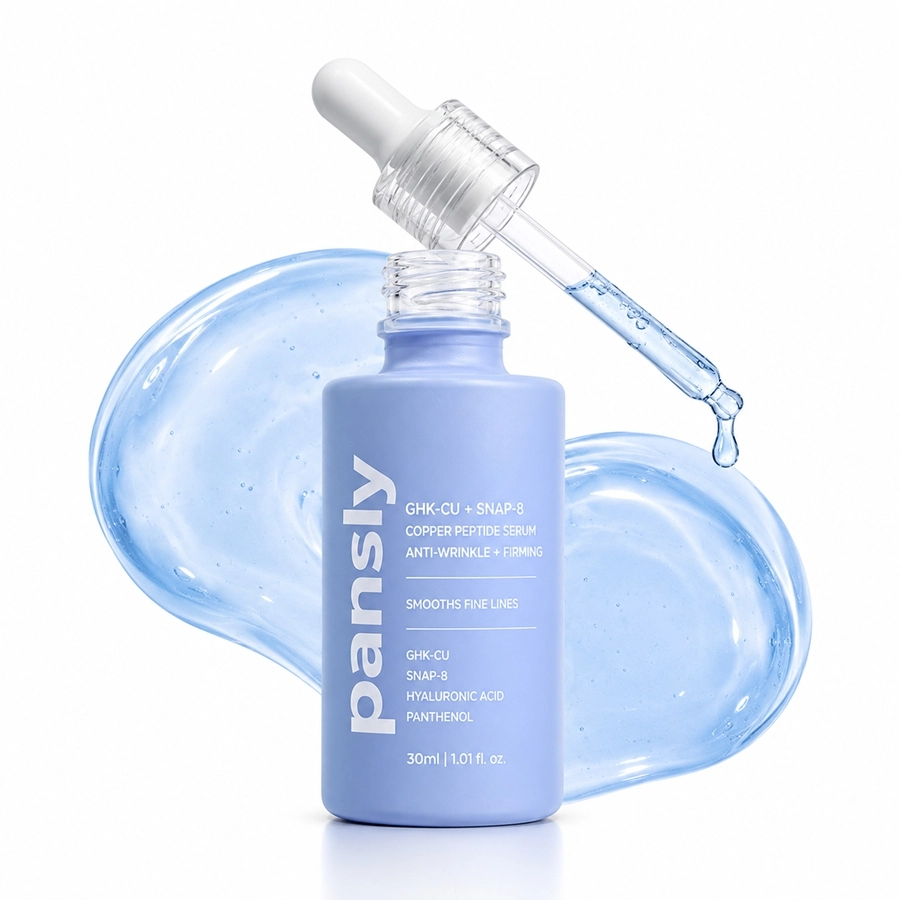
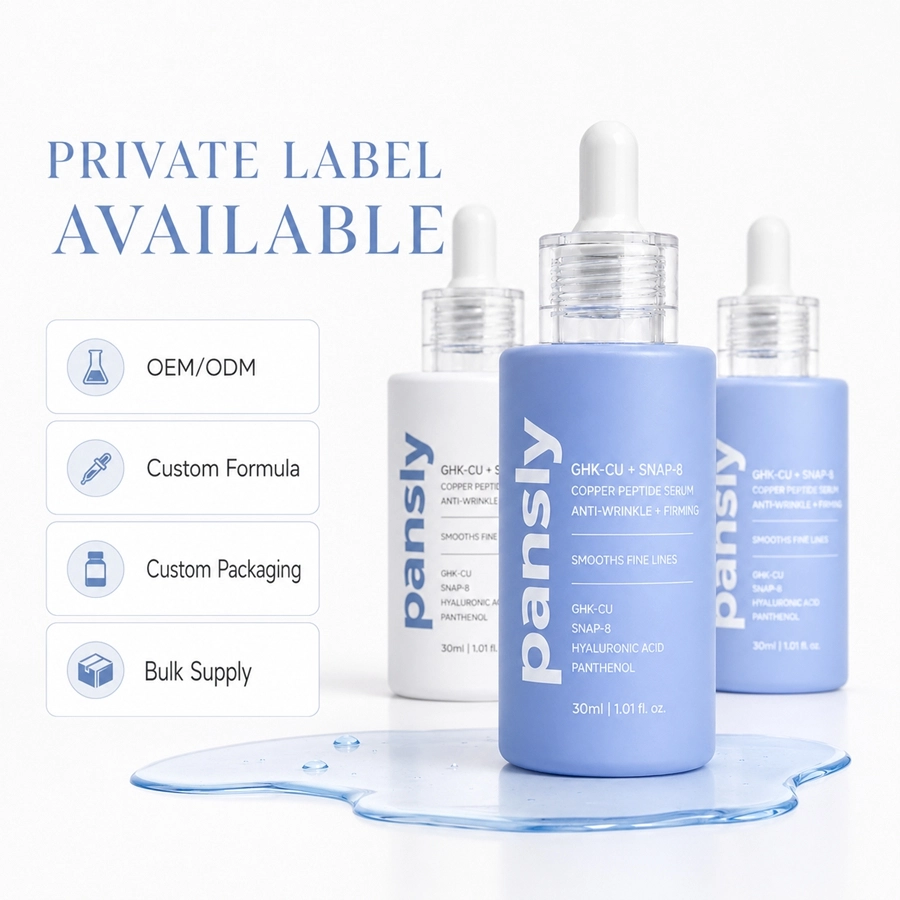
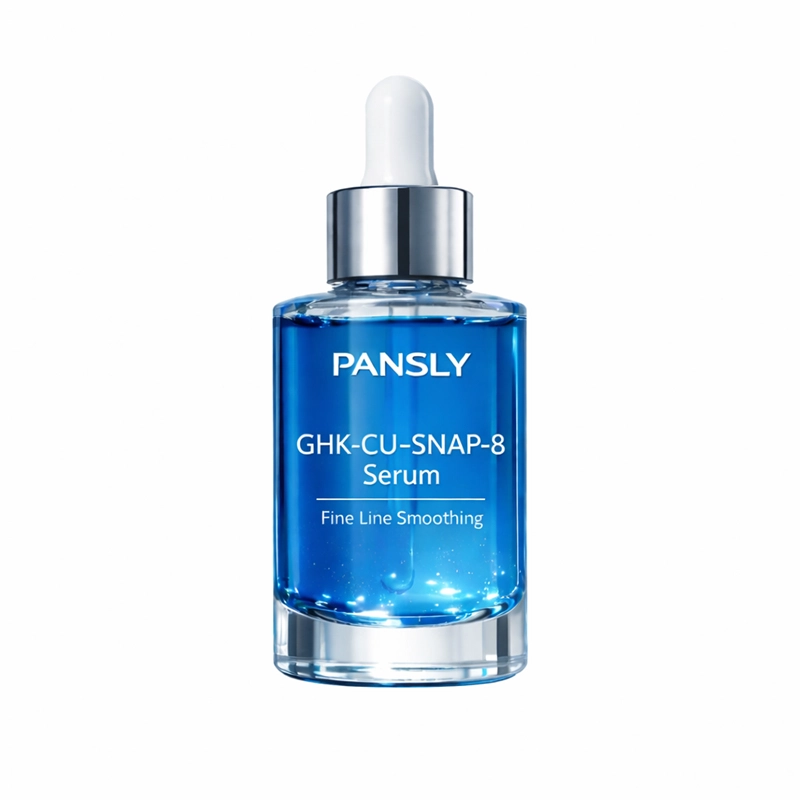
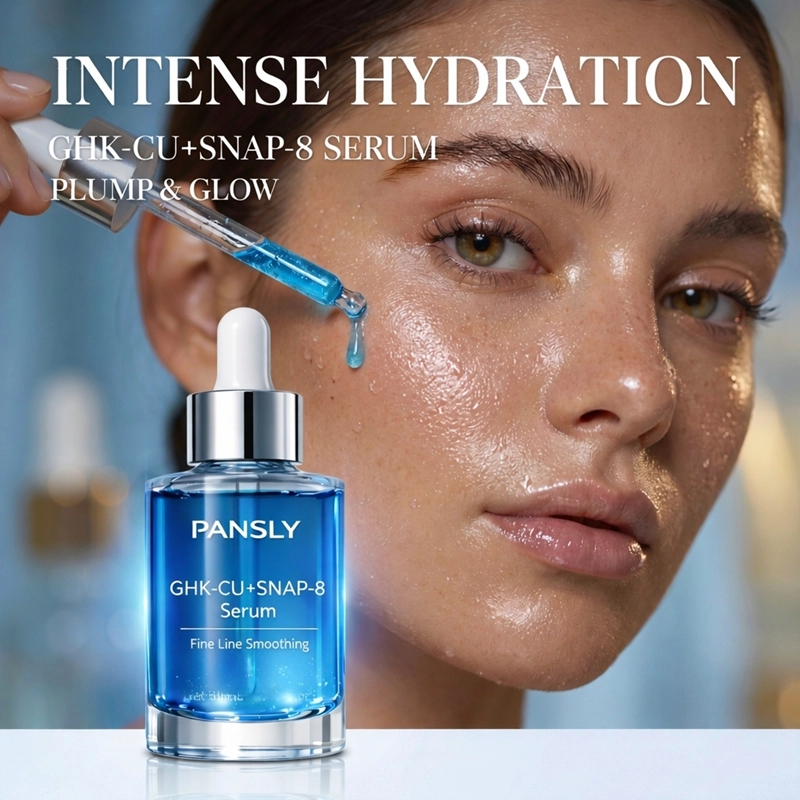
This Pansly GHK-CU + SNAP-8 Fine Line Smoothing Serum features premium dual-peptide complex formula to deliver multi-dimensional anti-aging skincare.
Formulated with two star peptide actives: GHK-CU Copper Peptide lifts sagging skin, boosts collagen production and enhances skin elasticity for firmer contour; SNAP-8 Anti-Wrinkle Peptide visibly smooths fine lines and wrinkles to fade expression creases. Complemented with Panthenol and Hyaluronic Acid, it provides soothing care and deep long-lasting hydration, revitalizing dull skin to restore a youthful radiant glow.
Lightweight watery texture absorbs quickly without sticky residue, suitable for daily anti-aging maintenance of all skin types.
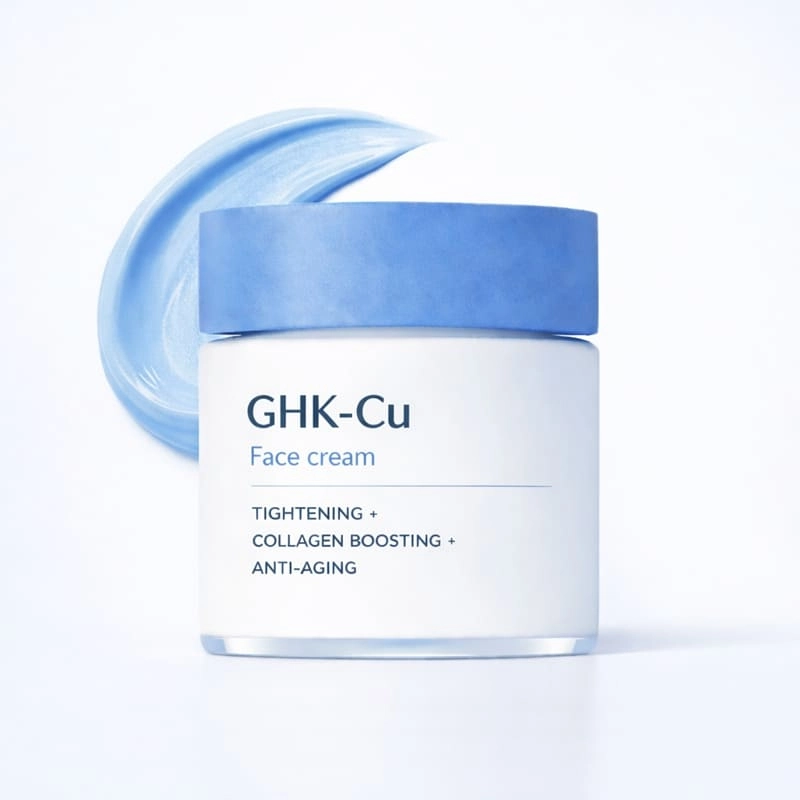
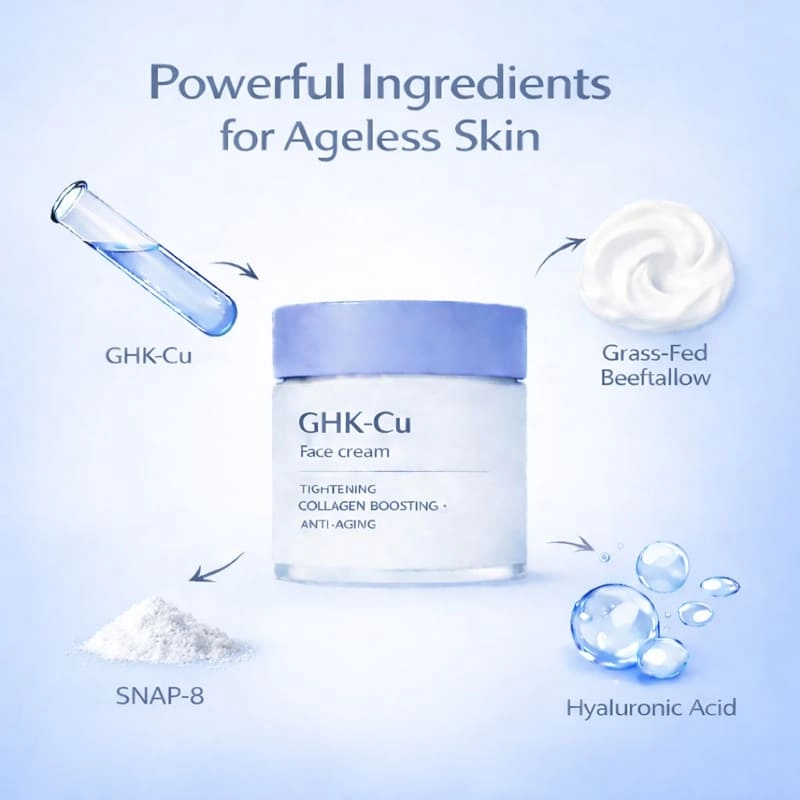
This GHK-Cu & SNAP-8 Beef Tallow Anti-Wrinkle Cream represents a unique fusion of traditional skin nourishment and cutting-edge peptide science. By utilizing Grass-Fed Beef Tallow as a bio-compatible base, the formula provides a rich profile of vitamins A, D, E, and K that mimics the skin's natural sebum for unparalleled absorption. This nutrient-dense foundation is supercharged with GHK-Cu (Copper Peptide) to support dermal density and SNAP-8 (Octapeptide-3) to help relax the appearance of expression lines and deep-set wrinkles.
Designed specifically for aging or depleted skin, this intensive cream provides a protective moisture barrier while actively working to improve firmness and elasticity. The result is a multi-layered approach to rejuvenation that smooths texture, deeply hydrates, and restores a youthful, resilient "bounce" to the complexion without the use of synthetic fillers.
Get in Touch with us
If you have any comments or good suggestions, please leave us a message; later our professional staff will contact you as soon as possible.
Click here to customize the Beauty
we respond within a few hours
Monday–Friday, 9AM–6PM
3A01, Building A, Zhisheng Square, No. 4 Zhifu Road, Helong Street, Baiyun District, Guangzhou, China.


Leave a request, and we'll email you back within 24 hours.
© 2026 Beyond Basix. All Rights Reserved.
