
How Can Brands Position PDRN Centella Serum in a Sensitive-Skin Collection?
Quick Answer
Brands can position a pdrn centella soothing serum as a low-irritation support step within a sensitive-skin routine, rather than promising medical repair or instant regeneration. Beyond Basix can help assess formula direction, ingredient compatibility, sensory profile, packaging, and market-specific claims. Final solutions depend on the target market, testing plan, packaging conditions, and project specifications.
How Beyond Basix Supports Projects
Guangzhou Beyond Basix Cosmetics Ltd. combines more than 23 years in cosmetics research, production, and sales with 12 years focused on effective-ingredient skincare development. Its OEM/ODM service can support brand discussions around a centella-and-polynucleotide serum concept, product positioning, formula customization, and production planning within the selected project scope.
The company operates a 12,000-square-meter facility with a 100,000-level GMPC pharmaceutical-grade dust-free workshop and 12 production lines. Its certifications include ISO 9001, CE, MSDS, GMP, and HALAL. Buyers should confirm the ingredient specification, target claims, filling format, stability and safety testing scope, packaging compatibility, MOQ, lead time, and quotation for each project.
Discuss Your Sensitive-Skin Serum Project
Share your target market, customer profile, desired claims, preferred texture, ingredient restrictions, packaging format, estimated order volume, and launch timeline. These details allow the team to discuss suitable formula directions, sample stages, testing requirements, and production planning for a sensitive-skin collection. Visit www.beyondbasixcosmetics.com or email Lily@lanthome.com to begin a project discussion.
Frequently Asked Questions
What role should PDRN play in sensitive-skin positioning?
Position PDRN, more precisely cosmetic polynucleotides or related nucleotide ingredients, as part of a supportive skin-conditioning and hydration story unless the finished product has substantiated evidence for stronger claims. The term PDRN is associated with polynucleotide materials and is widely used in aesthetic and skincare marketing, but a topical cosmetic is not equivalent to an injectable medical treatment. Brands should verify the supplier's identity, molecular description, source, purity documentation, recommended use level, and regulatory status in every target market. Avoid translating the ingredient name into claims such as tissue regeneration, wound healing, or clinical repair without appropriate evidence and legal review. A sensitive-skin collection benefits from restrained language: comfort, moisturization, barrier-support positioning, and reduced-feeling-of-dryness claims are generally easier to evaluate than therapeutic promises, but each still requires substantiation.
How does centella change the serum’s sensitive-skin story?
Centella asiatica gives the concept a recognizable botanical anchor, but the plant name alone does not establish suitability for reactive skin. Its commonly discussed constituents include asiaticoside, madecassoside, asiatic acid, and madecassic acid; the actual profile depends on the extract, processing, standardization, and concentration. A brand should request the supplier specification rather than relying on a generic centella label. The formula brief should also define fragrance policy, essential-oil policy, alcohol strategy, preservative system, pH range, solvent system, and the intended sensory finish. Fragrance-free is not automatically non-irritating, and natural ingredients are not automatically safer. The finished formula, not the hero ingredient, determines the practical sensitivity profile. Screening should therefore assess the complete composition and include suitable safety and tolerance work for the intended users.
Which claims are defensible for a sensitive-skin serum?
Claims must be built from the finished product's evidence and the rules of the destination market. Terms such as sensitive skin, soothing, barrier support, redness reduction, repair, regeneration, and anti-inflammatory can carry different regulatory or substantiation expectations. In the European Union, cosmetic claims are subject to common criteria that include legal compliance, truthfulness, evidential support, honesty, fairness, and informed decision-making under Regulation (EU) No 655/2013. Other markets apply different frameworks, and a claim that is acceptable in one jurisdiction may be treated as drug-like in another. Create a claim matrix before packaging design: list each proposed statement, its intended meaning, supporting test, evidence owner, and market approval status. Consumer perception testing, instrumental measurements, or a literature review may support different claims, but none should be presented as proof of medical efficacy.
Should brands launch one formula or several sensitivity tiers?
A single formula can simplify inventory and communication, but it may not serve every sensitive-skin consumer. A collection architecture is more useful when it separates needs by routine role, such as basic hydration, calming support, or richer barrier care, without implying that one product treats a diagnosed condition. Before creating tiers, review the target consumer, climate, routine compatibility, texture preference, price point, and expected use frequency. For example, a lightweight serum may suit layering, while a richer emulsion may appeal to users experiencing dryness. Multiple SKUs also increase MOQ exposure, artwork complexity, stability work, and forecasting risk. For an initial launch, a tightly defined hero product with a clear use case can be commercially more manageable. Expansion should follow repeat-purchase data, complaint patterns, and documented demand rather than ingredient trend pressure.
What testing should precede a private-label sensitive-skin launch?
Testing should match the formula, packaging, claims, and destination market; there is no universal sensitive-skin test that substitutes for product assessment. Common development controls may include microbiological quality, preservative efficacy where applicable, stability under planned storage conditions, packaging compatibility, and safety or tolerance evaluation. If a brand wants a sensitive-skin or soothing claim, it should agree in advance on the population, protocol, endpoints, controls, and reporting format. A patch test can identify individual reactions but does not prove universal non-irritation, and a consumer questionnaire alone may not substantiate a performance claim. The product information file, label language, batch records, and complaint-handling process should also be considered where required. Test scope should be confirmed with the manufacturer and qualified regulatory or safety personnel for the intended market rather than copied from another serum.
How should packaging protect a delicate serum formula?
Packaging selection should follow compatibility and use behavior, not only appearance. A water-based serum containing botanical extracts and sensitive actives may require evaluation of container material, closure, seal, dispensing accuracy, oxygen exposure, light exposure, leakage, and interaction with the formula. Airless packaging can reduce repeated external exposure in some designs, but it is not automatically appropriate; the pump, viscosity, priming behavior, residual volume, and filling process still need assessment. Clear glass may create a different light-management requirement from opaque or tinted packaging. Stability testing should use the proposed commercial pack or a justified equivalent, because formula behavior can differ between laboratory containers and final components. The brand should also define whether the package supports hygienic dispensing, easy consumer dosing, recycling expectations, and the visual codes of a sensitive-skin range. Packaging claims should never imply sterility unless the product is specifically regulated and manufactured for that purpose.
Related Articles for Private Label Cosmetics

Why Two Mineral Sunscreens With the Same SPF Can Feel Completely Different

Beyond Ordinary Tallow Balm: How GHK-Cu and SNAP-8 Create a Different Skincare Story

When Blue Copper Peptides Meet Beef Tallow: A New Direction for Premium Skincare

PDRN Toner Pads vs GHK-Cu + SNAP-8 Peptide Toner Pads: Private Label Manufacturing Decisions
You May Also Like
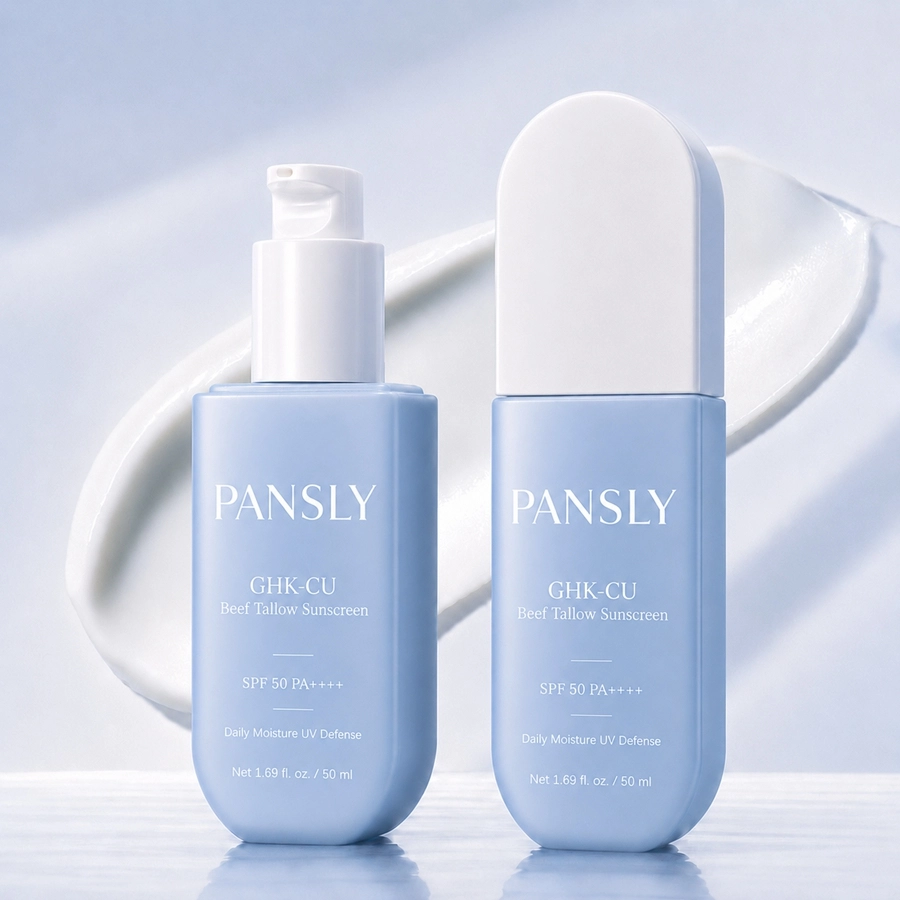
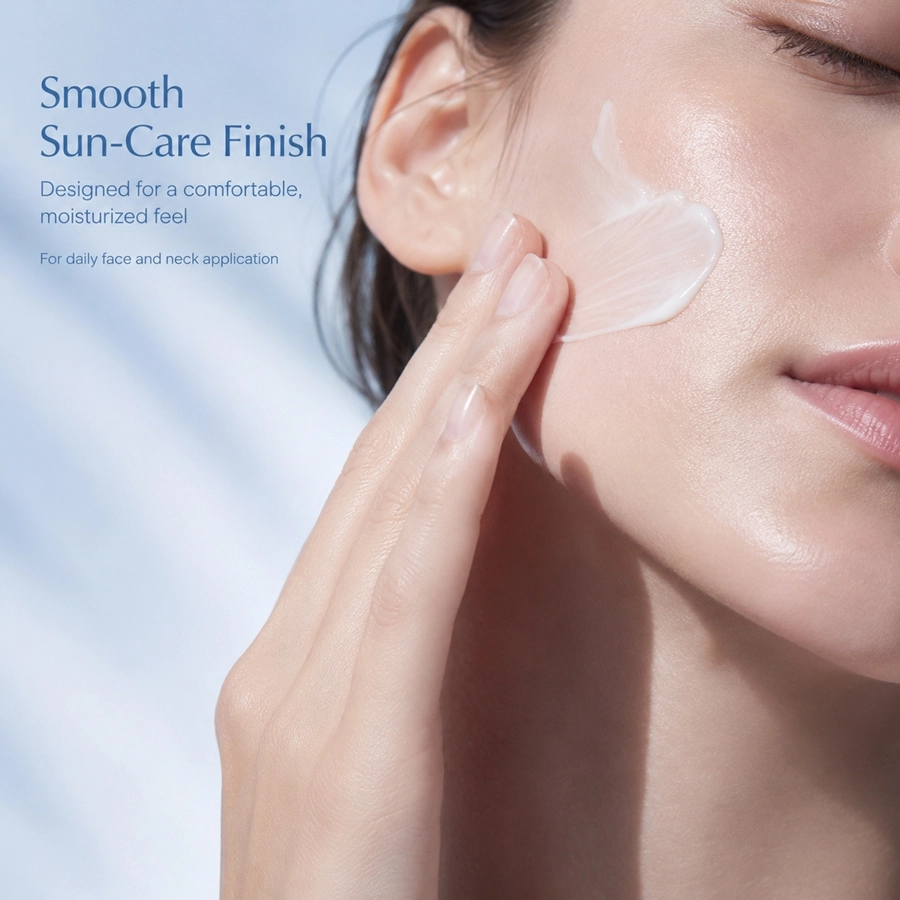
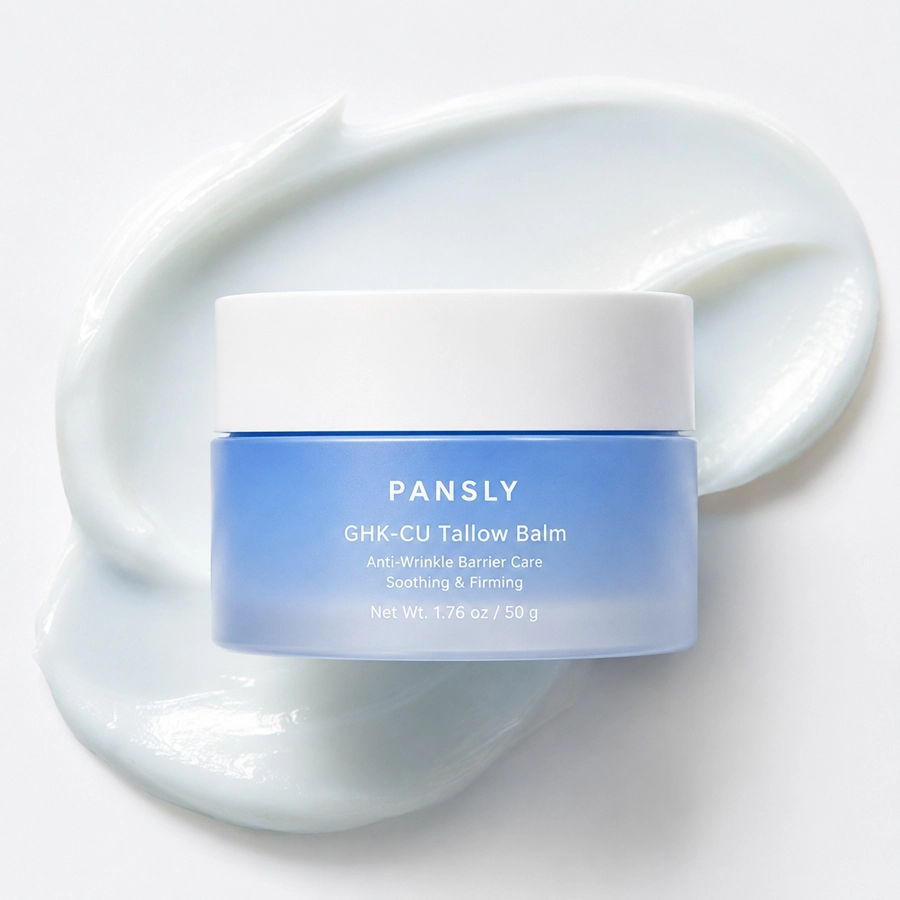
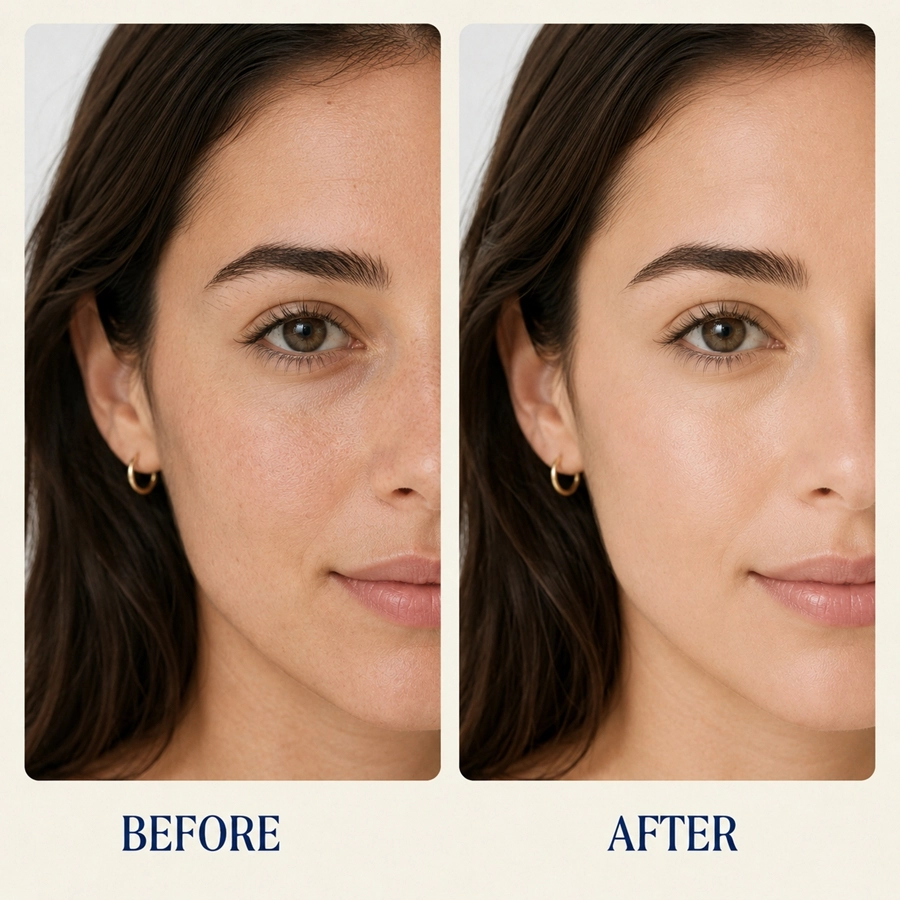
This Pansly GHK-CU Tallow Anti-Wrinkle Soothing & Firming Barrier Balm is multi-effect peptide nourishing balm for dry, uneven-textured skin, integrating firming lifting, fine line smoothing, barrier repair and soothing comfort. Full private label OEM service is supported, including formula customization, custom logo & label, jar color selection and fast sampling.
Five core premium active ingredients work synergistically for comprehensive skin care:
GHK-CU Copper Peptide lifts and firms saggy skin, visibly blurs fine lines and refines uneven dull complexion;
Grass-Fed Tallow delivers rich lipid nourishment to deeply relieve persistent dry rough skin;
Ceramide NP reinforces skin moisture barrier to lock nutrients and boost skin resilience;
Squalane melts lightly into skin to create silky soft long-lasting hydration;
Panthenol calms skin irritation, delivers instant soothing comfort for sensitive dry skin.
Silky light blue creamy balm texture spreads smoothly and absorbs rapidly without greasy residue. Daily use on face and neck firms loose contours, smooths dry fine lines, nourishes fragile skin and repairs damaged barrier, leaving skin even, plump and luminous with long-lasting soft comfort. Obvious improvement on rough dull texture after persistent use.
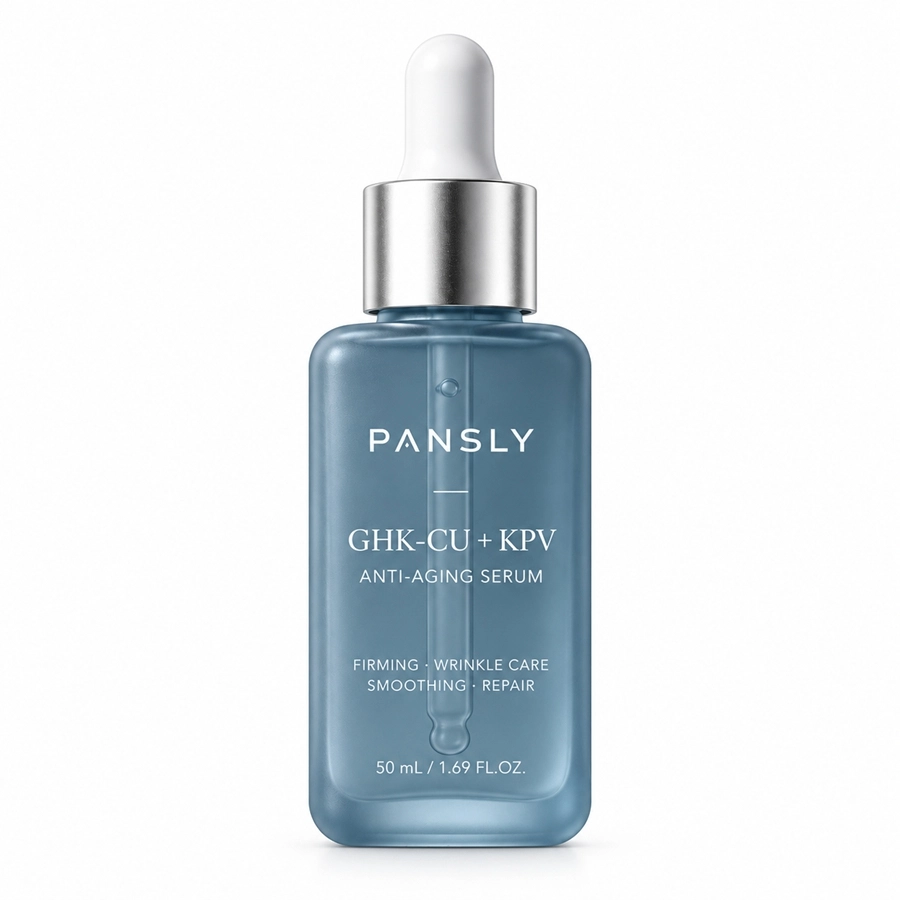
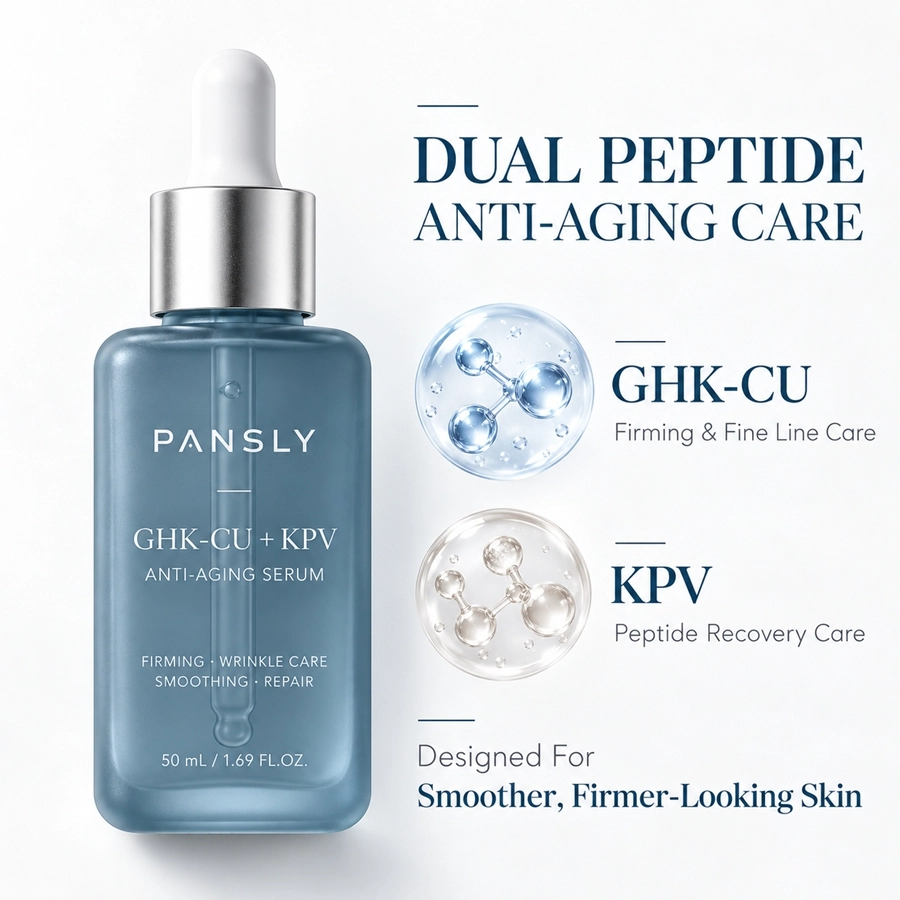
GHK-Cu KPV serum for skin is a private-label peptide face serum formulated for a firming, smoothing routine. This GHK-CU KPV Serum is positioned for wrinkle care and skin repair, making it a practical addition to an anti-aging skincare range.
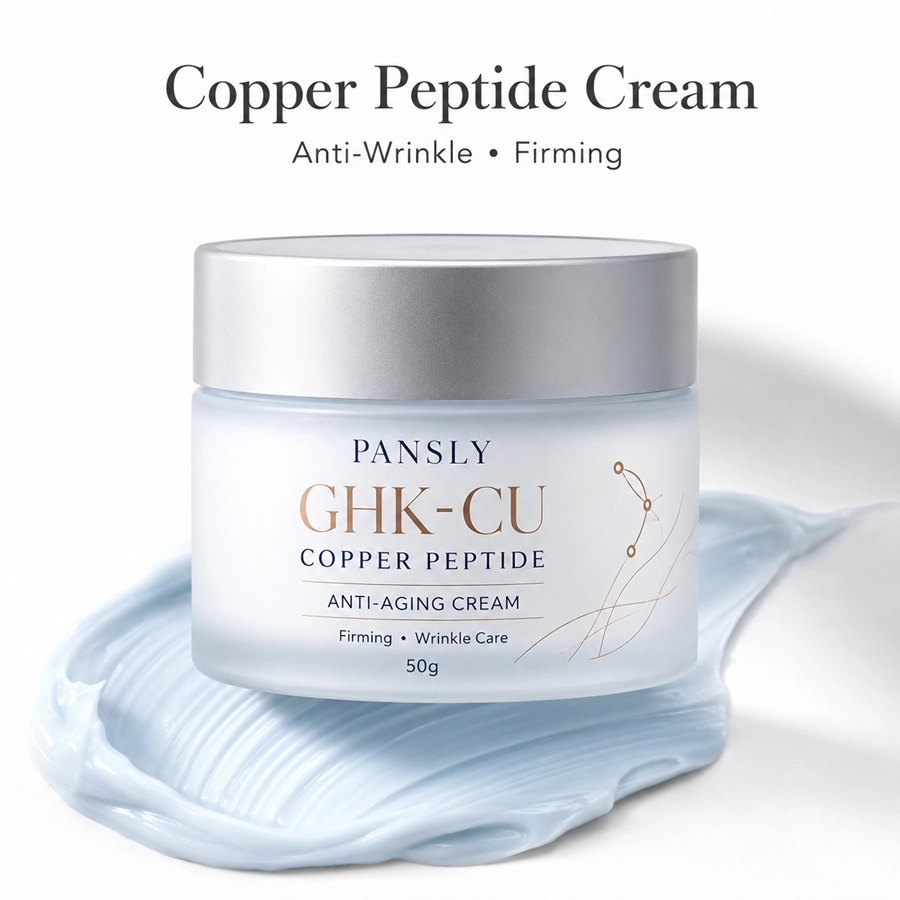
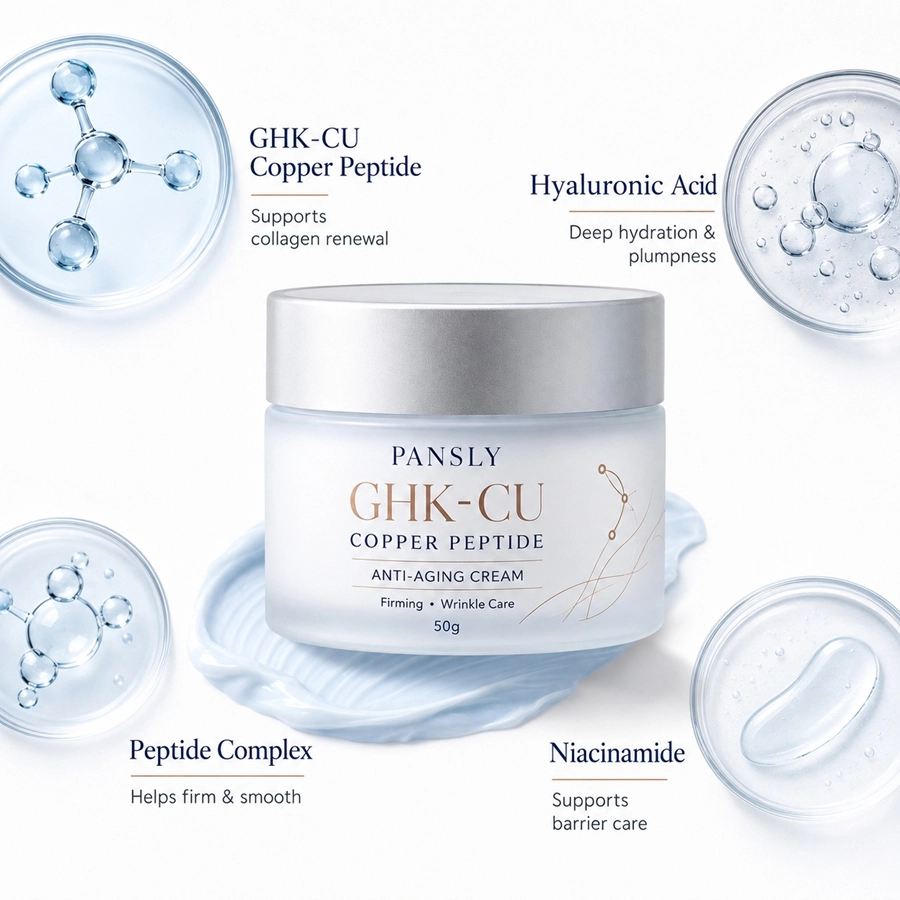
Get in Touch with us
If you have any comments or good suggestions, please leave us a message; later our professional staff will contact you as soon as possible.
Click here to customize the Beauty
we respond within a few hours
Monday–Friday, 9AM–6PM
3A01, Building A, Zhisheng Square, No. 4 Zhifu Road, Helong Street, Baiyun District, Guangzhou, China.


Leave a request, and we'll email you back within 24 hours.
© 2026 Beyond Basix. All Rights Reserved.
