Quick answer: PDRN and ceramides solve different product-development problems. PDRN can lead an active-focused serum story, while ceramides are better suited to a barrier-lipid system that can extend across serum, moisturizer and balm formats. Centella works as a soothing botanical partner rather than a substitute for ceramides. For private label development, the stronger direction depends on product role, texture, claims, packaging and how the SKU will expand into a wider range.
Two Barrier-Care Directions Can Build Two Very Different Brands
PDRN + Centella and ceramide-led skincare can both sit inside a barrier-care range, but they do not have to tell the same product story. For a beauty brand, that difference matters more than trying to declare one ingredient direction universally better.
PDRN + Centella can support an active-led soothing serum: a lightweight hero product with a contemporary ingredient story and room for sensitive-skin, hydration and recovery-oriented positioning. Ceramides create another route. They can anchor a barrier-lipid-led daily care system in which moisturization, comfort and routine consistency are central.
Both can become commercially useful private label concepts. The stronger choice depends on what the brand wants customers to remember, which format should lead the line, how much ingredient education the channel can support and what products are expected to follow the first launch.
There is also a third route: PDRN and ceramide can coexist in one barrier-focused serum. Combining a recognizable active story with familiar barrier-support language can create a clear product concept without forcing the portfolio into two competing camps.
PDRN + Centella Is an Active-Led Serum Story
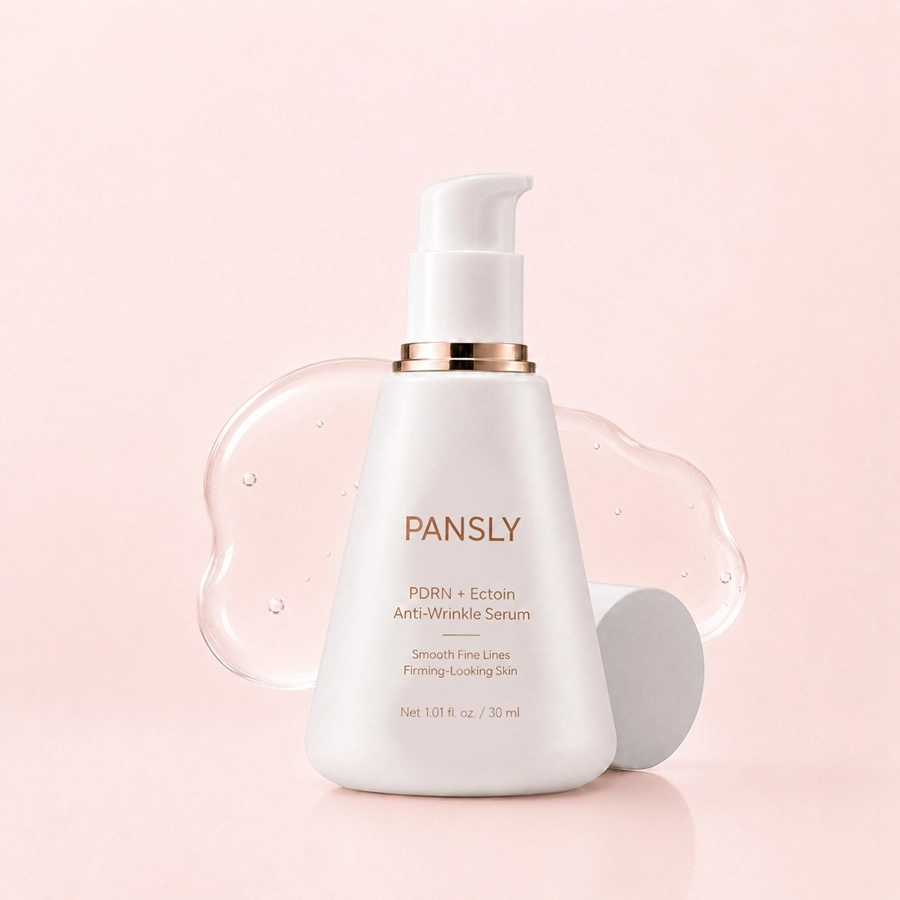
A PDRN + Centella soothing serum gives brands a concrete starting point for this direction. The formula concept combines a recognizable contemporary active with Centella Asiatica and a lightweight serum format, creating a product identity that can stand apart from a generic hydrating or barrier serum.
From a brand-development perspective, the value is the combination of an active-led story and a botanical cue customers can understand. PDRN can lead the product identity, while Centella supports a soothing-oriented skincare narrative.
The serum can carry the main ingredient education, campaign visuals and texture demonstrations. Hydration and daily comfort can support the story without competing for the headline.
Finished-product claims still need to follow the actual formula and available substantiation. Ingredient reputation should not be transferred automatically into promises for the final cosmetic product.
PDRN + Centella Direction
Private Label PDRN & Centella Asiatica Soothing Repair Serum
PDRNCentella AsiaticaHyaluronic Acid
A lightweight serum reference for brands that want barrier-care positioning to begin with a recognizable active-and-botanical story.
Ceramide Is Better Treated as a Barrier System, Not Just a Headline Active
Ceramides create a different product-development opportunity. Customers increasingly recognize the ingredient family, but the commercial value of a ceramide direction does not depend on turning ceramide into another trend ingredient.
A ceramide-led product can make the barrier itself the organizing idea. The brand can build around daily moisturization, dry or tight-feeling skin, comfortable textures and routine support. That direction can extend naturally into creams, richer moisturizers and balms as well as serum formats.
This makes ceramide particularly useful for brands that want the barrier-care story to expand beyond a single serum. The first product can establish the visual and sensory language, while later formats give customers different levels of richness and different positions in the routine.
If a brand specifically wants a ceramide serum, the format should have a clear reason to be a serum rather than simply borrowing a moisturizer ingredient story and putting it into a thinner base.
The Customer Remembers Different Things About Each Direction
PDRN + Centella gives the marketing team two recognizable names that can lead education. PDRN supplies the contemporary active story; Centella supplies a familiar soothing botanical cue. The combination can feel specialized even before the customer understands every supporting ingredient.
Ceramide has another advantage: the barrier connection is already intuitive to many skincare customers. The brand may need less explanation about why a ceramide moisturizer belongs in a dry-skin or barrier-focused routine.
That creates different content strategies. A PDRN + Centella launch can spend more time explaining the formula concept, serum texture and why the pairing exists. A ceramide-led launch can spend more time on routine, texture, layering and how the product fits with cleansing, serums and moisturization.
Neither approach needs to imitate the other. They attract attention through different product stories.
PDRN + Centella Can Work Well as a Hero Serum
For a new brand that wants one serum to introduce the business, PDRN + Centella has several useful characteristics. The pairing is specific enough to name, easy to distinguish from a basic hyaluronic acid serum and compatible with a lightweight product format.
The hero product can establish the brand's visual language. PDRN and Centella can appear in the naming hierarchy while packaging, texture and supporting cosmetic claims communicate the intended customer experience.
Future products can then expand from the hero rather than compete with it. A moisturizer can provide a richer barrier-care step. Eye care or masks can create targeted extensions when they fit the audience. A second serum should have a clearly different role instead of repeating the same soothing language.
This architecture is particularly useful for DTC and social commerce, where one recognizable SKU can carry a large share of launch content and give customers a clear entry point into the brand.
Ceramide Can Be Stronger When the Brand Wants a Daily Barrier Routine
A ceramide-led concept can be a strong structural fit when the brand wants to own daily barrier care rather than lead with one active-focused serum.
The line can begin with a serum, but it can also begin with a moisturizer because the ingredient story naturally supports richer formats. A cream can become the everyday anchor while a serum provides a lighter supporting step.
This gives the business flexibility. The brand can build a product ladder by texture and routine position: lightweight serum, daily cream and richer balm. Each product can share barrier language while remaining physically and commercially distinct.
The risk is sameness. If every product is simply described with identical barrier claims, the customer may not understand why several SKUs are necessary. Format, texture, supporting ingredients and use occasion need to separate them.
Texture Can Decide Which Concept Feels More Convincing
Barrier care is not communicated only through ingredients. Customers judge the concept through the way the product feels.
A PDRN + Centella serum may suit a lightweight, silky or essence-like experience that layers easily with moisturizer. That sensory profile can reinforce the idea of a specialized serum that fits into an existing routine.
A ceramide-led serum may also be lightweight, but the brand can decide whether it needs more cushion or a more emollient after-feel to reinforce the barrier-care identity. A ceramide cream or balm can take the sensory story further with a richer experience.
These are development targets rather than assumptions. The finished texture needs to be reviewed through samples, and the same ingredient name can behave very differently across formula systems.
Packaging Should Follow the Product Role
A PDRN + Centella hero serum can benefit from packaging that keeps the active-led identity visible. Dropper, pump or another suitable serum system can be considered depending on viscosity, dispensing, formula compatibility and brand direction.
A ceramide line may need a broader packaging family because the roadmap can include serum, cream and balm formats. In that case, visual consistency matters more than forcing every product into the same component.
Color, typography and naming can connect the range while each dispenser remains appropriate to the formula.
For both directions, compatibility should be checked with the actual formula and selected component. Packaging type alone should not be treated as evidence that a formula is protected or stable.
The Third Route: PDRN and Ceramide Can Live in the Same Serum
For brands that want to combine an active-led PDRN story with familiar barrier-care positioning, a PDRN + ceramide barrier serum creates another product-development route.
PDRN can provide a differentiated active identity while ceramide helps make the barrier-care direction easy to understand.
The challenge is hierarchy. If PDRN, ceramide and every supporting ingredient all receive equal headline treatment, the product becomes difficult to remember.
A hybrid serum still needs one clear lead. A brand might lead with PDRN barrier care and use ceramide as a supporting part of the formula story. Another project could lead with ceramide barrier support and use PDRN as a differentiating secondary active. The hierarchy should be intentional from the product brief onward.
Do Not Build Two Serums That Solve the Same Marketing Problem
If a brand launches both PDRN + Centella serum and ceramide serum, the products need separate reasons to exist.
The PDRN + Centella serum can be the specialized soothing-oriented hero with a lightweight active-led identity. The ceramide serum can be the daily barrier-support product with a simpler, routine-first story.
Texture can reinforce the difference. Packaging can reinforce it again. Product pages should explain distinct use occasions rather than copying the same soothing, hydrating and barrier language onto both SKUs.
Without that separation, the brand creates internal competition. Customers may see two similar bottles with similar claims and have little reason to understand the intended product ladder.
PDRN + Centella Gives Social Content More Ingredient Narrative
For brands that rely on educational social content, PDRN + Centella provides several storytelling layers. The brand can discuss the pairing, show serum texture, explain routine placement and connect the product to a broader sensitive-skin or comfort-focused collection.
Ingredient popularity can support discovery, but the customer still needs to understand why the finished serum belongs in the routine and how it differs from other barrier-care options.
Claims discipline is especially important when content moves quickly. Terms associated with clinical procedures, wound healing or medical recovery should not be casually transferred to a cosmetic serum. The brand should use language appropriate to the finished cosmetic product and target market.
Ceramide Gives Retail a Familiar Barrier-Care Cue
Ceramide can be easier to read quickly in retail because the ingredient is strongly associated with moisturization and barrier-support skincare in the consumer market.
That familiarity can reduce the amount of education needed on a small package or shelf card. The brand can focus more attention on texture, supporting ingredients and the format's role.
Familiarity also means competition. A ceramide product needs more than the ingredient name to distinguish itself. Formula architecture, pack, texture and supporting story need to make the product recognizably part of the brand.
Price Architecture Should Follow Differentiation
A brand may decide that a PDRN + Centella hero serum sits at a different retail position from a daily ceramide product. That can make sense when the formula, packaging, active story and channel support the distinction.
It should not be assumed that PDRN automatically means premium or that ceramide automatically means basic. A sophisticated ceramide system with premium packaging can occupy a higher position, while a streamlined PDRN reference may follow another commercial model.
Formula complexity, packaging, fill size, decoration, testing and order configuration all affect project economics. Retail pricing then depends on the brand's channel, margin structure and market.
Commercial terms are confirmed for each project rather than assigning a universal MOQ, cost or retail price to either direction.
PDRN + Centella Can Expand Into a Sensitive-Skin Product System
A PDRN + Centella sensitive-skin range can use the serum as the lightweight hero step while complementary formats extend the routine without repeating the same product role.
A moisturizer can provide a richer barrier-care step. A mask can create an occasional-care format when it fits the brand. Eye care can become a targeted extension for a different routine area.
The product family can remain connected through visual identity and soothing-oriented positioning, while texture and use occasion keep the SKUs distinct.
This creates a more coherent range than adding several serums simply because they contain different trending ingredients.
A Ceramide Range Can Expand by Texture
Ceramide-led barrier care has another natural expansion path: texture.
A lightweight serum can serve customers who prefer layering. A daily cream can become the central moisturizer. A richer balm can address customers who prefer a more substantial sensory experience.
This architecture allows the brand to maintain one barrier identity while giving customers clear format choices. It can also support seasonal merchandising without requiring every product to have a completely different ingredient story.
The product roles should remain visible in naming and packaging so the customer understands why the serum, cream and balm belong together but are not interchangeable.
Sampling Should Test the Positioning, Not Only the Formula
When comparing PDRN + Centella and ceramide directions, sample evaluation should reflect the intended product role.
For the PDRN + Centella serum, the brand may care about lightweight spread, fast absorption, low tack and comfortable layering. For a ceramide-led serum, it may want more cushion or a particular after-feel. For a ceramide cream, richness and finish become another part of the evaluation.
The sample should also be reviewed with the intended package when practical. Dispensing behavior changes how the customer experiences the formula.
Feedback should be specific. Requests such as less tack, more cushion, faster absorption or a richer after-feel give the development team a clearer target than broad sensory descriptions.
Claims Need Separate Evidence Even When the Products Share a Category
Barrier care is a useful commercial category, but it does not mean every product can use the same evidence or claims.
PDRN + Centella serum, ceramide serum and ceramide cream are different finished products. Ingredient supplier data, literature and finished-product testing should not be treated as interchangeable.
For sensitive-skin positioning, the brand should also avoid assuming that an ingredient associated with soothing automatically makes the final formula suitable for every sensitive consumer. The complete formula, preservation, fragrance strategy, use directions and testing all matter.
Clearer claims can improve differentiation. The PDRN + Centella product does not need to copy every ceramide barrier claim, and the ceramide product does not need to imitate the PDRN active story.
The Private Label Brief Should Describe the Brand Route
A useful barrier-care development brief goes beyond deciding which ingredient name should appear on the front label.
Useful inputs include the target customer, primary sales channel, desired hero product, preferred texture, packaging references, target market, claims priorities, existing products and future range plans.
For a PDRN + Centella project, the brief should clarify whether the serum is intended to be the hero SKU and how strongly the active pairing should lead. For a ceramide direction, the business should decide whether it is committed to serum or open to cream and balm formats that may fit the barrier architecture differently.
For a hybrid PDRN + ceramide concept, the brief should define which story leads and which ingredients support it.
Commercial terms, final formula, packaging and customization scope are confirmed for the individual project.
Choose the Direction That Gives the Brand a Clearer Product System
PDRN + Centella and ceramide are not two versions of the same barrier-care idea.
PDRN + Centella is particularly useful when a brand wants a recognizable, active-led serum with soothing and hydration-oriented positioning. Ceramide is particularly useful when the business wants barrier support to become the organizing principle of a broader daily-care range across serum, cream or balm formats.
A hybrid PDRN + ceramide serum can also make sense when the brand wants the differentiation of PDRN and the familiarity of ceramide within one product, provided the message has a clear hierarchy.
The commercial decision comes back to product architecture: what customers should remember first, which SKU should lead, what product should come next and how texture, packaging and claims will keep those products distinct.
Beyond Basix can translate that product architecture into the formula, sensory, packaging and production brief for the private label project, giving the brand a clear first product and coherent room to grow.