
Is a PDRN Ectoin Cream Better Positioned for Anti-Aging or Sensitive Skin?
Quick Answer
A PDRN ectoin face cream is generally better positioned for sensitive-skin care, with anti-aging as a secondary claim pathway unless substantiated by testing. Selection should prioritize ectoin and PDRN quality, preservative and fragrance strategy, texture, claim evidence, and target-market rules. Beyond Basix can support OEM/ODM development, but the final solution depends on project specifications and testing.
How Beyond Basix Supports Projects
Beyond Basix supports skincare brands through custom formulation, OEM/ODM production, and manufacturing coordination within its 12,000-square-meter facility. Its experience developing effective-ingredient skincare products can help brands compare a barrier-support positioning with a more structured anti-aging concept. Relevant documentation may include ISO 9001, GMP, MSDS, and other applicable certification materials.
Buyers should confirm the PDRN source and specification, ectoin level, fragrance and preservative approach, packaging compatibility, intended claims, target market, and testing scope. MOQ, lead time, testing scope, and quotation must be confirmed for each project. Beyond Basix can then align formulation samples and production planning with the agreed brief.
Discuss Your PDRN Ectoin Cream Positioning
Share your target market, consumer profile, desired skin concern, claim direction, packaging format, target order quantity, and launch schedule. These details allow discussion of suitable formulation options, sample evaluation, testing priorities, compliance documentation, MOQ, lead time, and quotation. Visit www.beyondbasixcosmetics.com or email Lily@lanthome.com to discuss your project with Beyond Basix.
FAQ
How should brands position PDRN ectoin cream for sensitive skin?
For most new brands, sensitive-skin positioning is the more defensible starting point because ectoin is an extremolyte associated with cellular protection and osmotic balance, while PDRN topical evidence is still developing and varies by molecular specification, delivery system, and study design. Positioning should focus on comfort, hydration, and support for a stressed skin barrier rather than implying treatment of a dermatological condition. A fragrance-free or low-irritant design may support the concept, but it does not automatically make a product suitable for every sensitive-skin consumer. Brands should define the intended user group, assess the complete formula rather than isolated ingredients, and substantiate tolerance through appropriate testing. Claims must also follow the cosmetic regulations of the destination market. The ingredient story should therefore be clear but restrained: ectoin can support the barrier-oriented narrative, while PDRN may add a repair-inspired or revitalizing story only where evidence supports the wording.
Does PDRN ectoin cream deliver measurable anti-aging benefits?
It may support an anti-aging concept, but the claim should not be inferred simply from the presence of PDRN and ectoin. Visible wrinkle reduction, firmness, elasticity, and radiance are finished-product claims that require suitable instrumental or evaluator-based testing under defined conditions. PDRN is commonly discussed in relation to skin regeneration and tissue-repair research, yet topical cosmetic performance depends on concentration, purity, molecular characteristics, vehicle design, and skin penetration. Ectoin is better established as a protective and moisturizing support ingredient than as a direct wrinkle-treatment active. A responsible development program can use anti-aging language such as improving the appearance of dryness-related lines or supporting smoother-looking skin if the formula and study results justify it. Brands should avoid presenting a topical cosmetic as equivalent to injectable polynucleotide procedures, because route of administration, dosage, evidence, and regulatory status are materially different.
Which formulation tests matter before launching a sensitive-skin cream?
A sensitive-skin product requires evaluation of the finished formula, not just raw-material certificates. Common development priorities include stability testing under relevant storage conditions, packaging compatibility, preservative efficacy where applicable, microbiological quality, and a controlled human tolerance assessment. Patch testing can identify local irritation potential, but its protocol and interpretation should be assigned to a qualified testing organization. If the product is intended for use around the eyes, an additional eye-area suitability assessment may be appropriate. Testing should also consider the formula’s pH, fragrance or essential-oil content, surfactant exposure, solvent system, and the risk profile of the preservative blend. No single test proves universal suitability for sensitive skin. Results should be connected to precise claims and the regulatory expectations of the intended market. A conservative claim set supported by finished-product evidence is generally stronger than a broad claim based only on ingredient reputation.
Can ectoin improve tolerance in a PDRN anti-aging formula?
Ectoin can contribute to a barrier-support and hydration strategy, which may help a formula feel more comfortable, but it should not be treated as an antidote to an irritating formulation. Overall tolerance is influenced by the complete composition, including acids, retinoids, alcohol, fragrance materials, preservatives, pH, packaging, and application frequency. Combining ectoin with PDRN does not automatically make an anti-aging product suitable for reactive skin. Developers should first control avoidable irritation sources, then assess the finished product through stability, compatibility, and human tolerance work. The sensory profile also matters: excessive tack, heavy occlusion, or pilling can reduce consumer acceptance even when laboratory data are favorable. If anti-aging actives are added, the brief should specify intended use frequency and consumer instructions. Ectoin can strengthen the product rationale, but the evidence must relate to the final formula rather than to the ingredient in isolation.
What claims can brands substantiate for PDRN ectoin skincare?
Claim language should reflect the evidence available for the finished cosmetic and the rules of the target jurisdiction. Suitable possibilities may include moisturizing, helping skin feel comfortable, supporting the appearance of a healthy barrier, or improving the look of dryness-related fine lines when supported by appropriate testing. Stronger statements about regeneration, wound healing, cellular repair, collagen production, or treatment of inflammation can create regulatory risk because they may imply drug or medical effects. The term PDRN itself also requires careful documentation: brands should know the source, identity, purity specification, and supplier evidence before building a marketing narrative. Consumer-facing wording should distinguish cosmetic appearance benefits from clinical treatment outcomes. Before artwork approval, regulatory review should assess product name, website copy, packaging, social content, before-and-after imagery, and influencer claims together. A compliant claim is not determined by one sentence alone; the overall presentation and implied consumer takeaway are relevant.
How do MOQ and testing affect a custom cream launch?
MOQ and testing influence one another because a more customized formula, package, or claim program can require additional development work before bulk production. Brands should define the target market, formula concept, packaging type, estimated annual demand, launch timing, and required evidence before requesting a quotation. A low initial quantity may be feasible for some projects but can be affected by raw-material purchasing, packaging minimums, filling arrangements, and production scheduling. Testing costs also vary according to the destination market, claim strength, package, formula complexity, and whether the buyer needs stability, microbiology, preservative efficacy, compatibility, safety, or consumer-use data. Lead time should be separated into formulation samples, revisions, testing, packaging preparation, production, and shipment. Buyers should request a project-specific commercial plan rather than assuming that one standard MOQ or timeline applies to every cream. Clear specifications reduce revision cycles and make the eventual bulk-order decision more predictable.
Related Articles for Private Label Cosmetics

Why Two Mineral Sunscreens With the Same SPF Can Feel Completely Different

Beyond Ordinary Tallow Balm: How GHK-Cu and SNAP-8 Create a Different Skincare Story

When Blue Copper Peptides Meet Beef Tallow: A New Direction for Premium Skincare

PDRN Toner Pads vs GHK-Cu + SNAP-8 Peptide Toner Pads: Private Label Manufacturing Decisions
You May Also Like
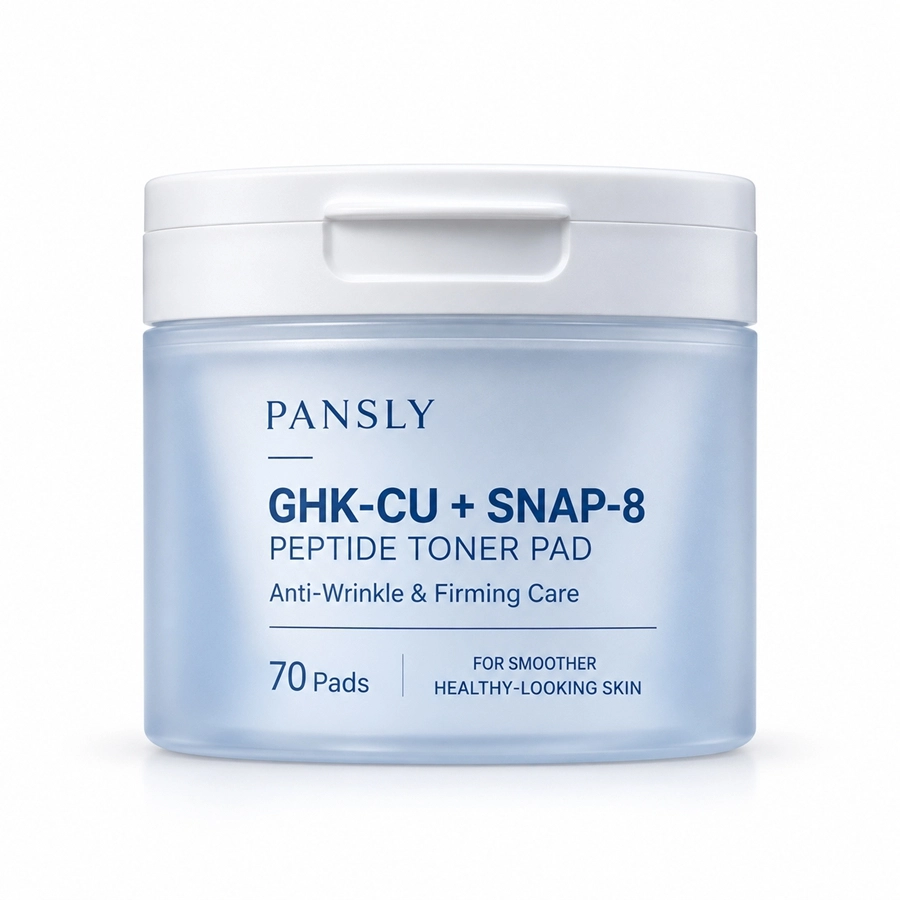
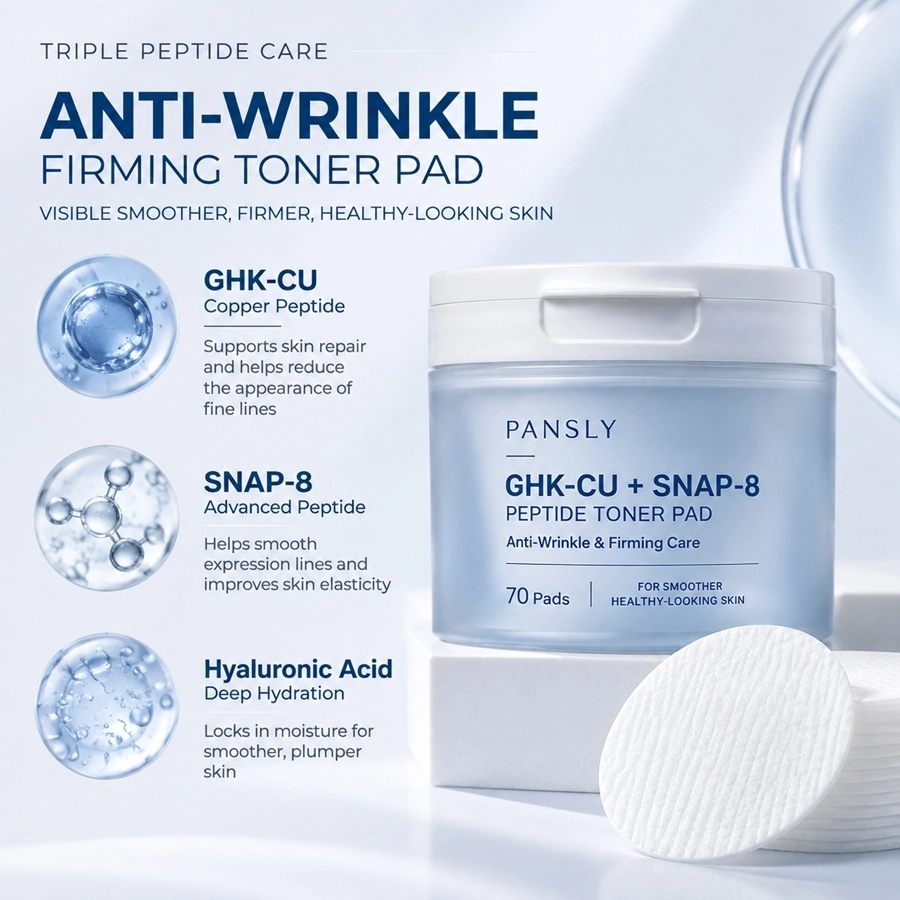
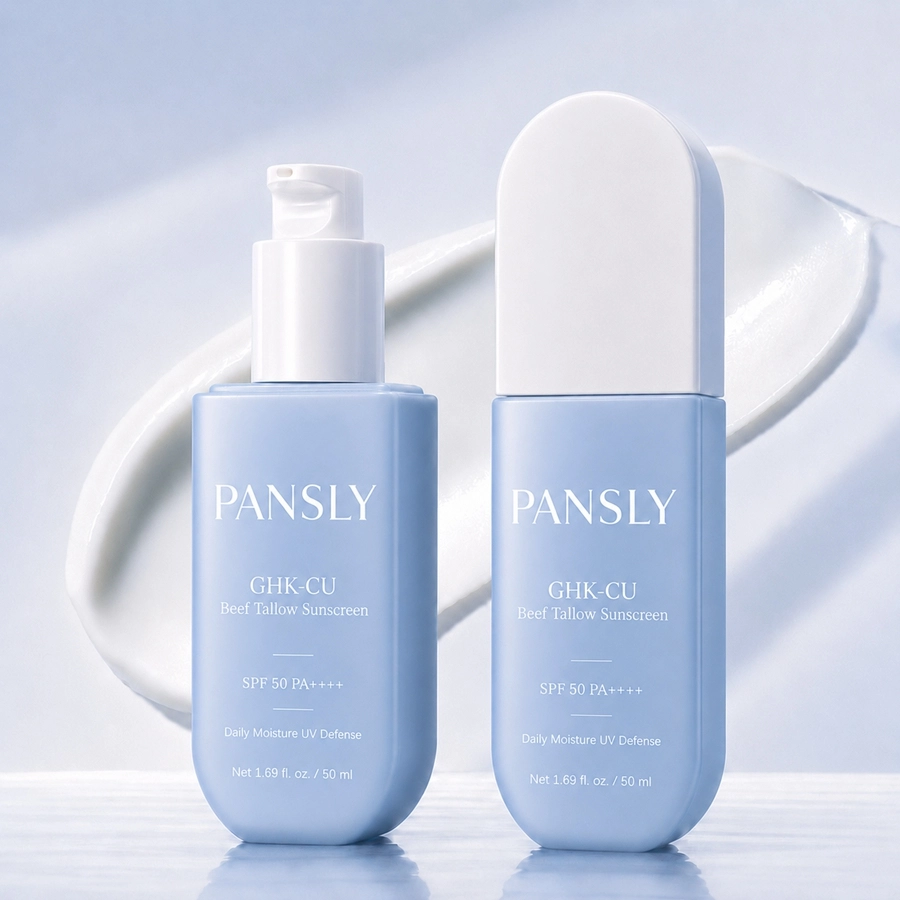
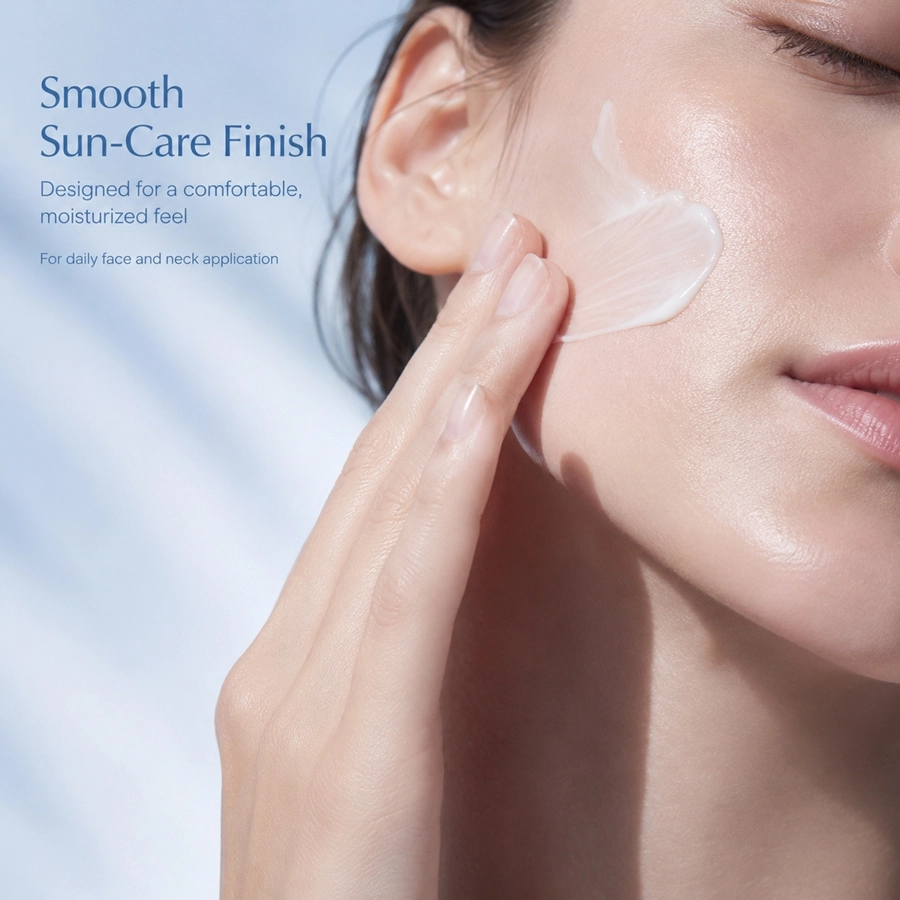
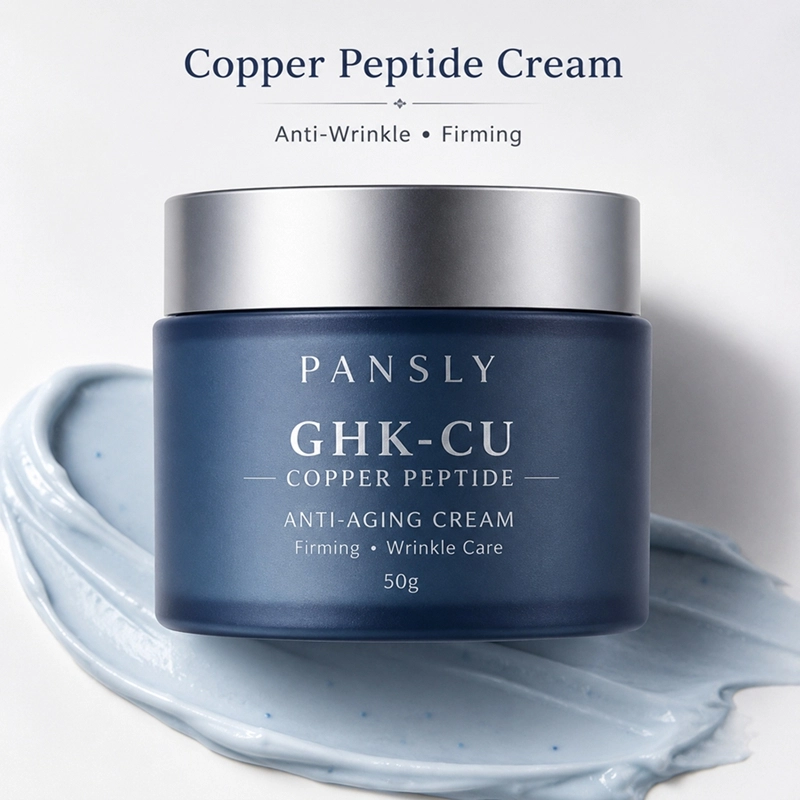
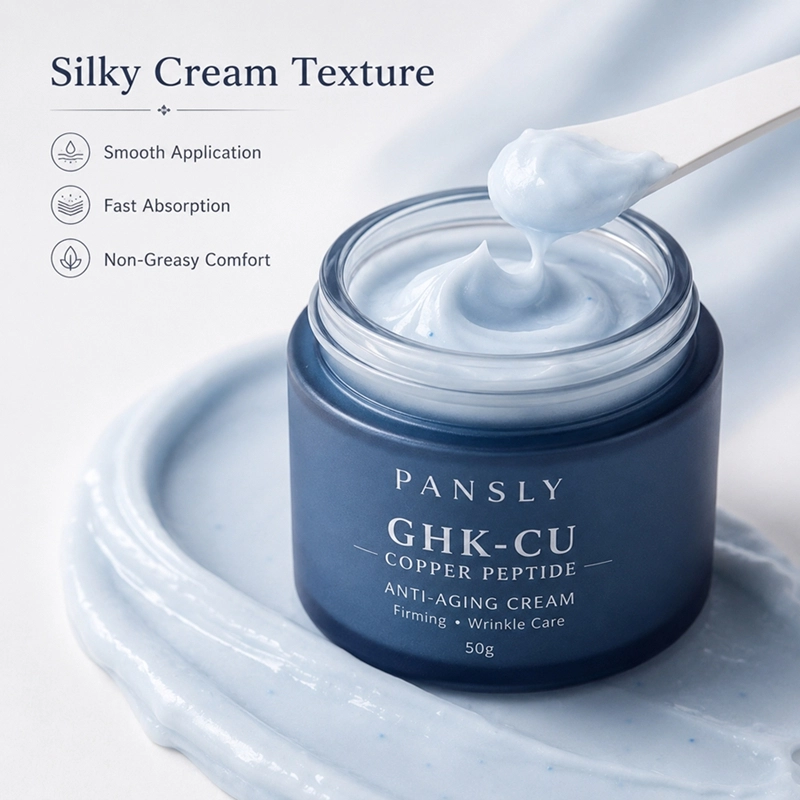
GHK-Cu Face Cream, a copper peptide anti-aging formula, hydrates deeply and supports skin barrier repair. Private label available for bulk orders, giving brands a ready-to-sell moisturizer with a blue copper peptide base for smoother-looking skin.
Get in Touch with us
If you have any comments or good suggestions, please leave us a message; later our professional staff will contact you as soon as possible.
Click here to customize the Beauty
we respond within a few hours
Monday–Friday, 9AM–6PM
3A01, Building A, Zhisheng Square, No. 4 Zhifu Road, Helong Street, Baiyun District, Guangzhou, China.


Leave a request, and we'll email you back within 24 hours.
© 2026 Beyond Basix. All Rights Reserved.
