How Can Brands Differentiate a PDRN Ectoin Cream From Basic Ceramide Moisturizers?
Quick Answer
A pdrn ectoin face cream should be differentiated through substantiated skin-conditioning, environmental-stress, and barrier-support positioning rather than by simply adding more ingredients to a ceramide moisturizer. Beyond Basix can support this distinction through custom formulation and OEM/ODM development, with decisions guided by ingredient documentation, claim strategy, formula stability, packaging compatibility, and target-market requirements. Final solutions depend on the specific project, testing plan, and site conditions.
How Beyond Basix Supports Projects
Beyond Basix Cosmetics Ltd. develops skincare products with effective ingredients and provides OEM/ODM support for brands evaluating advanced facial creams. Its 12,000-square-meter facility includes a 100,000-level GMPC pharmaceutical-grade dust-free workshop and 12 production lines, supporting formulation development, production planning, and quality-control coordination for suitable projects.
For a PDRN-and-ectoin concept, buyers should confirm ingredient specifications, target claims, dosage range, sensory profile, packaging format, stability requirements, and regulatory market. MOQ, lead time, testing scope, and quotation must be confirmed per project. Applicable documentation and certifications, including ISO 9001, GMP, HALAL, CE, or MSDS materials, should also be matched to the product and destination market.
Discuss Your PDRN Ectoin Cream Project
Share your target market, customer profile, intended claims, preferred texture, packaging type, estimated order volume, and required launch timing so suitable formulation options and sample steps can be discussed. Visit www.beyondbasixcosmetics.com or email Lily@lanthome.com to turn your concept into a project-specific skincare development plan.
Deep-Dive FAQs
How does PDRN ectoin differ from ceramide moisturization claims?
Ceramides are skin-identical or skin-related lipids commonly used to support the stratum corneum’s intercellular lipid structure and reduce moisture loss when used in an appropriate formula. Ectoin is a small-molecule extremolyte that helps protect cellular structures and manage osmotic stress; in topical products, it is generally positioned around hydration and environmental-stress support. PDRN is a polynucleotide material whose cosmetic relevance depends strongly on source, purification, molecular profile, and permitted claims. The commercial distinction is therefore not that one ingredient replaces the others. A credible product architecture explains their separate roles: ceramides for barrier-lipid support, ectoin for moisture and stress-related positioning, and PDRN only for claims supported by the ingredient dossier and applicable regulations. Brands should avoid presenting cosmetic use as tissue regeneration or medical repair without the legal basis and evidence required in the target market.
Which PDRN source and assay data should brands request?
A buyer should request the ingredient’s INCI name, biological source, manufacturing description, purification controls, molecular-weight or chain-profile information where available, residual-solvent and microbiological specifications, heavy-metal limits, allergen information, and certificate of analysis. The supplier should also clarify whether the material is intended for cosmetic topical use and provide recommended storage conditions. An assay value alone does not establish finished-product performance: the test method, reference standard, batch identity, and acceptance range matter. Brands should compare supplier documentation with the formula’s pH, preservation system, heat exposure, and filling process. Claims should then be selected from finished-product evidence rather than inferred from a raw-material brochure. Regulatory review is essential because PDRN terminology and acceptable claims can differ across markets.
Can ectoin improve a cream’s barrier positioning beyond ceramides?
Ectoin can give a formula a different barrier-support narrative, but it should not be described as a substitute for the lipid-replenishment role associated with ceramides. As an extremolyte, ectoin is used in topical products for hydration and protection against environmental stressors; its value depends on concentration, delivery system, formula compatibility, and substantiation. A differentiated brief might position ectoin around dryness caused by urban exposure, climate variation, or repeated cleansing, while ceramides address the moisturizer’s lipid-support foundation. The wording should remain cosmetic and evidence-led, such as helping skin feel hydrated, comfortable, or less tight. Instrumental hydration, transepidermal water-loss, irritation, or consumer-use studies may help support the selected claims, but test design and interpretation must be reviewed for the intended market.
What testing separates repair claims from ordinary hydration claims?
Basic hydration evidence may include corneometry, moisture-content measurements, or controlled user assessments, but these results do not automatically substantiate repair, regeneration, or treatment claims. Barrier-oriented positioning can be explored with transepidermal water-loss measurements, controlled cleansing or irritant-challenge models, visual grading, and validated self-assessment questionnaires. The protocol should define the population, comparator, application frequency, duration, environmental controls, statistical method, and primary endpoint before testing begins. A split-face or randomized controlled design can improve interpretability when appropriate. Brands should also distinguish raw-material studies from finished-formula studies: supplier data can inform ingredient selection, while the marketed cream requires evidence relevant to its final composition. Claims must be screened against the advertising and cosmetic regulations of each destination market.
How should brands compare formulas, texture, and consumer tolerance?
Ingredient labels alone cannot predict sensory quality or suitability for sensitive-skin positioning. Compare the complete formula’s emulsion type, oil phase, humectants, film formers, fragrance, preservatives, pH, viscosity, spreadability, residue, and compatibility with sunscreen or makeup. A PDRN-and-ectoin cream may justify a more treatment-oriented story, but consumers still judge immediate slip, absorption, tack, pilling, and comfort. Basic ceramide products can perform strongly when their lipid balance and vehicle are well designed, so differentiation should not rely on disparaging them. Use stability checks, packaging interaction reviews, repeat-insult or tolerance assessments where appropriate, and structured consumer feedback. The final benchmark should connect sensory results to the target user, climate, routine, and claim language rather than treating a premium ingredient list as proof of superior performance.
Which packaging choices protect PDRN and ectoin during retail?
Packaging selection should follow the finished formula’s stability profile rather than a generic premium appearance. The development team should assess light, oxygen, temperature, repeated opening, headspace, dispensing accuracy, and contamination risk. An airless pump may reduce repeated exposure compared with an open jar, but its suitability depends on viscosity, priming behavior, component compatibility, and filling performance. Stability testing should use the proposed primary pack and evaluate appearance, odor, pH, viscosity, microbiological quality, active-marker or ingredient-related data where a validated method exists, and container closure performance. Storage instructions should reflect the evidence generated. Brands should also confirm recyclability, transport conditions, labeling space, and market-specific packaging rules. PDRN or ectoin cannot be assumed to remain unchanged simply because the product appears stable, so supplier specifications and finished-product testing should be reviewed together.
Related Articles for Private Label Cosmetics
Why Two Mineral Sunscreens With the Same SPF Can Feel Completely Different
Beyond Ordinary Tallow Balm: How GHK-Cu and SNAP-8 Create a Different Skincare Story
When Blue Copper Peptides Meet Beef Tallow: A New Direction for Premium Skincare
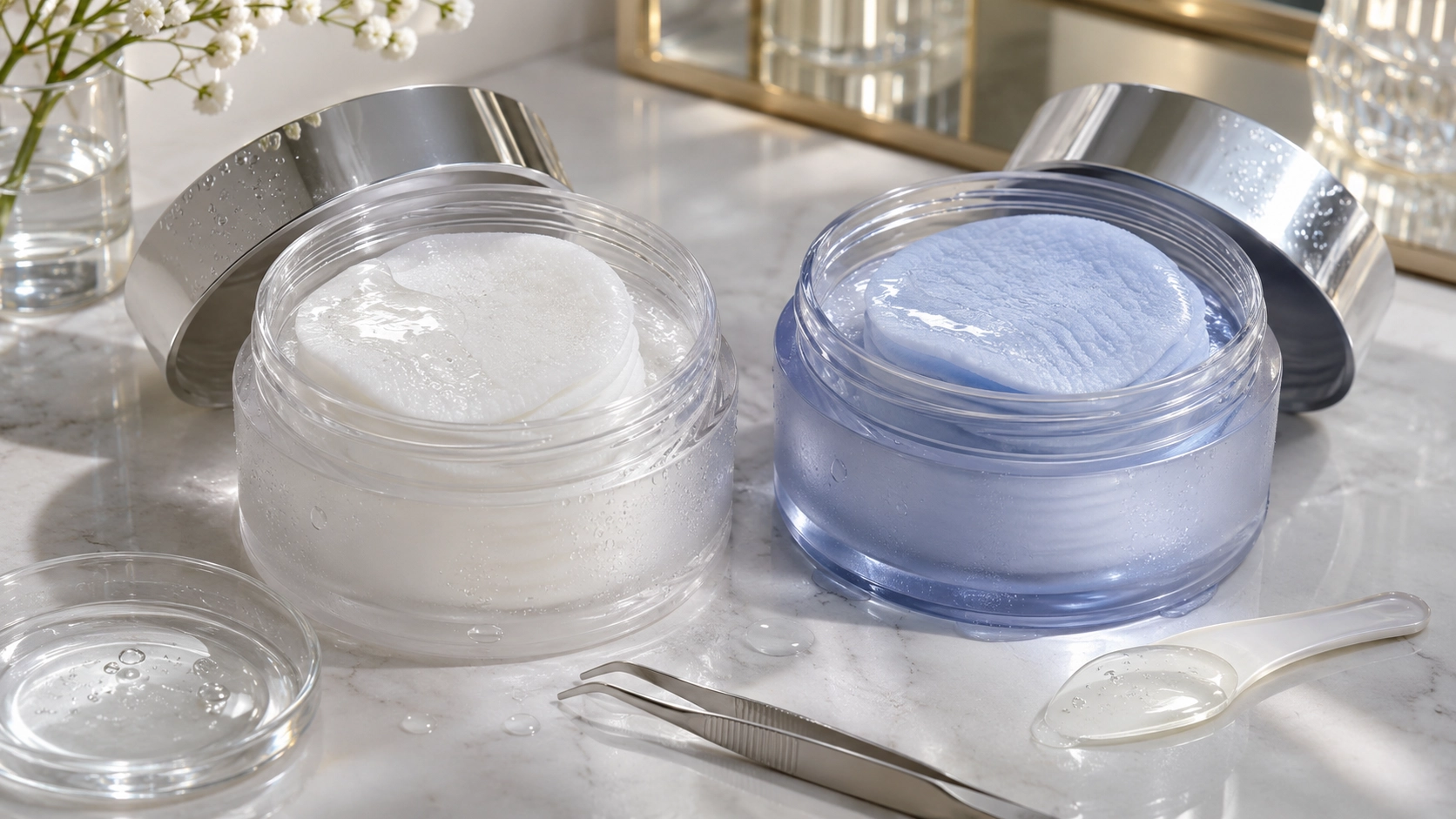
PDRN Toner Pads vs GHK-Cu + SNAP-8 Peptide Toner Pads: Private Label Manufacturing Decisions
You May Also Like
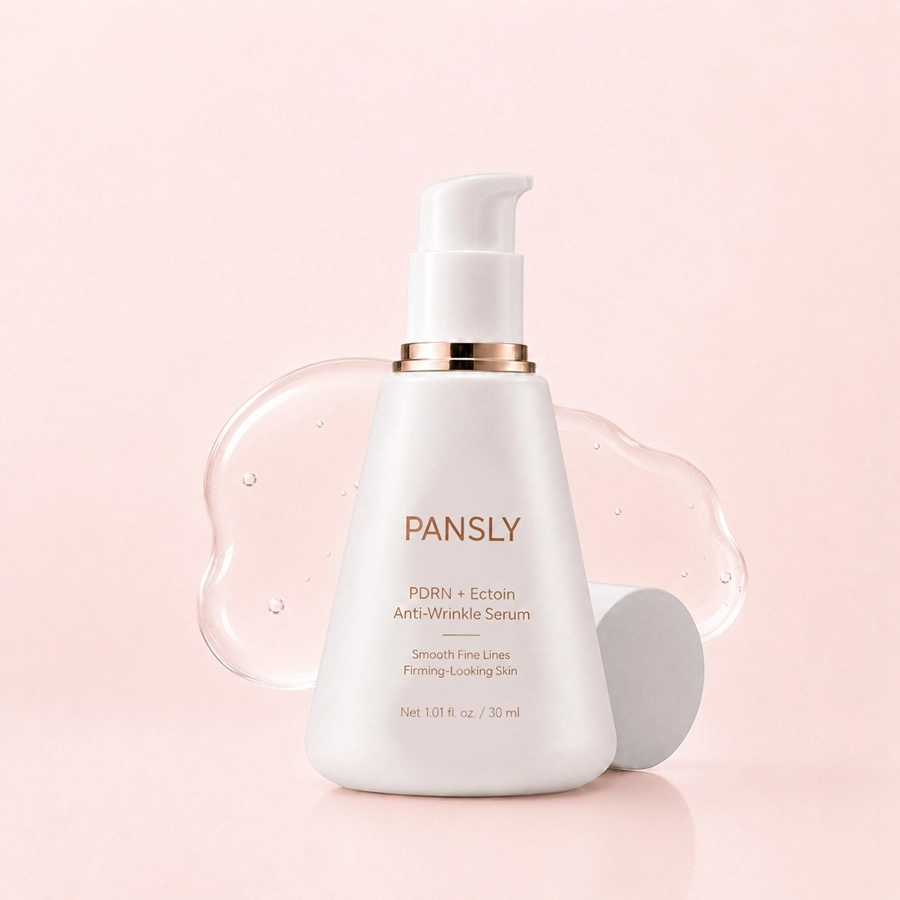
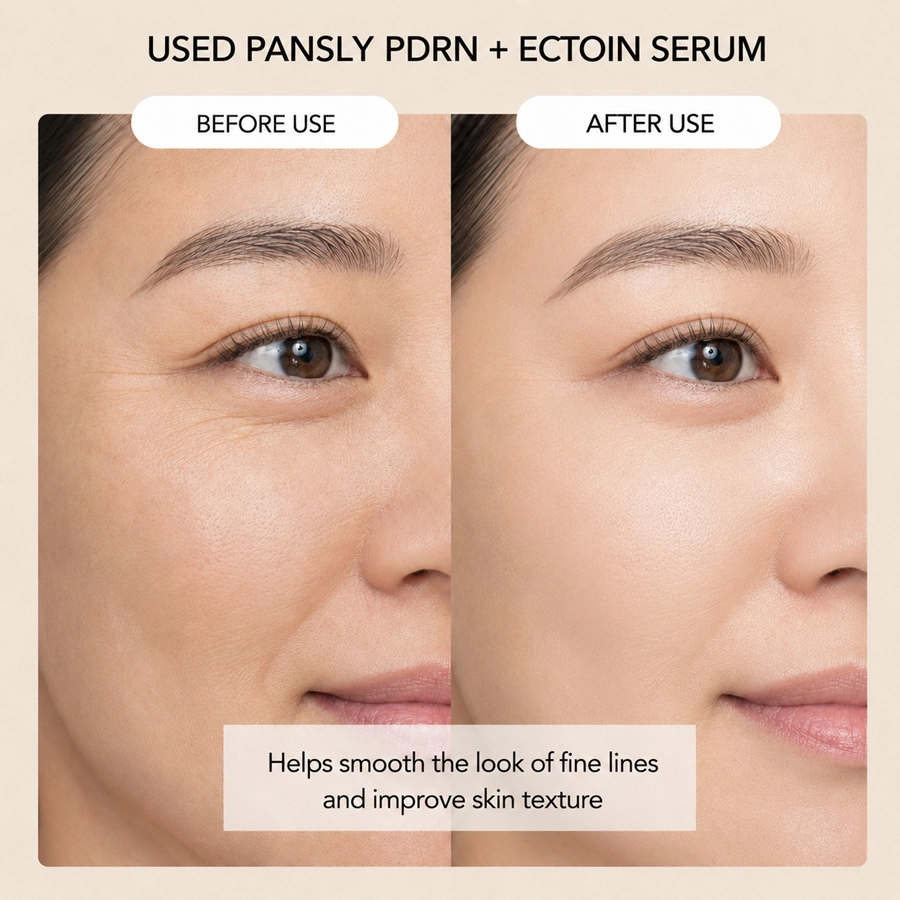
This Pansly PDRN + Ectoin Anti-Wrinkle Serum is lightweight daily anti-aging essence targeting fine lines, dryness and sensitive stressed skin.
Powered by triple core active ingredients: PDRN delivers anti-wrinkle care to visibly smooth the appearance of fine lines and lift skin for firmer contour; Ectoin reinforces skin moisture barrier, relieves discomfort and maintains long-term skin comfort; Hyaluronic Acid provides lasting lightweight hydration to keep skin fresh and silky smooth all day.
With fresh, fast-absorbing non-sticky serum texture, it fits morning & night daily routine. After consistent use, it refines uneven rough texture, fades visible dry lines and restores soft, youthful resilient complexion. Simple 3-step application for easy home skincare.
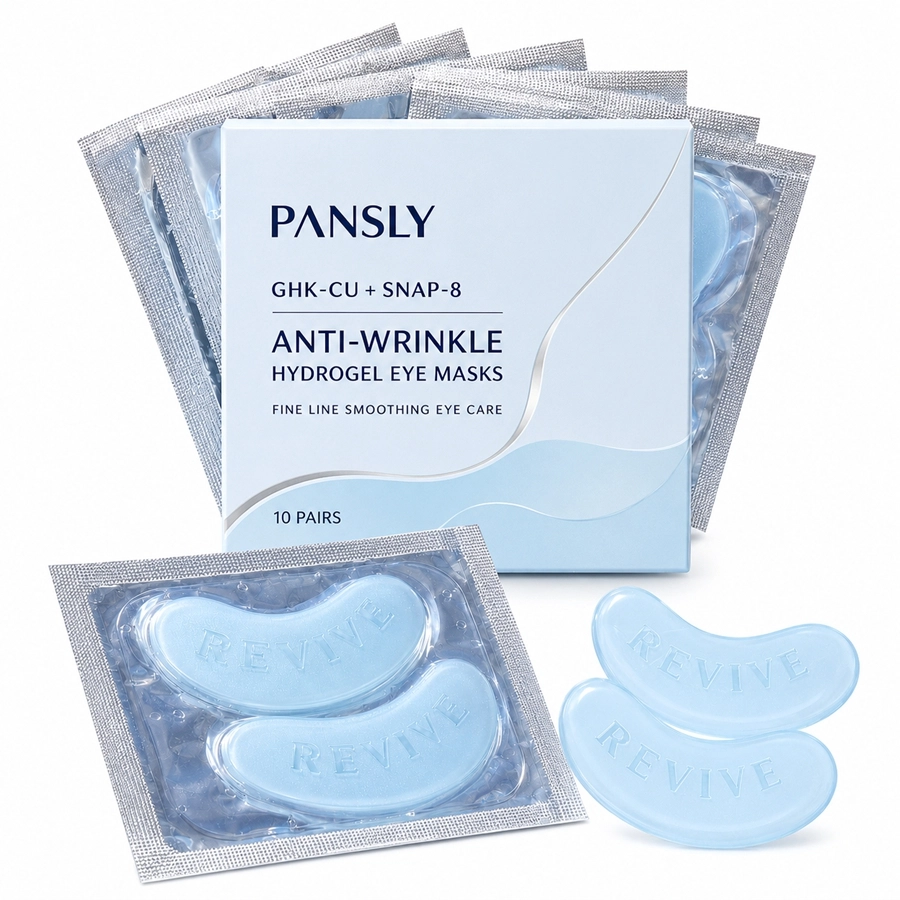
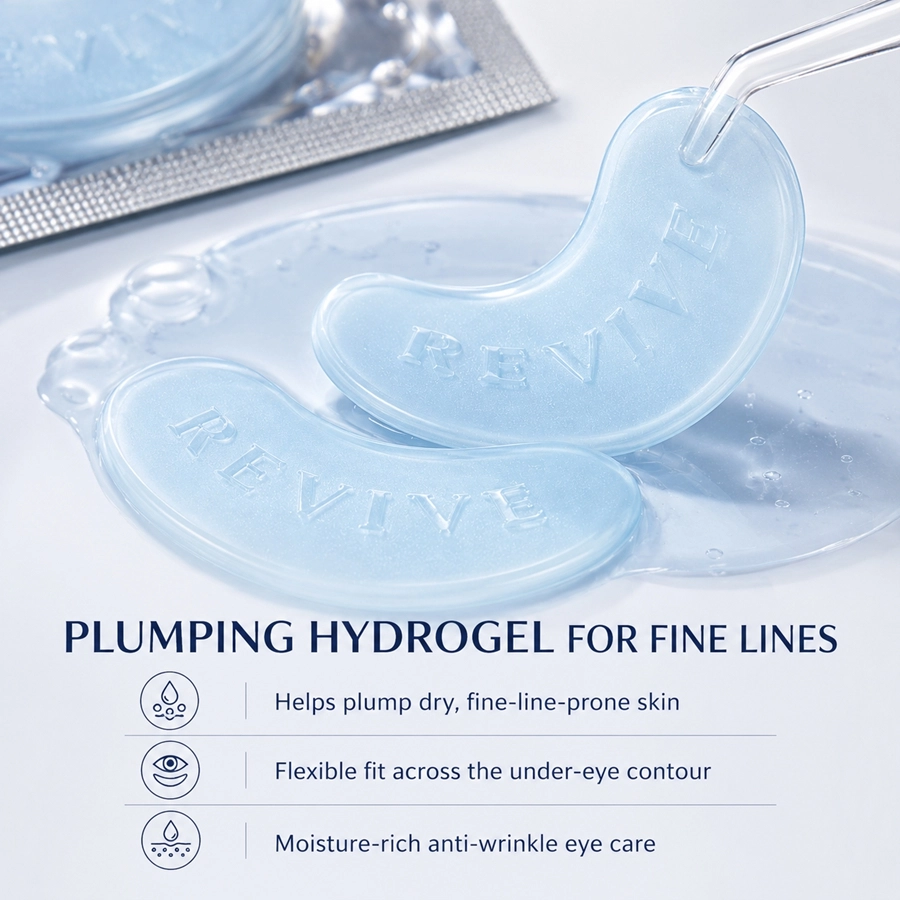
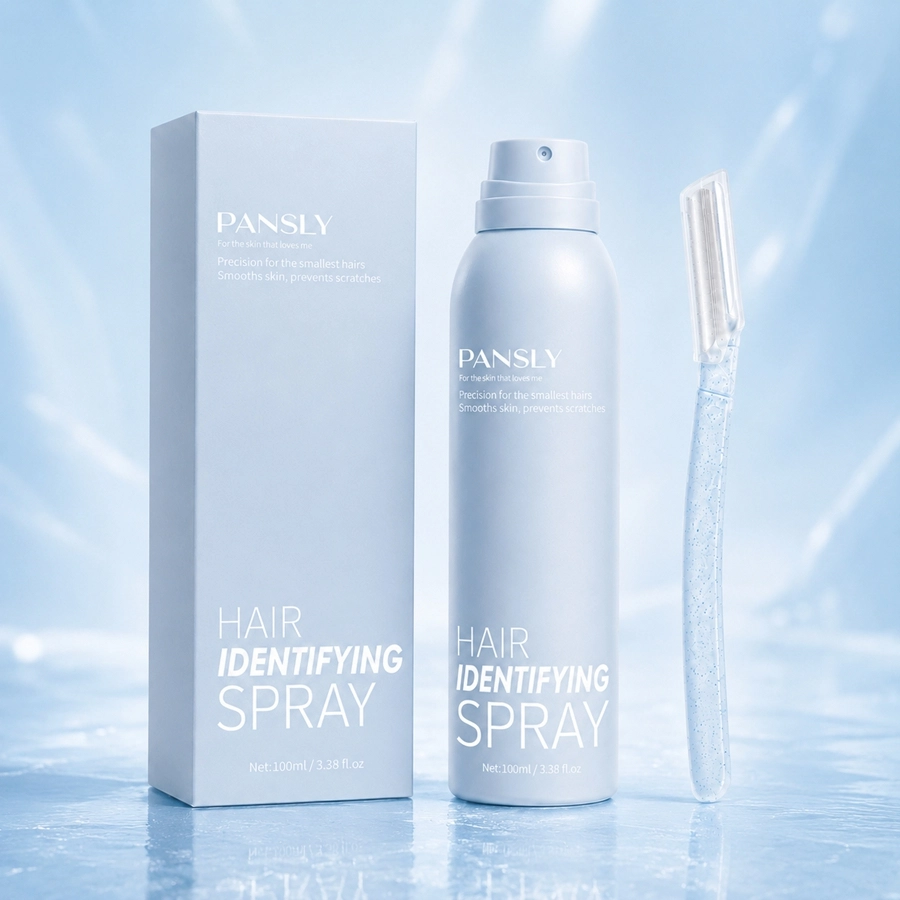
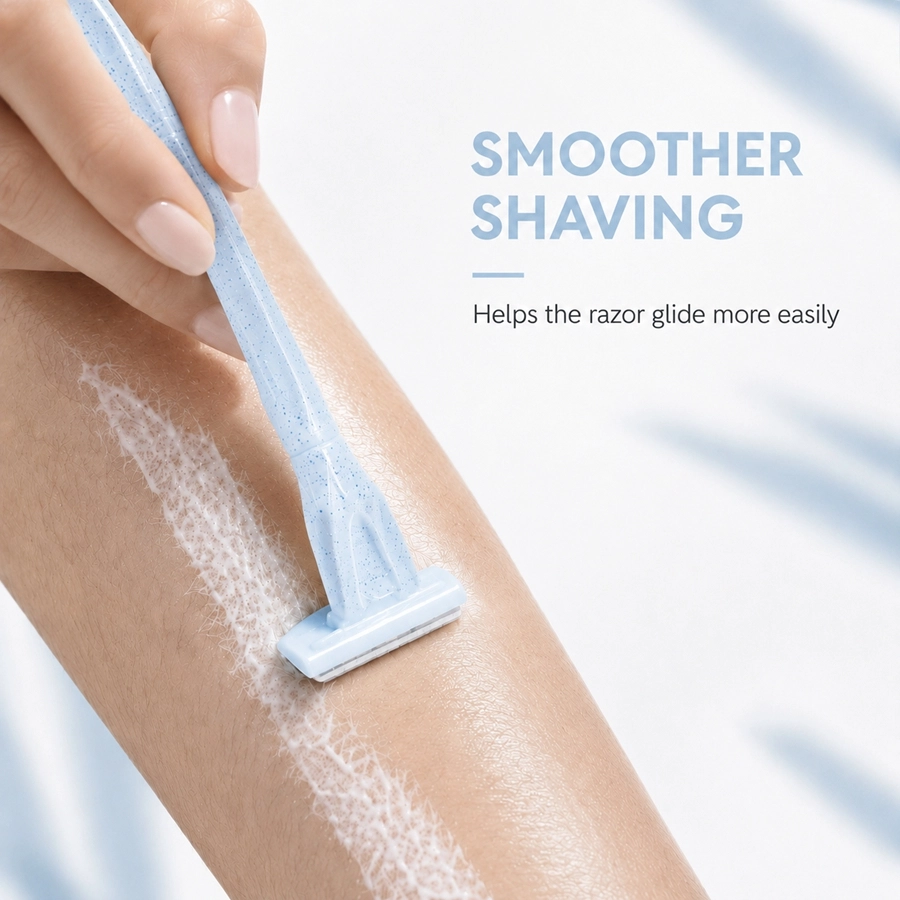
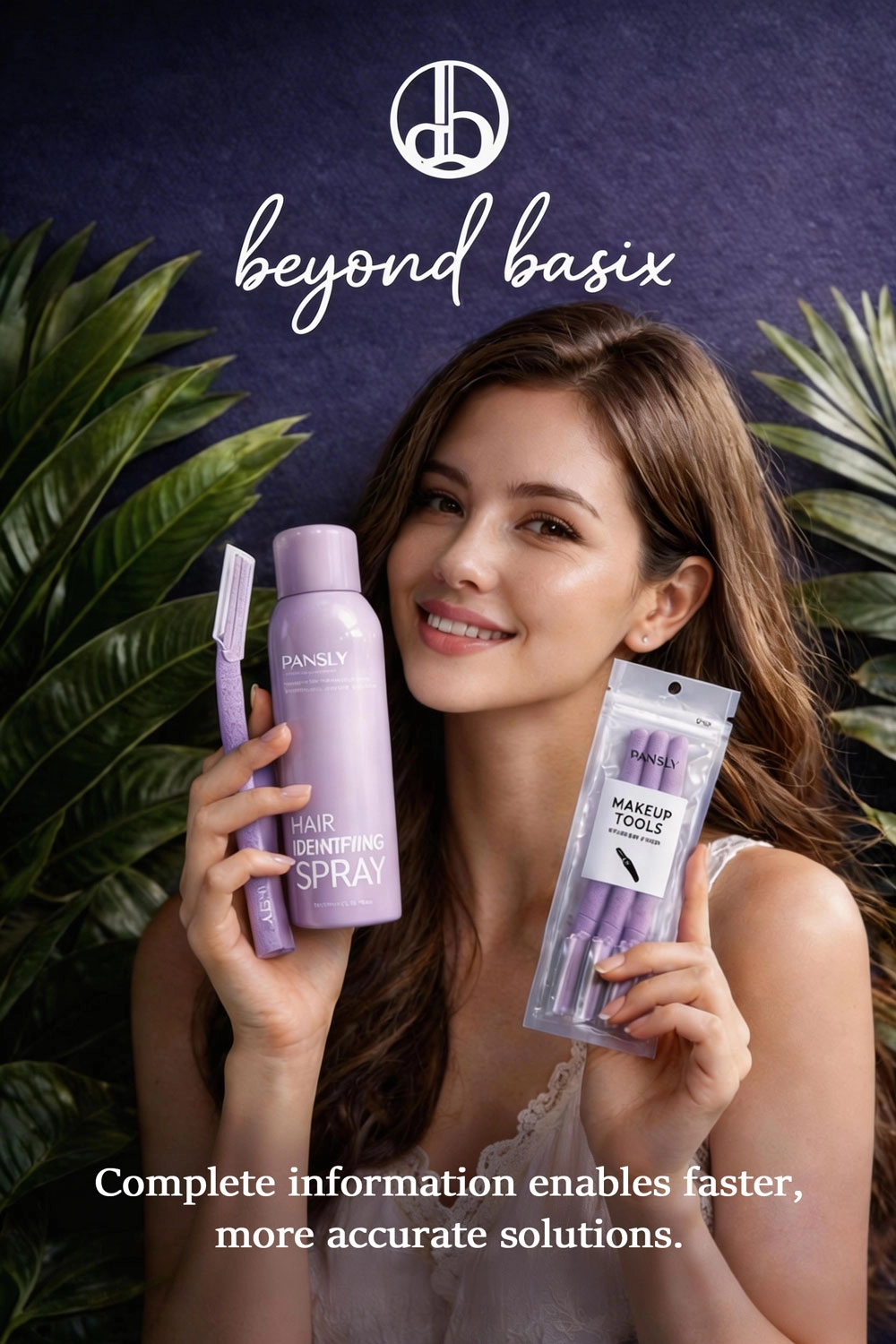
This Pansly Hair Identifying Spray Grooming Set contains 100ml pre-shave hair identifying spray and a matching precision facial scraper, designed for precise facial and body fine hair removal and dermaplaning.
Core functional ingredients:
Zea Mays (Corn) Starch: Creates a thin white film on dry skin to expose invisible tiny vellus hairs, enabling targeted, accurate grooming;
Portulaca Oleracea Extract: Soothes sensitive skin and relieves irritation caused by scraping;
Hydrolyzed Keratin: Lubricates skin surface, improves scraper gliding performance and effectively prevents scratches;
Butylene Glycol: Delivers gentle hydration to maintain skin comfort during hair trimming.
Adopt ultra-fine mist design, evenly spray on clean dry skin. Complete grooming through 4 simple steps: Spray → Identify fine hairs → Gentle Glide with scraper → Wipe away residues. Suitable for cheeks, upper lip, jawline, arms and other areas to achieve cleaner, smoother shaving results. We provide full OEM & ODM private label service, support custom logo, multiple packaging color options, fast sampling and bulk order supply.
Get in Touch with us
If you have any comments or good suggestions, please leave us a message; later our professional staff will contact you as soon as possible.
Click here to customize the Beauty
we respond within a few hours
Monday–Friday, 9AM–6PM
3A01, Building A, Zhisheng Square, No. 4 Zhifu Road, Helong Street, Baiyun District, Guangzhou, China.


Leave a request, and we'll email you back within 24 hours.
© 2026 Beyond Basix. All Rights Reserved.