Why Pair PDRN With Ectoin in a Barrier Repair Face Cream?
Quick Answer
A pdrn ectoin face cream pairs PDRN’s skin-recovery positioning with ectoin’s hydration and environmental-stress support. The combination can suit barrier-focused concepts when developers assess ingredient source, regulatory requirements, claim language, formula compatibility, and packaging. Beyond Basix can support formulation and production planning, but the final solution depends on the project brief, testing results, and target-market conditions.
How Beyond Basix Supports Projects
Beyond Basix supports OEM and ODM skincare projects through custom formulation development, manufacturing coordination, and quality-control planning within its 12,000-square-meter facility, which includes a 100,000-level GMPC pharmaceutical-grade dust-free workshop and 12 production lines. Its experience developing effective-ingredient skincare can help structure a PDRN-and-ectoin concept around texture, skin feel, packaging, and intended claims.
Buyers should confirm the PDRN source and specification, ectoin grade, target skin profile, product claims, packaging format, target market, and required testing scope. MOQ, lead time, testing scope, and quotation must be confirmed for each project. Beyond Basix certifications and documentation support should also be matched to the destination-market requirements rather than assumed across all markets.
Discuss Your PDRN Ectoin Barrier Cream Project
Send the target market, customer profile, desired claims, texture preference, packaging format, forecast quantity, and testing requirements so suitable formulation options, sample steps, documentation, MOQ, and timing can be discussed. Visit www.beyondbasixcosmetics.com or email Lily@lanthome.com to begin a project-specific review.
Deep-Dive FAQs
Can PDRN and ectoin coexist in one cream formula?
They can be evaluated together, but coexistence is not proven merely by combining the ingredient names. PDRN is a polynucleotide material whose performance and handling depend on source, molecular characteristics, purification, and supplier specification. Ectoin is a small extremolyte used in cosmetic formulations for its water-binding and stress-protective role. Development should assess pH, heating exposure, shear, preservative compatibility, solubility or dispersion behavior, and the order of addition. A low-stress manufacturing process and suitable packaging may be preferable if the PDRN supplier recommends limits on temperature or processing. Compatibility should be demonstrated through pilot batches and stability data rather than inferred from marketing descriptions.
Which barrier claims can a PDRN ectoin cream substantiate?
Appropriate claims depend on the finished formula, test design, and destination-market rules. A brand may investigate cosmetic wording such as supporting hydration, helping skin feel comfortable, or supporting the appearance of a healthy barrier when substantiated by suitable instrumental or consumer studies. Claims that imply treatment of dermatitis, wounds, inflammation, or medical barrier dysfunction can create a different regulatory classification in some jurisdictions. PDRN should not be presented as clinically repairing damaged tissue in a cosmetic product without relevant evidence and legal review. The claim brief should be prepared before testing so endpoints, panel criteria, and permitted wording are aligned.
How should ectoin concentration be selected for sensitive skin?
There is no universal concentration that defines a sensitive-skin product. Selection should begin with the supplier’s recommended use range, ingredient purity, formula water activity, total humectant load, preservative system, and the intended sensory profile. Sensitive-skin positioning also requires attention to fragrance, essential oils, alcohol content, surfactant carryover, pH, and potential irritants elsewhere in the formula. Screening can include repeat-insult patch testing or other suitable safety evaluations conducted by qualified facilities, alongside stability and preservative efficacy work. Ectoin may support a barrier-oriented concept, but it does not make an otherwise irritating formula suitable for sensitive skin.
Does PDRN source affect OEM formulation and compliance decisions?
Yes. PDRN may be derived from marine or other biological sources, and the source can affect documentation, allergen considerations, traceability, purification specifications, religious or ethical review, and market acceptance. Buyers should request the INCI name, origin statement, specification sheet, certificate of analysis, microbiological limits, residual impurity controls, and applicable safety documents. The permitted cosmetic use of a material can differ by country, while the term PDRN may be used inconsistently in marketing. An OEM brief should therefore identify the exact raw material and intended market before artwork, claims, or purchase commitments are finalized.
What stability tests should precede a private label launch?
A barrier cream containing PDRN and ectoin should be assessed in the final package, not only in a laboratory beaker. A practical protocol may include appearance, odor, color, pH, viscosity, centrifugation or compatibility screening where appropriate, microbial quality, preservative efficacy, and stability under defined temperature and humidity conditions. Light exposure and transport simulation may be relevant for sensitive formulas or selected packaging. The exact study design depends on the formula, pack, market, and shelf-life objective. Results should be reviewed for active-marker retention when a validated analytical method exists, because an unchanged appearance does not prove ingredient stability.
Can this pairing suit acne-prone or compromised skin?
It may suit a carefully designed barrier-support product, but the pairing alone does not establish acne suitability or medical use. For acne-prone consumers, developers should review the full ingredient list, emollient profile, occlusivity, fragrance strategy, sensory residue, and comedogenicity evidence rather than judging PDRN or ectoin in isolation. For visibly compromised skin, claims and safety boundaries require particular care; broken or clinically affected skin may fall outside ordinary cosmetic positioning. A lightweight, non-stinging prototype can be screened through appropriate safety and usability testing, with conservative claims reviewed for the target jurisdiction.
Related Articles for Private Label Cosmetics
Why Two Mineral Sunscreens With the Same SPF Can Feel Completely Different
Beyond Ordinary Tallow Balm: How GHK-Cu and SNAP-8 Create a Different Skincare Story
When Blue Copper Peptides Meet Beef Tallow: A New Direction for Premium Skincare
PDRN Toner Pads vs GHK-Cu + SNAP-8 Peptide Toner Pads: Private Label Manufacturing Decisions
You May Also Like
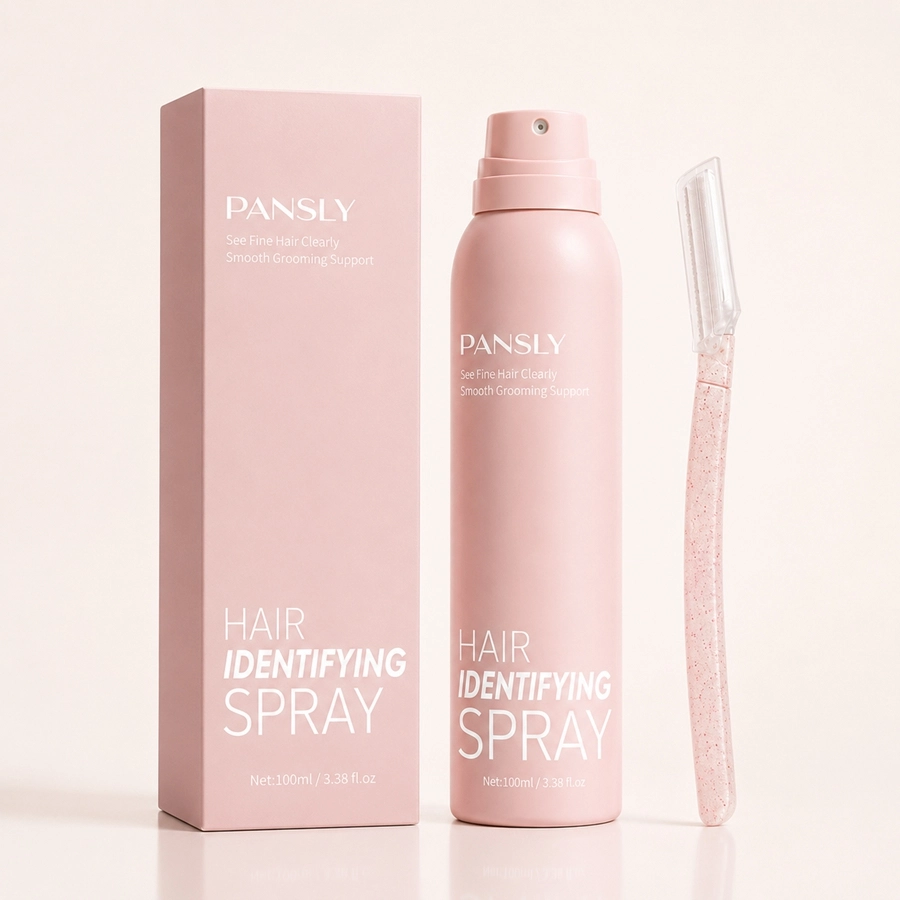
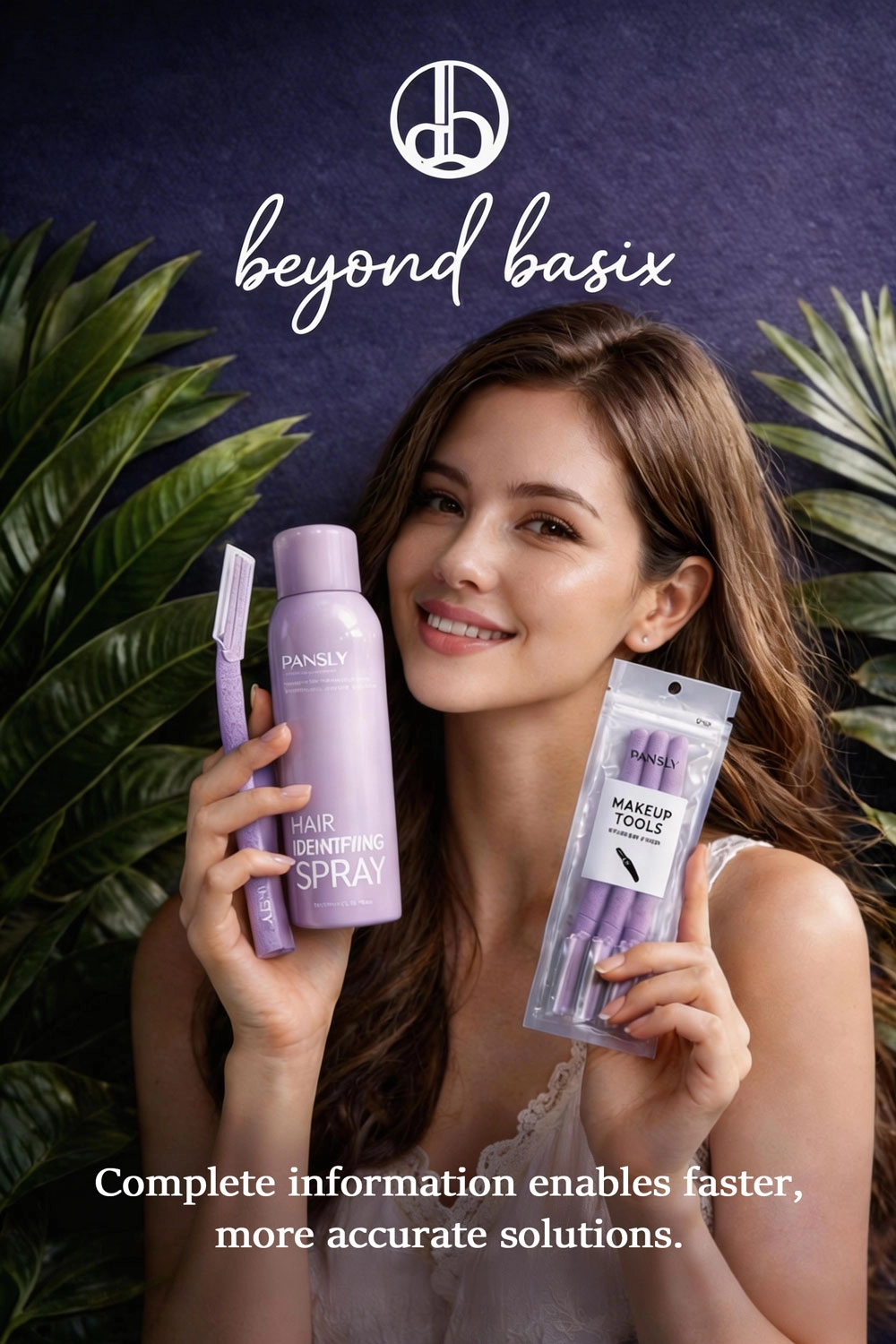
Pansly Fine Hair Visibility Grooming Set
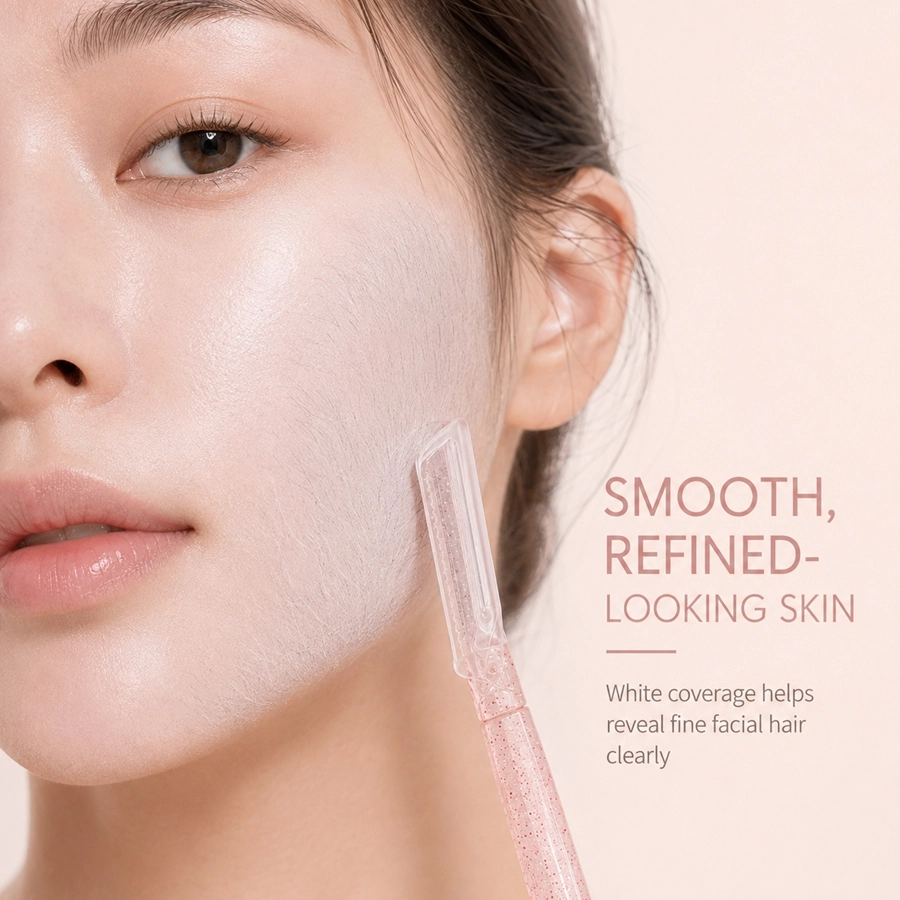
This grooming kit includes 100ml hair identifying spray and a ergonomic facial scraper, specially designed for facial dermaplaning and body fine hair trimming. The spray forms a lightweight white film on dry skin to display invisible vellus hairs, helping you achieve precise trimming.
Key Ingredients:
Zea Mays (Corn) Starch: Creates white covering layer to expose tiny fine hairs clearly;
Portulaca Oleracea Extract: Calms skin and alleviates trimming irritation;
Hydrolyzed Keratin: Delivers lubrication, reduces friction to avoid skin scratches;
Butylene Glycol: Offers mild moisturization to keep skin comfortable during grooming.
Easy 4-step operation: Spray evenly on dry skin → Identify fine hairs → Gently scrape unwanted hair → Clean residual powder. Suitable for upper lip, cheeks, jawline, arms and other areas. We support OEM & ODM private label service, customizable bottle colors, custom logo and bulk wholesale.
Get in Touch with us
If you have any comments or good suggestions, please leave us a message; later our professional staff will contact you as soon as possible.
Click here to customize the Beauty
we respond within a few hours
Monday–Friday, 9AM–6PM
3A01, Building A, Zhisheng Square, No. 4 Zhifu Road, Helong Street, Baiyun District, Guangzhou, China.


Leave a request, and we'll email you back within 24 hours.
© 2026 Beyond Basix. All Rights Reserved.