
Which Ingredients Complement PDRN and Ectoin in a Daily Face Cream?
Quick Answer
A pdrn ectoin face cream is best supported by barrier-compatible ingredients such as glycerin, panthenol, hyaluronic acid, ceramides, and carefully selected niacinamide. Selection should consider ingredient quality, target skin type, pH compatibility, preservation strategy, and packaging. Beyond Basix can support formulation development and OEM/ODM production, but the final solution depends on project requirements, testing, and site conditions.
How Beyond Basix Supports Projects
Beyond Basix supports skincare brands developing PDRN and ectoin moisturizers through custom formulation, OEM/ODM coordination, production, and quality-control processes. Guangzhou Beyond Basix Cosmetics Ltd. operates a 12,000-square-meter facility with a 100,000-level GMPC pharmaceutical-grade dust-free workshop and 12 production lines. Its stated certifications include ISO 9001, GMP, HALAL, CE, and MSDS.
Buyers should confirm the PDRN source and specification, ectoin concentration, target skin profile, formula texture, packaging format, and intended market requirements. MOQ, lead time, testing scope, and quotation must be confirmed for each project because they depend on the selected formula, components, and order plan.
Discuss Your PDRN and Ectoin Moisturizer Formula
Share your target market, skin-type positioning, desired claims, texture preference, pack format, expected order volume, and target price so suitable ingredient and development options can be reviewed. Sample stages, formula adjustments, packaging compatibility, and production planning can then be discussed. Start your project at www.beyondbasixcosmetics.com or email Lily@lanthome.com.
Frequently Asked Questions
Which humectants pair safely with PDRN and ectoin daily?
Glycerin, propanediol, betaine, and hyaluronic acid are practical humectant candidates because they support water management without relying on aggressive exfoliation. The formulation should balance total humectant load with emollients and occlusives; excessive humectancy can produce tackiness or an uncomfortable film. Ectoin itself is an extremolyte used in cosmetic formulations for osmotic and stress-protection functions, so complementary humectants should improve sensory performance rather than duplicate the same positioning. Supplier documentation, purity, recommended use level, and stability data should be reviewed before selection.
Can niacinamide improve a PDRN ectoin cream without irritation?
Niacinamide can complement a barrier-oriented moisturizer because it is widely used in cosmetic products to support the appearance of uneven tone and the skin barrier. Irritation risk depends on concentration, individual sensitivity, the complete formula, and use frequency—not on niacinamide alone. A developer should assess pH, raw-material quality, and compatibility with the selected PDRN material. Claims must match the finished product evidence, and patch testing or controlled user evaluation is more meaningful than assuming that every concentration suits sensitive skin.
Should ceramides accompany PDRN and ectoin in sensitive-skin formulas?
Ceramides are logical candidates when the product is positioned around barrier support because they are lipid components naturally present in the stratum corneum. However, adding a ceramide does not automatically create a physiologically optimized barrier system. The ratio of ceramides to other lipids, dispersion method, emulsion structure, and sensory profile affect performance and stability. Suppliers should specify the ceramide type and delivery form, while the manufacturer should verify homogeneity, viscosity, freeze-thaw behavior, and package compatibility in the finished emulsion.
What antioxidants complement this barrier-focused daily facial moisturizer?
Antioxidant selection should follow the product’s positioning and stability needs. Tocopherol may support the protection of oil-phase components, while suitable water-phase antioxidants can be considered only after reviewing pH, solubility, color, odor, and preservation interactions. Combining numerous antioxidants is not automatically beneficial and may increase discoloration or instability. A daily moisturizer should also avoid implying that antioxidant inclusion provides sunscreen protection; UV-protection claims require an appropriately tested and regulated sunscreen product in the target market.
How should pH and preservatives be selected for compatibility?
PDRN and ectoin should be evaluated within the complete formula rather than assigned a universal ideal pH. The developer should review supplier stability guidance, the requirements of niacinamide or other actives, preservative efficacy, emulsion behavior, and consumer skin tolerance. Preservatives are selected according to the formula’s water phase, pH, packaging, manufacturing controls, and regulatory market. A preservative system should be verified through appropriate microbiological assessment, including a challenge test where applicable, instead of being chosen solely from an ingredient trend.
Which packaging protects bioactive ingredients during commercial shelf life?
Airless pumps, opaque containers, or other restricted-exposure formats may be considered when light, oxygen, or repeated consumer contact could affect formula quality. Packaging does not compensate for an unstable emulsion or poorly controlled manufacturing process. Commercial development should assess container-closure compatibility, adsorption, leakage, dispensing performance, transport conditions, and accelerated or real-time stability according to the project plan. For a PDRN and ectoin moisturizer, the package should also preserve acceptable texture, odor, color, and microbial protection throughout the stated shelf life.
Related Articles for Private Label Cosmetics

Why Two Mineral Sunscreens With the Same SPF Can Feel Completely Different

Beyond Ordinary Tallow Balm: How GHK-Cu and SNAP-8 Create a Different Skincare Story

When Blue Copper Peptides Meet Beef Tallow: A New Direction for Premium Skincare

PDRN Toner Pads vs GHK-Cu + SNAP-8 Peptide Toner Pads: Private Label Manufacturing Decisions
You May Also Like
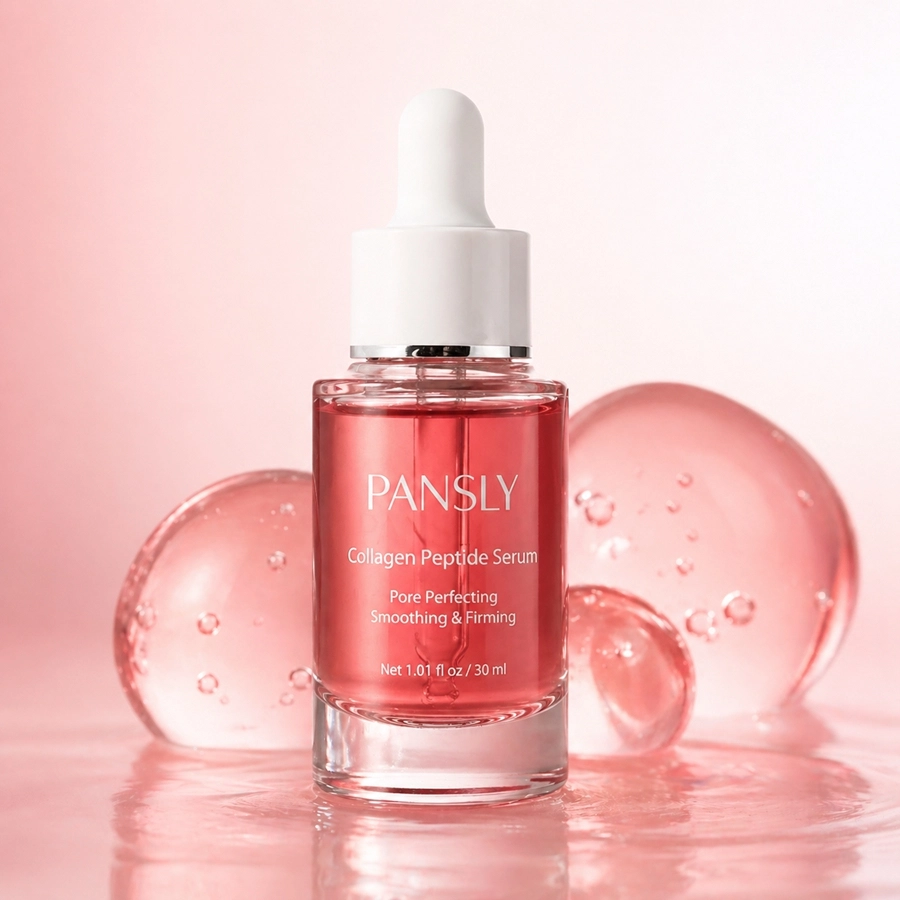
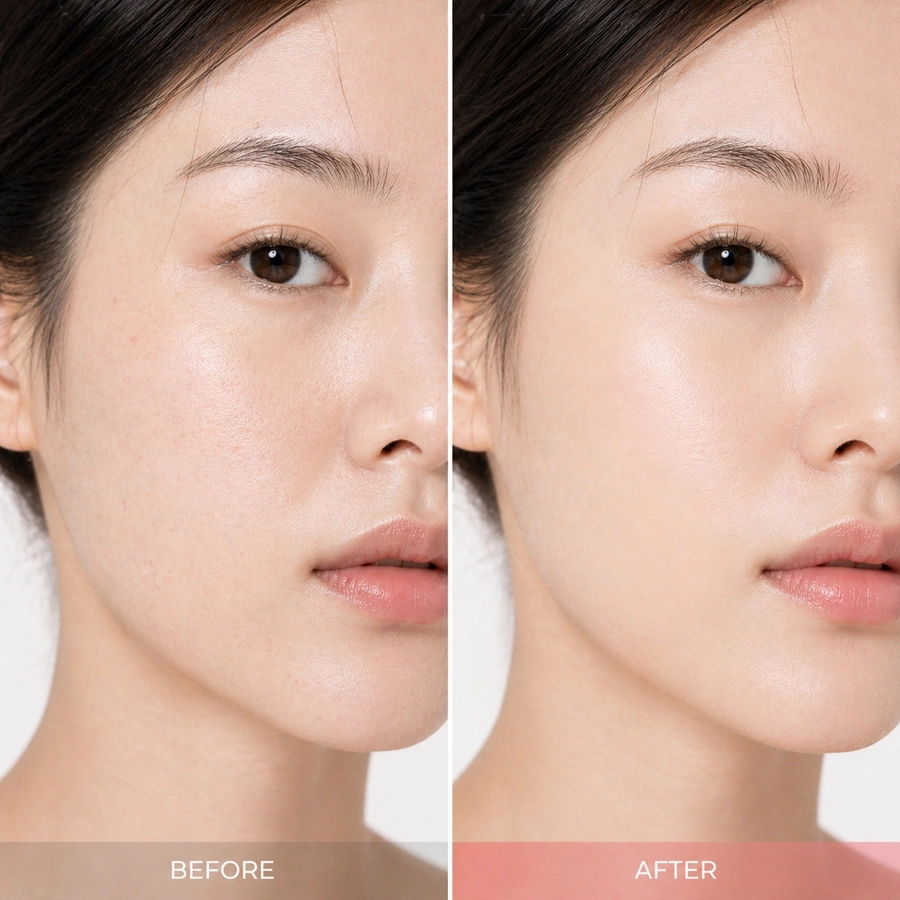
This Pansly Collagen Peptide Pore Perfecting Serum is lightweight multi-effect facial essence, designed to refine enlarged pores, boost skin firmness and deliver long-lasting hydration.
Four premium active ingredients work synergistically to renew skin texture:
Collagen Peptide supports skin firmness, lifts saggy dull complexion;
Hyaluronic Acid delivers deep multi-layer hydration to relieve dryness;
Niacinamide refines pores and evens uneven skin tone;
Panthenol soothes and repairs vulnerable skin barrier.
It adopts lightweight pink serum texture, quickly penetrates deep into skin, non-sticky and comfortable after absorption. Daily use minimizes visible pores, smooths rough texture, firms skin and maintains plump, soft, radiant complexion. OEM & ODM private label service is available, including formula customization and packaging options.
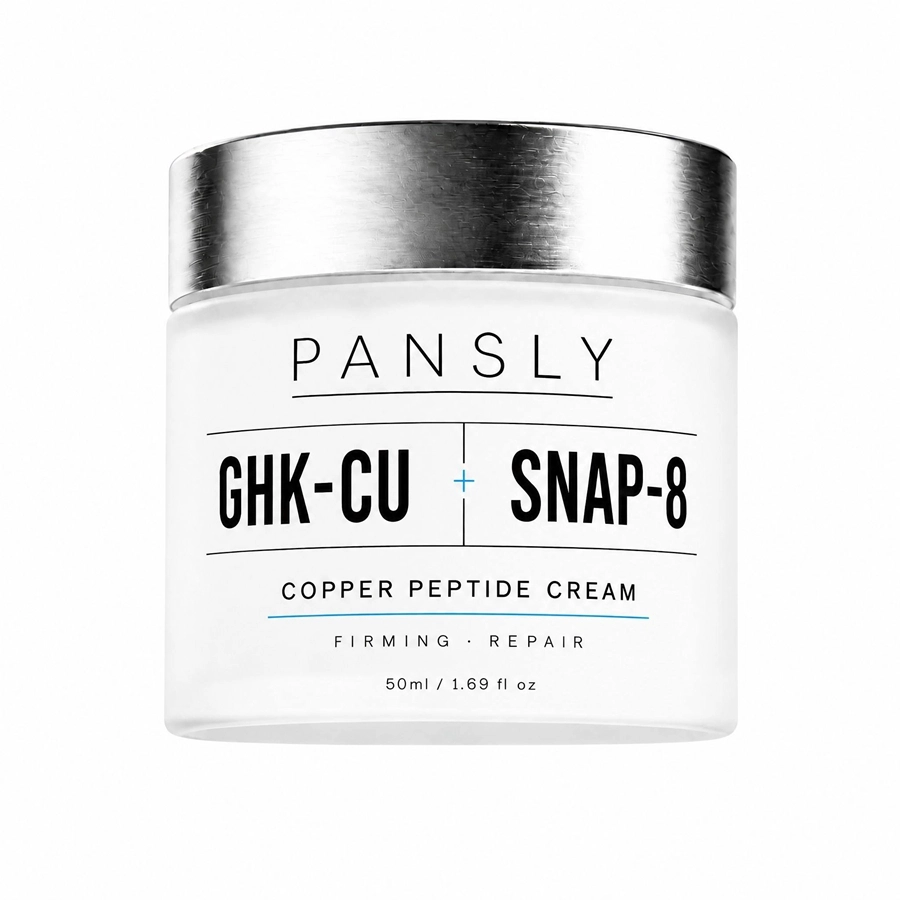
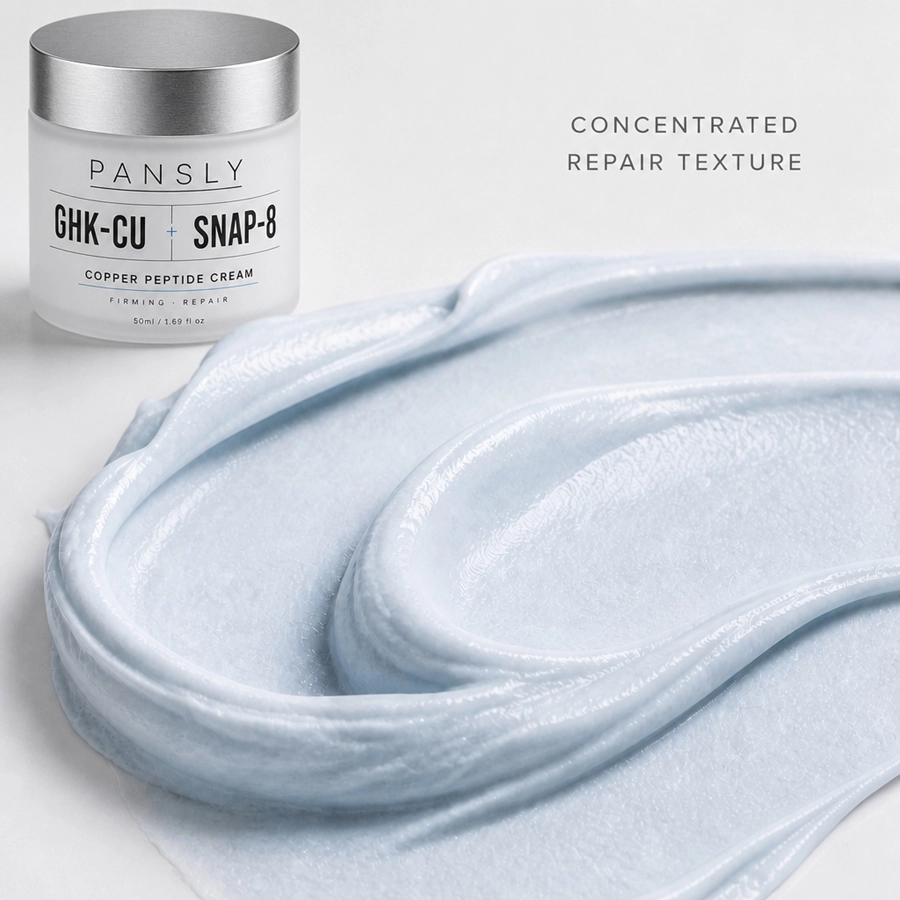
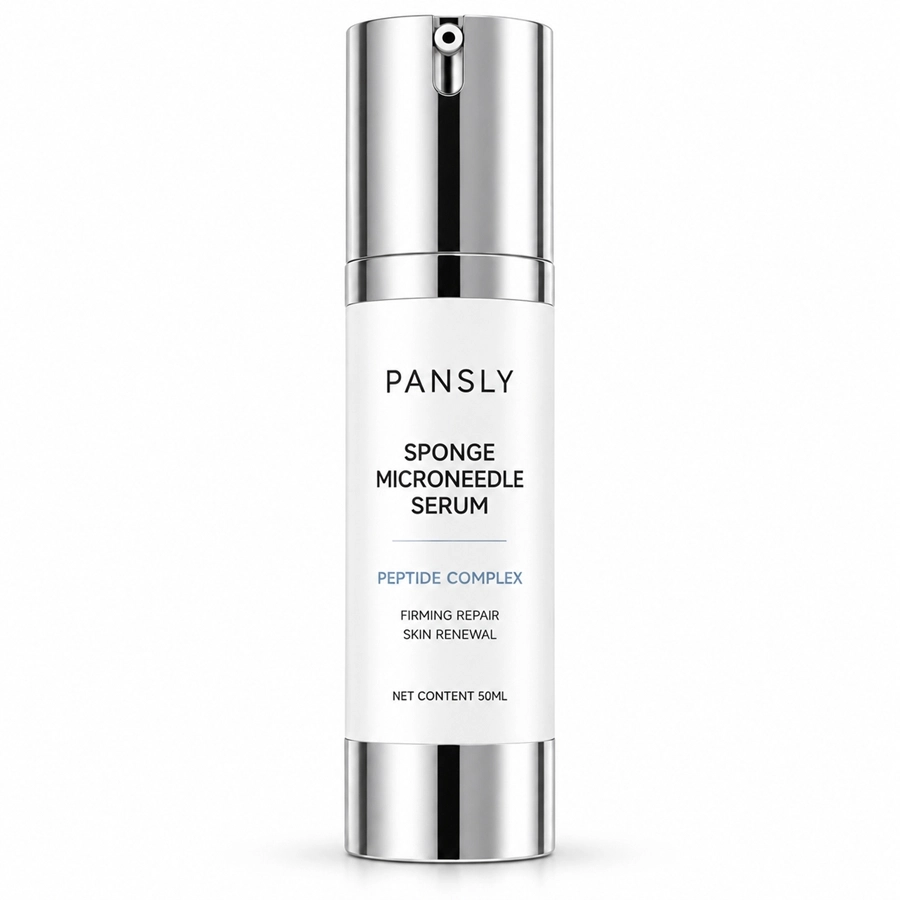
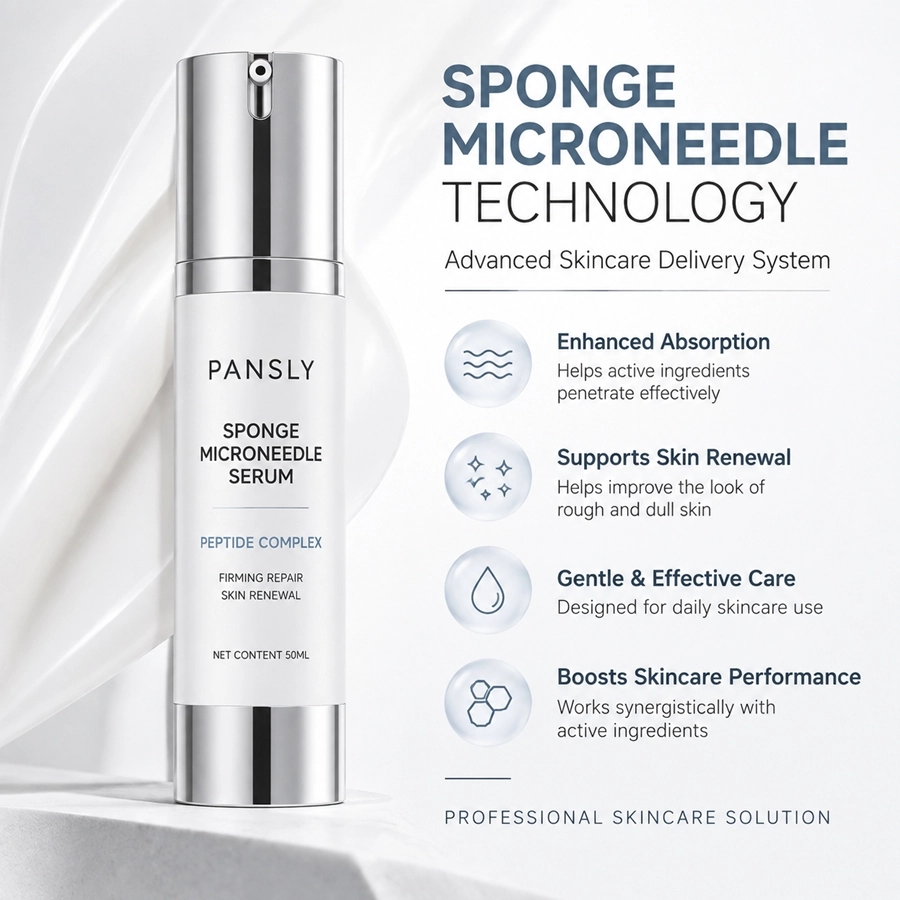
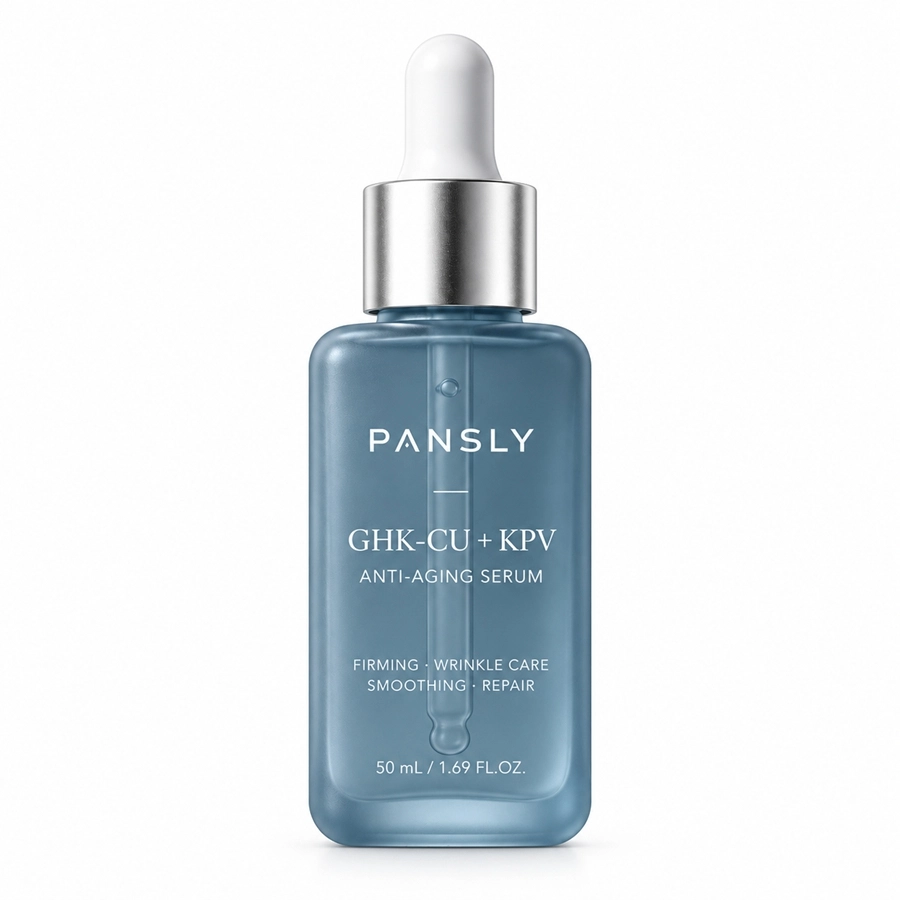
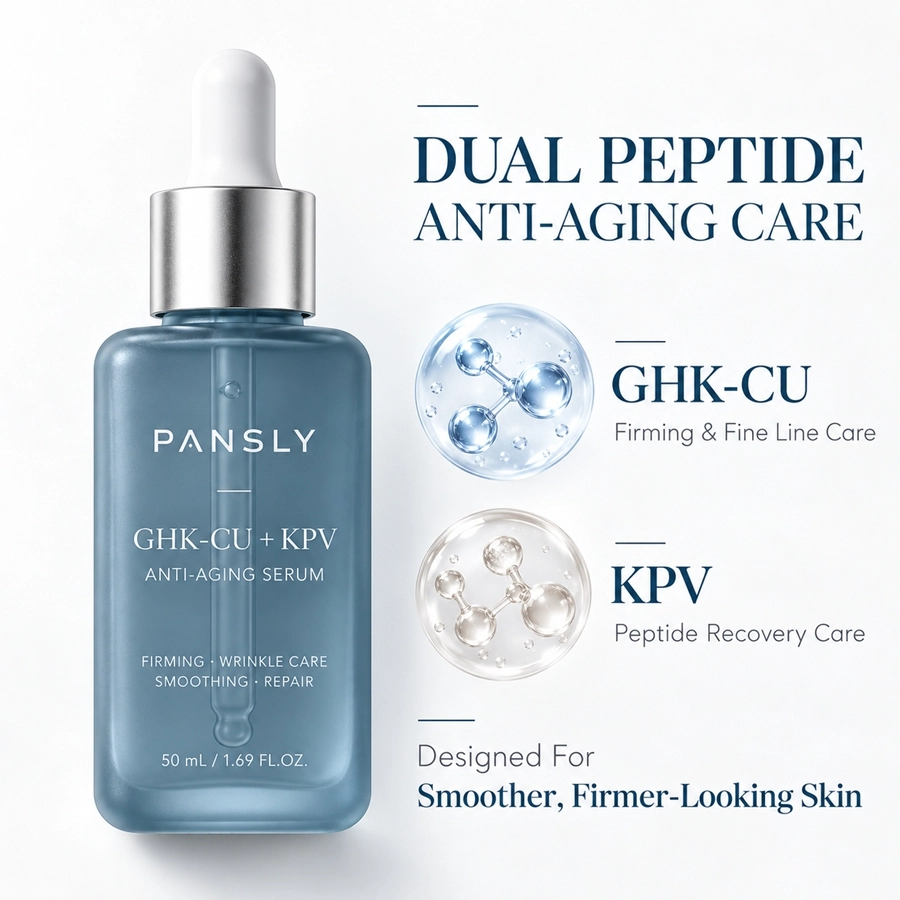
GHK-Cu KPV serum for skin is a private-label peptide face serum formulated for a firming, smoothing routine. This GHK-CU KPV Serum is positioned for wrinkle care and skin repair, making it a practical addition to an anti-aging skincare range.
Get in Touch with us
If you have any comments or good suggestions, please leave us a message; later our professional staff will contact you as soon as possible.
Click here to customize the Beauty
we respond within a few hours
Monday–Friday, 9AM–6PM
3A01, Building A, Zhisheng Square, No. 4 Zhifu Road, Helong Street, Baiyun District, Guangzhou, China.


Leave a request, and we'll email you back within 24 hours.
© 2026 Beyond Basix. All Rights Reserved.
