
PDRN Eye Patches vs Collagen Eye Patches: How Do Their Product Stories Differ?
Quick Answer
PDRN hydrogel eye patches are typically positioned around skin-conditioning, recovery-oriented, and ingredient-science narratives, while collagen eye patches focus on moisturization, surface smoothing, and a familiar firming story. For brand development, the key selection factors are claim substantiation, ingredient specification, hydrogel performance, packaging stability, and target-market regulation. Beyond Basix can support formulation and production planning, but the final solution depends on project requirements, testing, and market conditions.
How Beyond Basix Supports Projects
Beyond Basix develops skincare products with effective ingredients and provides OEM/ODM support for customized eye-care concepts. Its 12,000-square-meter facility includes a 100,000-level GMPC pharmaceutical-grade dust-free workshop and 12 production lines, supporting structured production planning for hydrogel patch projects. The company also operates with ISO 9001, GMP, HALAL, CE, and MSDS-related documentation according to applicable product needs.
For a private-label brief, buyers should confirm the active ingredient specification, hydrogel dimensions, essence loading, packaging format, target claims, market regulations, and required testing. MOQ, lead time, testing scope, and quotation must be confirmed per project with Beyond Basix after the technical brief is reviewed.
Discuss Your PDRN or Collagen Eye Patch Project
Share your target market, desired product story, ingredient preference, patch size and shape, packaging format, expected order volume, and testing requirements. These details allow the development team to discuss suitable formulation directions, sample stages, claim-support documentation, and production planning. Start your project discussion at www.beyondbasixcosmetics.com or by emailing Lily@lanthome.com.
Frequently Asked Questions
What distinguishes PDRN and collagen stories for eye patch buyers?
PDRN and collagen create different commercial narratives, but neither ingredient name alone establishes superior cosmetic performance. PDRN is a DNA-derived ingredient commonly positioned in skin-conditioning and renewal-oriented communications, subject to the claim rules of the target market. Collagen is more familiar to consumers and is generally presented in topical products through moisturization, film-forming, and temporary smoothing benefits. Topically applied collagen should not be described as replacing or rebuilding the skin’s dermal collagen without appropriate evidence. A buyer should define the desired consumer outcome first, then align the ingredient grade, formula, evidence package, and wording with that outcome.
Can topical PDRN claims be used without clinical substantiation?
Ingredient inclusion does not automatically substantiate a marketing claim. PDRN claims must be reviewed against the cosmetic regulations and advertising standards of the intended market, particularly where words such as repair, regeneration, wound healing, or tissue recovery may move communications toward drug or medical claims. Suppliers should provide the ingredient identity, concentration guidance, specification, safety information, and available supporting studies. Brand owners should also assess the finished product rather than relying exclusively on raw-material literature. A conservative cosmetic story may focus on hydration, skin conditioning, refreshed appearance, or the look of tired under-eyes when those claims are supported by the finished formula and testing plan.
Why does hydrogel structure matter beyond ingredient naming?
The hydrogel matrix affects adhesion, flexibility, serum release, wearing comfort, and the amount of liquid retained around the eye area. A named active cannot compensate for poor contact, excessive slipping, drying during use, or unsuitable patch geometry. Development teams should assess patch thickness, dimensions, backing or protective film, essence viscosity, application time, removal experience, and compatibility with the primary package. A laboratory formula may also behave differently after filling and storage. Comparative samples should therefore be evaluated on the skin and through stability checks, not judged only by the ingredient list or visual appearance.
How should brands compare PDRN and collagen consumer benefits?
The comparison should be built around a defined product promise instead of treating PDRN and collagen as interchangeable trend ingredients. A PDRN concept may suit a science-led, skin-conditioning, or post-stress appearance narrative, while collagen may suit a recognizable moisturizing and smoothing narrative. The final positioning depends on the formula, concentration, supporting data, pack communication, and local rules. Consumer testing can examine perceived hydration, comfort, cooling sensation, adherence, and immediate appearance. Instrumental or dermatologist-supervised studies may be considered when a brand wants stronger support for specific finished-product claims. Avoid implying that an eye patch produces the same biological effect as a clinical procedure.
Which tests support stability and safety for private label patches?
A practical test plan commonly considers microbiological quality, preservative effectiveness where applicable, physical and chemical stability, packaging compatibility, and skin- or eye-area tolerance. The exact scope depends on the formula, container, markets, and claim profile. Stability work should monitor changes such as odor, color, pH, viscosity, essence separation, hydrogel integrity, adhesion, and package leakage across the proposed storage conditions. Because the eye area is sensitive, irritation and compatibility assessment deserve particular attention, especially when fragrance, botanical extracts, or novel actives are included. Finished-product evidence is more useful for launch decisions than relying only on raw-material certificates.
What packaging choices protect sensitive eye patch formulas during shipping?
Packaging must protect the hydrogel from moisture loss, leakage, contamination, deformation, and unnecessary exposure to heat or light. Common decisions include individual sachets versus jars, seal structure, material compatibility, headspace, closure design, and carton protection. The best option depends on the essence system, patch count, distribution route, opening frequency, and target shelf life. Transport or handling checks can reveal seal weakness and deformation that may not appear during bench sampling. Artwork should also preserve required ingredient, usage, warning, batch, shelf-life, and responsible-party information for the destination market. Packaging performance should be assessed together with formula stability before a bulk order is approved.
Related Articles for Private Label Cosmetics

Why Two Mineral Sunscreens With the Same SPF Can Feel Completely Different

Beyond Ordinary Tallow Balm: How GHK-Cu and SNAP-8 Create a Different Skincare Story

When Blue Copper Peptides Meet Beef Tallow: A New Direction for Premium Skincare

PDRN Toner Pads vs GHK-Cu + SNAP-8 Peptide Toner Pads: Private Label Manufacturing Decisions
You May Also Like
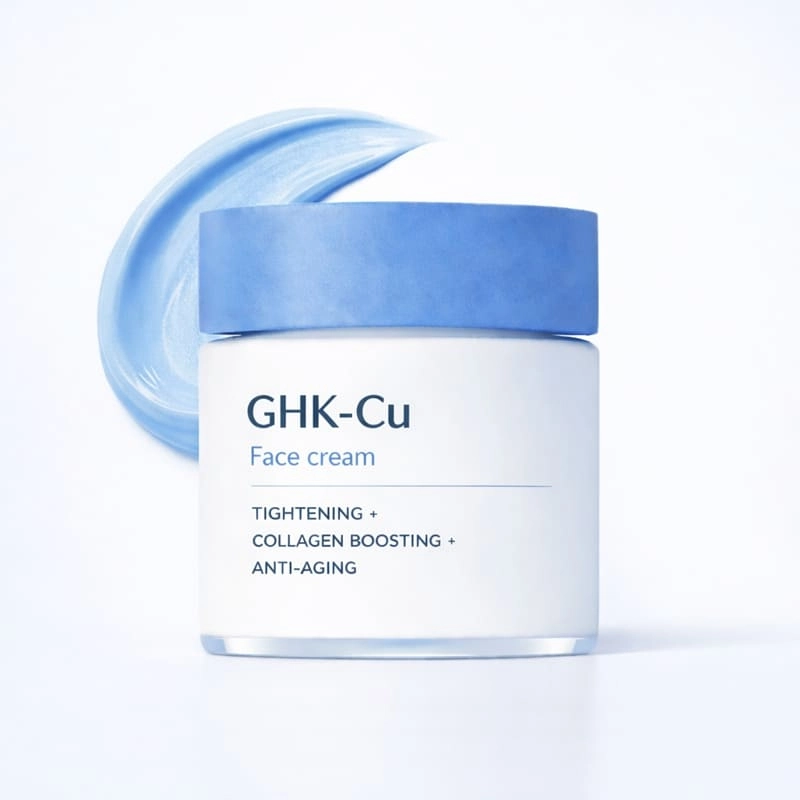
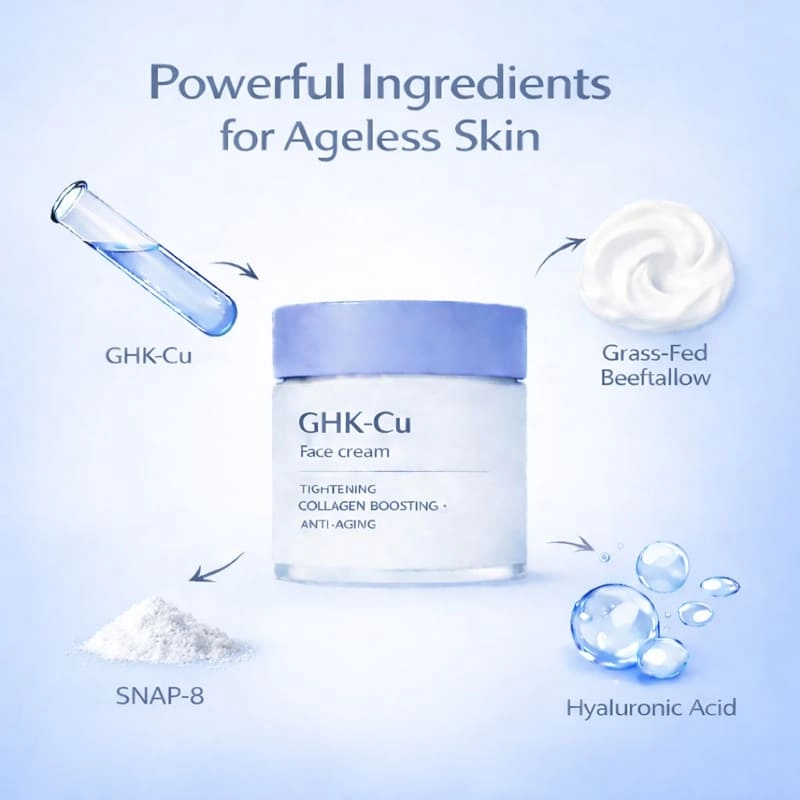
This GHK-Cu & SNAP-8 Beef Tallow Anti-Wrinkle Cream represents a unique fusion of traditional skin nourishment and cutting-edge peptide science. By utilizing Grass-Fed Beef Tallow as a bio-compatible base, the formula provides a rich profile of vitamins A, D, E, and K that mimics the skin's natural sebum for unparalleled absorption. This nutrient-dense foundation is supercharged with GHK-Cu (Copper Peptide) to support dermal density and SNAP-8 (Octapeptide-3) to help relax the appearance of expression lines and deep-set wrinkles.
Designed specifically for aging or depleted skin, this intensive cream provides a protective moisture barrier while actively working to improve firmness and elasticity. The result is a multi-layered approach to rejuvenation that smooths texture, deeply hydrates, and restores a youthful, resilient "bounce" to the complexion without the use of synthetic fillers.
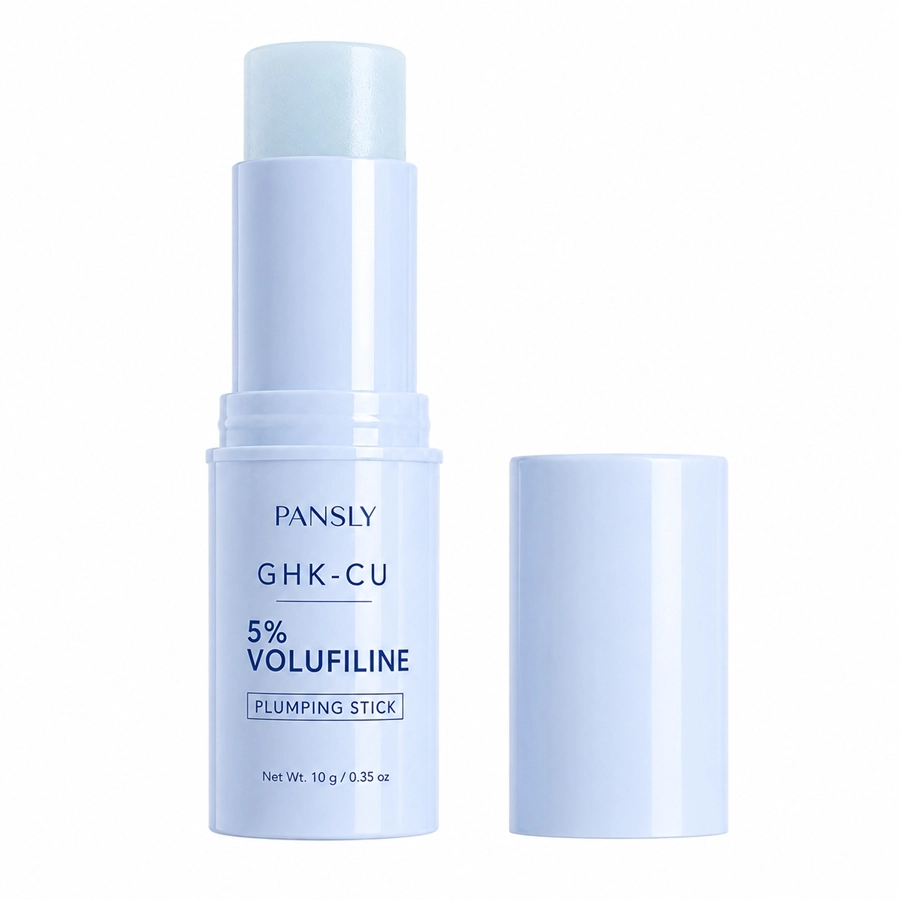
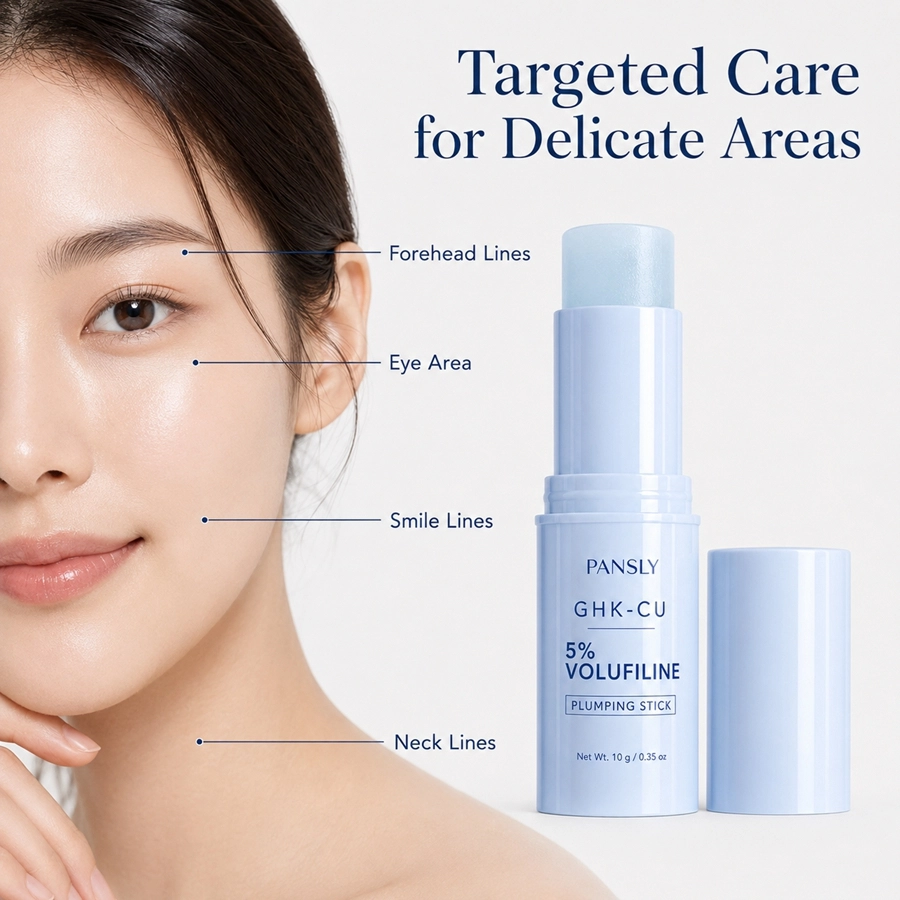
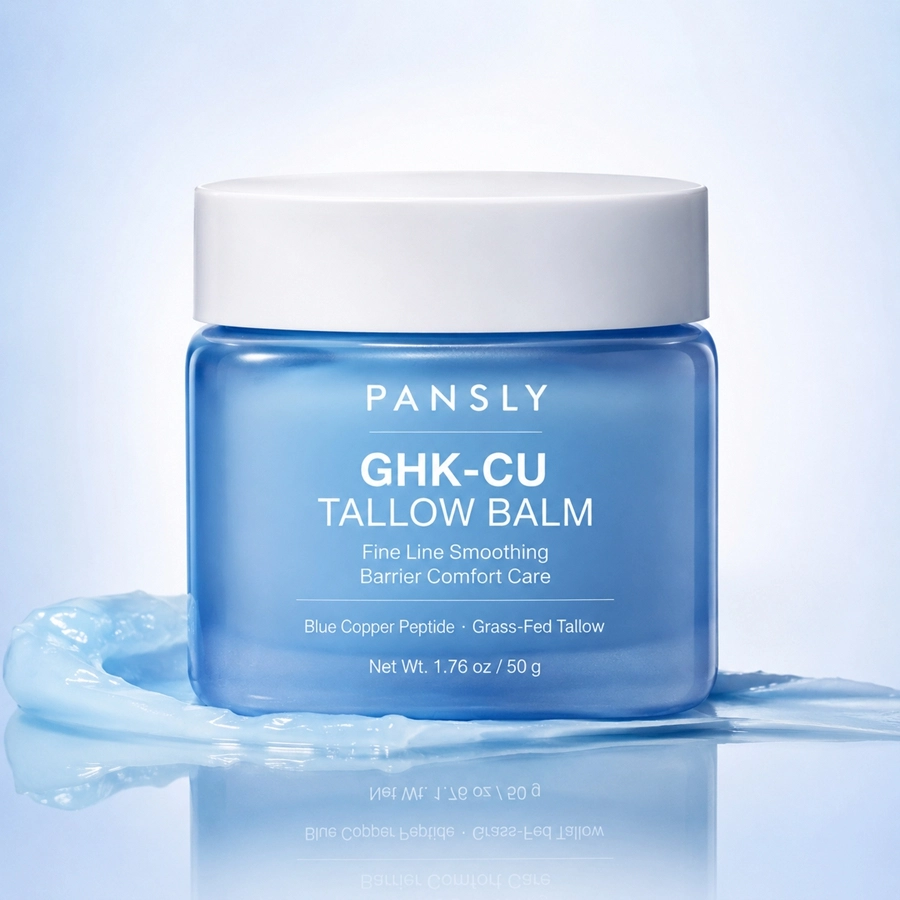
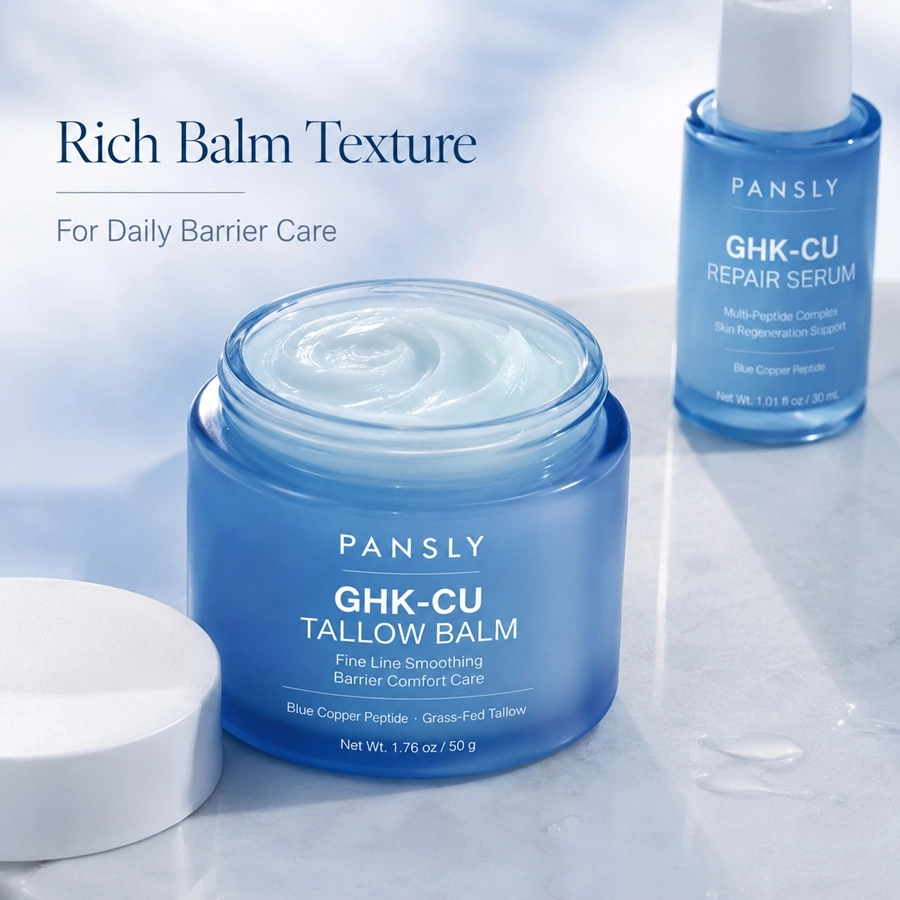
This Pansly GHK-CU Tallow Balm is nourishing barrier repair facial balm focused on smoothing fine lines and comforting sensitive dry skin. Formulated with 5 skin-friendly core actives to deliver anti-wrinkle, hydrating and barrier-strengthening triple care.
Premium multi-nutrient complex formula: GHK-CU Blue Copper Peptide visibly smooths fine lines and revitalizes dull complexion; Grass-Fed Tallow acts as nourishing base to supply rich lipid nourishment for dry skin; Ceramide NP reinforces skin moisture barrier to reduce sensitivity; Squalane delivers lightweight slip to create soft silky skin texture; Panthenol soothes skin discomfort and boosts long-lasting comfort.
Rich creamy lightweight balm texture melts comfortably into skin without sticky greasiness. Daily use blurs fine lines, deeply nourishes dry skin, repairs fragile barrier and leaves skin soft, smooth and healthy radiant.
Get in Touch with us
If you have any comments or good suggestions, please leave us a message; later our professional staff will contact you as soon as possible.
Click here to customize the Beauty
we respond within a few hours
Monday–Friday, 9AM–6PM
3A01, Building A, Zhisheng Square, No. 4 Zhifu Road, Helong Street, Baiyun District, Guangzhou, China.


Leave a request, and we'll email you back within 24 hours.
© 2026 Beyond Basix. All Rights Reserved.
