
What Makes a PDRN Hydrogel Eye Patch Different From a Standard Eye Mask?
Quick Answer
pdrn hydrogel eye patches differ from standard eye masks through their water-rich polymer matrix, closer skin contact, controlled serum release, and ingredient-specific testing. Beyond Basix can help assess formula design, patch dimensions, packaging, target-market requirements, and production feasibility. Final recommendations depend on the project brief, stability data, regulatory review, and site-specific manufacturing conditions.
How Beyond Basix Supports Projects
Beyond Basix supports skincare OEM/ODM projects through formulation development, production planning, packaging coordination, and quality-control documentation. Guangzhou Beyond Basix Cosmetics Ltd. operates a 12,000-square-meter facility with a 100,000-level GMPC pharmaceutical-grade dust-free workshop and 12 production lines, supporting structured development for hydrogel eye-care formats.
Buyers should confirm the PDRN source and specification, formula target, patch size, container format, preservation approach, market claims, and required testing. MOQ, lead time, testing scope, and quotation must be confirmed for each project. Available certifications and documentation should also be matched to the destination market rather than assumed from one market to another.
Discuss Your PDRN Hydrogel Eye Patch Project
Share your target market, intended claims, PDRN specification, patch dimensions, packaging preference, expected order volume, and launch timeline. These details allow discussion of suitable material options, sample stages, testing priorities, and production planning. Send your project brief to www.beyondbasixcosmetics.com or Lily@lanthome.com to begin a focused OEM/ODM discussion.
Deep-Dive FAQs
Why does hydrogel matter for PDRN eye patch performance?
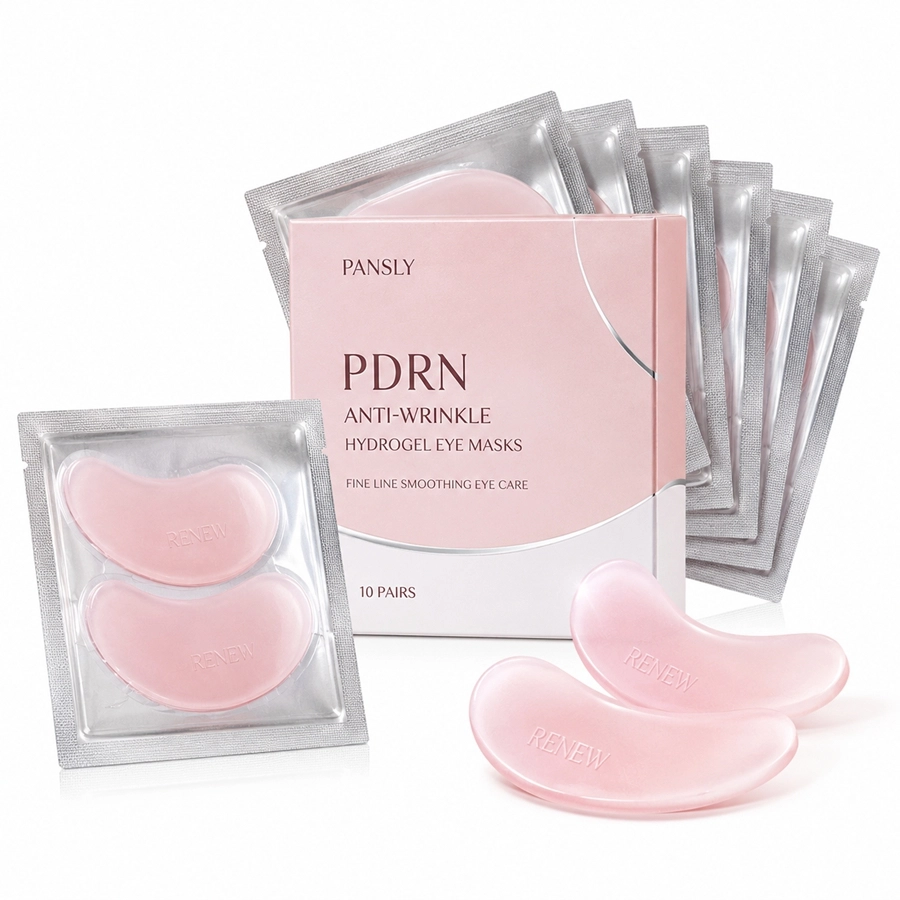
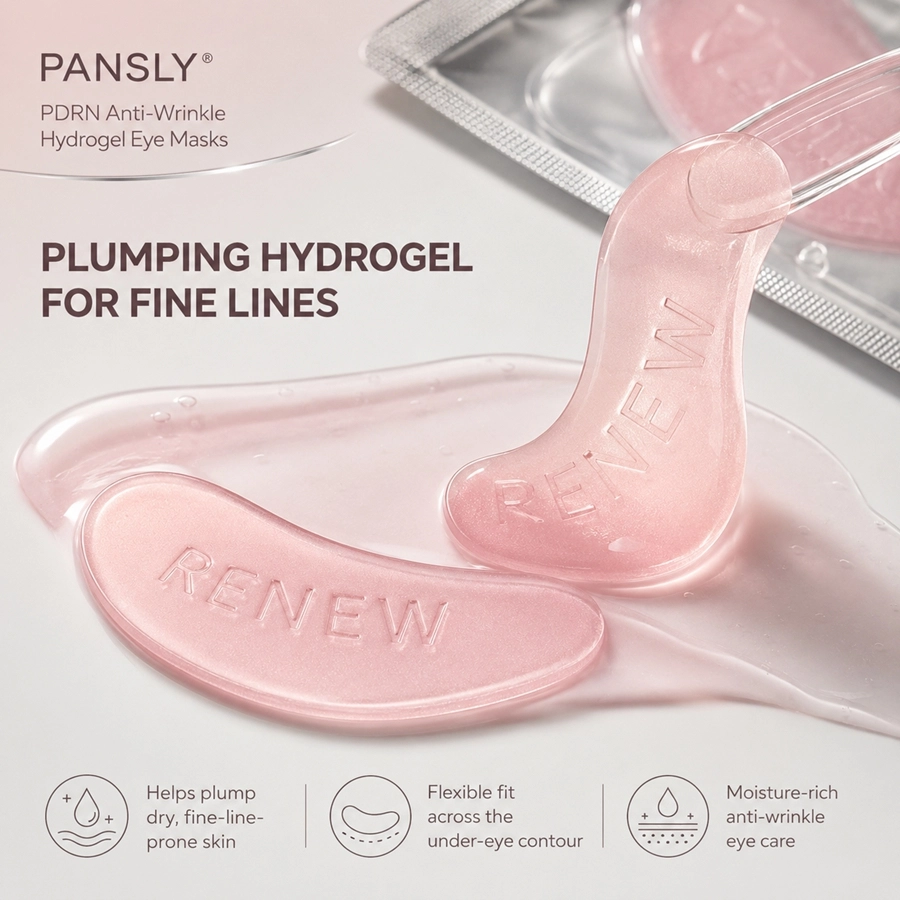
A hydrogel is a water-containing polymer network that can conform closely to the under-eye area. Compared with many dry or nonwoven mask substrates, it may reduce gaps between the product and skin and provide a more consistent wet-contact environment during the stated wear period. That does not prove superior biological activity by itself. Performance depends on polymer composition, water activity, serum viscosity, adhesion, wear time, and how the formula releases or retains PDRN. During development, brands should compare moisture loss, adhesion, user comfort, serum migration, and after-use skin hydration under the same test conditions.
Is PDRN concentration enough to compare different eye masks?
No. A declared concentration is only one comparison point and can be misleading when products use different raw-material specifications, molecular characteristics, solvents, preservation systems, or test methods. Buyers should request the ingredient identity, supplier documentation, assay or specification basis, recommended storage conditions, and the calculation method used for the finished formula. They should also distinguish a cosmetic moisturising or conditioning claim from a drug or medical claim, because the permitted wording depends on the destination market. A higher number on a label does not automatically establish better consumer performance or greater formula stability.
How should brands verify PDRN identity and stability?
Verification should begin with traceable raw-material documentation, including a certificate of analysis, batch information, specification, and supplier quality records. Finished-product testing should then be designed around the formula and packaging, not copied from another mask. Relevant checks may include appearance, pH, viscosity or texture, microbiological quality, preservative effectiveness where applicable, assay or identity testing using a suitable validated method, and stability at defined storage conditions. Sampling should cover development, pilot, and production batches when appropriate. Claims should be supported by evidence suitable for the target market, while any medical or regenerative wording requires specialist regulatory review.
Which packaging choices protect a hydrogel eye patch?
Packaging must control evaporation, contamination, leakage, and unnecessary exposure to heat or light. A sealed individual sachet is commonly evaluated for single-use formats, while a jar requires careful consideration of repeated opening, consumer handling, preservative performance, and closure integrity. The correct choice depends on water activity, formula sensitivity, patch geometry, seal material, fill volume, transport conditions, and intended shelf life. Development teams should conduct package-compatibility checks, seal-integrity assessments, weight-loss monitoring, and stability testing in the proposed commercial pack. Attractive packaging cannot compensate for moisture loss or an incompatible seal layer.
Can standard eye masks deliver equivalent hydration benefits?
They can provide meaningful hydration, but equivalence cannot be assumed from the product category. A standard mask may use a nonwoven, cellulose, biocellulose, or other substrate carrying a liquid essence, whereas a hydrogel patch is itself a structured, water-rich matrix. Hydration outcomes depend on the complete system: humectants, occlusivity, contact area, wear duration, evaporation rate, and the user’s skin condition. If a brand wants to compare formats, it should define the endpoint first, such as instrumental skin hydration, transepidermal water loss, comfort, or visual smoothness, then use matched formulas and controlled test protocols.
What testing should buyers request before placing bulk orders?
A buyer should request documentation that matches the product risk profile and destination market. Typical discussions include raw-material certificates, finished-product specifications, microbiological limits, preservative-related evidence where relevant, stability data, package compatibility, seal integrity, and batch-release procedures. For an eye-area product, irritation and sensitisation considerations deserve particular attention, and the final formula should be assessed through an appropriate safety review. Buyers should also confirm artwork claims, ingredient nomenclature, storage instructions, traceability, and change-control procedures. A pre-production sample and approved golden standard can reduce disputes over colour, texture, serum level, adhesion, and patch dimensions during bulk manufacture.
Related Articles for Private Label Cosmetics

Why Two Mineral Sunscreens With the Same SPF Can Feel Completely Different

Beyond Ordinary Tallow Balm: How GHK-Cu and SNAP-8 Create a Different Skincare Story

When Blue Copper Peptides Meet Beef Tallow: A New Direction for Premium Skincare

PDRN Toner Pads vs GHK-Cu + SNAP-8 Peptide Toner Pads: Private Label Manufacturing Decisions
You May Also Like
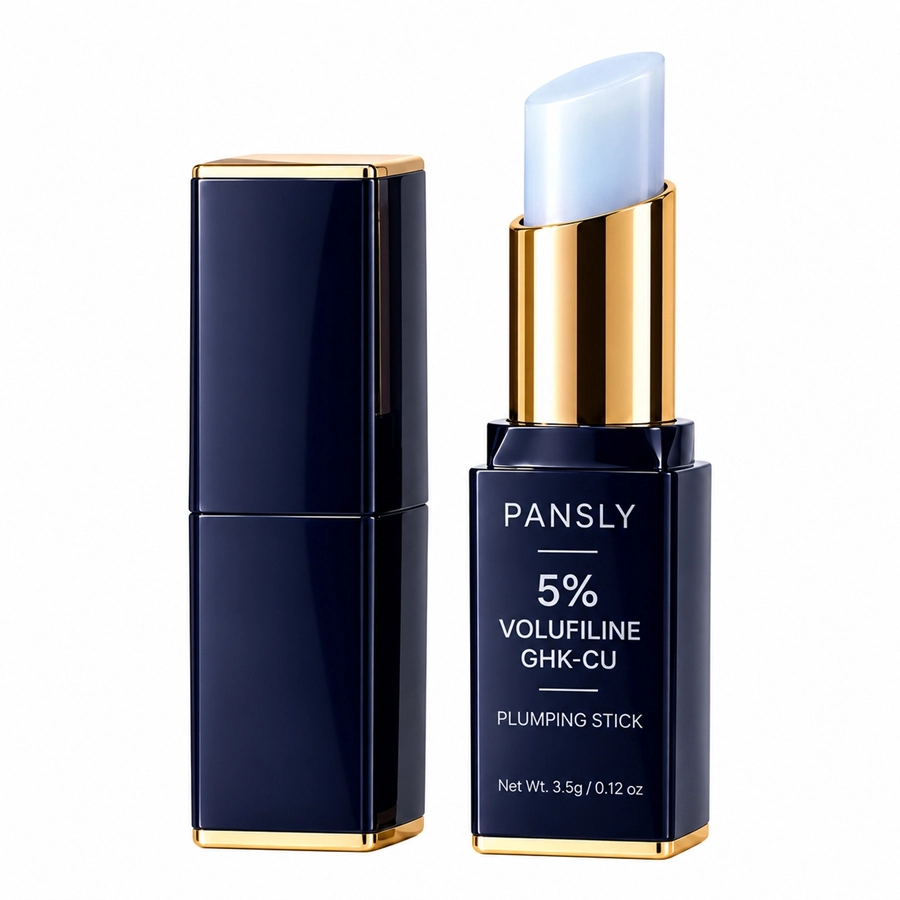
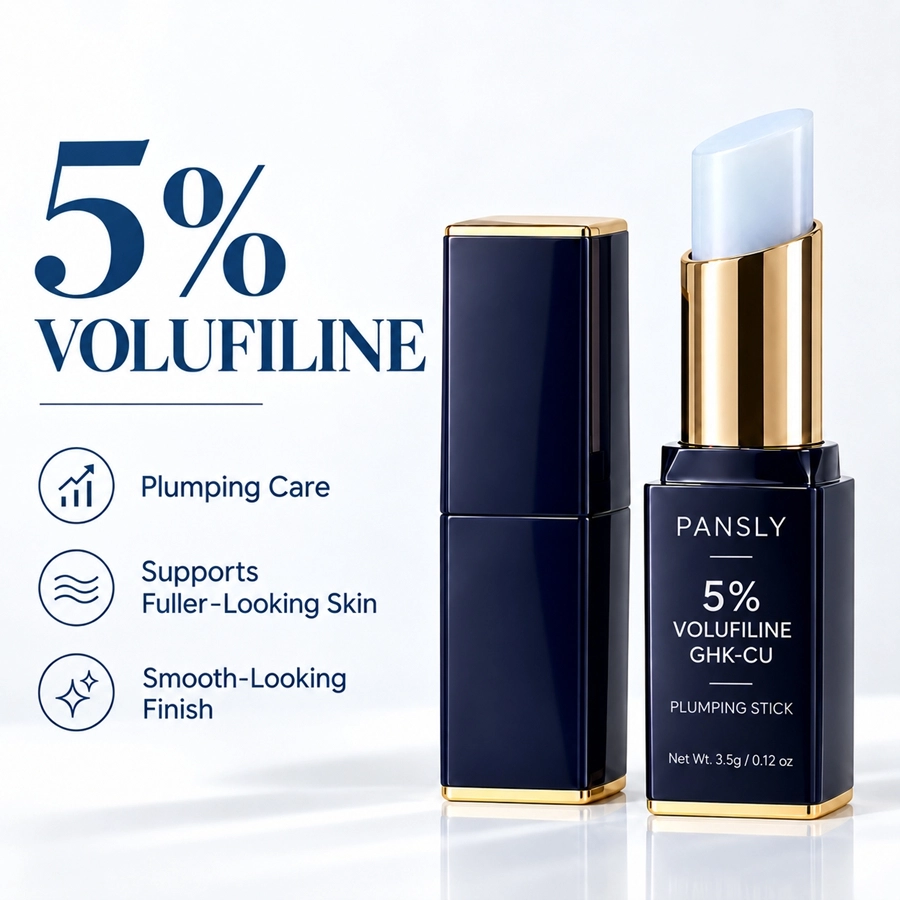
The Volufiline Plumping Stick contains 5% Volufiline in a portable balm for targeted facial care. Apply the Volufiline Lip Plumping Balm Stick to moisturize lips and dry areas, or use the Volufiline Anti Wrinkle Multi Balm to help skin feel smooth and hydrated.
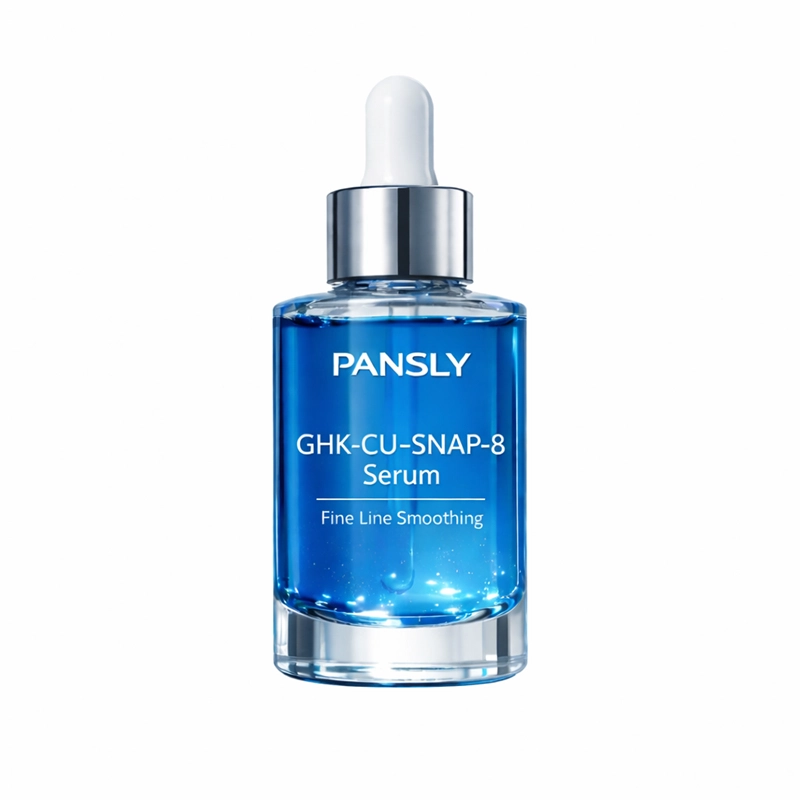
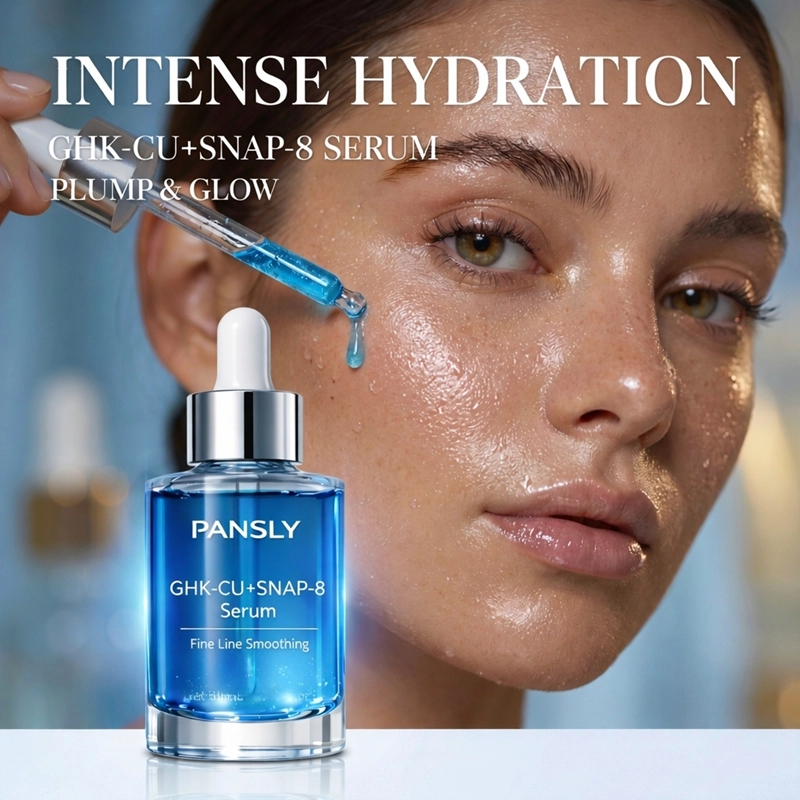
This Pansly GHK-CU + SNAP-8 Fine Line Smoothing Serum features premium dual-peptide complex formula to deliver multi-dimensional anti-aging skincare.
Formulated with two star peptide actives: GHK-CU Copper Peptide lifts sagging skin, boosts collagen production and enhances skin elasticity for firmer contour; SNAP-8 Anti-Wrinkle Peptide visibly smooths fine lines and wrinkles to fade expression creases. Complemented with Panthenol and Hyaluronic Acid, it provides soothing care and deep long-lasting hydration, revitalizing dull skin to restore a youthful radiant glow.
Lightweight watery texture absorbs quickly without sticky residue, suitable for daily anti-aging maintenance of all skin types.
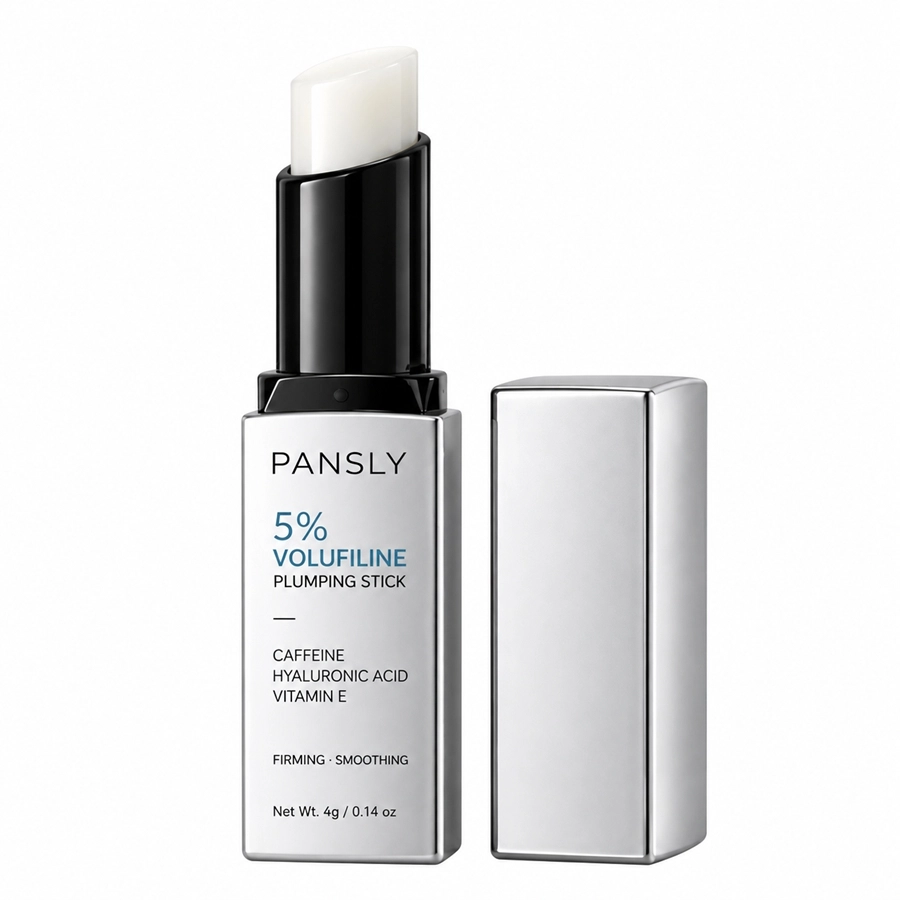
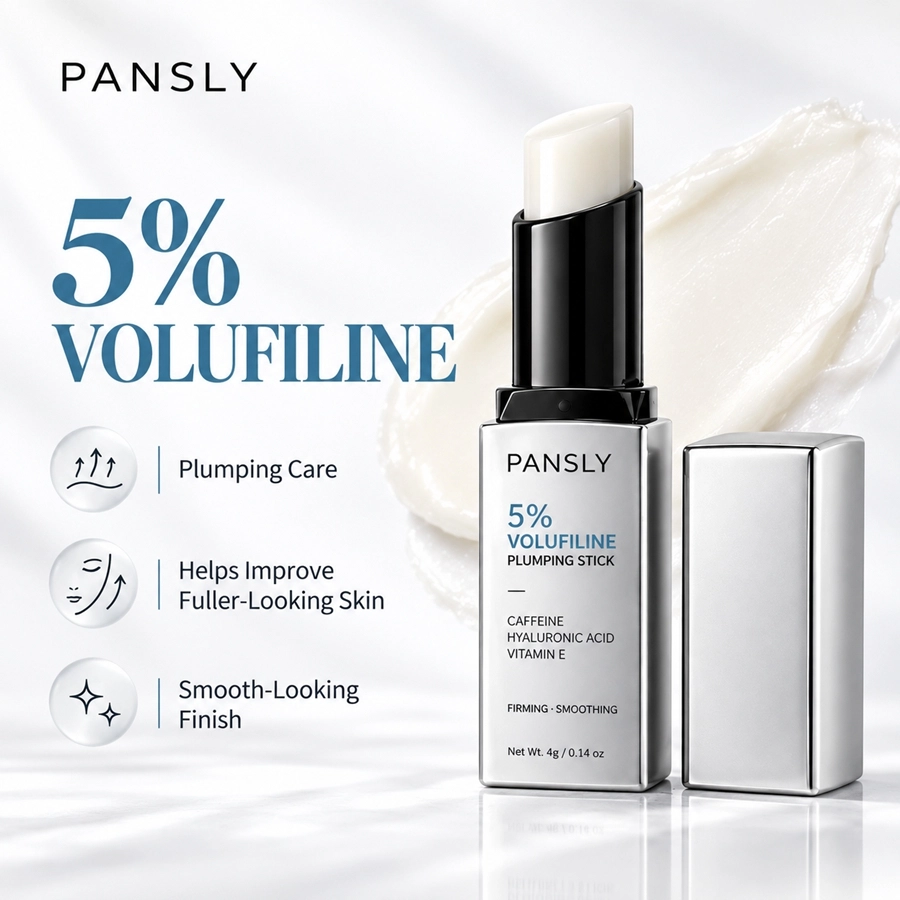
The Volufiline Plumping Stick contains 5% Volufiline in a portable balm for targeted facial care. Apply the Volufiline Lip Plumping Balm Stick to moisturize lips and dry areas, or use the Volufiline Anti Wrinkle Multi Balm to help skin feel smooth and hydrated.
Get in Touch with us
If you have any comments or good suggestions, please leave us a message; later our professional staff will contact you as soon as possible.
Click here to customize the Beauty
we respond within a few hours
Monday–Friday, 9AM–6PM
3A01, Building A, Zhisheng Square, No. 4 Zhifu Road, Helong Street, Baiyun District, Guangzhou, China.


Leave a request, and we'll email you back within 24 hours.
© 2026 Beyond Basix. All Rights Reserved.
