
Are PDRN NAD+ Eye Patches a Good Premium Add-On for Skincare Brands?
Quick Answer
PDRN NAD+ eye patches can be a strong High Quality add-on when the formula, patch substrate, packaging, and claims are supported by appropriate testing. Beyond Basix can help brands evaluate formulation direction and production requirements through a project-based OEM/ODM process. Key factors include ingredient quality, periorbital safety, stability, packaging compatibility, and target-market regulations. The final solution depends on the specific project, test results, and site conditions.
How Beyond Basix Supports Projects
Beyond Basix Cosmetics Ltd. provides OEM/ODM skincare development, formulation support, production, and quality-control coordination from its 12,000-square-meter facility. Its experience in effective-ingredient skincare can support the assessment of eye-area patch concepts, including formula direction, product format, packaging configuration, and production feasibility.
Buyers should confirm the active-ingredient specification, patch dimensions, substrate, serum load, packaging format, target claims, and destination-market requirements. MOQ, lead time, testing scope, and quotation must be confirmed for each project rather than assumed from a standard product brief.
Discuss Your PDRN NAD+ Eye Patch Project
Share your target market, customer profile, intended claims, formula preferences, patch dimensions, packaging concept, and estimated order volume so suitable options and sample steps can be discussed. For project consultation, visit www.beyondbasixcosmetics.com or email Lily@lanthome.com.
Frequently Asked Questions
How do PDRN and NAD+ complement under-eye patch positioning?
PDRN and NAD+ should not be treated as interchangeable actives. PDRN generally refers to purified DNA fragments or polynucleotide materials, while NAD+ is a naturally occurring coenzyme involved in cellular redox reactions. In a cosmetic eye patch, their commercial value depends on ingredient documentation, concentration, delivery environment, and legally supportable claims. A premium position is more credible when the brand describes hydration, conditioning, or the appearance of fatigue-related dullness rather than implying wound repair, tissue regeneration, or cellular treatment. The formula should also account for pH, water activity, preservatives, and compatibility with the patch serum, because an attractive ingredient list does not by itself demonstrate efficacy or stability.
What evidence supports premium claims for under-eye bioactive patches?
Premium pricing should be supported by a chain of evidence rather than by the ingredient name alone. Suppliers should provide identity and purity documentation, specifications, batch records, and relevant safety information. The finished product may require stability studies, microbiological testing, preservative-effect assessment where applicable, packaging compatibility work, and a controlled user or instrumental evaluation for claims such as hydration or the appearance of smoother skin. Cosmetic claims must remain consistent with the rules of the destination market. For example, claims suggesting drug-like healing or physiological treatment can change the regulatory classification. A clear claims matrix linking each statement to a test method is more defensible than broad language such as regeneration or anti-aging repair.
Which formula and substrate choices affect eye patch stability?
Stability is influenced by the complete system, not simply by whether a patch contains PDRN or NAD+. Important variables include aqueous-phase pH, oxygen exposure, light, temperature, preservative performance, chelating strategy, serum viscosity, and interactions between the liquid and substrate. Hydrogel, nonwoven, biocellulose, and other formats can differ in serum retention, release behavior, adhesion, and user comfort. NAD+ may require particular attention to degradation pathways and analytical monitoring, while the PDRN material should be assessed using the supplier's defined identity and specification methods. Development work should compare pilot batches in final packaging under appropriate real-time and accelerated conditions before a commercial shelf life is assigned.
How should brands validate safety for sensitive periorbital skin?
The eye contour has thinner, more reactive skin and a higher risk of discomfort from fragrance, preservatives, adhesive residues, or serum migration into the eye. Validation should begin with a documented ingredient review, supplier safety data, contamination controls, and a formula designed for the intended use area. Finished-product testing may include microbiological quality, stability, packaging compatibility, irritation or sensitization assessment, and a supervised consumer or clinical-use evaluation appropriate to the claims. Eye-area products should carry clear directions, contact-time limits, storage instructions, and warnings. Passing a general facial patch test does not automatically establish suitability for the periorbital area, and a claim of ophthalmic safety requires evidence appropriate to the market and product use.
What packaging protects PDRN NAD+ eye patches during distribution?
Packaging should limit the exposures most likely to affect the finished formula: oxygen, light, heat, contamination, evaporation, and physical damage. A sealed single-use pouch can help control handling and dose consistency, while a jar or multi-use format introduces repeated opening and a greater preservation burden. The correct choice depends on the serum volume, substrate, material compatibility, filling process, transport route, and target shelf life. Compatibility testing should examine seal integrity, leakage, pouch material interaction, odor or color change, and active-marker retention where validated analytical methods are available. Distribution testing is also relevant because vibration, temperature excursions, and compression can damage seals even when the formula itself remains chemically acceptable.
How can an OEM set MOQ and pricing realistically?
MOQ and pricing should be built from the whole supply chain rather than calculated from the serum formula alone. Cost drivers can include active-ingredient grade and dosage, substrate type, serum fill weight, pouch dimensions, printing method, carton configuration, testing program, tooling, filling yield, and regulatory documentation. A small initial order may carry higher unit costs because packaging setup, material purchasing, and quality checks are spread across fewer units. Brands should provide a target market, annual or launch volume, packaging brief, claim scope, and required testing before requesting a firm quotation. The OEM should then separate development, sampling, packaging, testing, and bulk-production costs so commercial assumptions remain transparent.
Related Articles for Private Label Cosmetics

Why Two Mineral Sunscreens With the Same SPF Can Feel Completely Different

Beyond Ordinary Tallow Balm: How GHK-Cu and SNAP-8 Create a Different Skincare Story

When Blue Copper Peptides Meet Beef Tallow: A New Direction for Premium Skincare

PDRN Toner Pads vs GHK-Cu + SNAP-8 Peptide Toner Pads: Private Label Manufacturing Decisions
You May Also Like
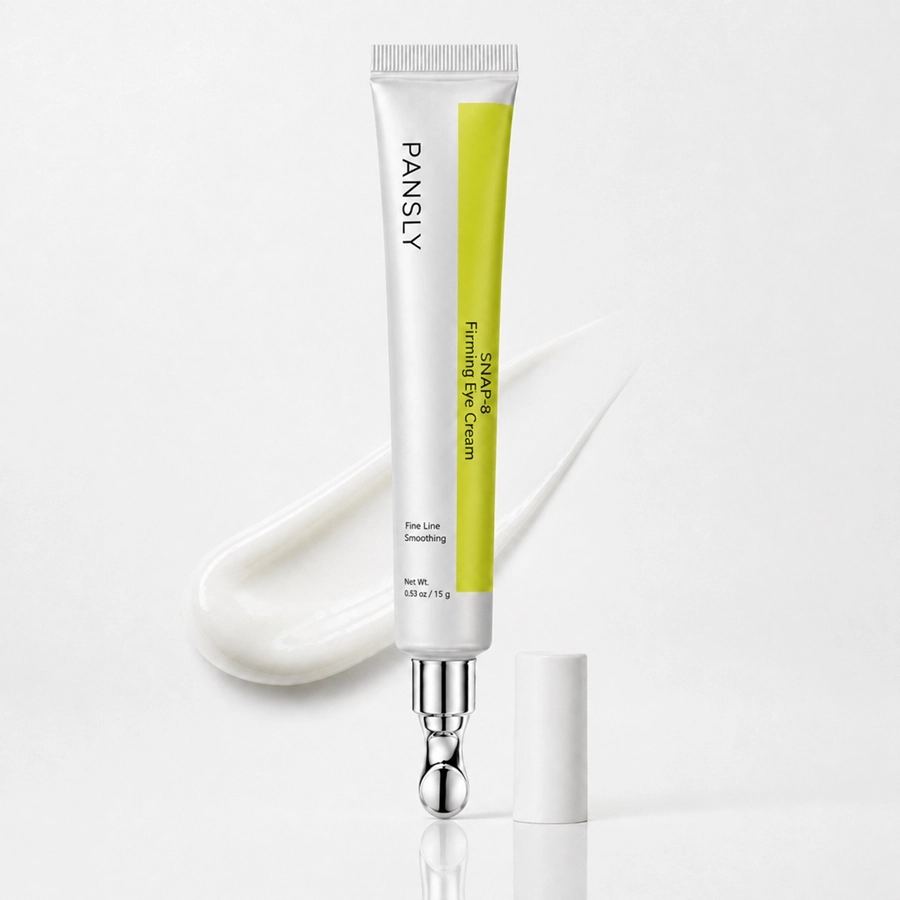
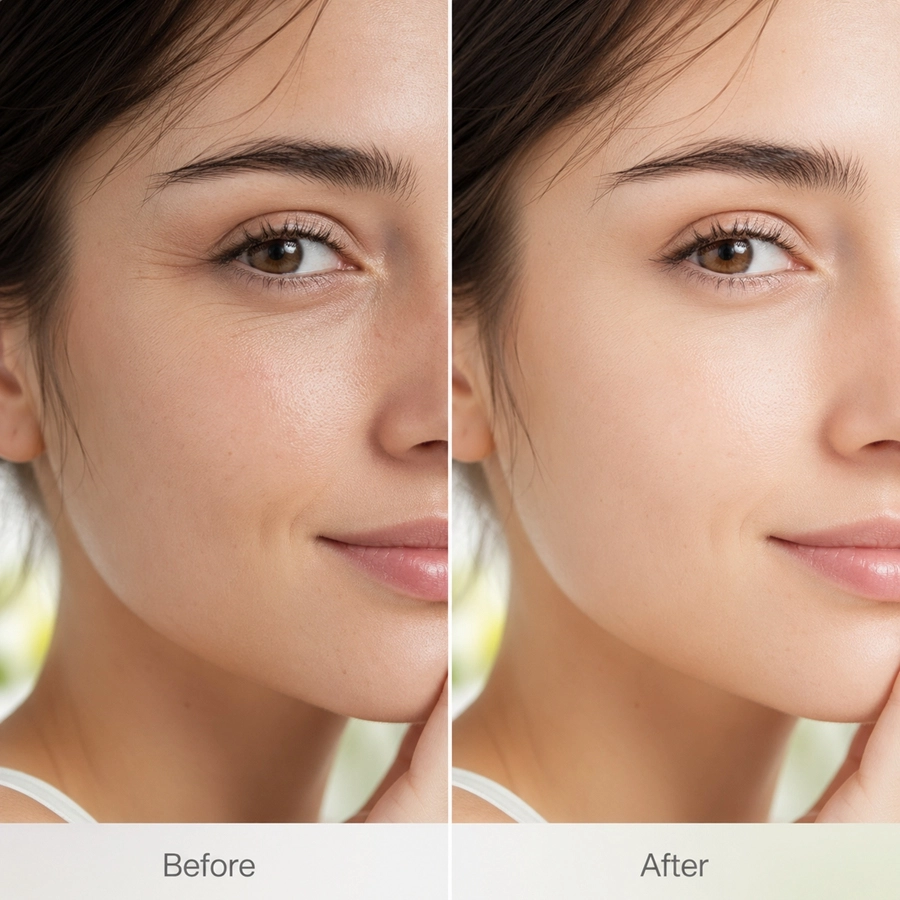
This Pansly SNAP-8 Firming Eye Cream is lightweight massage roller eye cream dedicated to smoothing eye fine lines, lifting saggy eye skin and refreshing tired puffy eyes.
It adopts 4-in-1 peptide eye care complex: SNAP-8 visibly smooths crow’s feet and under-eye fine lines; Caffeine eliminates eye puffiness and awakens dull tired eye area; Peptide Complex lifts loose eye skin to tighten eye contour; Hyaluronic Acid delivers lightweight lasting hydration to nourish dry eye skin.
Comes with built-in metal massage roller for comfortable massage application. Silky lightweight cream texture glides smoothly without heavy greasiness. Daily eye care softens fine lines, firms saggy eye skin, relieves eye fatigue and maintains plump smooth youthful eye area.
Get in Touch with us
If you have any comments or good suggestions, please leave us a message; later our professional staff will contact you as soon as possible.
Click here to customize the Beauty
we respond within a few hours
Monday–Friday, 9AM–6PM
3A01, Building A, Zhisheng Square, No. 4 Zhifu Road, Helong Street, Baiyun District, Guangzhou, China.


Leave a request, and we'll email you back within 24 hours.
© 2026 Beyond Basix. All Rights Reserved.
