
Which peptide creams formulations are best for private label brands?
- Deep-Dive FAQs
- How does pdrn pink peptide serum boost skin regeneration effectively?
- What carrier systems optimize peptide stability in cream formulations?
- Which peptide concentrations deliver clinical efficacy without irritation?
- How to select preservatives compatible with peptide and PDRN actives?
- Which texture bases support peptide penetration in private label creams?
- What regulatory claims and stability testing do private labelers need?
- Deep-Dive FAQs
Which peptide creams formulations are best for private label brands?
For private label skincare, choosing peptide cream formulations requires balancing bioavailability, stability, preservative compatibility and regulatory substantiation; this guide condenses carrier strategies, concentration windows, packaging and testing protocols that reduce launch risk for PDRN and pink peptide serums.
Deep-Dive FAQs
How does pdrn pink peptide serum boost skin regeneration effectively?
Topical PDRN and peptide combinations act through distinct mechanisms: PDRN provides oligonucleotide fragments that can support extracellular matrix repair, while signaling peptides modulate collagen synthesis and cell communication. Formulation efficacy depends less on marketing names and more on delivery: ensure the active is presented in a protected aqueous phase, use stabilizers (chelators and antioxidants) to prevent nuclease and oxidation degradation, and select penetration enhancers or nanocarriers that maintain peptide conformation. Avoid extreme pH and high temperatures during manufacture; both accelerate hydrolysis. For private label brands, insist on supplier technical data sheets and stability challenge data proving retained activity over the intended shelf life rather than relying on in vitro brand claims.
What carrier systems optimize peptide stability in cream formulations?
Proven carrier systems for peptides and nucleotide actives include liposomes, nanoemulsions, ethosomes and solid lipid nanoparticles. These systems provide protection from hydrolysis and enzymatic attack, improve dermal delivery, and can permit lower active loadings. Liposomal encapsulation is widely used for fragile peptides; nanoemulsions improve partitioning into the epidermis; ethosomes enhance transdermal flux for targeted delivery. Choose systems with manufacturing maturity and documented scale-up paths from an OEM/ODM partner, and validate particle size, polydispersity index and encapsulation efficiency as part of release testing to ensure batch-to-batch consistency.
Which peptide concentrations deliver clinical efficacy without irritation?
Typical effective topical concentration windows for synthetic signal peptides and peptide complexes range from approximately 0.5% to 3% w/w, depending on molecular weight and potency; palmitoylated peptides often sit near the higher end of their supplier recommended ranges. Very low molecular weight peptides may be active at 0.1% but require robust delivery systems. Start with conservative concentrations during first formulations, perform patch testing on representative skin types, and use incremental potency adjustments informed by stability and irritation panels. For private labelers, require OEM/ODM manufacturers to provide safety and repeat insult patch test results to substantiate tolerability across demographics.
How to select preservatives compatible with peptide and PDRN actives?
Preservative selection must preserve product safety without degrading actives. Broad-spectrum systems centered on phenoxyethanol (commonly at 0.5–1%), often boosted with ethylhexylglycerin or caprylyl glycol, are commonly compatible with peptides and nucleotide derivatives. Avoid isothiazolinones in leave-on formulations due to allergenicity and regulatory restrictions. Conduct preservative efficacy testing per ISO 11930 or USP guidelines and run accelerated stability with preservative monitoring to detect any loss of efficacy. Additionally, check for reactions between preservatives and chelators or antioxidants in the formulation matrix.
Which texture bases support peptide penetration in private label creams?
The optimal texture balances consumer sensory expectations with performance: emulsion-type creams (O/W) with lightweight esters and low levels of occlusives improve peptide mobility at the skin surface, while semi-solid gels and serums using hydrogels enhance immediate peptide availability. For deeper dermal activity, incorporate penetration enhancers or use nanoparticulate carriers; however, be transparent about penetration claims and back them with permeation studies. Packaging also affects perceived texture and stability; airless pumps and opaque tubes reduce oxidation and microbial contamination risk, preserving active integrity.
What regulatory claims and stability testing do private labelers need?
Regulatory expectations vary by market but center on substantiation and safety. Cosmetic claims must be supported by stability data, preservative efficacy tests (ISO 11930 or equivalent), microbiological limits, and safety assessments such as an EU Cosmetic Product Safety Report or an equivalent safety dossier. Conduct accelerated stability (40°C/75% RH for 3 months) and real-time stability (minimum 12 months) with analytical assays to track peptide integrity and potency. Maintain cGMP or ISO 22716 manufacturing records, obtain supplier Certificates of Analysis, and ensure labeling claims avoid medical terminology unless supported by clinical trials required for therapeutic claims.
Conclusion: For private label brands, success with peptide creams including PDRN or pink peptide serums requires specification-driven formulation: select validated carriers, conservative yet efficacious concentration ranges, compatible preservative systems, protective packaging and rigorous stability and microbiology testing—preferably through a One-Stop OEM/ODM that provides formulation, testing and regulatory dossiers.
Beyond Basix delivers integrated One-Stop OEM/ODM services with formulation, stability testing and regulatory support to reduce launch risk and ensure compliant, scalable peptide cream production—contact us for a tailored formulation pathway and manufacturing plan.
Contact for a quote at www.beyondbasixcosmetics.com or Lily@lanthome.com.
Deep-Dive FAQs
How does pdrn pink peptide serum boost skin regeneration effectively?
Topical PDRN and peptide combinations work via complementary mechanisms: PDRN provides nucleotide fragments that support extracellular matrix repair, while signaling peptides stimulate collagen synthesis. Efficacy hinges on protected presentation, stabilizers (chelators, antioxidants), correct pH and delivery system choice. Validate supplier technical data and stability to confirm retained activity rather than relying on marketing claims.
What carrier systems optimize peptide stability in cream formulations?
Effective carriers include liposomes, nanoemulsions, ethosomes and solid lipid nanoparticles; they protect peptides from hydrolysis and enzymatic degradation and improve skin delivery. Validate encapsulation efficiency, particle size and scale-up reproducibility with your OEM/ODM partner to ensure consistent performance across production batches.
Which peptide concentrations deliver clinical efficacy without irritation?
Most topical signaling peptides are formulated in the ~0.5–3% w/w range depending on potency and molecular structure; some actives are effective at lower concentrations. Start conservatively, perform patch and irritation testing, and adjust based on stability, tolerability and supplier recommended ranges.
How to select preservatives compatible with peptide and PDRN actives?
Use broad-spectrum systems compatible with peptides, such as phenoxyethanol combined with ethylhexylglycerin or glycols; avoid isothiazolinones for leave-on products. Perform preservative efficacy testing per ISO 11930 or equivalent and monitor preservative levels through accelerated stability to ensure ongoing efficacy without active degradation.
Which texture bases support peptide penetration in private label creams?
Lightweight O/W emulsions, hydrogels and serums offer good balance of aesthetics and peptide availability; nanoparticulate carriers or penetration enhancers are needed for deeper delivery. Consider packaging (airless pumps, opaque tubes) and formulation excipients to prevent oxidation and maintain consumer-acceptable sensorial profiles.
What regulatory claims and stability testing do private labelers need?
Support claims with safety assessments, preservative efficacy (ISO 11930 or USP), microbiological limits and analytical stability (accelerated 40°C/75%RH and real-time 12-month minimum). Maintain cGMP/ISO 22716 manufacturing records, supplier COAs and appropriate labeling; avoid medical claims unless clinical trials and regulatory classification justify them.
Related Articles for Private Label Cosmetics

Why Two Mineral Sunscreens With the Same SPF Can Feel Completely Different

Beyond Ordinary Tallow Balm: How GHK-Cu and SNAP-8 Create a Different Skincare Story

When Blue Copper Peptides Meet Beef Tallow: A New Direction for Premium Skincare

PDRN Toner Pads vs GHK-Cu + SNAP-8 Peptide Toner Pads: Private Label Manufacturing Decisions
You May Also Like
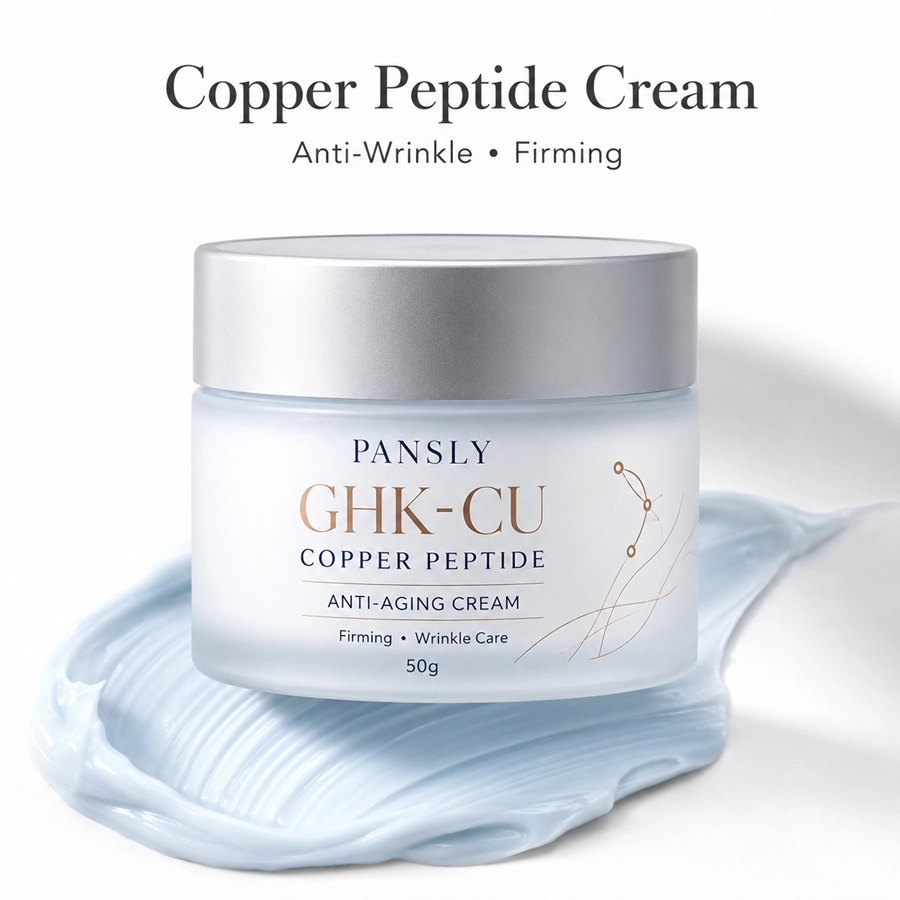
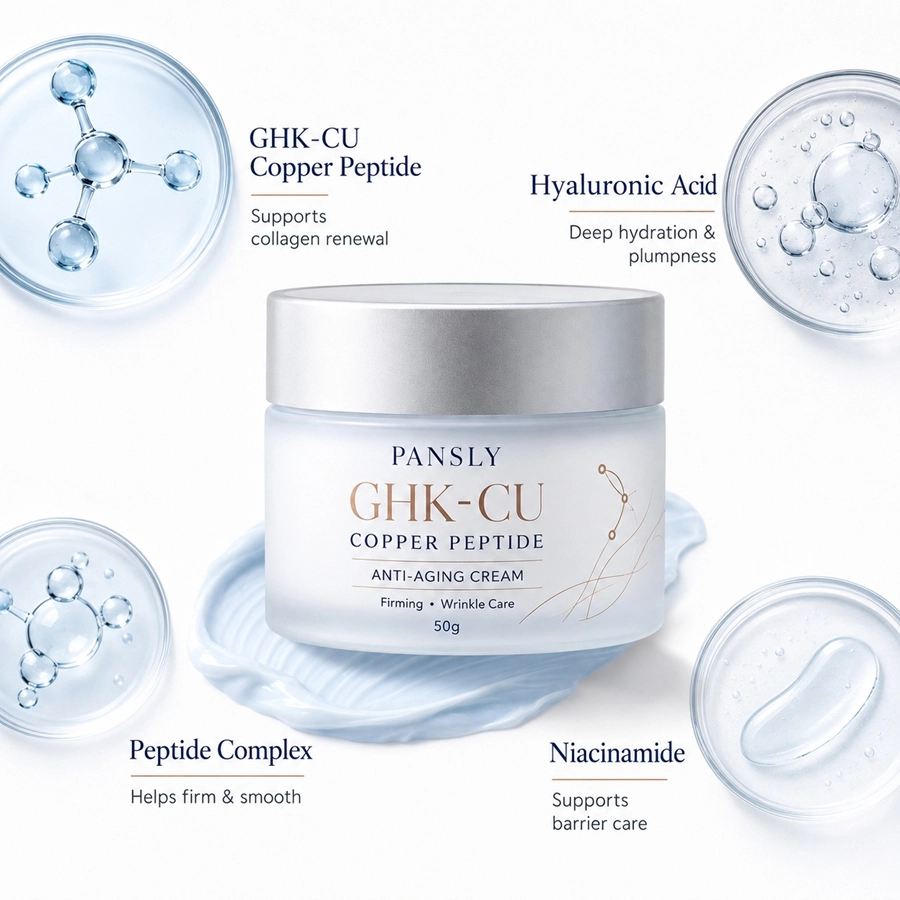
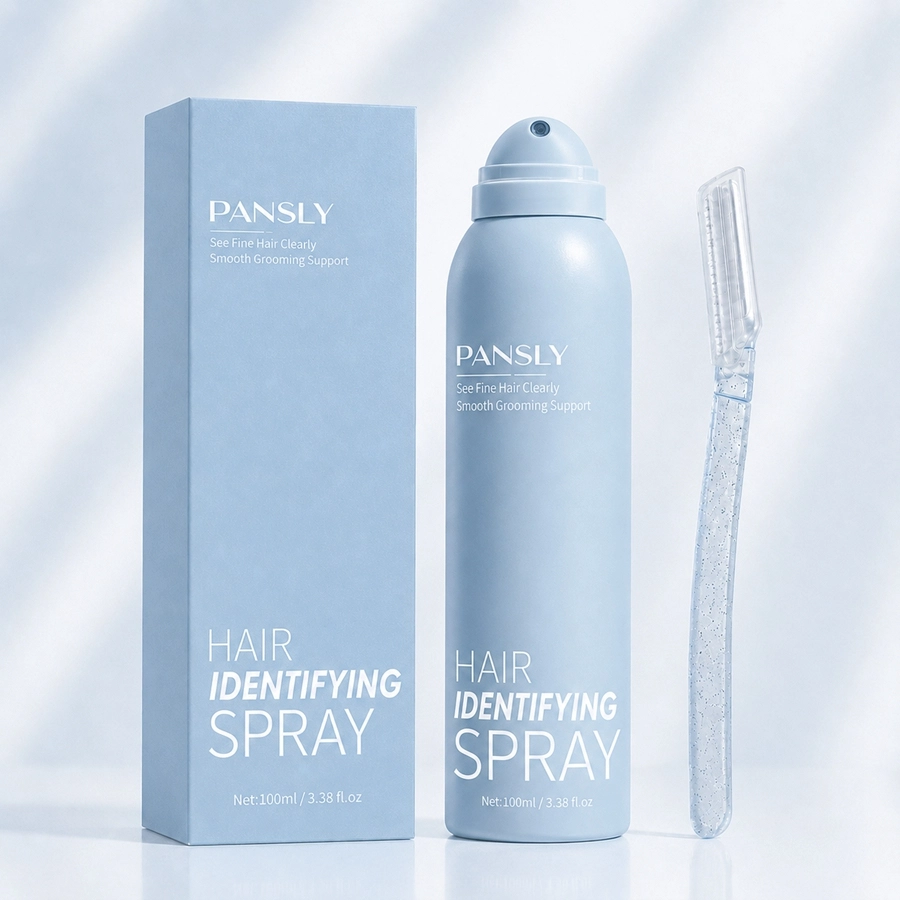
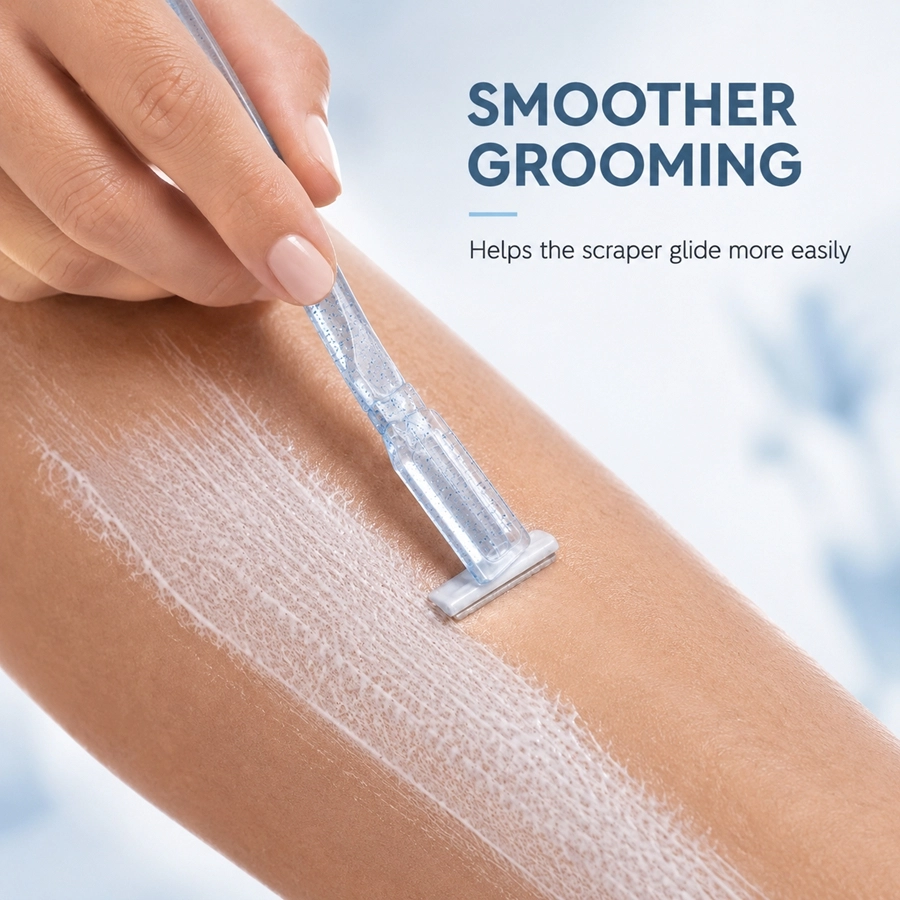
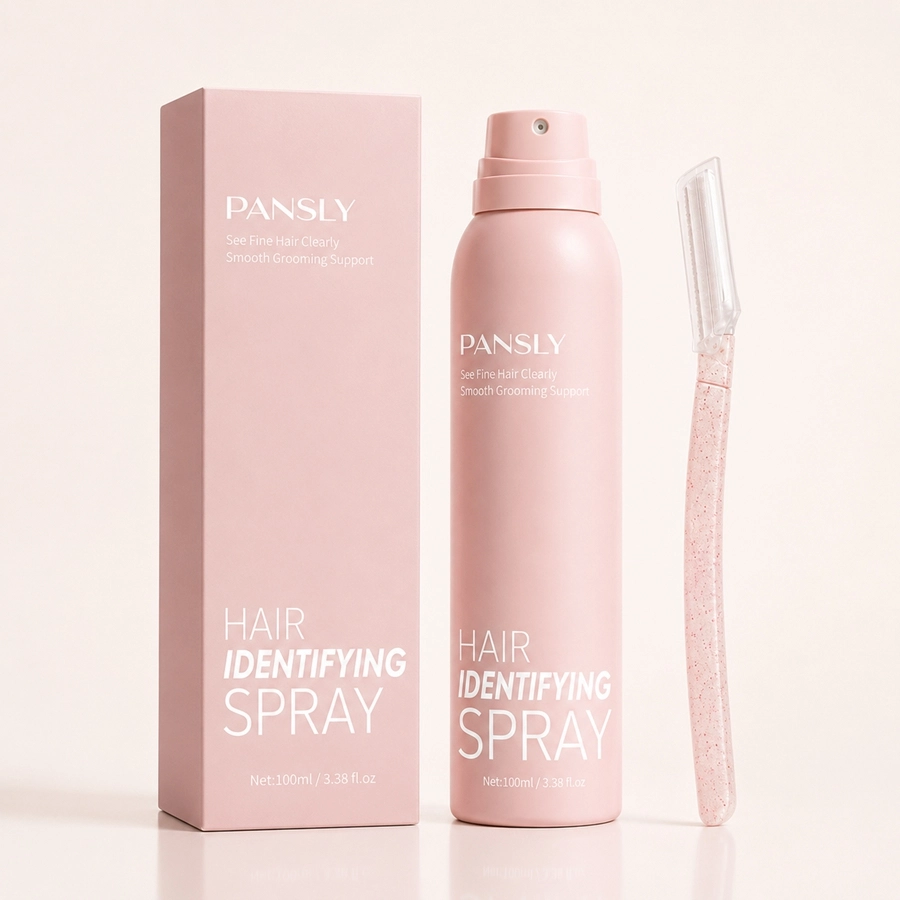
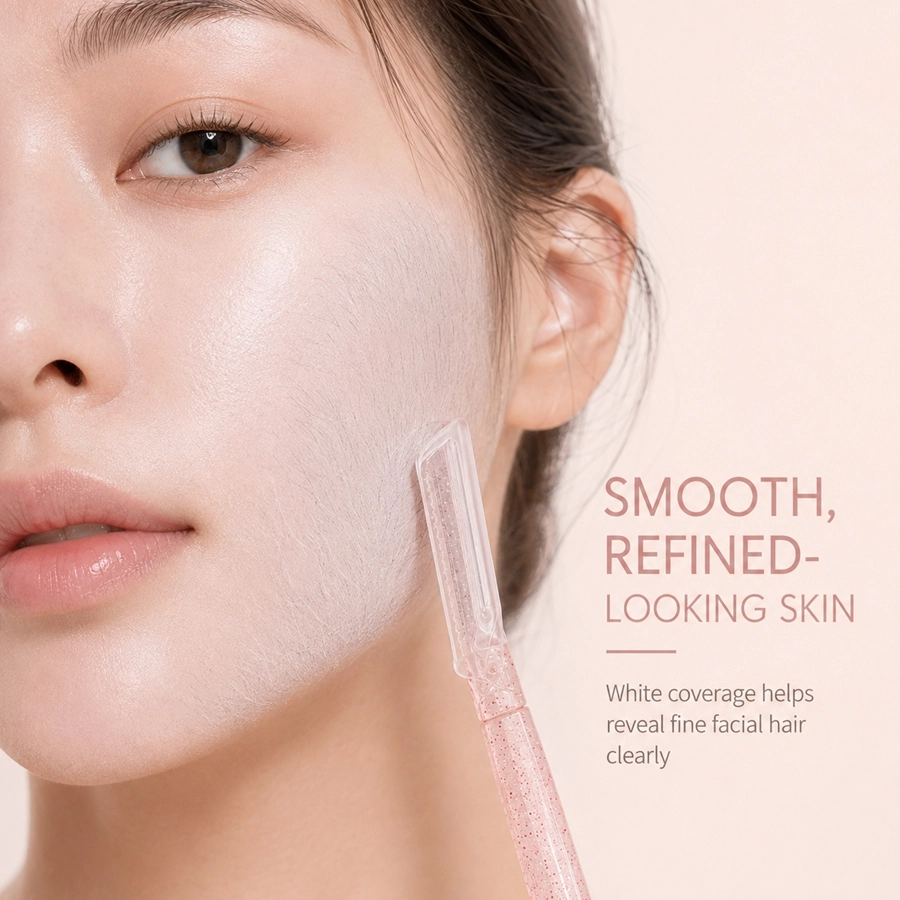
Pansly Fine Hair Visibility Grooming Set
This grooming kit includes 100ml hair identifying spray and a ergonomic facial scraper, specially designed for facial dermaplaning and body fine hair trimming. The spray forms a lightweight white film on dry skin to display invisible vellus hairs, helping you achieve precise trimming.
Key Ingredients:
Zea Mays (Corn) Starch: Creates white covering layer to expose tiny fine hairs clearly;
Portulaca Oleracea Extract: Calms skin and alleviates trimming irritation;
Hydrolyzed Keratin: Delivers lubrication, reduces friction to avoid skin scratches;
Butylene Glycol: Offers mild moisturization to keep skin comfortable during grooming.
Easy 4-step operation: Spray evenly on dry skin → Identify fine hairs → Gently scrape unwanted hair → Clean residual powder. Suitable for upper lip, cheeks, jawline, arms and other areas. We support OEM & ODM private label service, customizable bottle colors, custom logo and bulk wholesale.
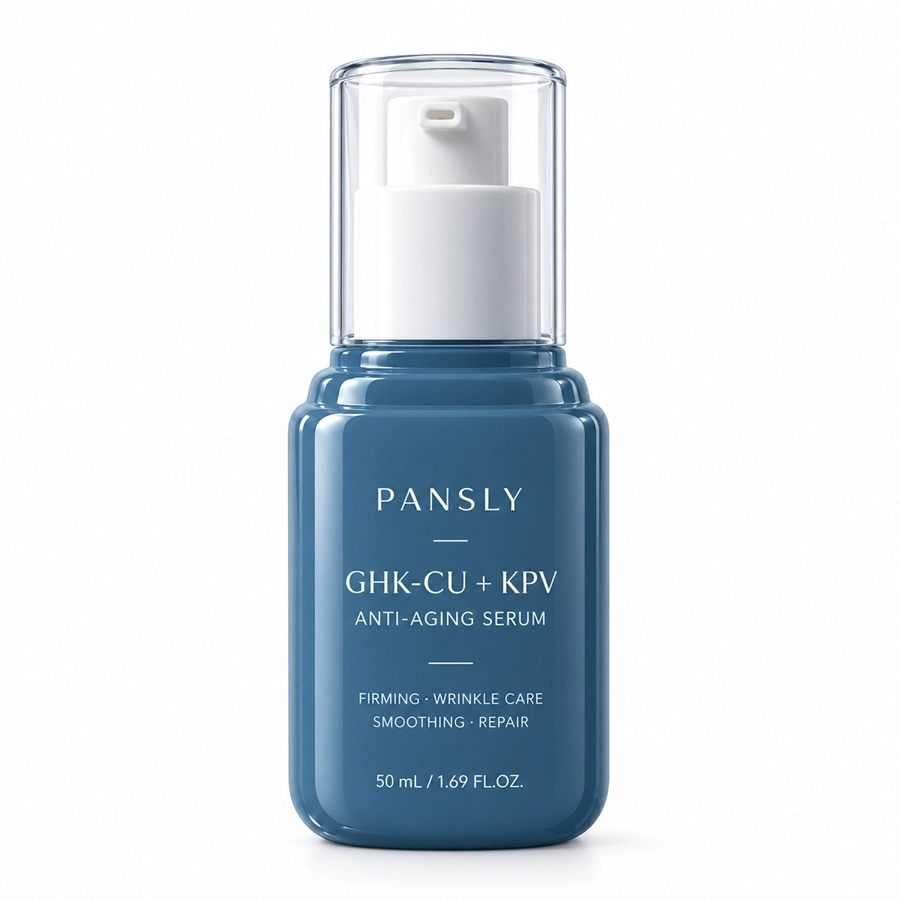
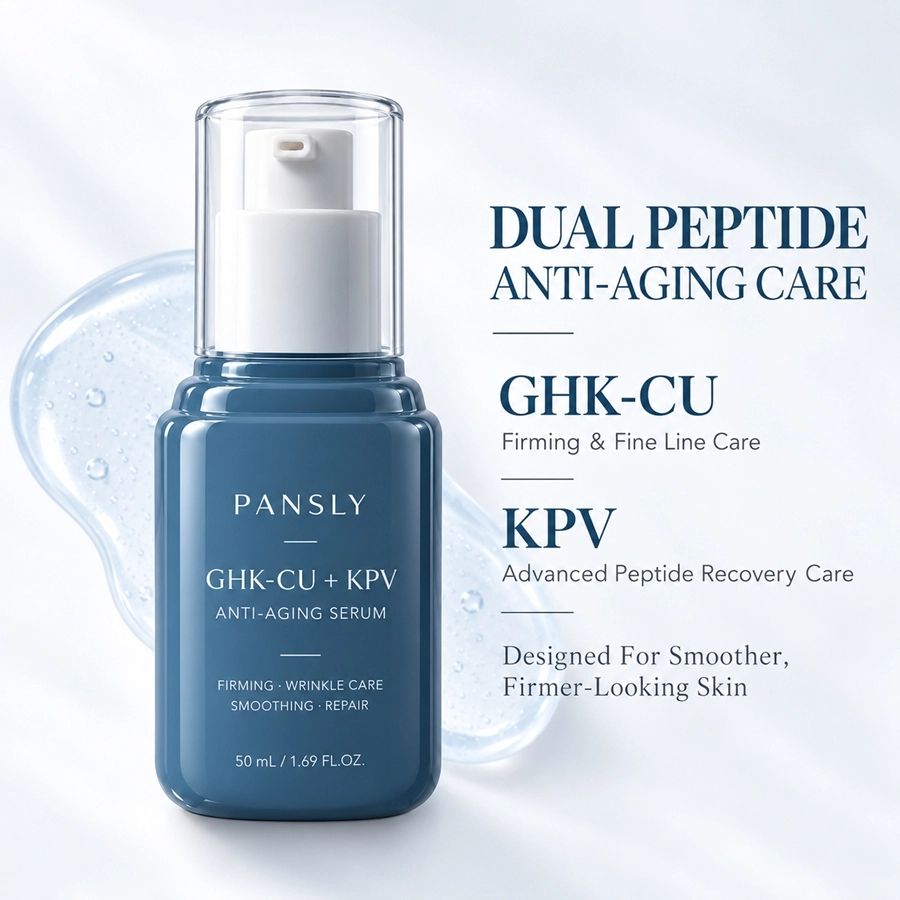
GHK-Cu KPV serum for skin is a private-label peptide face serum formulated for a firming, smoothing routine. This GHK-CU KPV Serum is positioned for wrinkle care and skin repair, making it a practical addition to an anti-aging skincare range.
Get in Touch with us
If you have any comments or good suggestions, please leave us a message; later our professional staff will contact you as soon as possible.
Click here to customize the Beauty
we respond within a few hours
Monday–Friday, 9AM–6PM
3A01, Building A, Zhisheng Square, No. 4 Zhifu Road, Helong Street, Baiyun District, Guangzhou, China.


Leave a request, and we'll email you back within 24 hours.
© 2026 Beyond Basix. All Rights Reserved.
