
PDRN vs Ectoin: What Does Each Ingredient Contribute to a Moisturizer?
Quick Answer
PDRN primarily supports a recovery-positioned, skin-conditioning story, while ectoin is used to help maintain hydration and barrier comfort under environmental stress. In a pdrn ectoin face cream, the pairing can balance a differentiated ingredient narrative with moisturization performance. Selection depends on PDRN identity, ectoin level, emulsion compatibility, packaging, and claim substantiation; final solutions require project testing and site conditions.
How Beyond Basix Supports Projects
Beyond Basix can support OEM and ODM skincare development through formulation planning, ingredient-focused product development, production coordination, and documented manufacturing processes. Its 23 years of cosmetics industry experience, 12,000-square-meter facility, 100,000-level GMPC pharmaceutical-grade dust-free workshop, and 12 production lines provide a manufacturing base for customized moisturizer projects.
For a PDRN and ectoin cream, buyers should confirm the PDRN specification and source documentation, ectoin quality, target texture, packaging format, intended claims, and applicable market requirements. MOQ, lead time, testing scope, and quotation must be confirmed for each project rather than assumed from a standard formula.
Discuss Your PDRN and Ectoin Moisturizer Project
Please provide your target market, consumer skin profile, desired texture, ingredient and claim priorities, packaging preference, expected order volume, and regulatory requirements. These details allow discussion of suitable formulation directions, sample steps, testing plans, and production arrangements. Send your project brief to www.beyondbasixcosmetics.com or Lily@lanthome.com for a focused OEM/ODM discussion.
Deep-Dive FAQs
What does PDRN contribute to a daily moisturizer formulation?
PDRN generally refers to polydesoxyribonucleotide, purified DNA fragments used in cosmetic formulations for a skin-conditioning and recovery-positioned concept. Its commercial value depends heavily on the ingredient specification, purification documentation, molecular profile, supplier evidence, and permitted claims in the target market. It should not be described automatically as a tissue-regenerating or medical active in a cosmetic product. Formulators also need to assess its compatibility with the emulsion system, preservative design, pH range, heating process, and filling conditions. A sensible development approach is to define the cosmetic benefit first, then support it with stability, safety, compatibility, and consumer-use testing rather than relying solely on the ingredient name.
How does ectoin support barrier comfort in leave-on creams?
Ectoin is an extremolyte, or compatible solute, associated with cellular protection in organisms exposed to environmental stress. In topical products, it is valued for water management, hydration support, and helping skin feel more comfortable when exposed to dryness or other external stressors. It is not a conventional occlusive oil and does not replace the structural role of ceramides, fatty materials, or film-forming agents. Its performance therefore depends on the full moisturizer architecture, including humectants, emollients, occlusives, emulsifier selection, and application frequency. Claims should be linked to the finished formula and substantiated with appropriate hydration, barrier-related, tolerance, or user-perception testing.
Can PDRN and ectoin remain stable in one emulsion?
They can be evaluated in the same emulsion, but coexistence should never be assumed from ingredient compatibility charts alone. The development team should review each material’s recommended pH, processing temperature, water-phase behavior, preservative environment, electrolyte sensitivity, and supplier storage instructions. PDRN may require careful handling to limit unnecessary thermal or mechanical stress, while ectoin must be assessed within the selected concentration and delivery system. The finished product should undergo accelerated and real-time stability work, freeze-thaw or temperature-cycle assessment where relevant, packaging compatibility review, microbiological testing, and appearance or viscosity monitoring. Any adjustment to pH, preservative system, or processing sequence warrants renewed evaluation.
Which testing separates marketing claims from measurable moisturizer performance?
A credible test plan begins with the exact consumer claim. Instrumental corneometry can support a moisturization claim by measuring changes in skin hydration under defined conditions, while transepidermal water-loss testing may provide relevant evidence for barrier-function positioning when the protocol is properly designed. These methods do not prove every claim associated with PDRN or ectoin, and neither automatically demonstrates long-term biological repair. A controlled user study can add information about comfort, dryness, tightness, and tolerability. Testing should specify sample size, control or baseline, application schedule, measurement time points, statistical approach, and target-market claim rules. Supplier literature is useful background, not a substitute for finished-product evidence.
How should brands choose PDRN source and concentration?
Source selection should begin with identity, purity, traceability, extraction or purification information, residual impurity controls, microbiological limits, allergen considerations, and regulatory acceptability in the intended sales markets. The phrase PDRN does not by itself define a uniform material, so two suppliers may provide products with different specifications and supporting data. Concentration should be selected through formula screening and claim strategy rather than by copying a competitor’s label. The buyer should compare sensory impact, solubility, processing tolerance, cost-in-use, supplier continuity, and finished-product test results. Documentation such as specification sheets, certificates of analysis, safety information, and regulatory statements should be reviewed before a bulk order is approved.
What packaging protects a PDRN ectoin cream during distribution?
Packaging should be selected after compatibility and stability screening, not only for appearance. An airless pump or other protective dispensing system may reduce repeated exposure to air and user contact, but suitability depends on the formula, closure design, dose accuracy, and filling process. Opaque or light-protective packaging can be considered when the finished formula or supporting stability data indicates sensitivity to light. For a pdrn ectoin face cream, evaluate container-material interaction, adsorption, leakage, pump performance, viscosity changes, odor, color, and microbiological protection through the intended transport and storage conditions. Distribution testing should reflect the target market’s temperature range, shipping duration, handling conditions, and warehouse practices.
Related Articles for Private Label Cosmetics

Why Two Mineral Sunscreens With the Same SPF Can Feel Completely Different

Beyond Ordinary Tallow Balm: How GHK-Cu and SNAP-8 Create a Different Skincare Story

When Blue Copper Peptides Meet Beef Tallow: A New Direction for Premium Skincare

PDRN Toner Pads vs GHK-Cu + SNAP-8 Peptide Toner Pads: Private Label Manufacturing Decisions
You May Also Like
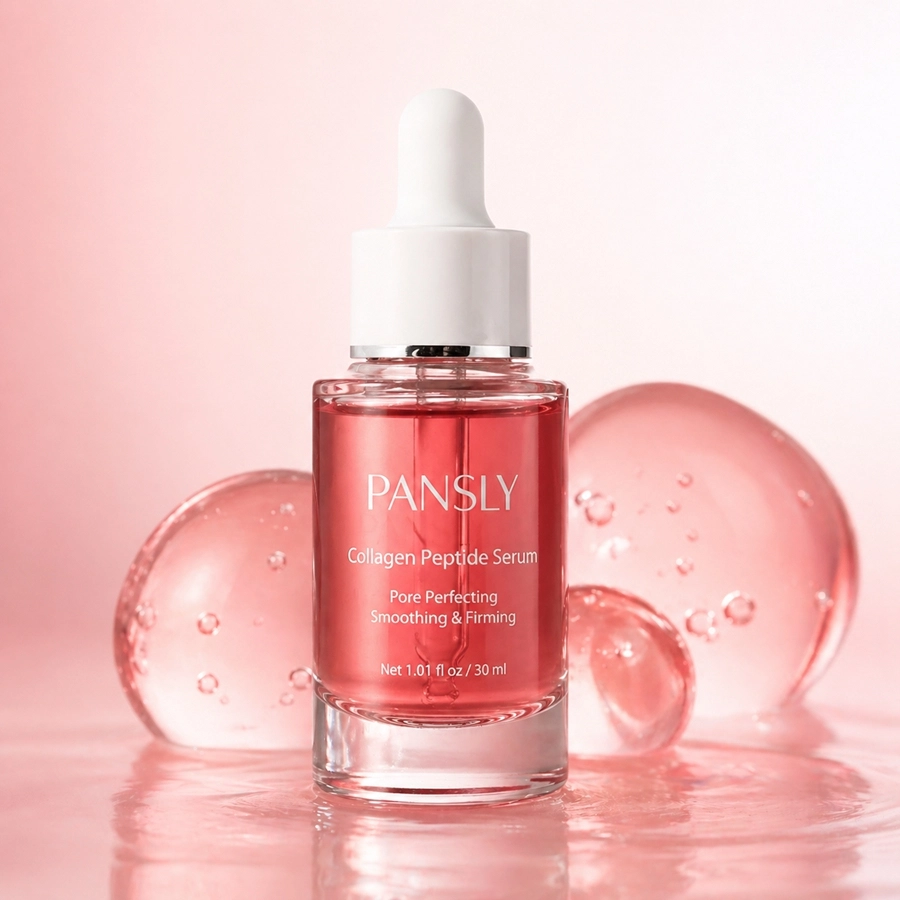
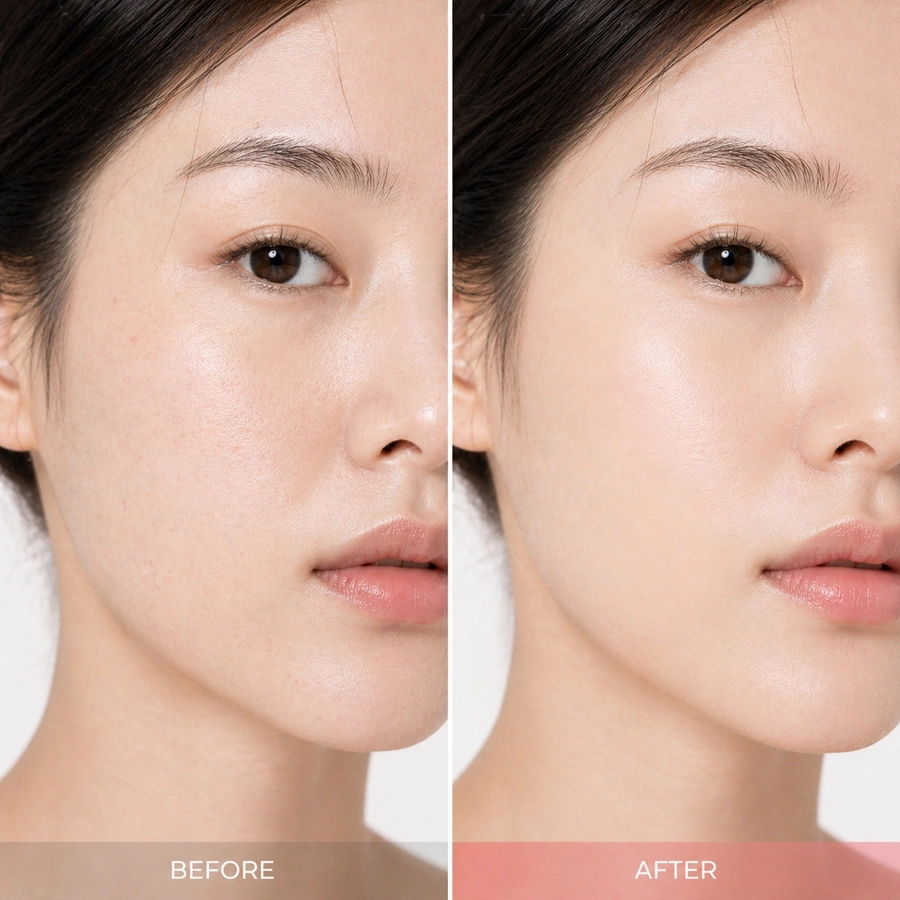
This Pansly Collagen Peptide Pore Perfecting Serum is lightweight multi-effect facial essence, designed to refine enlarged pores, boost skin firmness and deliver long-lasting hydration.
Four premium active ingredients work synergistically to renew skin texture:
Collagen Peptide supports skin firmness, lifts saggy dull complexion;
Hyaluronic Acid delivers deep multi-layer hydration to relieve dryness;
Niacinamide refines pores and evens uneven skin tone;
Panthenol soothes and repairs vulnerable skin barrier.
It adopts lightweight pink serum texture, quickly penetrates deep into skin, non-sticky and comfortable after absorption. Daily use minimizes visible pores, smooths rough texture, firms skin and maintains plump, soft, radiant complexion. OEM & ODM private label service is available, including formula customization and packaging options.
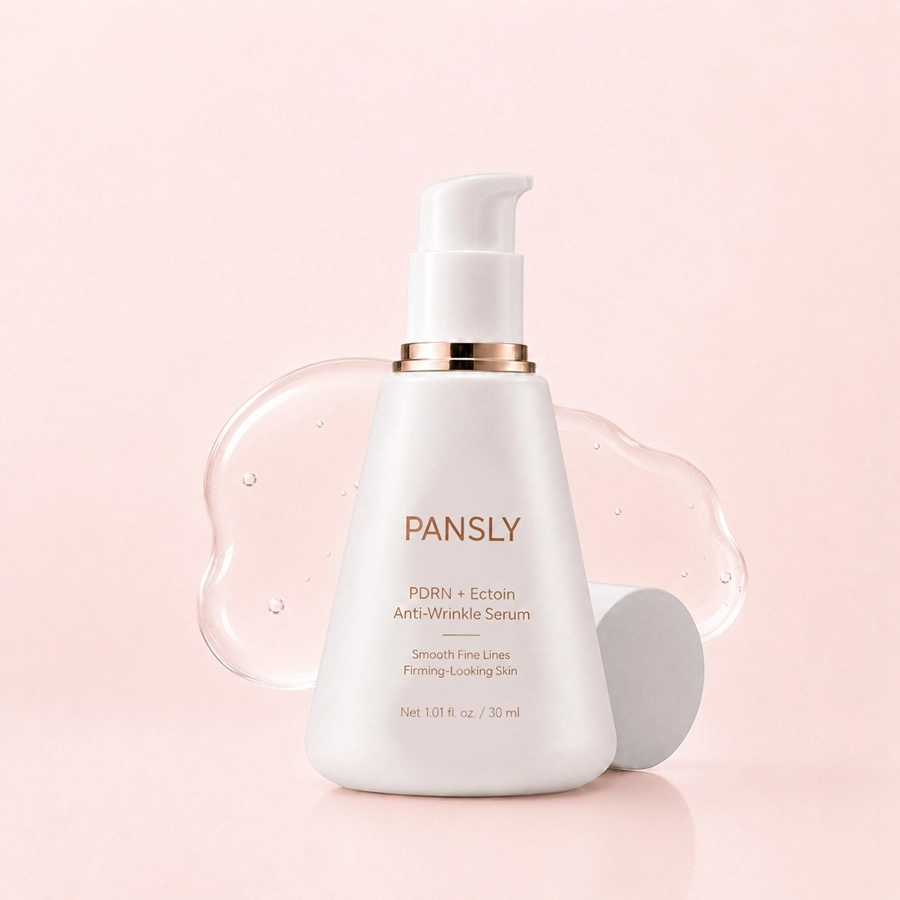
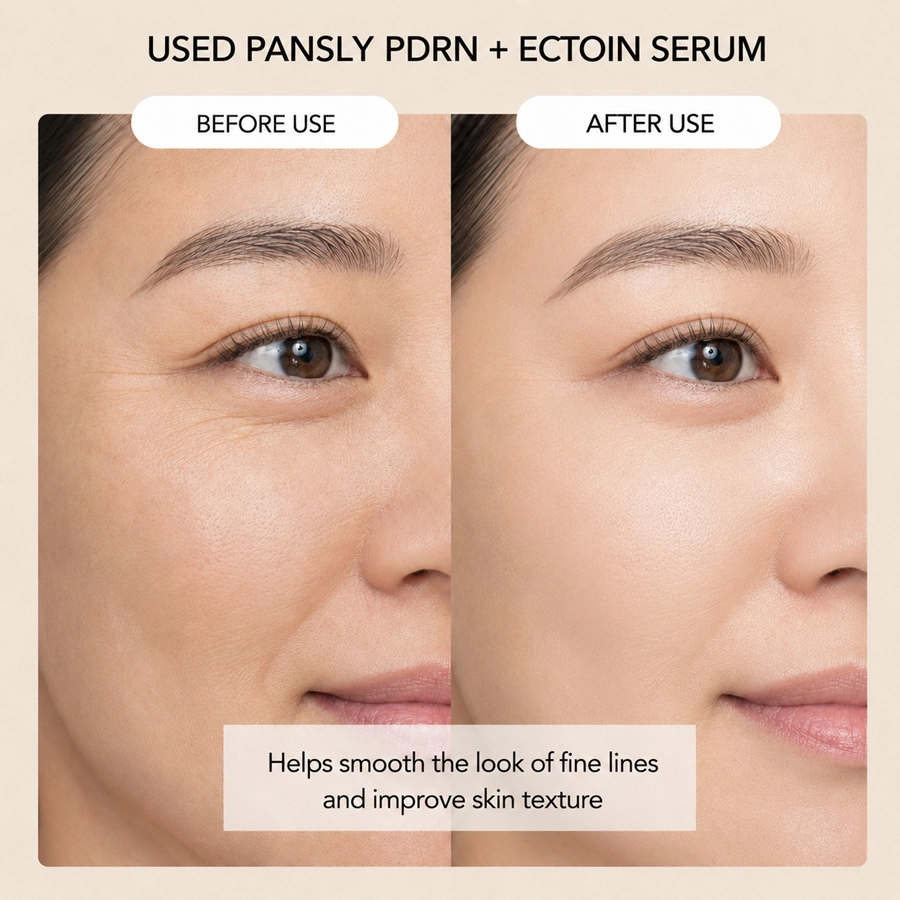
This Pansly PDRN + Ectoin Anti-Wrinkle Serum is lightweight daily anti-aging essence targeting fine lines, dryness and sensitive stressed skin.
Powered by triple core active ingredients: PDRN delivers anti-wrinkle care to visibly smooth the appearance of fine lines and lift skin for firmer contour; Ectoin reinforces skin moisture barrier, relieves discomfort and maintains long-term skin comfort; Hyaluronic Acid provides lasting lightweight hydration to keep skin fresh and silky smooth all day.
With fresh, fast-absorbing non-sticky serum texture, it fits morning & night daily routine. After consistent use, it refines uneven rough texture, fades visible dry lines and restores soft, youthful resilient complexion. Simple 3-step application for easy home skincare.
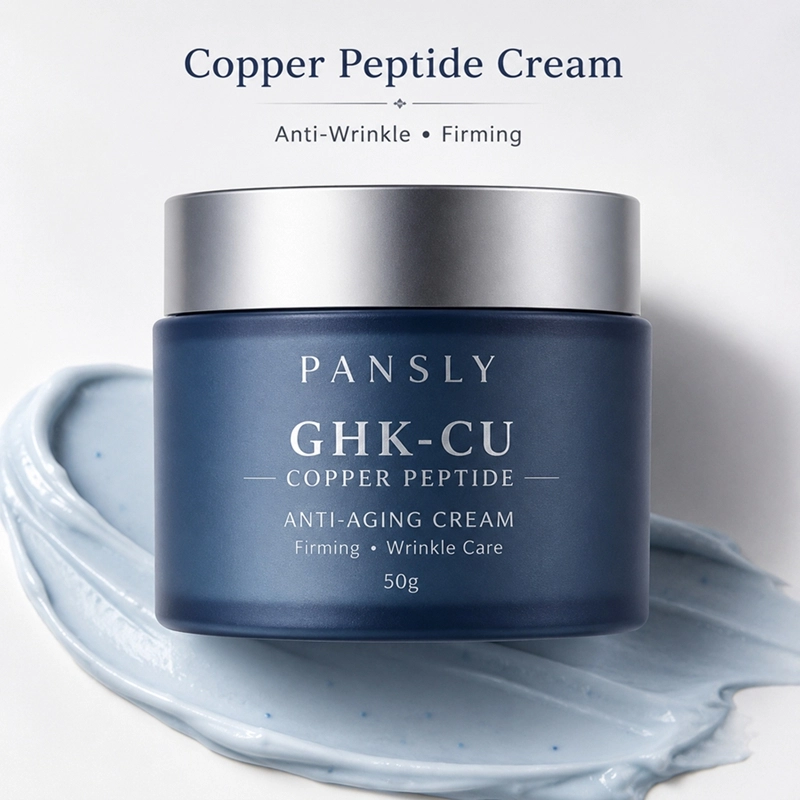
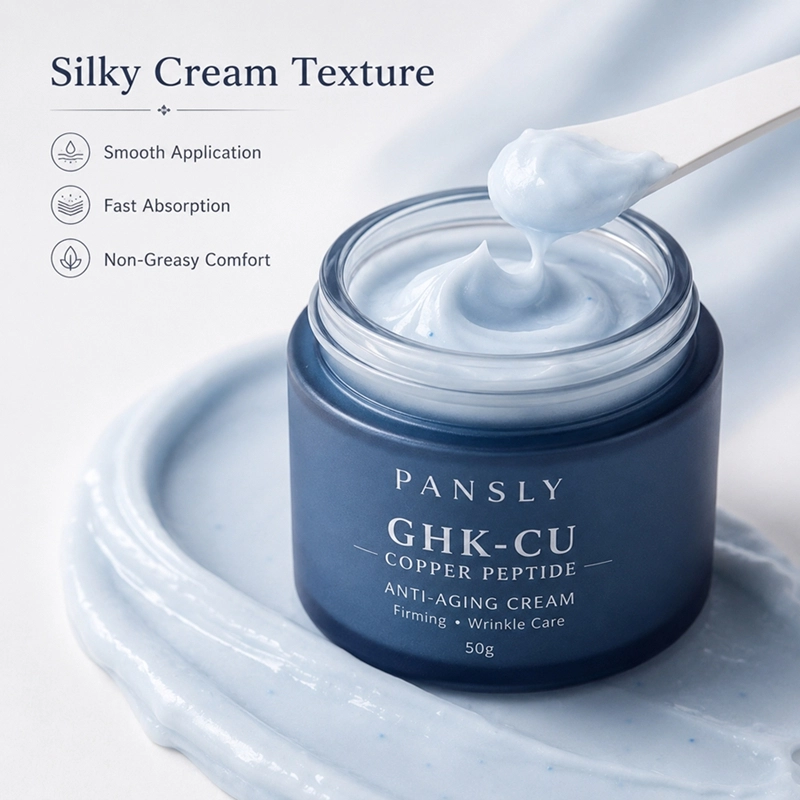
GHK-Cu Face Cream, a copper peptide anti-aging formula, hydrates deeply and supports skin barrier repair. Private label available for bulk orders, giving brands a ready-to-sell moisturizer with a blue copper peptide base for smoother-looking skin.
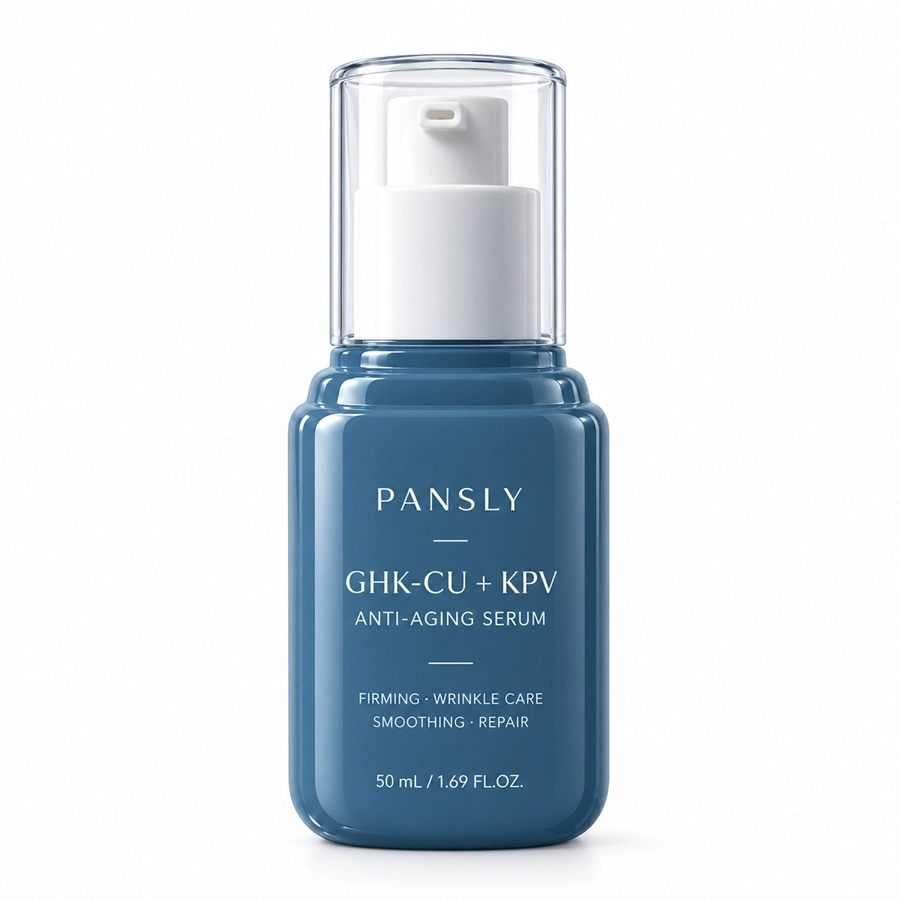
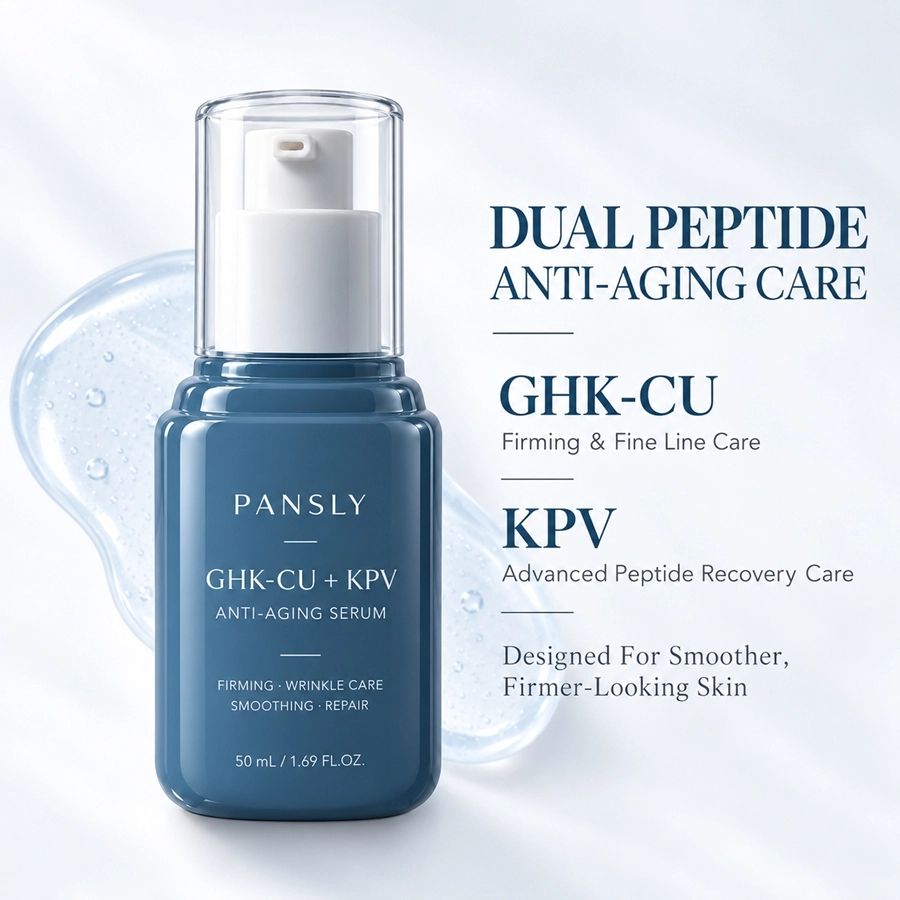
GHK-Cu KPV serum for skin is a private-label peptide face serum formulated for a firming, smoothing routine. This GHK-CU KPV Serum is positioned for wrinkle care and skin repair, making it a practical addition to an anti-aging skincare range.
Get in Touch with us
If you have any comments or good suggestions, please leave us a message; later our professional staff will contact you as soon as possible.
Click here to customize the Beauty
we respond within a few hours
Monday–Friday, 9AM–6PM
3A01, Building A, Zhisheng Square, No. 4 Zhifu Road, Helong Street, Baiyun District, Guangzhou, China.


Leave a request, and we'll email you back within 24 hours.
© 2026 Beyond Basix. All Rights Reserved.
