Peptide Facial Cleanser vs Standard Hydrating Cleanser: Where Is the Difference?
Quick Answer
A peptide facial cleanser is formulated to support a targeted ingredient story, while a standard hydrating cleanser primarily focuses on mild cleansing and skin comfort. A ghk-cu peptide facial cleanser may be suitable for a differentiated concept, but rinse-off contact time, peptide stability, surfactant compatibility, pH, preservation, and substantiation determine its commercial value. Beyond Basix can assess these factors through project-based formulation and manufacturing support. Final solutions depend on the intended market, testing plan, and production conditions.
How Beyond Basix Supports Projects
Beyond Basix Cosmetics Ltd. provides One-Stop OEM/ODM for Skincare support, covering concept evaluation, custom formulation, sample development, production, and quality-control coordination. Its 12,000-square-meter facility includes a 100,000-level GMPC pharmaceutical-grade dust-free workshop and 12 production lines, supporting cleanser projects that require controlled manufacturing and repeatable filling.
With more than 23 years in cosmetics research, production, and sales, Beyond Basix can discuss peptide selection, surfactant systems, pH, packaging compatibility, preservation, and claim direction. Buyers should confirm target market, formula format, packaging, MOQ, lead time, testing scope, and quotation for each project; these items are not fixed across all orders.
Discuss Your Peptide Cleanser Project
Share your target market, consumer profile, desired skin benefit, formula texture, preferred packaging, target order volume, and required certifications or tests. The project can then be reviewed for suitable formulation routes, sample steps, stability evaluation, packaging coordination, and production planning. For a tailored discussion, visit www.beyondbasixcosmetics.com or email Lily@lanthome.com.
Deep-Dive FAQs
Can a ghk-cu cleanser deliver benefits after rinsing?
A rinse-off product has limited skin contact compared with a leave-on serum, so brands should avoid assuming that adding GHK-Cu automatically creates a meaningful anti-aging result. The practical question is whether the peptide remains adequately available during use and whether the finished formula supports a credible cosmetic claim. Surfactant exposure, dilution with water, rinse duration, pH, packaging, and storage can influence the system. A responsible development plan should compare the formula with a peptide-free control, review ingredient compatibility, and use finished-product testing where claims require support. The cleanser may be positioned around a peptide-led cleansing experience or skin-conditioning concept, but disease-treatment or guaranteed repair claims are inappropriate for a cosmetic product.
How does peptide cleanser differ from hydrating cleanser formulation?
The difference is usually the formulation objective rather than the presence of one special ingredient. A standard hydrating cleanser commonly prioritizes mild surfactant selection, humectants, emollient support, rinsability, and reduced post-wash tightness. A peptide version adds an active-ingredient strategy that must be evaluated within the same cleansing base. Peptides can be sensitive to pH, oxidation, heat, metal ions, and interactions with other raw materials, depending on their chemistry. The finished product still needs acceptable foam, cleansing performance, sensory profile, preservation, and packaging compatibility. A peptide label story does not compensate for an irritating surfactant system or poor after-feel.
Is copper peptide compatible with common facial cleanser surfactants?
Compatibility cannot be decided from the surfactant name alone. GHK-Cu is a copper complex, and the formula environment may affect its color, stability, solubility, and performance. Developers should review the complete INCI system, including anionic, amphoteric, or nonionic surfactants; chelating agents; fragrance; botanical extracts; preservatives; water quality; and pH. Laboratory screening should monitor appearance, odor, pH, viscosity, microbial quality, and relevant active-ingredient indicators during stability studies. Packaging also matters because light and air exposure can contribute to change. A small bench sample that looks acceptable immediately is not evidence of commercial shelf stability; accelerated and real-time studies should be considered according to the target market and claim requirements.
What testing proves peptide cleanser performance for private label?
Testing should be matched to the proposed claim, product category, and market regulations. Basic development work normally includes physicochemical checks such as pH, viscosity, appearance, odor, fill weight, and microbial limits, together with preservative-efficacy evaluation where applicable. Stability and packaging-compatibility studies help assess whether the formula remains acceptable through its intended storage period. If the brand wants to communicate moisturization, reduced tightness, or cleansing performance, an appropriate instrumental or consumer-use study may be more relevant than testing the raw peptide alone. Testing a raw material does not prove the same effect in a diluted, rinsed finished product. Claims should be written only after the finished formula generates suitable supporting evidence.
Should brands choose ghk-cu cleanser for sensitive skin?
Not automatically. Sensitive-skin suitability depends on the entire formula, including surfactant mildness, fragrance and essential-oil choices, preservative system, pH, rinse behavior, and the consumer population. Copper peptide itself should not be treated as proof of low irritation or universal tolerance. A brand should define whether it wants a fragrance-free, low-foam, barrier-conscious, or dermatologically tested positioning, then develop and evaluate the complete formula accordingly. Patch testing or controlled use testing may support a carefully worded cosmetic claim, but neither replaces regulatory review or broad safety assessment. For beginners, a simple, mild cleansing base with a substantiated conditioning story may be more commercially defensible than adding a complex active without a clear testing plan.
How do MOQ and stability affect peptide cleanser costs?
Peptide cleanser pricing is shaped by more than the cost of GHK-Cu. Formula complexity, peptide dosage, raw-material grade, surfactant system, packaging, filling format, testing scope, artwork, and production quantity all influence the quotation. Lower volumes can raise unit cost because setup, sampling, testing, and packaging procurement are distributed across fewer units. Stability work may also require additional time and samples before a launch decision. Buyers should distinguish formula-development cost, testing cost, packaging cost, and bulk-production cost when comparing proposals. MOQ, lead time, and final pricing should be confirmed after the formula brief, target market, packaging choice, and required testing are defined rather than estimated from the ingredient list alone.
Related Articles for Private Label Cosmetics
Why Two Mineral Sunscreens With the Same SPF Can Feel Completely Different
Beyond Ordinary Tallow Balm: How GHK-Cu and SNAP-8 Create a Different Skincare Story
When Blue Copper Peptides Meet Beef Tallow: A New Direction for Premium Skincare
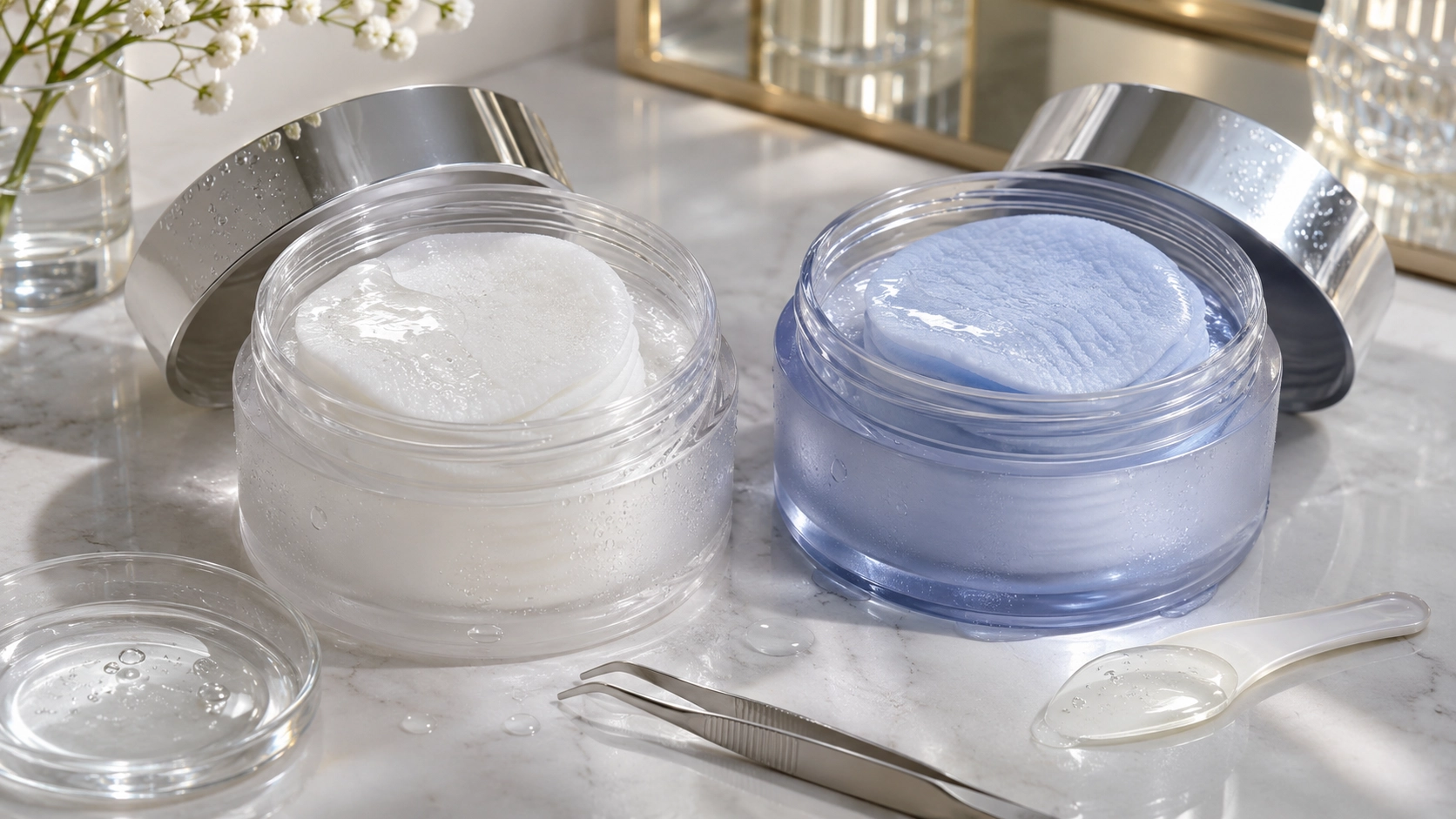
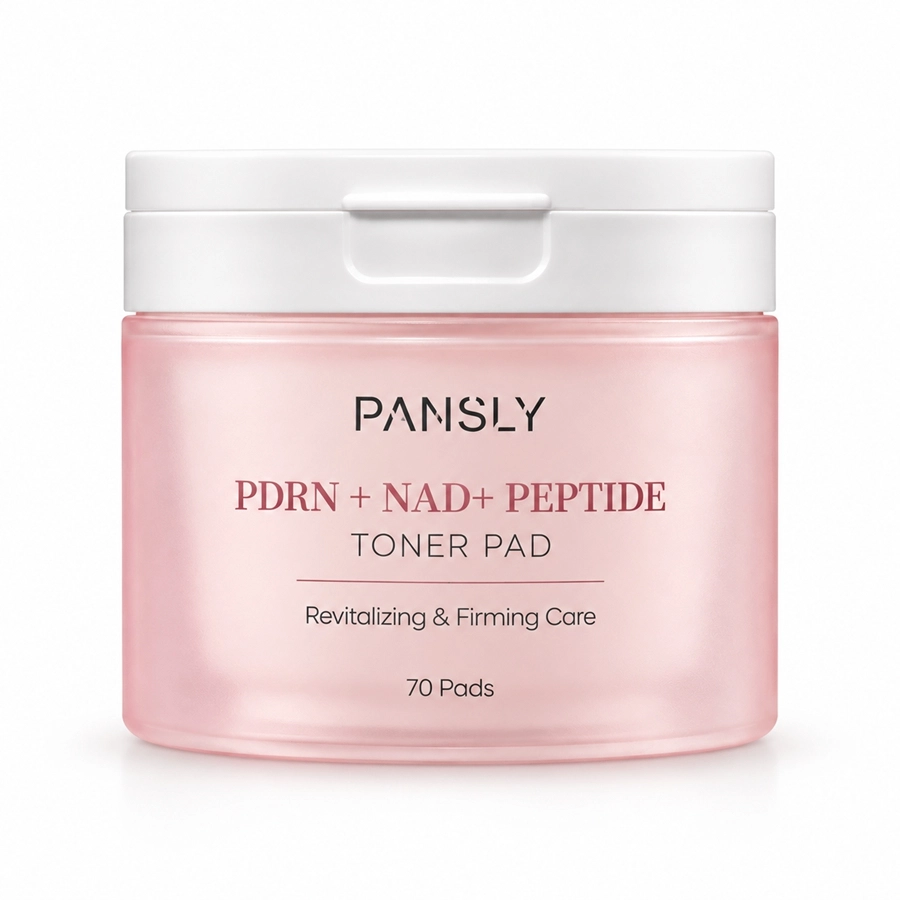
PDRN Toner Pads vs GHK-Cu + SNAP-8 Peptide Toner Pads: Private Label Manufacturing Decisions
You May Also Like
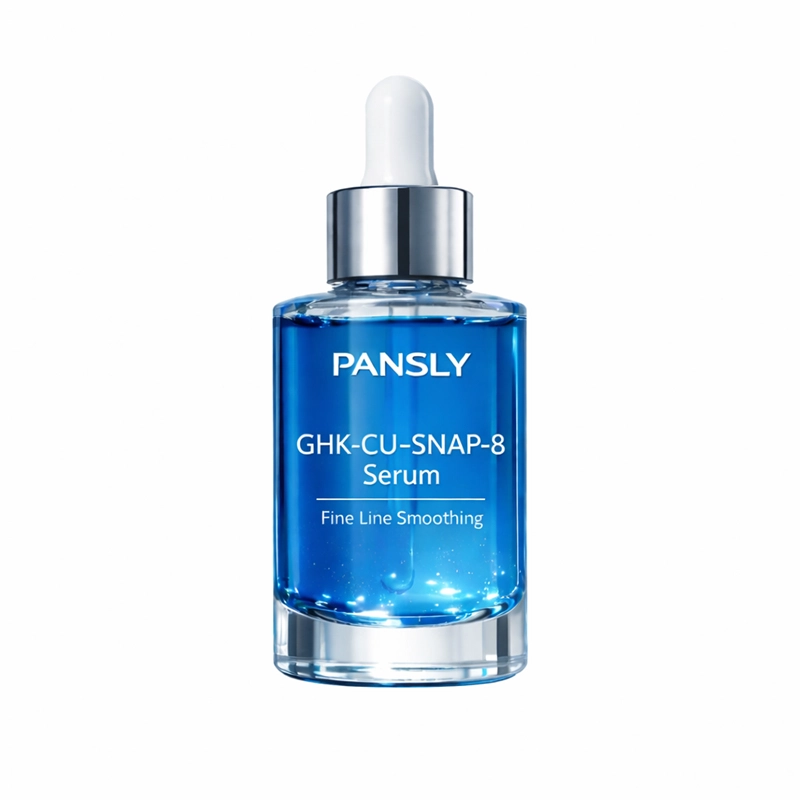
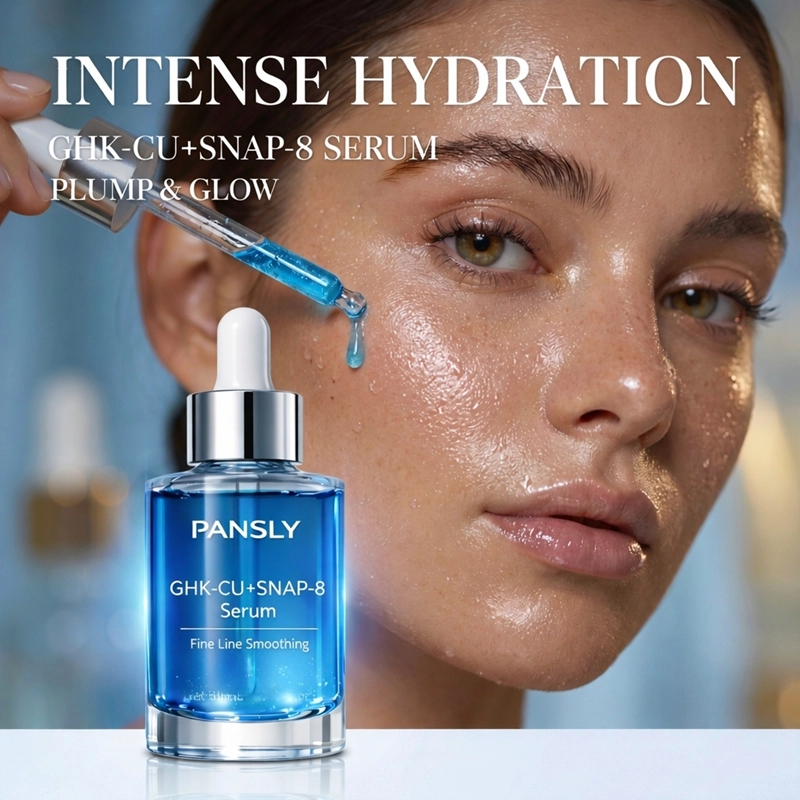
This Pansly GHK-CU + SNAP-8 Fine Line Smoothing Serum features premium dual-peptide complex formula to deliver multi-dimensional anti-aging skincare.
Formulated with two star peptide actives: GHK-CU Copper Peptide lifts sagging skin, boosts collagen production and enhances skin elasticity for firmer contour; SNAP-8 Anti-Wrinkle Peptide visibly smooths fine lines and wrinkles to fade expression creases. Complemented with Panthenol and Hyaluronic Acid, it provides soothing care and deep long-lasting hydration, revitalizing dull skin to restore a youthful radiant glow.
Lightweight watery texture absorbs quickly without sticky residue, suitable for daily anti-aging maintenance of all skin types.
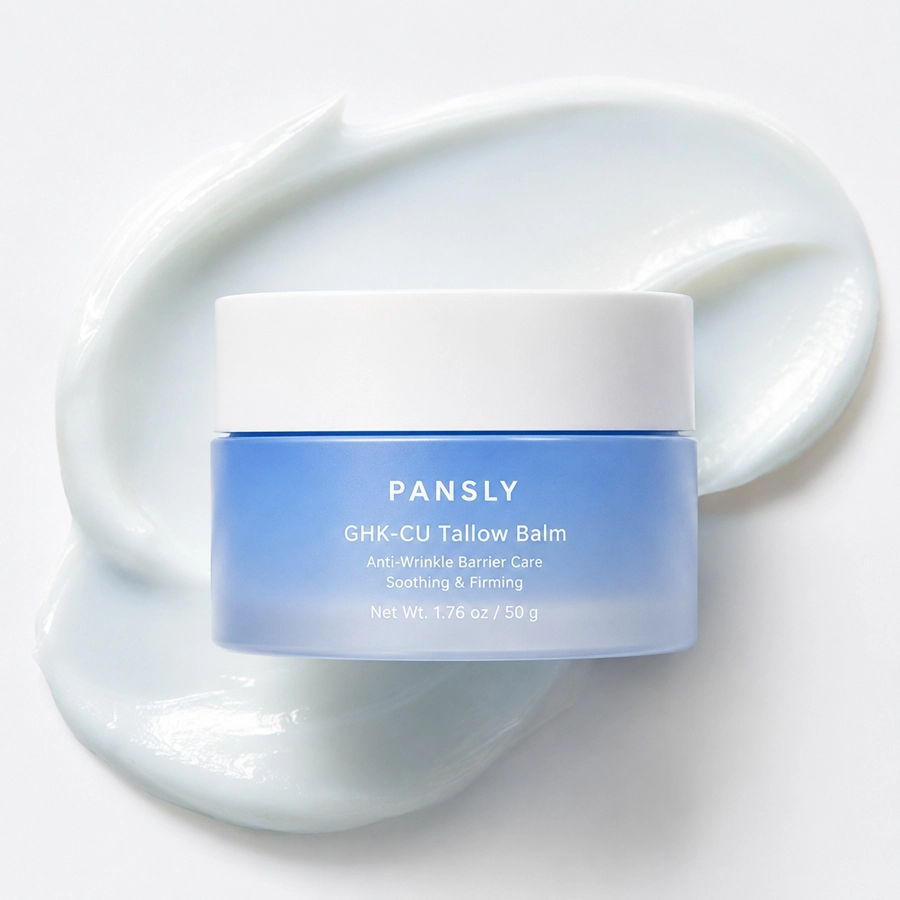
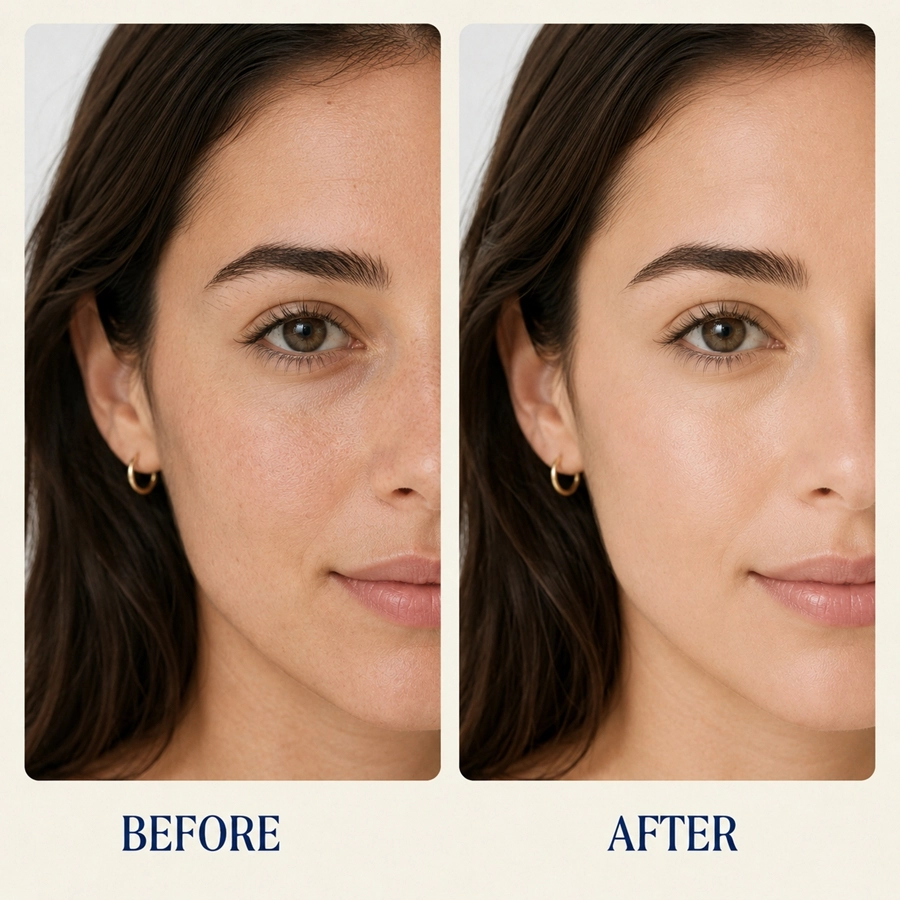
This Pansly GHK-CU Tallow Anti-Wrinkle Soothing & Firming Barrier Balm is multi-effect peptide nourishing balm for dry, uneven-textured skin, integrating firming lifting, fine line smoothing, barrier repair and soothing comfort. Full private label OEM service is supported, including formula customization, custom logo & label, jar color selection and fast sampling.
Five core premium active ingredients work synergistically for comprehensive skin care:
GHK-CU Copper Peptide lifts and firms saggy skin, visibly blurs fine lines and refines uneven dull complexion;
Grass-Fed Tallow delivers rich lipid nourishment to deeply relieve persistent dry rough skin;
Ceramide NP reinforces skin moisture barrier to lock nutrients and boost skin resilience;
Squalane melts lightly into skin to create silky soft long-lasting hydration;
Panthenol calms skin irritation, delivers instant soothing comfort for sensitive dry skin.
Silky light blue creamy balm texture spreads smoothly and absorbs rapidly without greasy residue. Daily use on face and neck firms loose contours, smooths dry fine lines, nourishes fragile skin and repairs damaged barrier, leaving skin even, plump and luminous with long-lasting soft comfort. Obvious improvement on rough dull texture after persistent use.
Get in Touch with us
If you have any comments or good suggestions, please leave us a message; later our professional staff will contact you as soon as possible.
Click here to customize the Beauty
we respond within a few hours
Monday–Friday, 9AM–6PM
3A01, Building A, Zhisheng Square, No. 4 Zhifu Road, Helong Street, Baiyun District, Guangzhou, China.


Leave a request, and we'll email you back within 24 hours.
© 2026 Beyond Basix. All Rights Reserved.