
Which Product Formats Work Best for Post-Hair-Removal Care?
Quick Answer
For a private label hair growth inhibitor, lightweight gels and lotions usually suit freshly shaved or waxed skin because they spread easily without excessive occlusion. Creams can support drier areas, while sprays may improve convenience but require careful control of dose and overspray. Key factors include skin sensitivity, target body area, preservative strategy, packaging compatibility, and substantiated claims. Beyond Basix can support format selection and customized development, but the final solution depends on project testing and market requirements.
How Beyond Basix Supports Projects
Beyond Basix supports OEM/ODM skincare projects through custom formulation, format development, production, and quality-control coordination. Its 12,000-square-meter facility includes a 100,000-level GMPC pharmaceutical-grade dust-free workshop and 12 production lines. These resources can support post-hair-removal products designed around application feel, packaging format, and intended use area.
Buyers should confirm the target market, product claims, active and supporting ingredient requirements, fill volume, packaging type, and testing scope before quotation. MOQ, lead time, testing scope, and final pricing must be confirmed for each project, including the required documentation and regulatory review for the destination market.
Discuss Your Post-Hair-Removal Care Format
Share your target market, intended body area, preferred format, target price, pack size, claims, and estimated order volume. We can discuss suitable options, prototype priorities, packaging compatibility, sample evaluation, and production planning. Send your project brief to Lily@lanthome.com and visit www.beyondbasixcosmetics.com to begin a format-focused OEM/ODM discussion.
Deep-Dive FAQs
Which format calms skin best after waxing or shaving?
There is no universally superior format because tolerance depends on the removal method, body area, and formula composition. A low-residue gel can be practical for oily or hairy areas, while an emulsion lotion or cream may be more suitable where dryness or friction is a concern. The product should avoid unnecessary fragrance, aggressive exfoliating combinations, or high levels of volatile alcohol when the skin barrier may be temporarily stressed. Evaluation should include sting, redness, residue, spreadability, and user acceptance after the actual waxing or shaving procedure.
Should private label inhibitors use gels, lotions, or sprays?
Choose the format according to dosing control and the intended user experience rather than assuming one format improves biological performance. Gels provide a cooling, fast-spreading sensory profile; lotions are adaptable for larger body areas; creams offer a richer after-feel; and sprays can simplify application but may create uneven deposition or inhalation and overspray concerns. If a product makes a hair-growth-related claim, the claim category and permitted ingredients must be reviewed for each destination market. Cosmetic positioning does not automatically make a performance claim acceptable.
How should format choice change for sensitive intimate areas?
Products intended for external intimate skin require stricter attention to mildness, directions, packaging control, and claim language. A measured-dose pump or narrow-opening tube may offer better control than an aerosol or unrestricted spray. The brief should clearly define external-use boundaries and exclude mucosal application unless the regulatory and safety assessment specifically supports it. Formula review should consider fragrance, essential oils, exfoliating acids, and sensitizing preservatives, followed by appropriate safety, compatibility, and user tolerance assessments. Consumer instructions should also state when not to apply the product, such as on visibly damaged skin.
What packaging protects post-removal formulas from contamination and oxidation?
Packaging selection depends on the formula's water activity, preservative system, oxygen sensitivity, viscosity, and expected opening frequency. Airless pumps can reduce repeated finger contact and may help manage exposure, but they still require compatibility and evacuation testing. Tubes can suit creams and gels, while pump bottles often support controlled application of lotions. Transparent packaging may be unsuitable for light-sensitive formulas. A proper development program checks container-closure compatibility, leakage, pump performance, microbial preservation, transport stress, and stability throughout the proposed shelf life.
Can one aftercare format suit both face and body?
One formula may technically be used across multiple areas, but a single format can create compromises in sensory profile, dosing, and tolerability. Facial skin often favors lower residue and carefully controlled fragrance and irritancy considerations, whereas legs or larger body areas may prioritize fast coverage and economical application. The product brief should define the primary use area first. If one SKU must cover face and body, conduct separate-use evaluations and provide area-specific directions rather than relying on a broad, unsupported suitability statement.
Which tests support claims for post-hair-removal inhibitor products?
Testing should match the claim, formula, packaging, and destination-market rules. Core quality work commonly includes stability, microbiological quality, preservative-effectiveness assessment where applicable, packaging compatibility, and physical checks such as pH, viscosity, appearance, and odor. Claims suggesting slower or reduced hair regrowth require a substantiation plan using a suitable protocol, control group, defined assessment period, and statistically interpretable endpoints; consumer perception alone is generally weaker evidence. Regulatory classification also varies: a cosmetic aftercare claim may be treated differently from a therapeutic or drug-like claim depending on wording and jurisdiction.
Related Articles for Private Label Cosmetics

Why Two Mineral Sunscreens With the Same SPF Can Feel Completely Different

Beyond Ordinary Tallow Balm: How GHK-Cu and SNAP-8 Create a Different Skincare Story

When Blue Copper Peptides Meet Beef Tallow: A New Direction for Premium Skincare

PDRN Toner Pads vs GHK-Cu + SNAP-8 Peptide Toner Pads: Private Label Manufacturing Decisions
You May Also Like
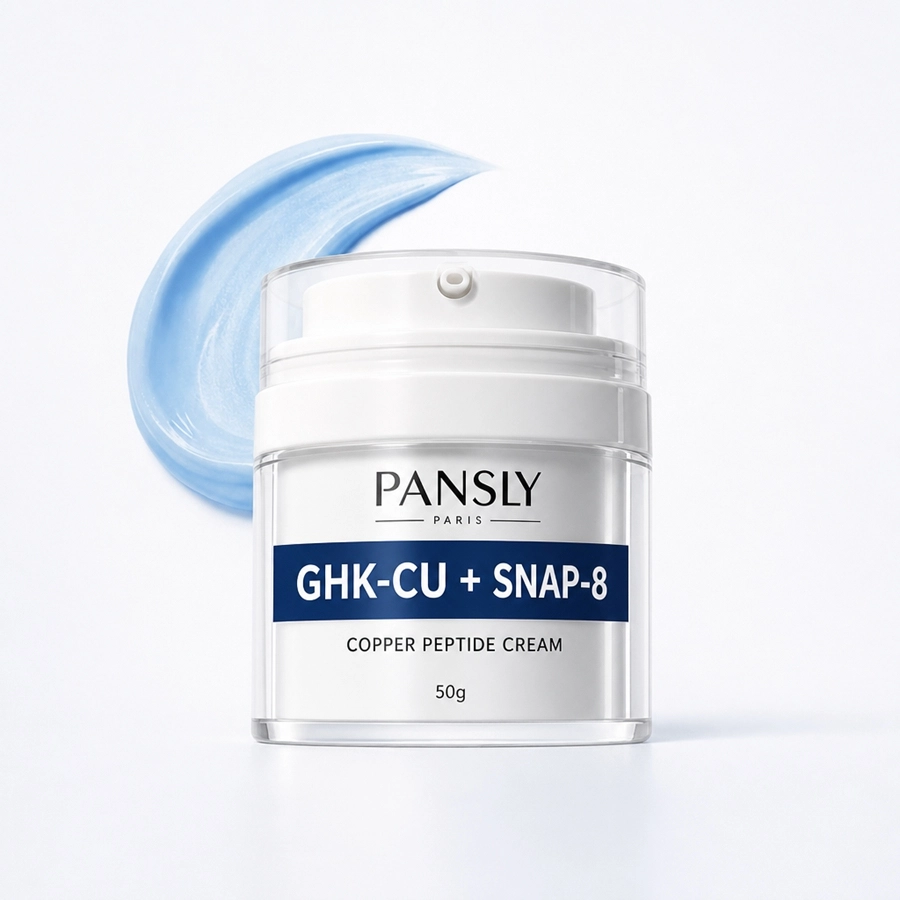
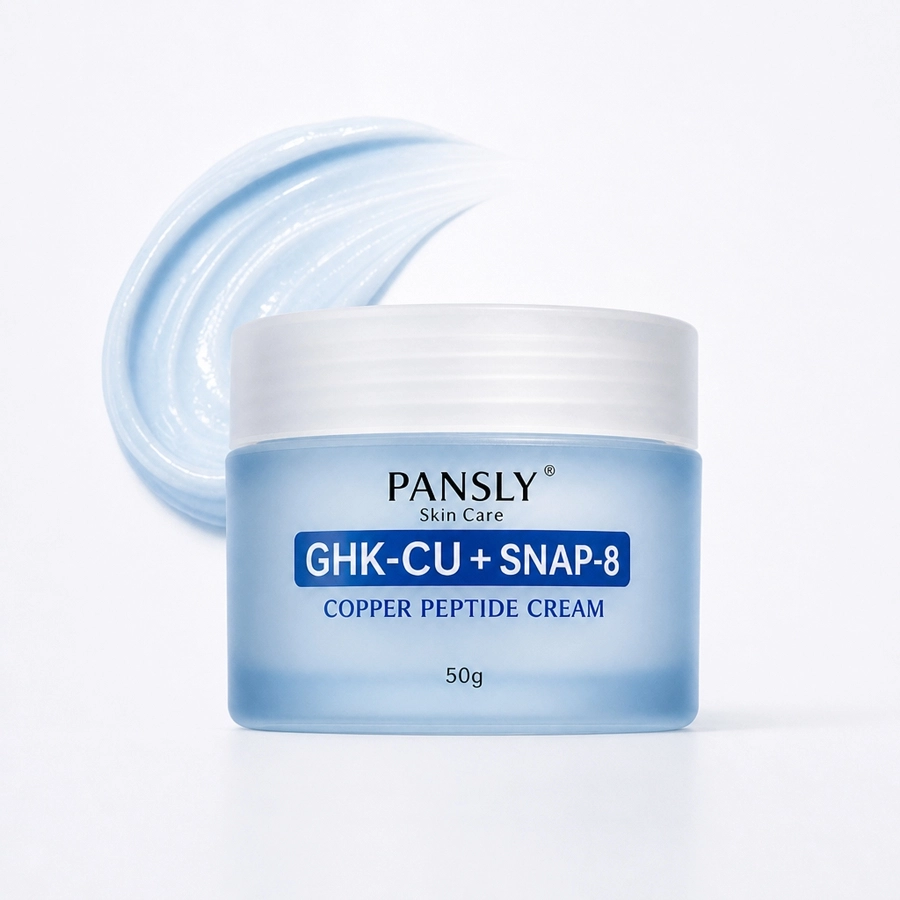
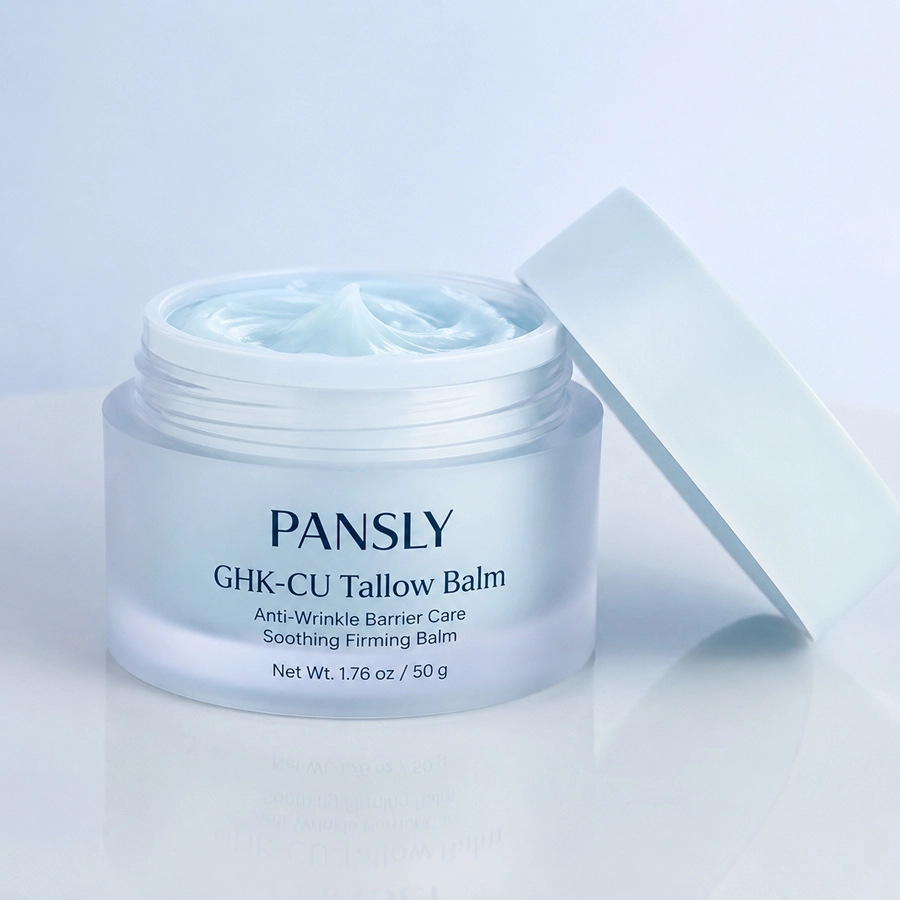
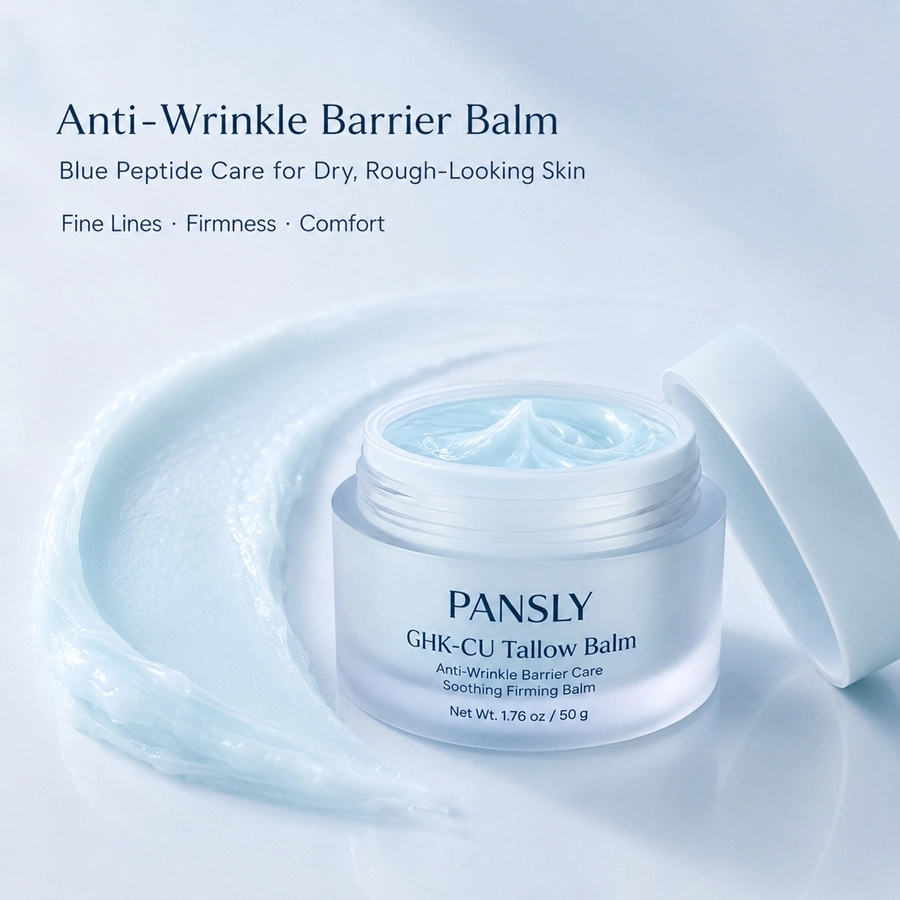
This Pansly GHK-CU + SNAP-8 Grass-Fed Tallow Anti-Wrinkle Barrier Balm is dual-peptide nourishing anti-wrinkle balm, specially developed for dry, rough textured skin, targeting fine lines, sagging contours and weakened skin barrier. Full OEM & ODM private label support is offered, including formula customization, packaging selection, fast sampling and bulk supply.
Five core premium active ingredients work synergistically for multi-dimensional skin care:
GHK-CU Copper Peptide lifts and firms loose skin to boost skin tightness and smooth fine lines;
SNAP-8 Peptide softens expression lines to reduce wrinkle visibility;
Grass-Fed Tallow delivers rich lipid nourishment to relieve persistent dry flaky rough skin;
Ceramide NP reconstructs skin moisture barrier to enhance skin comfort and resilience;
Squalane melts lightly into skin to provide silky long-lasting hydration.
Luxury rich light blue cushion balm texture glides smoothly and absorbs quickly without heavy greasy residue. Daily use improves dry rough texture, blurs dry fine lines, lifts saggy skin and stabilizes skin barrier, leaving skin soft, calm and smooth with healthy supple glow.
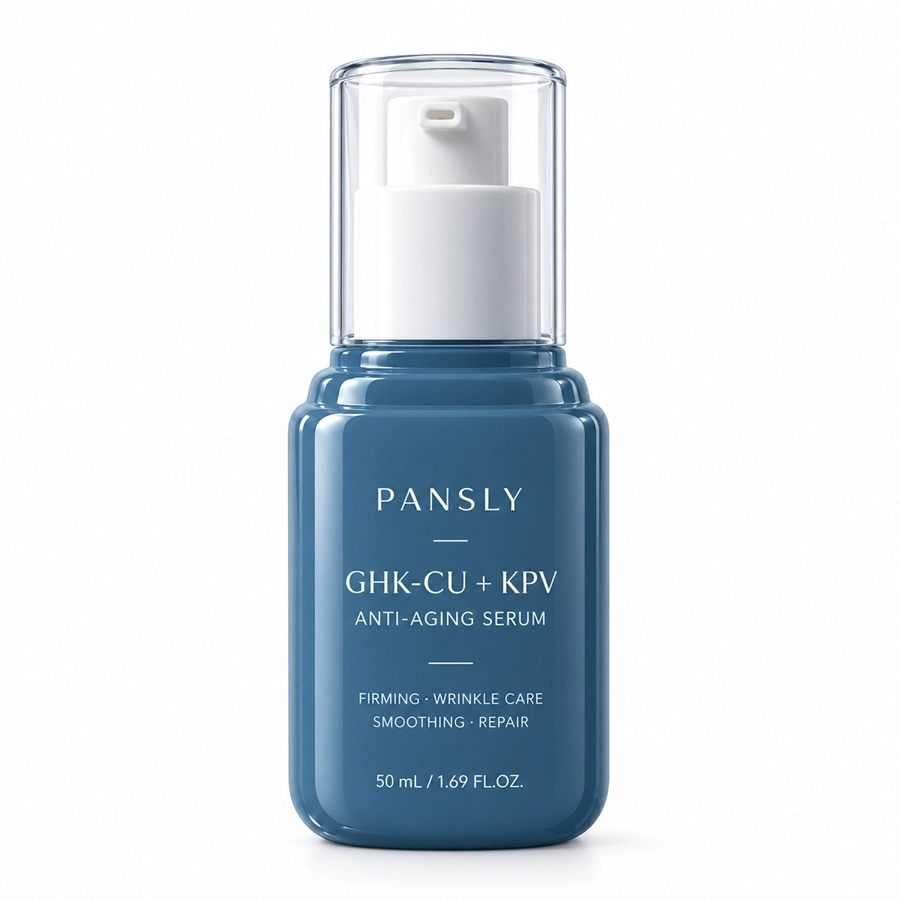
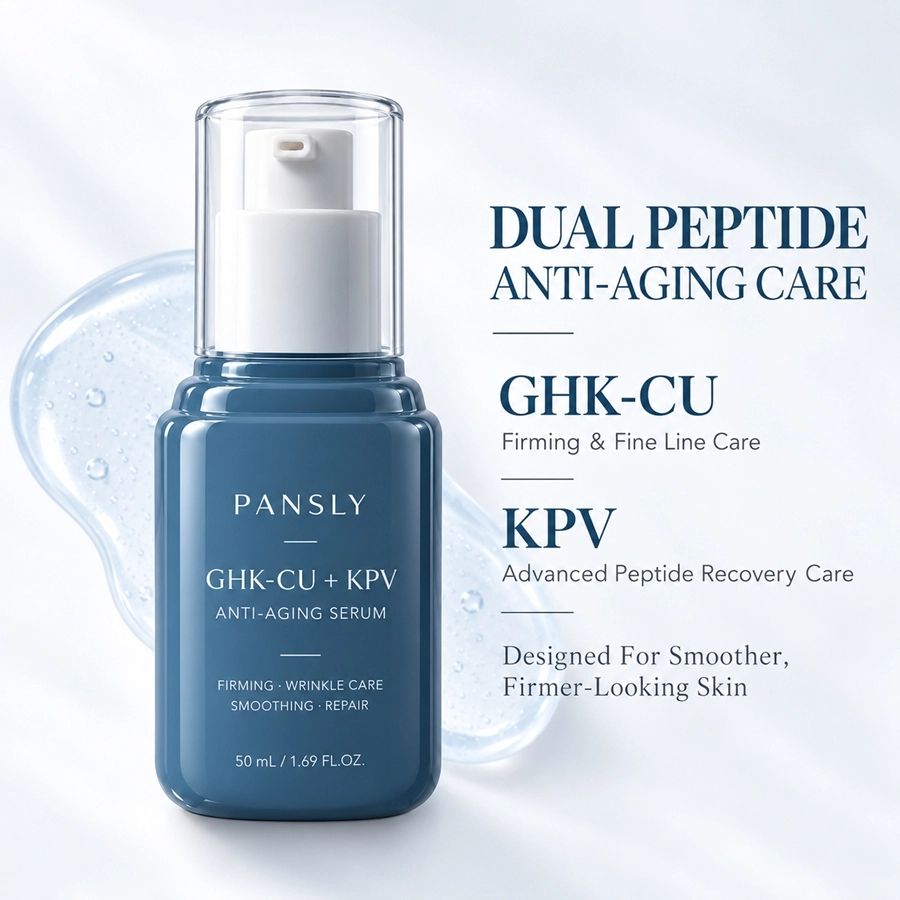
GHK-Cu KPV serum for skin is a private-label peptide face serum formulated for a firming, smoothing routine. This GHK-CU KPV Serum is positioned for wrinkle care and skin repair, making it a practical addition to an anti-aging skincare range.
Get in Touch with us
If you have any comments or good suggestions, please leave us a message; later our professional staff will contact you as soon as possible.
Click here to customize the Beauty
we respond within a few hours
Monday–Friday, 9AM–6PM
3A01, Building A, Zhisheng Square, No. 4 Zhifu Road, Helong Street, Baiyun District, Guangzhou, China.


Leave a request, and we'll email you back within 24 hours.
© 2026 Beyond Basix. All Rights Reserved.
