
What Should Brands Consider When Developing a Private Label Mineral Sunscreen?
Quick Answer
Developing a private label mineral sunscreen requires aligning UV-filter compliance, protection testing, sensory performance, packaging, and target-market claims before costing. Beyond Basix can support OEM/ODM skincare projects through formulation development, production, and quality documentation. Key variables include zinc oxide or titanium dioxide levels, SPF and UVA test plans, dispersion, MOQ, and packaging compatibility; final choices depend on the project, testing, and market conditions.
How Beyond Basix Supports Projects
Guangzhou Beyond Basix Cosmetics Ltd. brings more than 23 years of experience in cosmetics research, production, and sales, with 12 years focused on effective-ingredient skincare development. Its 12,000-square-meter facility includes a 100,000-level GMPC pharmaceutical-grade dust-free workshop and 12 production lines, supporting OEM and ODM skincare programs from formula discussion through manufacturing.
Beyond Basix can coordinate formulation direction, production planning, quality control, and documentation aligned with the intended market. Buyers should confirm filter strategy, target SPF and UVA claims, finish, shade, packaging format, target market, MOQ, lead time, testing scope, and quotation for each project. Company certifications include ISO 9001, CE, MSDS, GMP, and HALAL; product and market compliance still require project-specific review.
Discuss Your Mineral Sunscreen Project
Share your target market, desired SPF and UVA positioning, preferred mineral filter approach, skin-feel or shade requirements, packaging format, estimated order volume, and launch schedule so suitable formulation options, sample stages, testing needs, and production planning can be discussed. Start a project conversation at www.beyondbasixcosmetics.com or Lily@lanthome.com.
Frequently Asked Questions
What should beginners verify before choosing mineral UV filters?
Start by identifying the destination markets and the permitted status, grade, labeling rules, and usage conditions for zinc oxide and titanium dioxide. Mineral filters are not interchangeable: particle treatment, dispersion behavior, coating technology, and concentration affect protection, opacity, stability, and regulatory documentation. A supplier should explain whether the proposed materials are suitable for the intended cosmetic or drug framework rather than presenting one global formula as universally compliant. Request raw-material specifications, impurity controls, supplier documentation, and compatibility data before approving a formula. The finished product must then be assessed, because filter performance in a formulation depends on dispersion and film formation, not simply the percentage listed on a specification sheet.
How can brands substantiate SPF and broad spectrum claims?
SPF is a tested performance claim, not a direct mathematical conversion from filter concentration. Brands should establish a test plan appropriate to the destination market, including the applicable in vivo SPF method and a recognized UVA assessment where broad-spectrum or UVA-protection claims are intended. ISO 24444 is an established in vivo SPF testing method, while ISO 24443 addresses in vitro UVA photoprotection characterization; local authorities may require different or additional approaches. Testing should use the final formula in its commercial packaging, because changes in dispersion, viscosity, fragrance, colorants, or manufacturing can alter the applied film. Claim wording, test reports, technical files, and artwork should be reviewed together before launch.
Why does mineral sunscreen whitening vary between formulations?
Whitening is influenced by particle size distribution, filter surface treatment, concentration, dispersion quality, film thickness, emulsion structure, skin tone, and application amount. A transparent-looking emulsion may still leave a cast when applied at the quantity needed for the tested protection level. Conversely, reducing opacity through lower filter loading can undermine the planned protection claim. Formulators can investigate coated raw materials, suitable dispersants, oil-phase processing, pigment balance, and a controlled sensory panel, but these adjustments involve trade-offs in stability, cost, regulatory suitability, and skin feel. Evaluation should include multiple skin tones and realistic application conditions instead of relying only on an appearance check on a laboratory drawdown.
Which packaging choices protect a mineral sunscreen formula?
Packaging selection should consider oxygen exposure, light transmission, water loss, dispensing accuracy, compatibility, and consumer application behavior. Airless or controlled-dispensing formats may help manage contamination and dose consistency, while tubes can support practical application and bulk production; the correct choice depends on the emulsion and market requirements. Compatibility testing should examine formula contact with the container, closure, gasket, adhesive, and decoration under relevant storage conditions. Brands should also assess whether the package dispenses a consistent amount without clogging or separating. Packaging does not replace formula stability testing, and environmental or recyclability claims need evidence rather than assumptions based solely on the material category.
How do regulations change across sunscreen target markets?
Sunscreen classification differs significantly by jurisdiction. In one market it may be regulated as a cosmetic, while another may treat the same protection claim as an over-the-counter drug or impose specific cosmetic notification and testing requirements. The United States, European Union, China, ASEAN markets, Australia, and other regions differ in permitted filters, labeling, claim language, testing expectations, nanomaterial rules, and responsible-party obligations. A formula developed for one country should not be assumed to transfer unchanged. Before sampling, prepare a market matrix covering filter status, maximum conditions of use, labeling language, claims, safety files, stability evidence, and required registration or notification. A local regulatory review remains necessary before commercial artwork and import planning.
What testing is needed before a bulk sunscreen order?
A commercial readiness plan commonly includes formula stability, packaging compatibility, microbiological quality, preservative effectiveness where applicable, physical and chemical specifications, and performance testing for the intended SPF and UVA claims. Testing conditions should reflect the destination market and the proposed shelf-life statement. Pilot batches can reveal scale-up issues such as filter agglomeration, viscosity drift, filling variation, or air incorporation that may not appear in a laboratory sample. The approved master formula, raw-material specifications, manufacturing process, in-process controls, finished-product limits, and batch-release documentation should be aligned before a bulk order. Water-resistance, sweat-resistance, sensitive-skin, reef-related, or other special claims require separate substantiation and should not be inferred from standard SPF results.
Related Articles for Private Label Cosmetics

Why Two Mineral Sunscreens With the Same SPF Can Feel Completely Different

Beyond Ordinary Tallow Balm: How GHK-Cu and SNAP-8 Create a Different Skincare Story

When Blue Copper Peptides Meet Beef Tallow: A New Direction for Premium Skincare

PDRN Toner Pads vs GHK-Cu + SNAP-8 Peptide Toner Pads: Private Label Manufacturing Decisions
You May Also Like
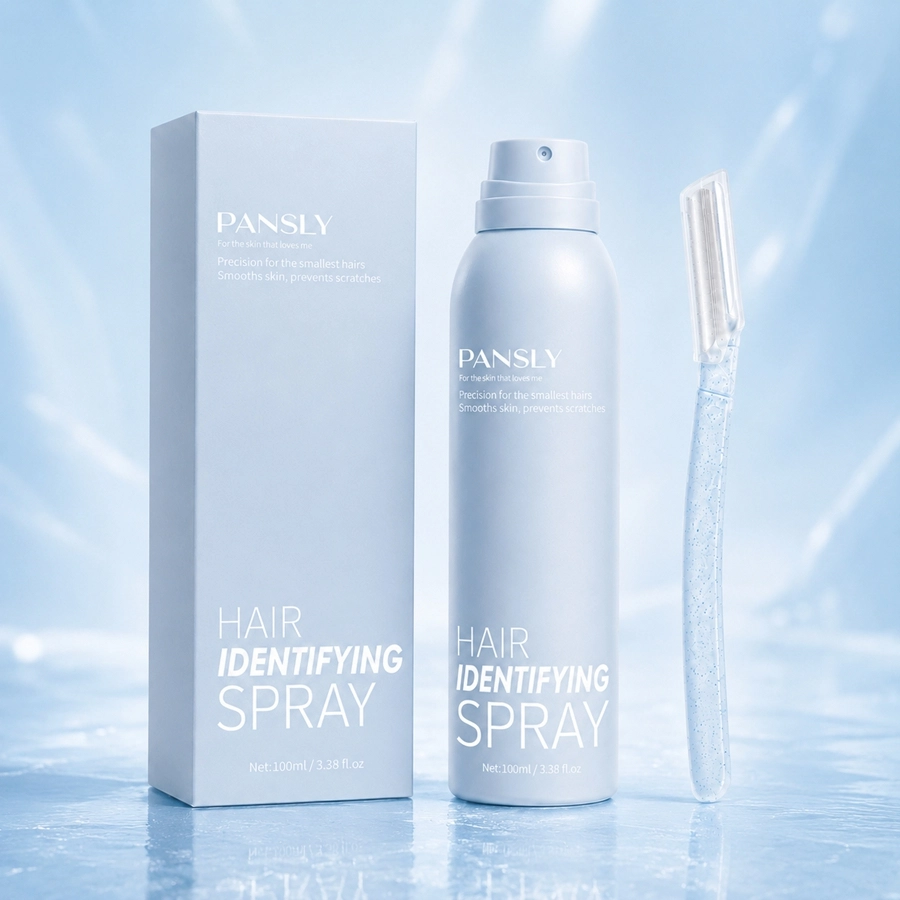
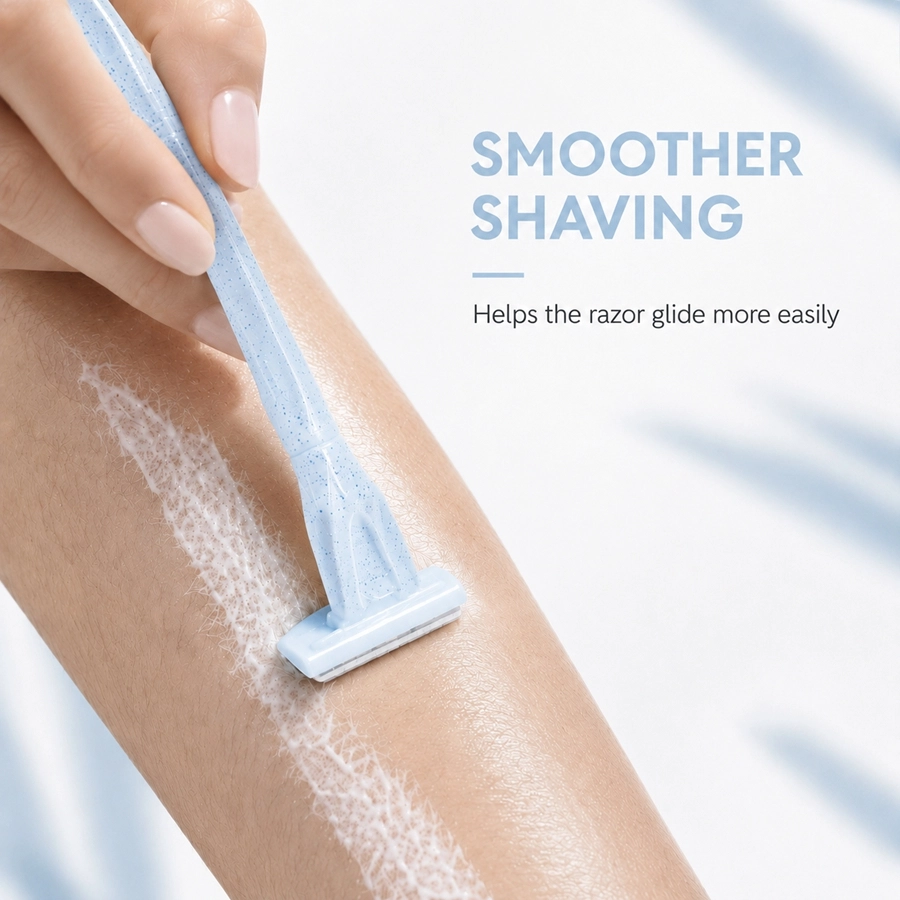
This Pansly Hair Identifying Spray Grooming Set contains 100ml pre-shave hair identifying spray and a matching precision facial scraper, designed for precise facial and body fine hair removal and dermaplaning.
Core functional ingredients:
Zea Mays (Corn) Starch: Creates a thin white film on dry skin to expose invisible tiny vellus hairs, enabling targeted, accurate grooming;
Portulaca Oleracea Extract: Soothes sensitive skin and relieves irritation caused by scraping;
Hydrolyzed Keratin: Lubricates skin surface, improves scraper gliding performance and effectively prevents scratches;
Butylene Glycol: Delivers gentle hydration to maintain skin comfort during hair trimming.
Adopt ultra-fine mist design, evenly spray on clean dry skin. Complete grooming through 4 simple steps: Spray → Identify fine hairs → Gentle Glide with scraper → Wipe away residues. Suitable for cheeks, upper lip, jawline, arms and other areas to achieve cleaner, smoother shaving results. We provide full OEM & ODM private label service, support custom logo, multiple packaging color options, fast sampling and bulk order supply.
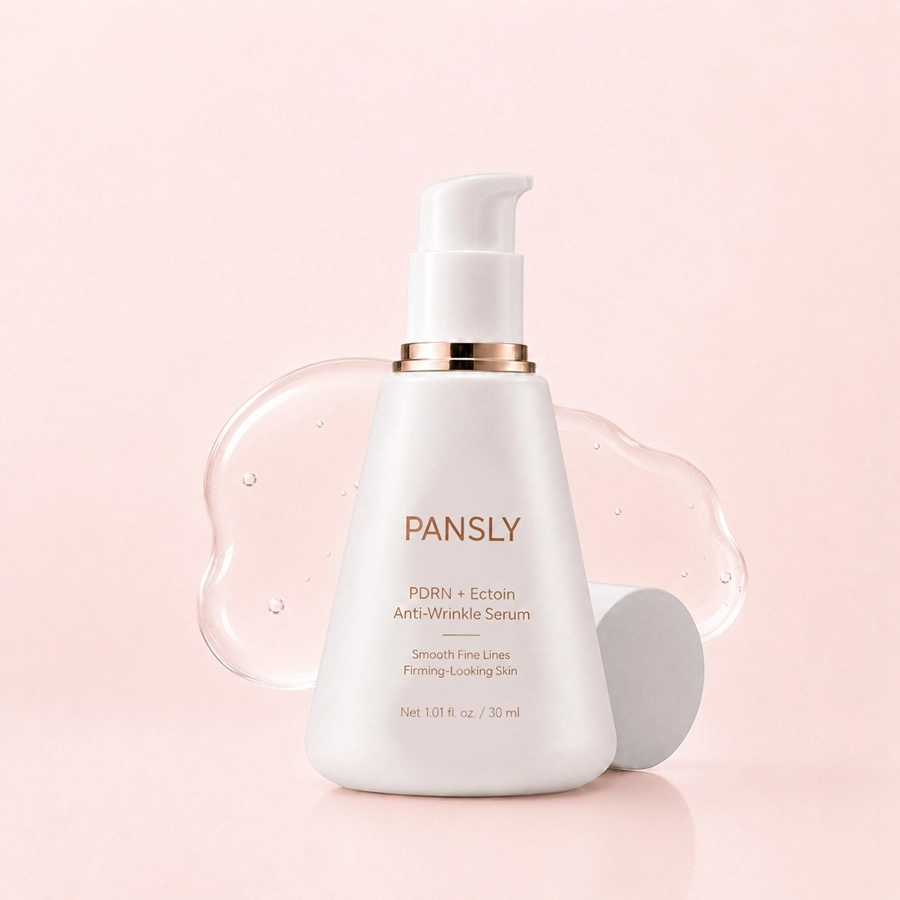
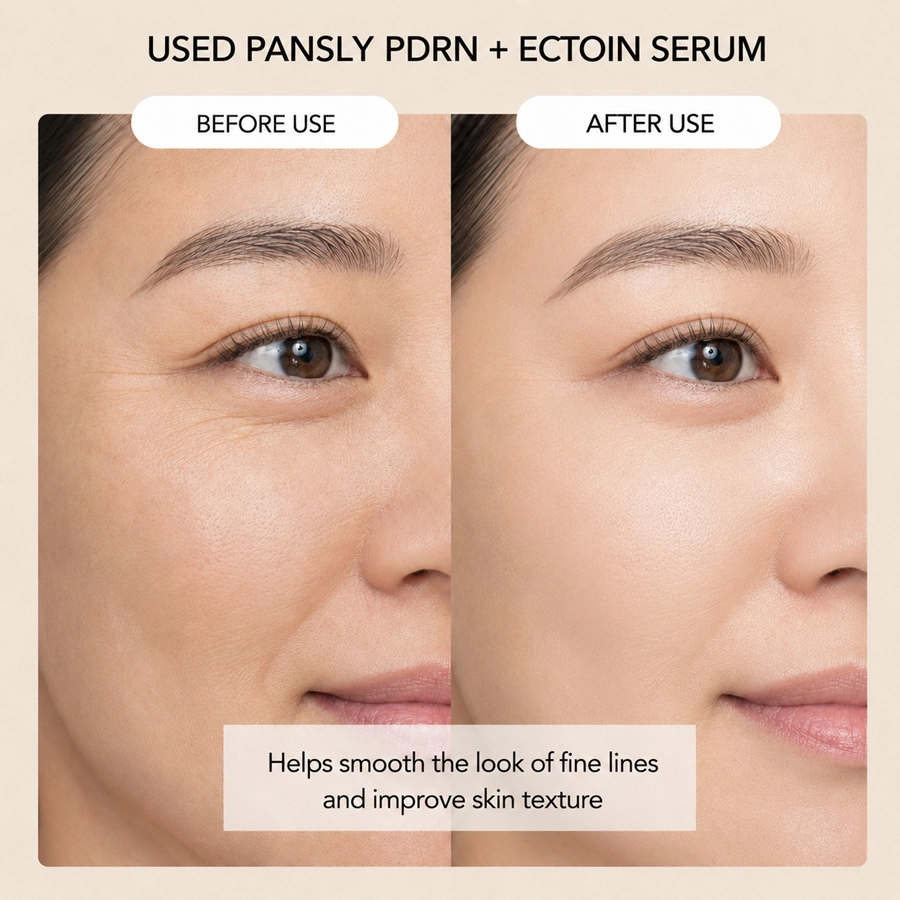
This Pansly PDRN + Ectoin Anti-Wrinkle Serum is lightweight daily anti-aging essence targeting fine lines, dryness and sensitive stressed skin.
Powered by triple core active ingredients: PDRN delivers anti-wrinkle care to visibly smooth the appearance of fine lines and lift skin for firmer contour; Ectoin reinforces skin moisture barrier, relieves discomfort and maintains long-term skin comfort; Hyaluronic Acid provides lasting lightweight hydration to keep skin fresh and silky smooth all day.
With fresh, fast-absorbing non-sticky serum texture, it fits morning & night daily routine. After consistent use, it refines uneven rough texture, fades visible dry lines and restores soft, youthful resilient complexion. Simple 3-step application for easy home skincare.
Get in Touch with us
If you have any comments or good suggestions, please leave us a message; later our professional staff will contact you as soon as possible.
Click here to customize the Beauty
we respond within a few hours
Monday–Friday, 9AM–6PM
3A01, Building A, Zhisheng Square, No. 4 Zhifu Road, Helong Street, Baiyun District, Guangzhou, China.


Leave a request, and we'll email you back within 24 hours.
© 2026 Beyond Basix. All Rights Reserved.
