
Serum, Cream, Mask or Eye Patch: Which PDRN Format Has the Best Brand Potential?
Quick Answer
For most new private label pdrn skincare brands, serum offers the clearest hero-product positioning because it supports focused claims and flexible routines. Cream can provide stronger daily-use retention, while masks and eye patches suit trial, gifting, and campaign-led launches. Select the format according to target claims, formula stability, packaging compatibility, unit economics, and regulatory requirements. Final solutions depend on project specifications, testing, and market conditions.
How Beyond Basix Supports Projects
Guangzhou Beyond Basix Cosmetics Ltd. provides One-Stop OEM/ODM for Skincare through research, production, and sales operations developed over more than 23 years. Its 12,000-square-meter facility includes a 100,000-level GMPC pharmaceutical-grade dust-free workshop and 12 production lines. For PDRN concepts, project discussions can cover format selection, formulation direction, packaging coordination, and production planning.
Beyond Basix operates with certifications and documentation including ISO 9001, GMP, HALAL, CE, and MSDS, where applicable to the project and product category. Buyers should confirm the PDRN material documentation, intended claims, package type, target market, formula testing scope, MOQ, lead time, and quotation for each brief. These parameters must be assessed per project rather than assumed across formats.
Discuss Your PDRN Skincare Format
Send your target market, customer profile, preferred format, desired claims, ingredient direction, packaging concept, and estimated order volume so the suitable options and sample steps can be discussed. Share your launch timing as well if lead-time planning is important. Start your project discussion at www.beyondbasixcosmetics.com or email Lily@lanthome.com.
FAQ
Which PDRN format gives a new skincare brand strongest launch potential?
A serum commonly provides the strongest starting point when the brand needs one recognizable hero product. Its concentrated positioning, lightweight texture, and compatibility with layered routines can make the product concept easy to communicate. However, the word “concentrated” does not prove superior efficacy, and PDRN performance depends on the ingredient specification, finished formula, delivery environment, and substantiated claims. A cream may be more suitable when the commercial proposition centers on barrier support or daily moisturization. Masks and eye patches can create attractive sampling or social-commerce formats, but they may produce lower repurchase frequency if positioned mainly as occasional treatments. The decision should therefore follow the intended use occasion, claim strategy, price architecture, packaging cost, and repeat-purchase model rather than ingredient popularity alone.
Is PDRN serum better than cream for visible consumer differentiation?
Not inherently. Serum often creates clearer differentiation because brands can build a focused concept around texture, routine placement, and a specific skin concern. Cream can differentiate through emulsion feel, moisturization profile, finish, and day-or-night use. For both formats, a cosmetic product should not imply that it repairs tissue, treats disease, or produces medical outcomes unless the claim is legally permitted in the target market and supported by appropriate evidence. Buyers should request the raw-material specification, recommended use level, origin and traceability documents, compatibility information, and finished-product stability data. Consumer testing or instrumental testing may support cosmetic claims, but neither format should be selected solely because PDRN is associated with aesthetic medicine or clinical applications.
When should beginners choose PDRN masks for private label launches?
A mask is appropriate when the launch strategy prioritizes a visible treatment ritual, gifting, event campaigns, or low-commitment product trials. Sheet masks introduce additional technical variables: substrate selection, serum loading, seal integrity, preservative system, package compatibility, drying risk, and microbial control. A hydrogel or other specialized format may require a different filling and packaging approach than a conventional sheet. Beginners should define the intended wear time and usage frequency without making unsupported absorption or instant-repair promises. Stability and microbiological testing should evaluate the complete packed product, not only the bulk essence, because the substrate and package can influence water activity, evaporation, and formula behavior. A mask works best when its use occasion supports repeat purchase rather than relying only on novelty.
Are PDRN eye patches suitable for first-time brand development?
Eye patches can be suitable for a tightly defined launch, especially when the brand targets short routines, travel, gifting, or social-media demonstrations. They also carry a narrower margin for error because the periorbital area is sensitive and the product is used close to the eyes. The formula, patch material, fragrance approach, adhesive or fit characteristics, container seal, and directions should be reviewed specifically for that area. Avoid implying that an eye patch removes wrinkles, treats dark circles, or delivers medical correction without market-specific substantiation. Compatibility, irritation risk, package hygiene, and user instructions deserve priority over decorative design. For a first product, an eye patch may be commercially appealing, but it is not automatically simpler than a face serum or cream.
What testing should confirm PDRN stability across cosmetic formats?
Testing should be designed around the formula, package, market, and intended claims. A typical development plan may consider accelerated and real-time stability, appearance and odor, pH where relevant, viscosity or texture, package compatibility, seal performance, and microbiological quality. Water-containing products require an appropriate preservation assessment, and a preservative challenge test may be relevant to the formula and jurisdiction. PDRN identity and content should be assessed using a method suitable for the specific raw material and finished product; this cannot be inferred from label wording alone. Light, heat, freeze-thaw, and transport conditions may be considered when they reflect the supply chain. The final test protocol should be agreed with the manufacturer and qualified testing resources, while claims evidence should be separated from routine quality testing.
How do MOQ and packaging affect PDRN product profitability?
Profitability is determined by the complete cost structure, not by the ingredient cost alone. MOQ can be influenced by the formula batch, filling line, container procurement, printed components, labels, cartons, and the manufacturer’s production setup. Serums may require droppers, pumps, or airless systems; creams often require jars or tubes; masks and eye patches can involve sachets, trays, substrates, and higher packaging-material complexity. These choices affect unit cost, minimum order quantity, storage exposure, filling losses, freight volume, and the amount of working capital tied up before launch. Buyers should compare landed cost at realistic order volumes and include testing, artwork, tooling, secondary packaging, freight, and defect allowances. A smaller initial order is not automatically cheaper per unit, so quotation comparisons should use identical specifications and delivery assumptions.
Related Articles for Private Label Cosmetics

Why Two Mineral Sunscreens With the Same SPF Can Feel Completely Different

Beyond Ordinary Tallow Balm: How GHK-Cu and SNAP-8 Create a Different Skincare Story

When Blue Copper Peptides Meet Beef Tallow: A New Direction for Premium Skincare

PDRN Toner Pads vs GHK-Cu + SNAP-8 Peptide Toner Pads: Private Label Manufacturing Decisions
You May Also Like
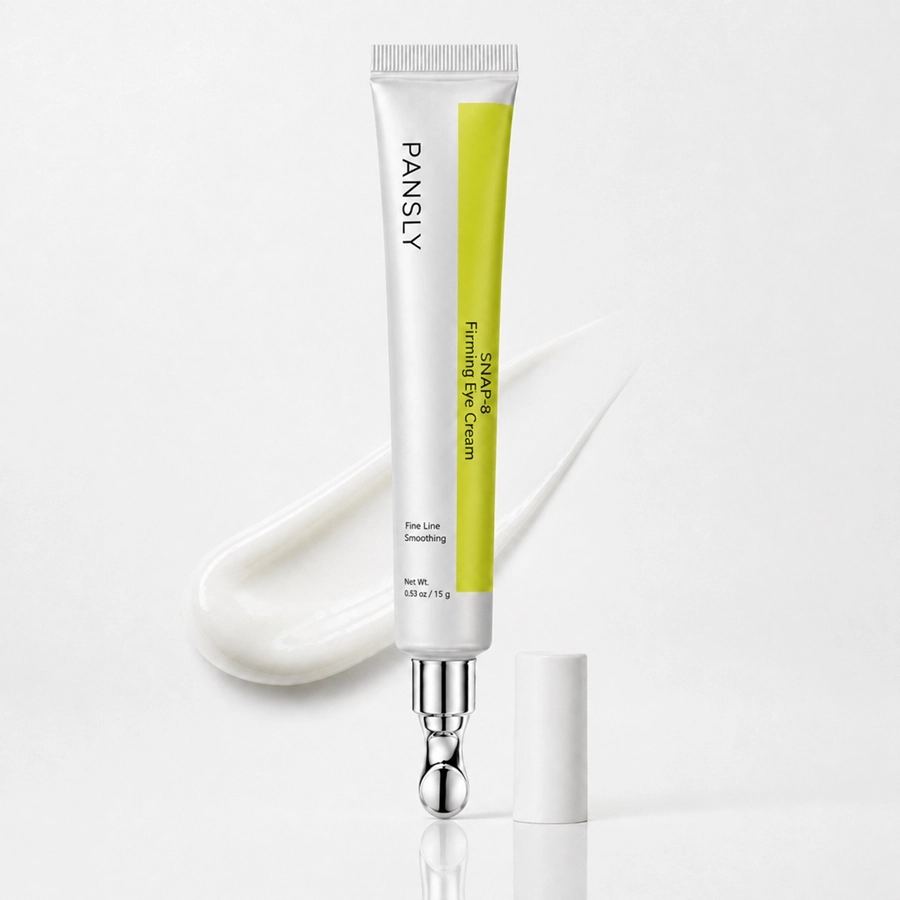
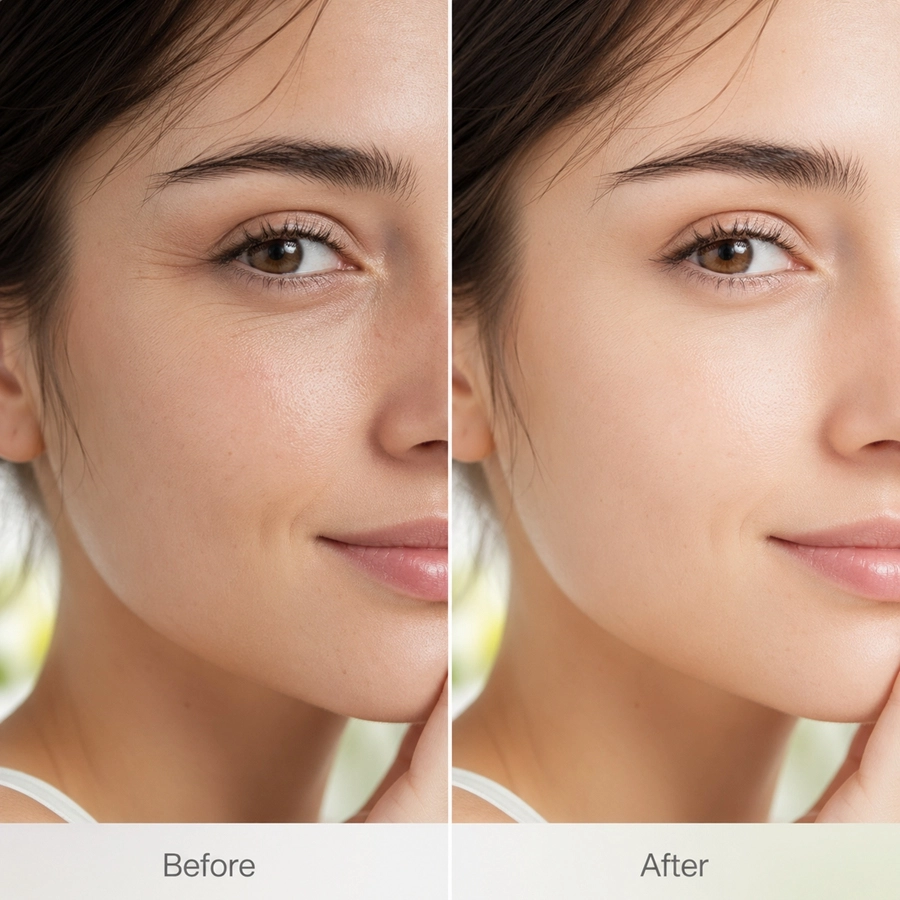
This Pansly SNAP-8 Firming Eye Cream is lightweight massage roller eye cream dedicated to smoothing eye fine lines, lifting saggy eye skin and refreshing tired puffy eyes.
It adopts 4-in-1 peptide eye care complex: SNAP-8 visibly smooths crow’s feet and under-eye fine lines; Caffeine eliminates eye puffiness and awakens dull tired eye area; Peptide Complex lifts loose eye skin to tighten eye contour; Hyaluronic Acid delivers lightweight lasting hydration to nourish dry eye skin.
Comes with built-in metal massage roller for comfortable massage application. Silky lightweight cream texture glides smoothly without heavy greasiness. Daily eye care softens fine lines, firms saggy eye skin, relieves eye fatigue and maintains plump smooth youthful eye area.
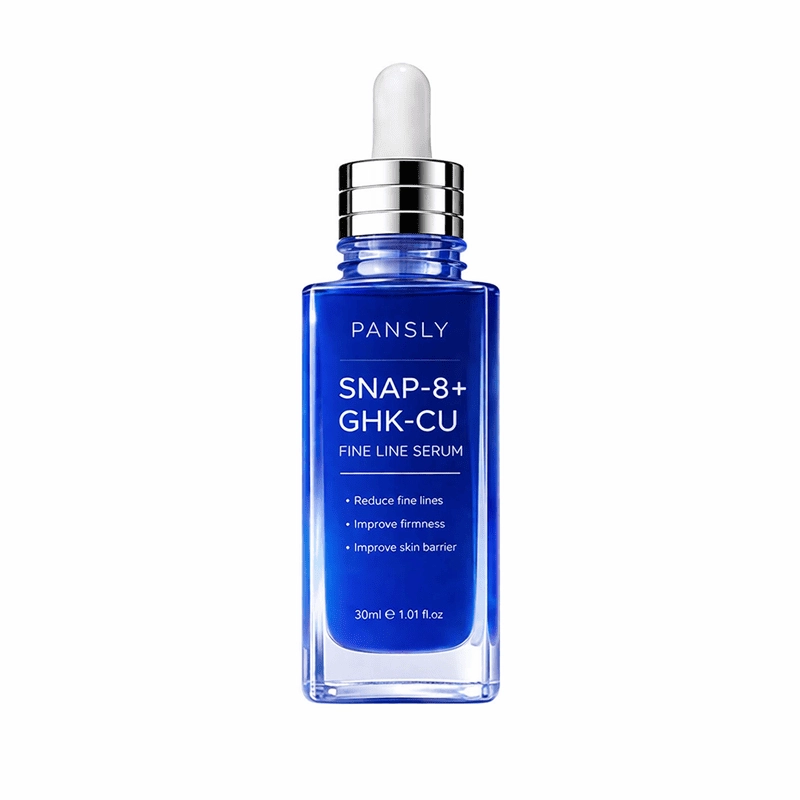
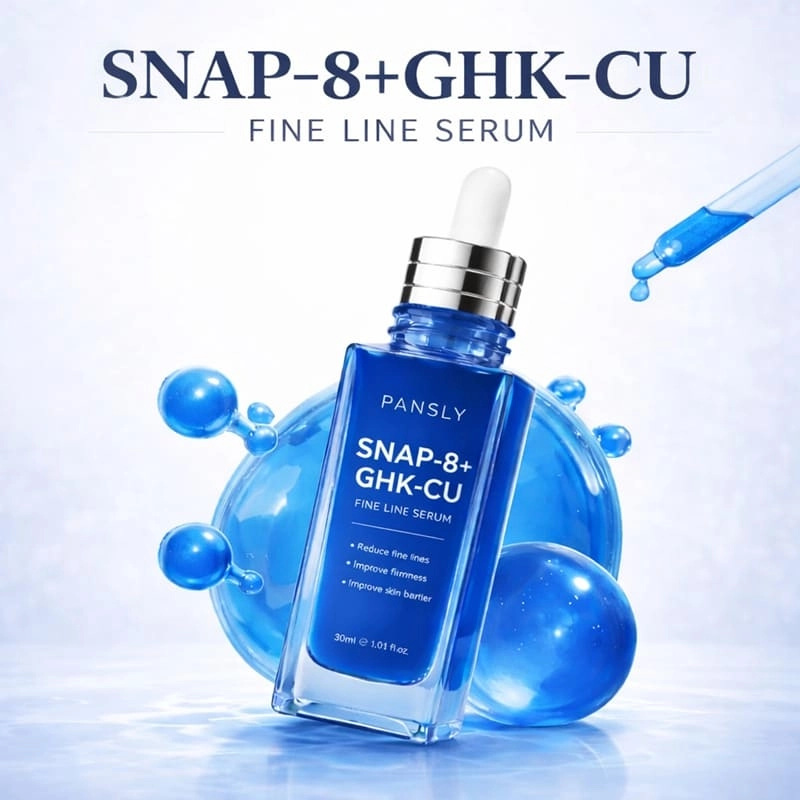
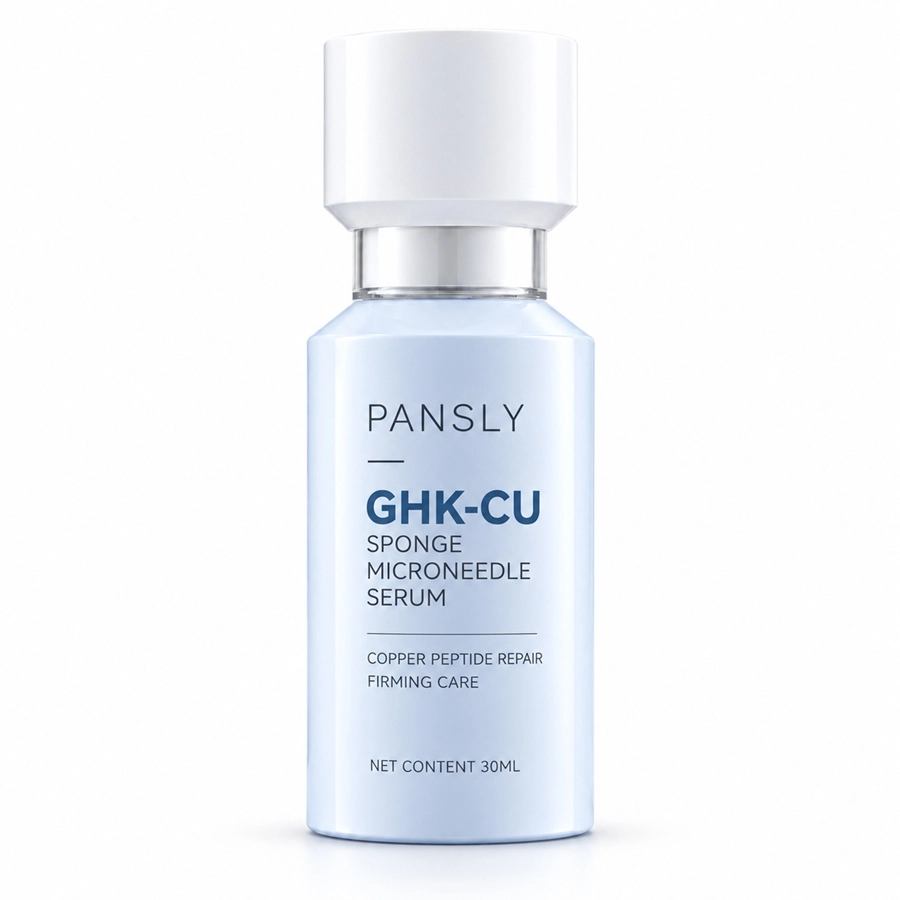
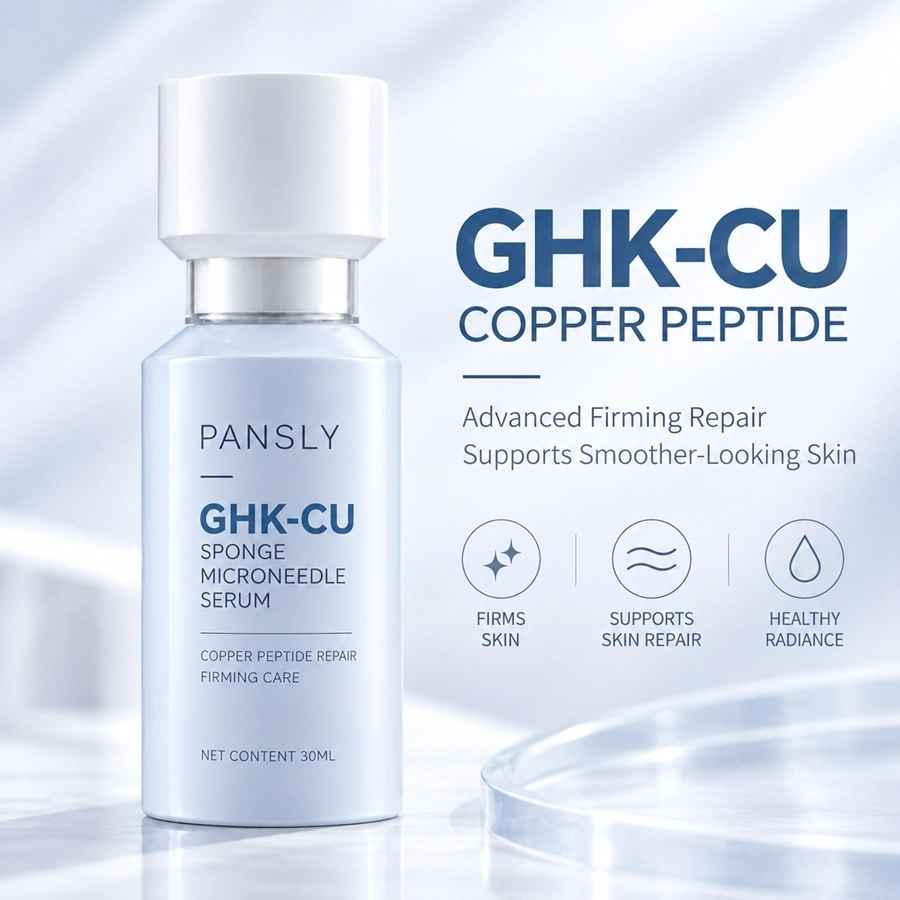
Private label GHK-Cu + SNAP-8 copper peptide serum for beauty brands developing peptide-led anti-aging and expression-line skincare. The formula combines a copper-peptide ingredient story with SNAP-8 positioning and can be discussed with custom texture, supporting skincare ingredients and packaging options.
Beyond Basix supports OEM/ODM sample development, packaging coordination and production planning. Final ingredient levels, claims, MOQ and lead time are confirmed according to the approved formula, target market and order requirements.
Get in Touch with us
If you have any comments or good suggestions, please leave us a message; later our professional staff will contact you as soon as possible.
Click here to customize the Beauty
we respond within a few hours
Monday–Friday, 9AM–6PM
3A01, Building A, Zhisheng Square, No. 4 Zhifu Road, Helong Street, Baiyun District, Guangzhou, China.


Leave a request, and we'll email you back within 24 hours.
© 2026 Beyond Basix. All Rights Reserved.
