
How Can Brands Reduce the Heavy Feel Commonly Associated With Mineral SPF?
Quick Answer
A lighter mineral SPF depends on controlled zinc oxide or titanium dioxide dispersion, a balanced emollient system, suitable film formers, and application testing. A private label mineral sunscreen should be assessed for spreadability, white cast, pilling, residue, and protection performance rather than texture alone. Beyond Basix can discuss formulation and production options based on target market, package, active system, and testing needs. Final solutions depend on the specific project, testing, and site conditions.
How Beyond Basix Supports Projects
Beyond Basix Cosmetics Ltd. provides One-Stop OEM/ODM for Skincare support, including custom formulation discussions, production planning, and packaging coordination for sun care projects. Its 12,000-square-meter facility includes a 100,000-level GMPC pharmaceutical-grade dust-free workshop and 12 production lines. The company has more than 23 years of experience in research, production, and sales, with a focus on effective-ingredient skincare development for 12 years.
For mineral SPF development, buyers should confirm the target market, permitted UV filters, SPF and UVA claim requirements, finish, shade range, package format, and intended application routine. MOQ, lead time, testing scope, regulatory documentation, and quotation must be confirmed for each project. Beyond Basix holds certifications and documentation including ISO 9001, GMP, CE, MSDS, and HALAL, subject to product and market requirements.
Discuss Your Lightweight Mineral SPF Project
Share your target market, desired SPF and UVA claims, preferred zinc oxide or titanium dioxide system, finish, tint requirements, package type, estimated order volume, and launch schedule. These details allow discussion of suitable formulation directions, sample stages, testing priorities, and production planning. Visit www.beyondbasixcosmetics.com or email Lily@lanthome.com to discuss your project-specific mineral SPF requirements.
Deep-Dive FAQs
How does mineral particle size change sunscreen texture and whitening?
Particle size influences optical scattering, surface area, dispersion demand, and the sensory profile of a mineral sunscreen. However, smaller particles should not be treated as an automatic solution for a lighter finish. The term nano also has regulatory and labeling implications that differ by market; in the European Union, for example, certain nanomaterials require specific notification and labeling treatment. Formulators should evaluate the grade, coating, dispersion quality, and agglomeration behavior of zinc oxide or titanium dioxide together. Poor dispersion can create drag, uneven coverage, and localized whitening even when the nominal particle size appears suitable. A project should therefore compare controlled laboratory batches through microscopy or other appropriate dispersion checks, color assessment, rub-out testing, and finished-product SPF and UVA testing. Texture improvements must remain compatible with the applicable sunscreen regulations and the required protection claims.
Which emollients reduce drag without weakening zinc oxide protection?
Emollients affect slip, cushion, residue, pigment wetting, and the way a mineral film forms on skin. The useful choice is not simply the lightest-feeling oil; it must wet the UV filter, remain compatible with the dispersion system, and support an even deposited film. Low-viscosity esters, selected hydrocarbons, and silicone-based materials may improve glide, but their suitability depends on concentration, volatility, polarity, and compatibility with the rest of the formula. Excessive oil reduction can increase powderiness or make coverage discontinuous, while excessive richness can intensify after-feel and transfer. Brands should compare sensory panels with instrumental spread or rheology data where appropriate, then confirm that changes do not adversely affect homogeneity, water resistance claims, preservative performance, stability, or in vivo sunscreen results. The finished formula, not an isolated emollient, determines protection reliability.
Can film formers improve wear without creating a heavy finish?
Film formers can improve adhesion, uniformity, rub resistance, and resistance to removal, but a higher film-former level may produce tack, tightness, flaking, or a coated sensation. Their performance depends on polymer type, solids level, solvent or carrier balance, mineral loading, and interactions with skincare applied underneath. A practical development strategy is to screen several film-former levels rather than assuming more polymer equals better wear. Testing should include immediate sensory assessment, dry-down time, repeated rubbing, sweat or water exposure when relevant to the intended claim, and compatibility with common moisturizers and makeup. Protection testing remains essential because a pleasing film is not evidence of a valid SPF or UVA result. Claims such as water resistance also require the relevant market-specific test method; they should not be inferred from a formula's feel alone.
How should brands test pilling across skincare application routines?
Pilling is usually an interaction problem rather than a single-ingredient defect. Mineral dispersions, thickeners, polymers, silicones, moisturizers, and makeup can form rolled residues when layers remain too wet, destabilize, or experience friction. Testing should reproduce the intended routine: cleanser, toner or essence, serum, moisturizer, sunscreen, and makeup, with defined amounts, application strokes, waiting intervals, temperature, humidity, and rubbing pressure. Compare several substrate types or skin panels because results on glass or artificial skin may not represent consumer behavior. Record visible residue, uneven coverage, whitening, tack, and reapplication behavior. Formula adjustments may involve polymer selection, solids level, rheology, or application guidance rather than simply removing all film formers. Pilling evaluation should be paired with finished-product stability and sunscreen performance testing, since a texture fix that disrupts uniform coverage can create a more important product problem.
Does tinted mineral SPF reduce visible white cast reliably?
Tint can reduce the visual contrast created when mineral particles scatter light on different skin tones, but it is not a universal cure for white cast. A shade that looks acceptable on one complexion may appear orange, gray, pink, or too deep on another. Iron oxides and other pigments also alter undertone, coverage, transfer, and package appearance, so shade development requires a defined target population and controlled color evaluation. Brands should assess rub-out color, dry-down change, flash photography, reapplication, sweat exposure, and compatibility with makeup. They should also confirm that pigment addition does not disrupt mineral dispersion, viscosity, preservation, or SPF and UVA results. If broad shade accessibility is a commercial goal, a multi-shade strategy may be more credible than one highly tinted formula. Marketing should describe cosmetic coverage accurately rather than implying that tint itself improves UV protection.
What stability tests confirm a lighter-feeling mineral sunscreen formula?
A lighter sensory profile must remain stable throughout the product's intended shelf life. Mineral suspensions can show settling, hard packing, viscosity drift, color change, phase separation, or altered application after heat, cold, light, and freeze-thaw exposure. A development protocol should define storage conditions and examination intervals appropriate to the target market and packaging, then assess appearance, odor, pH where relevant, viscosity or rheology, redispersibility, microbial quality, package compatibility, and dosing behavior. Sunscreen products also require confirmation that the claimed SPF and UVA performance remain supported by the applicable regulatory test methods after relevant stability exposure. Accelerated stability can help identify risks but does not replace appropriate real-time evidence. A lighter formula should therefore be selected only after sensory gains are weighed against suspension robustness, manufacturing reproducibility, filling behavior, and documented claim substantiation.
Related Articles for Private Label Cosmetics

Why Two Mineral Sunscreens With the Same SPF Can Feel Completely Different

Beyond Ordinary Tallow Balm: How GHK-Cu and SNAP-8 Create a Different Skincare Story

When Blue Copper Peptides Meet Beef Tallow: A New Direction for Premium Skincare

PDRN Toner Pads vs GHK-Cu + SNAP-8 Peptide Toner Pads: Private Label Manufacturing Decisions
You May Also Like
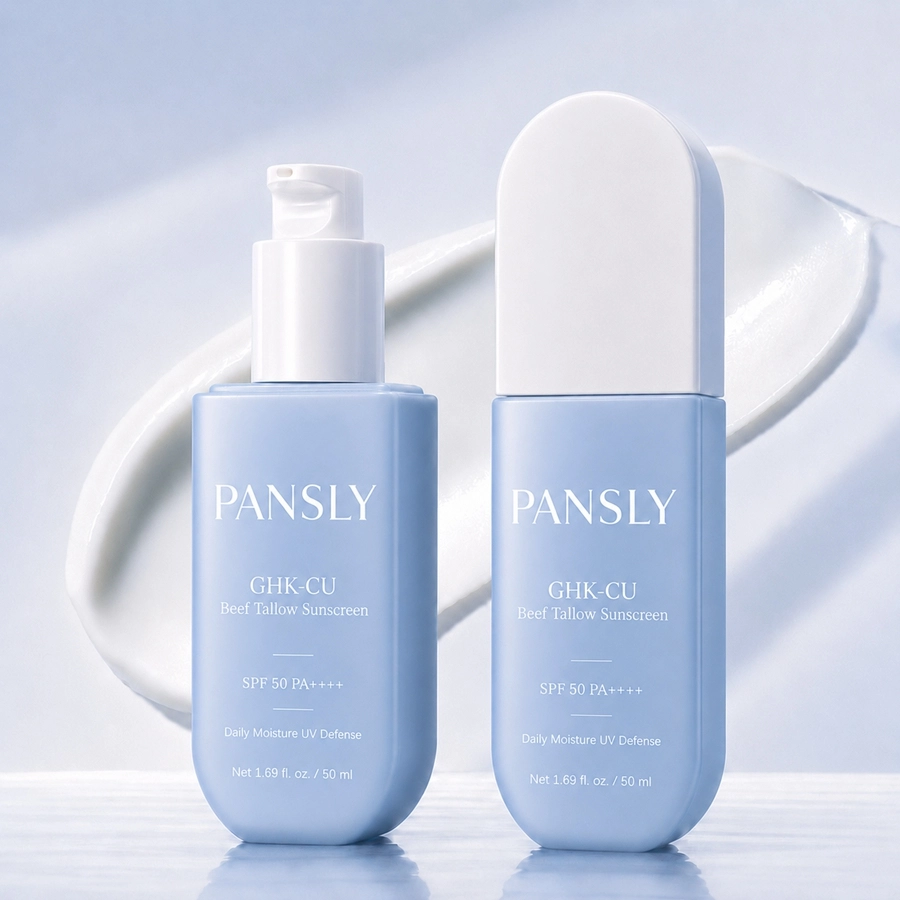
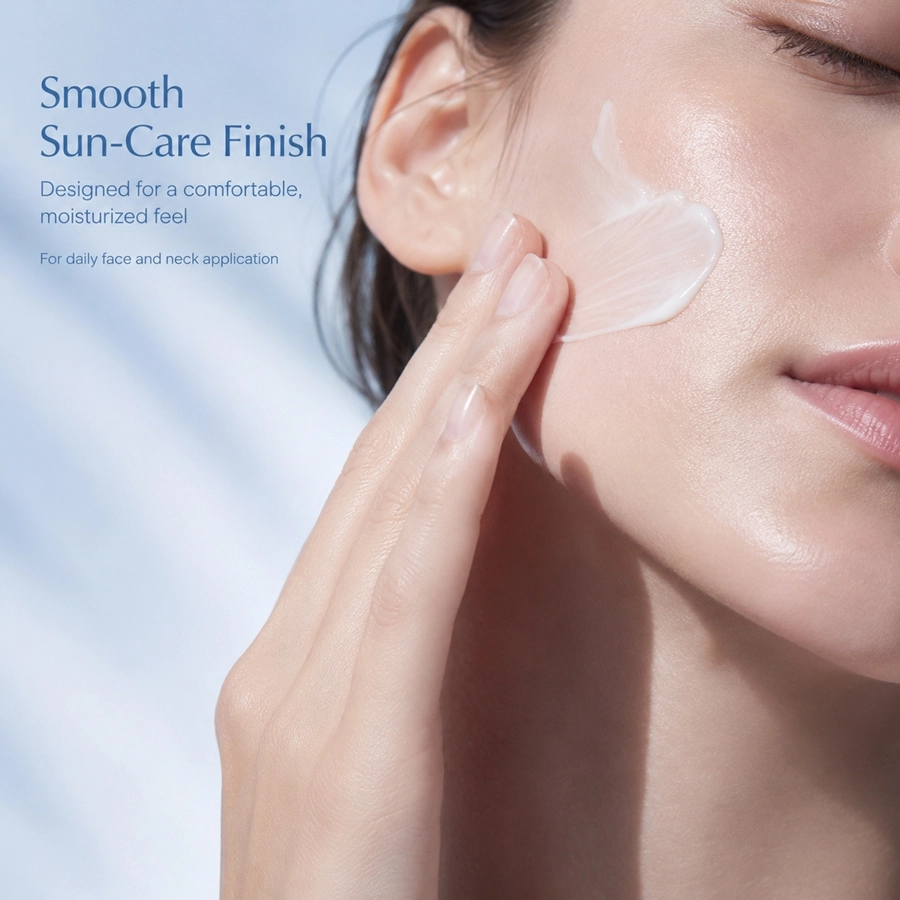
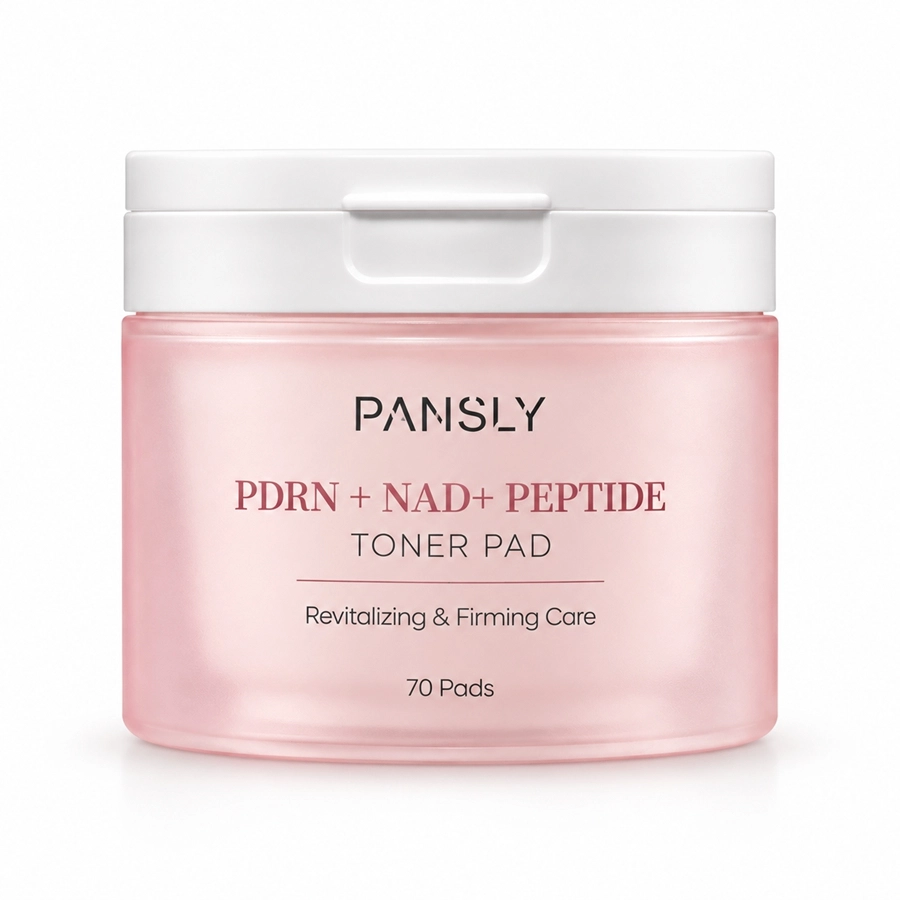
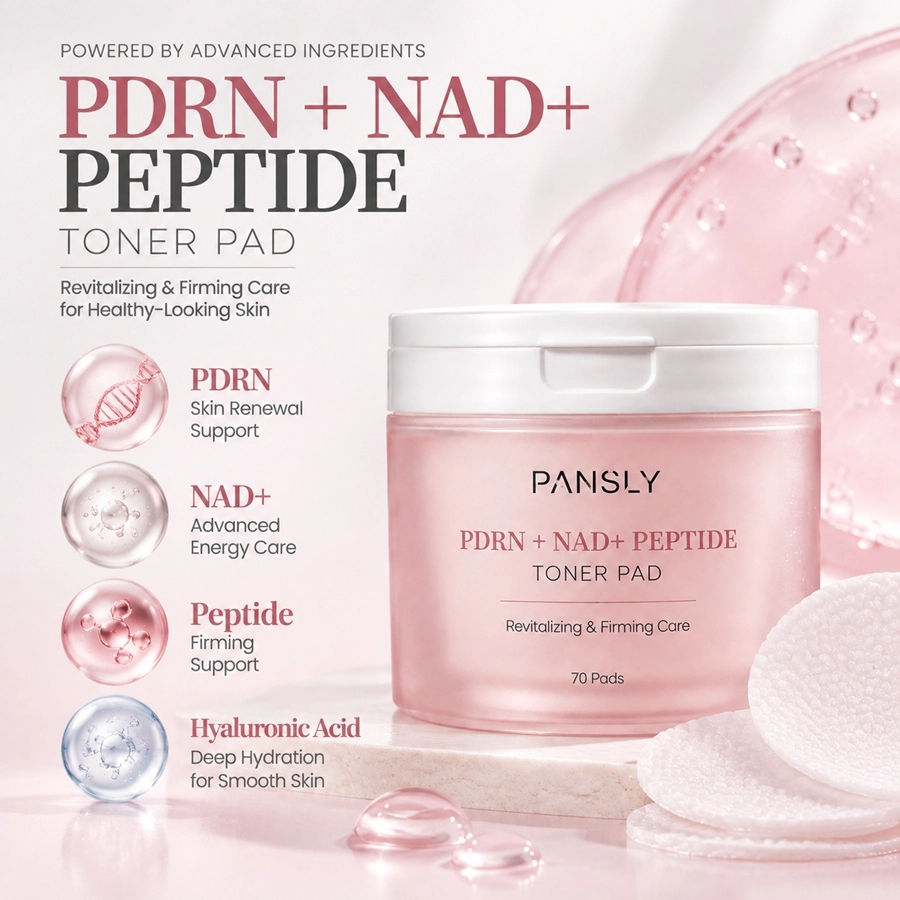
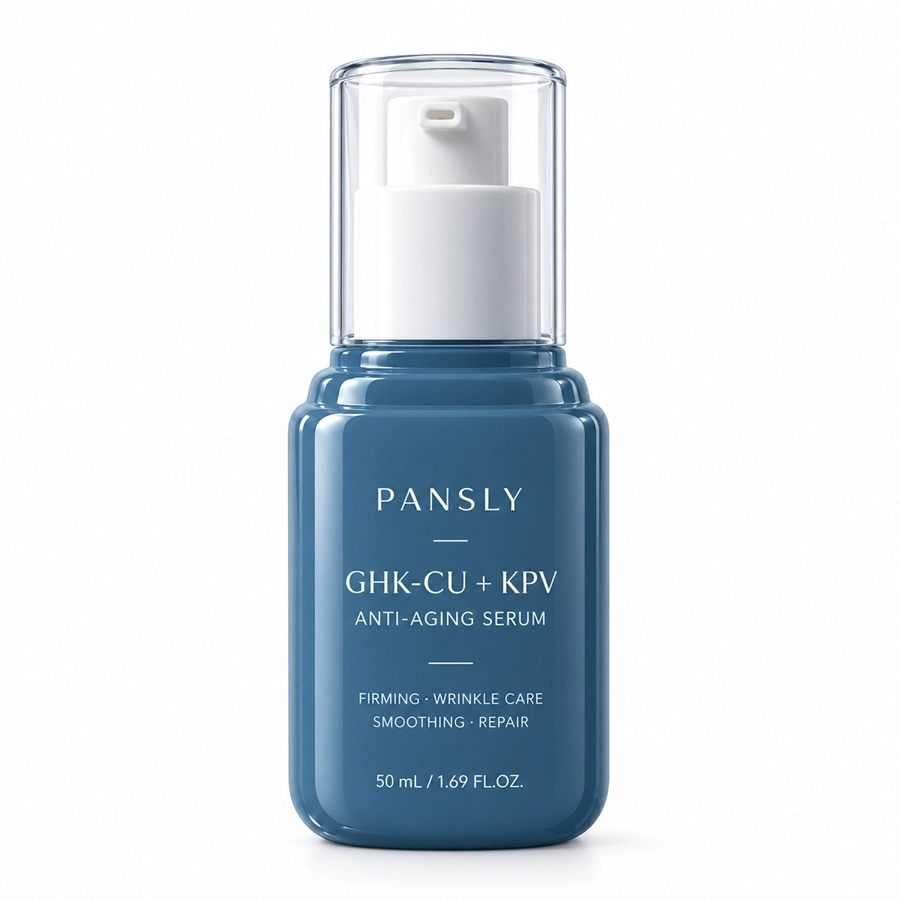
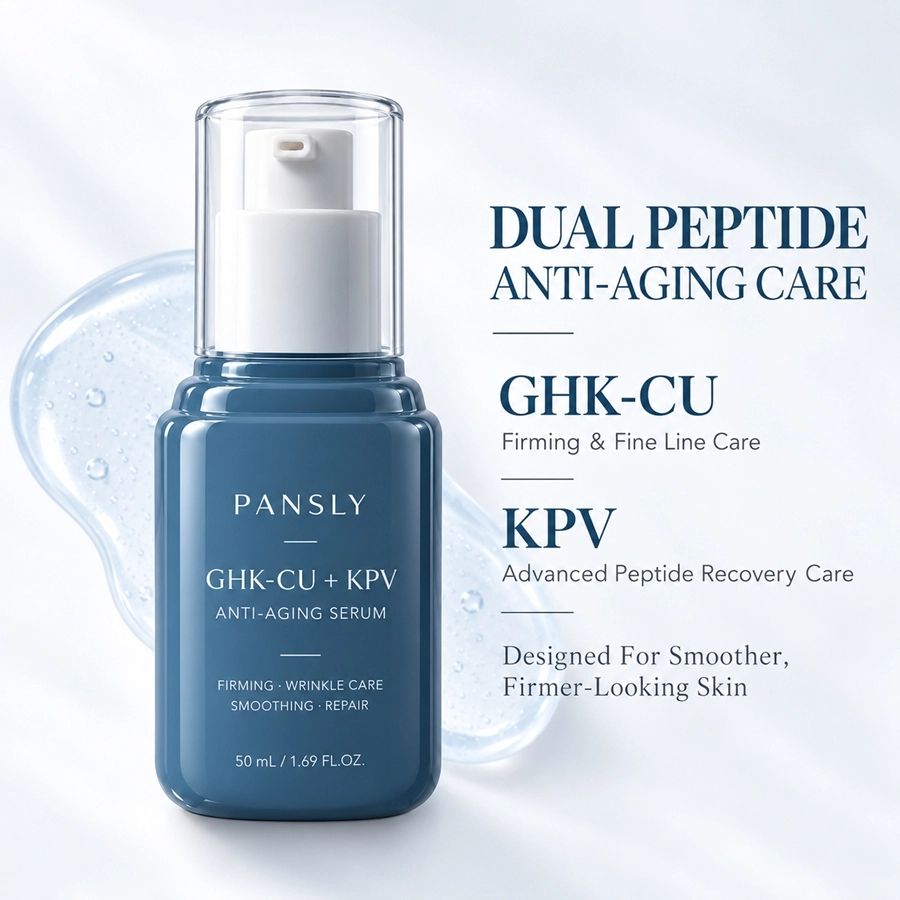
GHK-Cu KPV serum for skin is a private-label peptide face serum formulated for a firming, smoothing routine. This GHK-CU KPV Serum is positioned for wrinkle care and skin repair, making it a practical addition to an anti-aging skincare range.
Get in Touch with us
If you have any comments or good suggestions, please leave us a message; later our professional staff will contact you as soon as possible.
Click here to customize the Beauty
we respond within a few hours
Monday–Friday, 9AM–6PM
3A01, Building A, Zhisheng Square, No. 4 Zhifu Road, Helong Street, Baiyun District, Guangzhou, China.


Leave a request, and we'll email you back within 24 hours.
© 2026 Beyond Basix. All Rights Reserved.
