
Can SNAP-8 Serum Be Positioned for Forehead and Smile Lines?
Quick Answer
Yes. A snap-8 anti-wrinkle serum can be positioned for forehead lines and smile lines, provided claims reflect topical cosmetic performance rather than injectable outcomes. Beyond Basix can assess peptide compatibility, target texture, packaging, stability, and market claims. The appropriate solution depends on the project brief, testing results, and intended production conditions.
How Beyond Basix Supports Projects
Beyond Basix Cosmetics operates a 12,000-square-meter facility with a 100,000-level GMPC pharmaceutical-grade dust-free workshop and 12 production lines. Its experience in skincare development supports OEM/ODM projects involving peptide serum concepts, texture selection, packaging coordination, and production planning.
Buyers should confirm the peptide specification, finished-product format, package type, target market, claim language, and stability expectations. ISO 9001, GMP, MSDS, HALAL, CE, and other available certifications can be reviewed for project relevance. MOQ, lead time, testing scope, and quotation must be confirmed for each project.
Discuss Your SNAP-8 Line-Positioning Project
Share your target market, consumer profile, preferred format, pack size, projected MOQ, intended claims, and launch timing so suitable formulation, sample, packaging, and testing steps can be discussed. Start your project at www.beyondbasixcosmetics.com or email Lily@lanthome.com.
Deep-Dive FAQs
Can SNAP-8 target both forehead and smile lines?
It can be positioned for both areas, but the rationale should distinguish line behavior. Forehead lines are often associated with repeated frontalis movement, while smile lines may involve facial movement, skin folding, volume changes, and established creasing. A topical peptide product should therefore use measured cosmetic language such as helping improve the appearance of wrinkles, not implying muscle paralysis or volumizing action. Consumer instructions should support consistent application to clean skin and avoid presenting one ingredient as sufficient for every type of fold.
How should brands distinguish dynamic lines from static folds?
Dynamic lines become more visible during facial movement and may look softer when the face is relaxed. Static folds remain partly visible at rest and can reflect cumulative photoaging, collagen and elastin changes, dehydration, or tissue remodeling. This distinction matters for positioning: a peptide serum may be described around the appearance of expression lines, while deeper static creases require more cautious expectations. Product pages, packaging, and before-and-after protocols should define the assessed condition, lighting, facial expression, and evaluation period rather than treating all wrinkles as the same endpoint.
What concentration suits a private-label peptide serum?
There is no universally correct concentration for a private-label product because the answer depends on the exact raw material, active assay, carrier system, supplier specification, pH tolerance, preservation approach, and finished-product stability. Peptide percentages cannot be compared reliably when one supplier reports a diluted solution and another reports an active content basis. The manufacturer should verify the technical dossier, recommended use level, compatibility data, and cost impact before selecting a formula. The commercial decision should be based on finished-product performance and compliance documentation, not a high percentage used as a marketing shortcut.
Does peptide delivery determine visible line positioning?
Yes, delivery and formula behavior influence what can be credibly communicated. A water-based serum, emulsion, gel, or anhydrous product may differ in skin feel, application area, preservation needs, and compatibility with the peptide ingredient. Packaging also matters because repeated air, light, heat, or dispensing exposure can affect product quality depending on the formula. Brands should review ingredient solubility, pH, processing temperature, container compatibility, and stability results. Claims should describe the tested finished product rather than assuming that the presence of a named peptide proves a specific depth of penetration or wrinkle result.
How can claims remain compliant across export markets?
Claim rules vary by jurisdiction, and the same phrase can be interpreted differently depending on product category and presentation. Cosmetic wording generally needs to remain tied to appearance, hydration, smoothing, or other substantiated cosmetic benefits. Statements suggesting paralysis, treatment of a medical condition, replacement of injections, or permanent correction can create regulatory risk. A compliant workflow includes reviewing the formula and advertising together, checking required product documentation, aligning language with available evidence, and adapting translations for each target market. Legal or regulatory review remains appropriate before final artwork and online launch.
Which testing supports a credible anti-wrinkle launch?
A credible program begins with basic quality and stability assessment, followed by testing that matches the proposed claim. Depending on the market and product, this may include microbiological control, preservative evaluation where applicable, package compatibility, accelerated and real-time stability, skin compatibility assessment, and an instrumental or consumer-use wrinkle study. Test design should define participant characteristics, application frequency, control conditions, imaging or grading method, and evaluation timing. Photographs alone can mislead when lighting, facial expression, hydration, or camera distance changes, so standardized protocols are important for defensible communication.
Related Articles for Private Label Cosmetics

Why Two Mineral Sunscreens With the Same SPF Can Feel Completely Different

Beyond Ordinary Tallow Balm: How GHK-Cu and SNAP-8 Create a Different Skincare Story

When Blue Copper Peptides Meet Beef Tallow: A New Direction for Premium Skincare

PDRN Toner Pads vs GHK-Cu + SNAP-8 Peptide Toner Pads: Private Label Manufacturing Decisions
You May Also Like
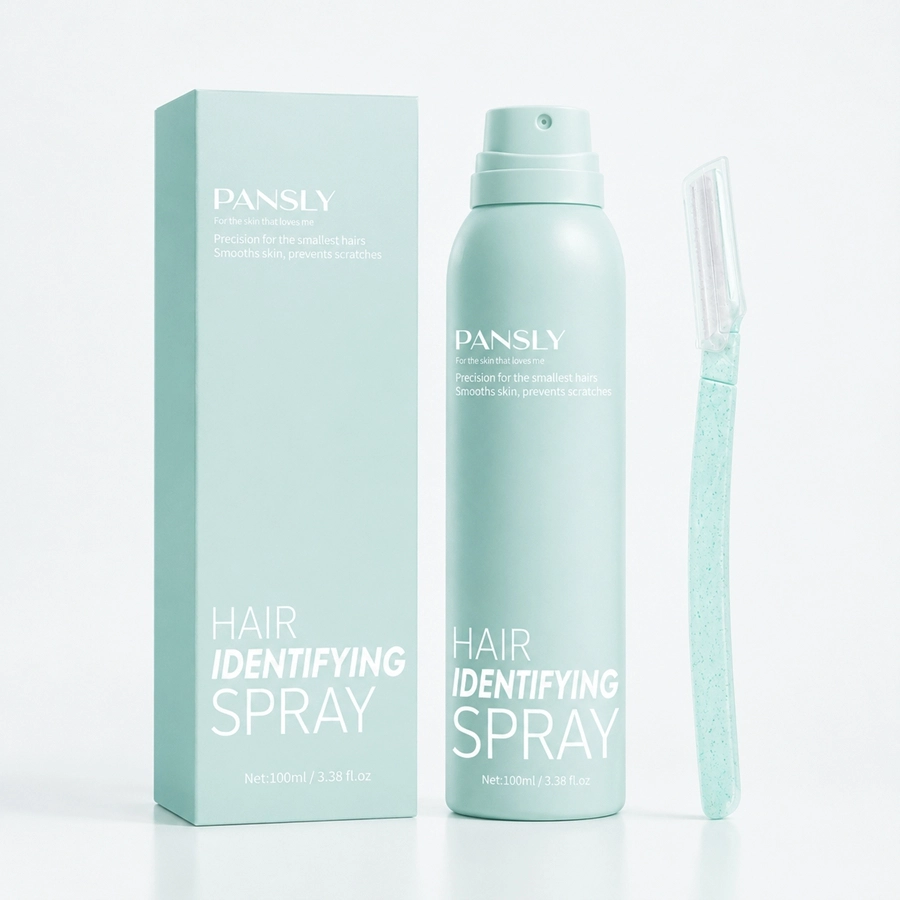
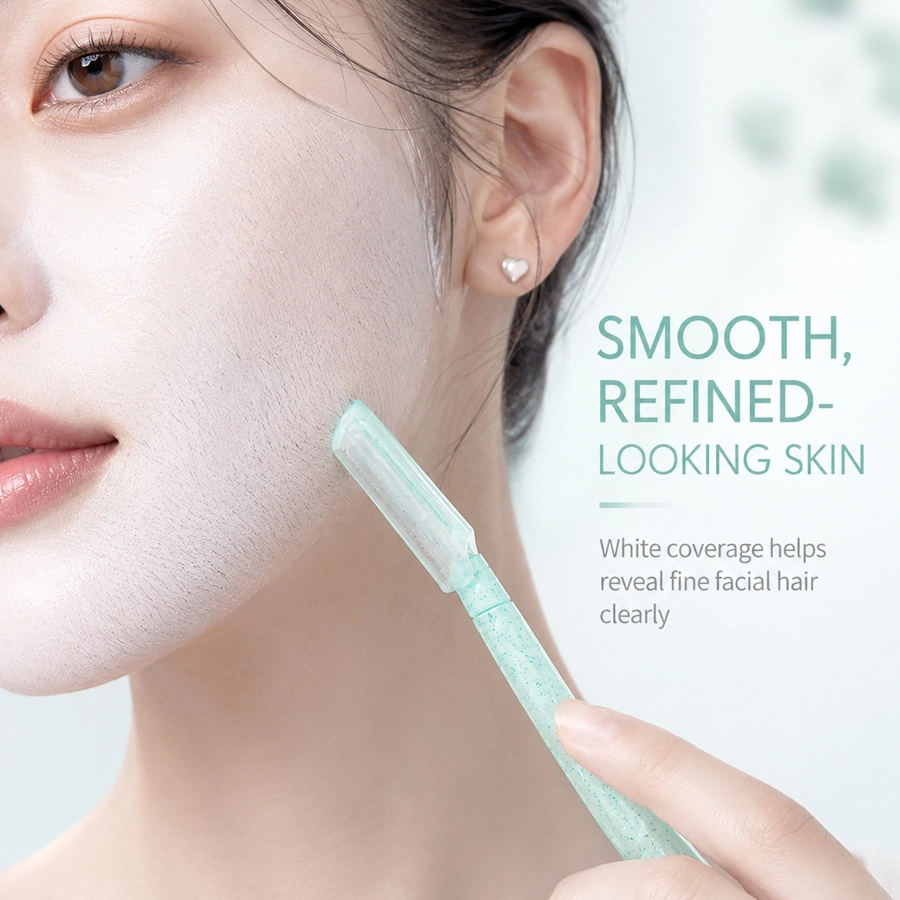
This Pansly Hair Identifying Spray Grooming Set includes a 100ml pre-shave hair identifying spray and a matching precision facial scraper, suitable for facial and body fine hair trimming.
Core functional ingredients:
Zea Mays (Corn) Starch: Forms a thin white film on dry skin to make invisible tiny vellus hairs clearly visible, supporting targeted accurate grooming;
Portulaca Oleracea Extract: Calms skin and alleviates irritation caused by scraping operations;
Hydrolyzed Keratin: Lubricates the skin surface to boost razor gliding and avoid scratches during hair removal;
Butylene Glycol: Offers gentle moisturization to keep skin comfortable throughout the grooming process.
You can finish the whole routine in 4 simple steps: Spray evenly on dry skin → Identify fine hairs via white coverage → Glide gently with the scraper → Wipe residues for silky smooth skin. It can be used on cheeks, upper lips, jawline, arms and more areas. We provide complete OEM/ODM private label service, including custom logo, multiple color selections, bulk order support and fast customization.
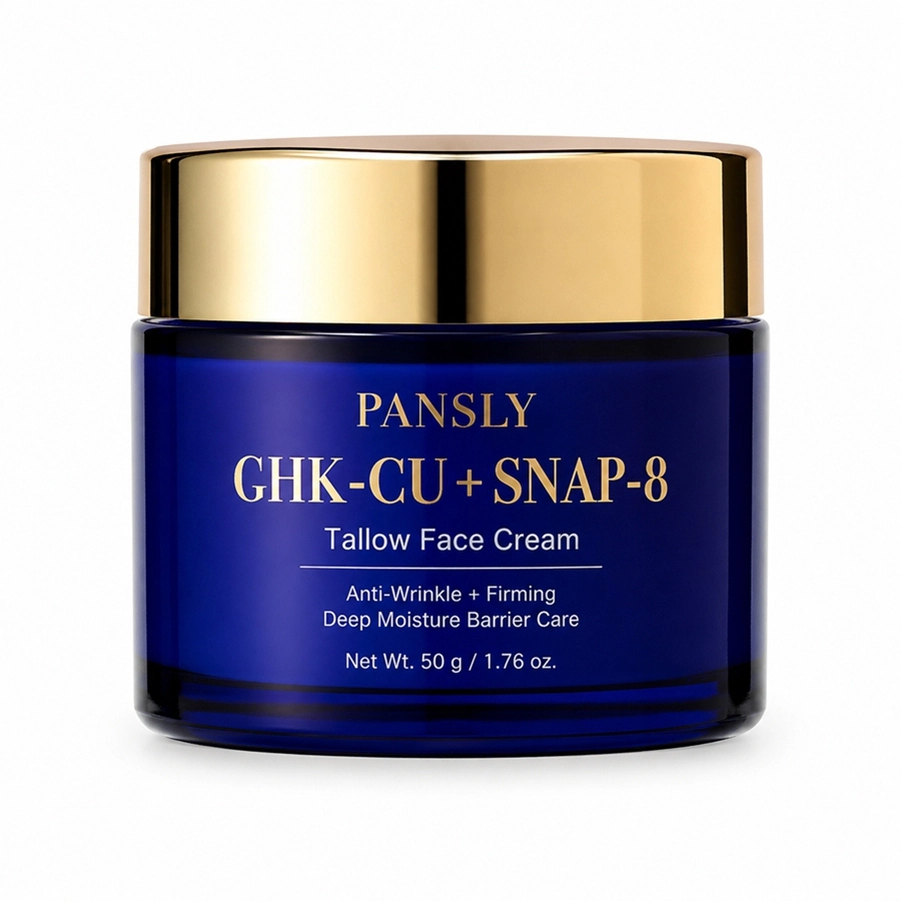
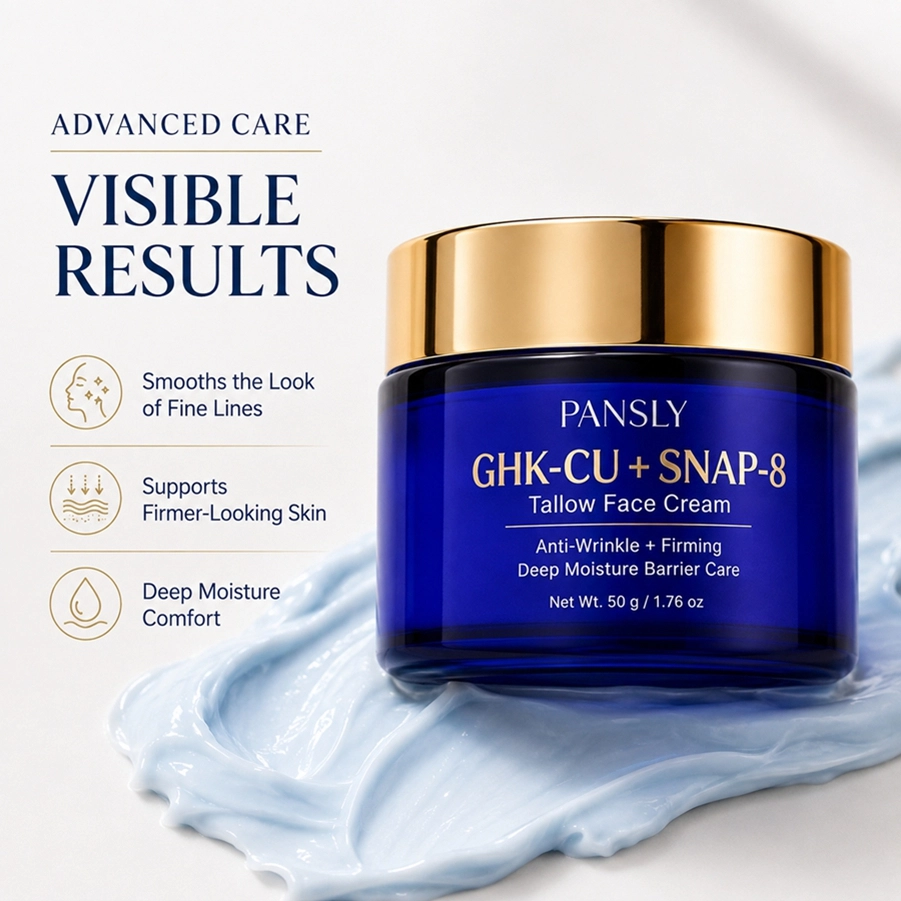
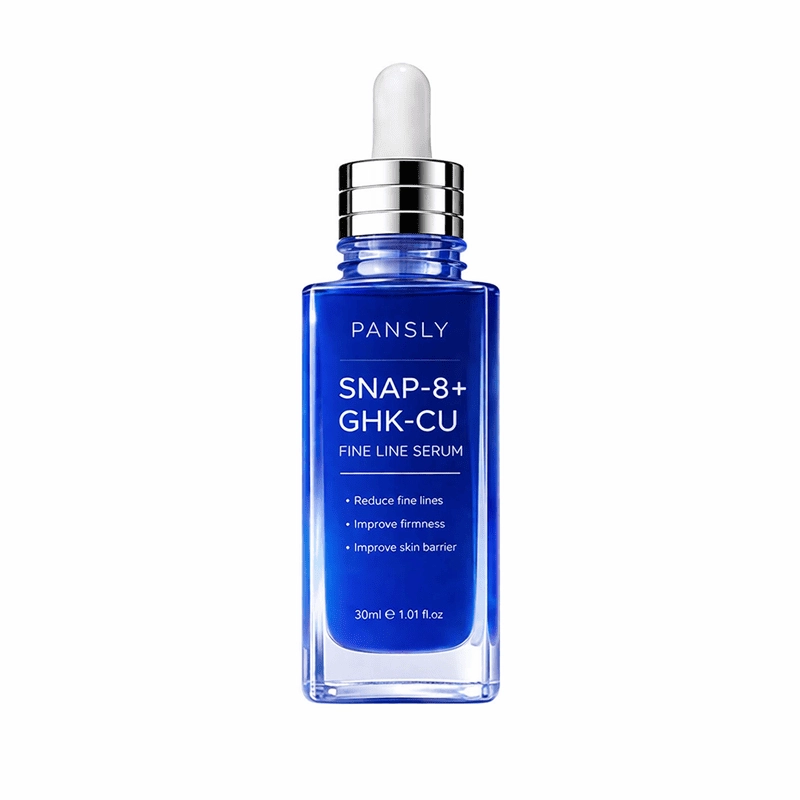
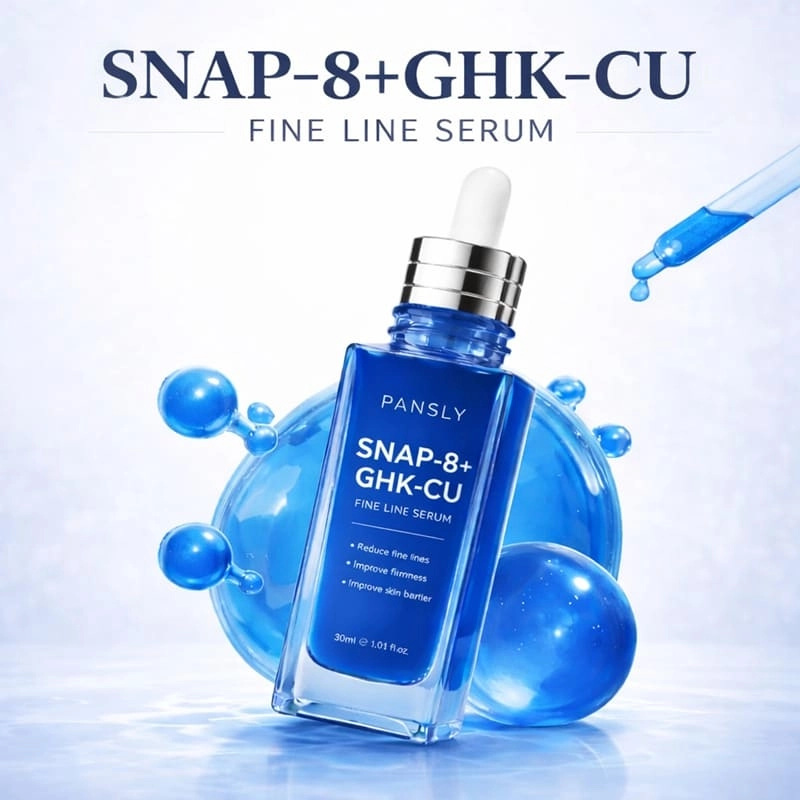
Private label GHK-Cu + SNAP-8 copper peptide serum for beauty brands developing peptide-led anti-aging and expression-line skincare. The formula combines a copper-peptide ingredient story with SNAP-8 positioning and can be discussed with custom texture, supporting skincare ingredients and packaging options.
Beyond Basix supports OEM/ODM sample development, packaging coordination and production planning. Final ingredient levels, claims, MOQ and lead time are confirmed according to the approved formula, target market and order requirements.
Get in Touch with us
If you have any comments or good suggestions, please leave us a message; later our professional staff will contact you as soon as possible.
Click here to customize the Beauty
we respond within a few hours
Monday–Friday, 9AM–6PM
3A01, Building A, Zhisheng Square, No. 4 Zhifu Road, Helong Street, Baiyun District, Guangzhou, China.


Leave a request, and we'll email you back within 24 hours.
© 2026 Beyond Basix. All Rights Reserved.
