
Should Brands Sell Hair Growth Inhibitor as a Standalone SKU or Aftercare Product?
Quick Answer
A private label hair growth inhibitor can work as either a standalone SKU or an aftercare product, but aftercare positioning often provides clearer usage context and stronger routine-building potential. Selection should consider regulatory claims, active compatibility, application timing, packaging stability, target price, and expected reorder behavior. Beyond Basix can assess formulation and manufacturing options, while final solutions depend on project specifications, testing, and target-market requirements.
How Beyond Basix Supports Projects
Beyond Basix supports OEM and ODM skincare projects through formulation development, production, packaging coordination, and quality-control processes within its 12,000-square-meter facility. Its experience developing skincare products with effective ingredients can support decisions such as lotion, cream, serum, or gel texture, intended application area, fragrance direction, and compatibility with a broader hair-removal routine.
Buyers should confirm the target market, product classification, claim language, ingredient restrictions, packaging format, fill volume, and required stability or compatibility testing. MOQ, lead time, testing scope, and quotation must be confirmed for each project rather than assumed from another formula or market.
Discuss Your Hair Growth Inhibitor Product Strategy
Share your target country, customer profile, hair-removal method, intended product position, claims direction, packaging preference, and estimated order volume so suitable standalone or aftercare options and sample steps can be discussed. Start your project at www.beyondbasixcosmetics.com or email Lily@lanthome.com for a focused OEM/ODM evaluation.
Frequently Asked Questions
Should hair growth inhibitor be sold alone or after waxing?
Aftercare positioning is usually easier for beginners because the consumer already understands when and why to apply the product: after waxing, shaving, sugaring, or another hair-removal step. It also allows the brand to explain the item as part of a routine rather than implying that the product independently changes hair biology. A standalone SKU can be appropriate when the brand has strong education, search demand, and a clearly defined use schedule. The decision should follow the formula’s intended use, claim substantiation, and the removal method being addressed. Avoid promising permanent reduction or a guaranteed result; hair-growth claims may require different regulatory treatment depending on the country and wording.
What claims can private label post hair removal products make?
Claims must be evaluated by market, formula, evidence, and presentation rather than copied from a supplier catalogue. Cosmetic language may describe functions such as soothing, moisturizing, refreshing, or helping skin feel comfortable after hair removal when those claims are supportable. Statements that the product inhibits, stops, permanently reduces, or treats hair growth can attract medicinal, drug, or other regulated-product scrutiny in some jurisdictions. Before artwork approval, review the ingredient status, product classification, advertising channels, required substantiation, and local labeling rules. A qualified regulatory reviewer should assess the final wording because the same formula can be treated differently when its claims change.
How should brands position inhibitor products for repeat purchase?
Repeat purchase depends on a credible usage occasion and an achievable consumption cycle, not simply on calling a product an inhibitor. An aftercare system can define application after each hair-removal session and pair the item with cleansing, calming, or moisturizing steps. A standalone product needs equally clear instructions covering frequency, application area, skin-condition precautions, and when to stop use. Brands should measure reorder timing, first-use feedback, return reasons, and customer questions before changing the formula. Avoid presenting slower visible hair return as a universal outcome: hair-growth cycles vary by person and body area, and cosmetic results require carefully worded expectations.
Which packaging format suits a hair growth inhibitor SKU?
Packaging should reflect viscosity, dose control, hygiene, chemical compatibility, and the application area. A pump can support controlled dispensing for a lotion or serum, while a tube may suit a cream used on localized areas. An airless format may be considered when the formula and supplier testing demonstrate that reduced air exposure benefits product protection, but it should not be selected solely for marketing appeal. Conduct formula-pack compatibility, leakage, transport, and stability assessments using the intended commercial container. The label should provide directions, precautions, net contents, batch information, shelf-life or period-after-opening information where required, and legally appropriate ingredient disclosure.
What testing should precede an aftercare hair inhibitor launch?
Testing should be designed around the formula, package, claims, and destination market. Common project discussions include microbiological quality, preservative effectiveness where applicable, stability under relevant storage conditions, packaging compatibility, and user safety assessment required by local law. If the brand intends to make performance claims, the evidence should match the exact formula, directions, population, and wording used in advertising. Patch testing can provide useful safety information but does not prove hair-growth reduction. Testing should also consider use on recently depilated skin, because hair removal can temporarily increase sensitivity. The manufacturer and regulatory specialists should define the protocol before production samples are approved.
How do MOQ and forecast affect standalone product economics?
A standalone SKU usually carries more commercial exposure because it requires its own artwork, packaging inventory, launch education, and demand forecast. An aftercare product may benefit from attachment to an existing hair-removal range, but it still needs separate production planning and compliant packaging. Buyers should model formula development, testing, tooling or decoration, components, filling, freight, storage, sampling, and write-off risk rather than comparing only the unit quotation. A conservative first forecast can reduce excess inventory, subject to the manufacturer’s MOQ and setup requirements. Confirm whether the same component, base formula, or packaging can be used across markets; regulatory changes may still require separate labels or documentation.
Related Articles for Private Label Cosmetics

Why Two Mineral Sunscreens With the Same SPF Can Feel Completely Different

Beyond Ordinary Tallow Balm: How GHK-Cu and SNAP-8 Create a Different Skincare Story

When Blue Copper Peptides Meet Beef Tallow: A New Direction for Premium Skincare

PDRN Toner Pads vs GHK-Cu + SNAP-8 Peptide Toner Pads: Private Label Manufacturing Decisions
You May Also Like
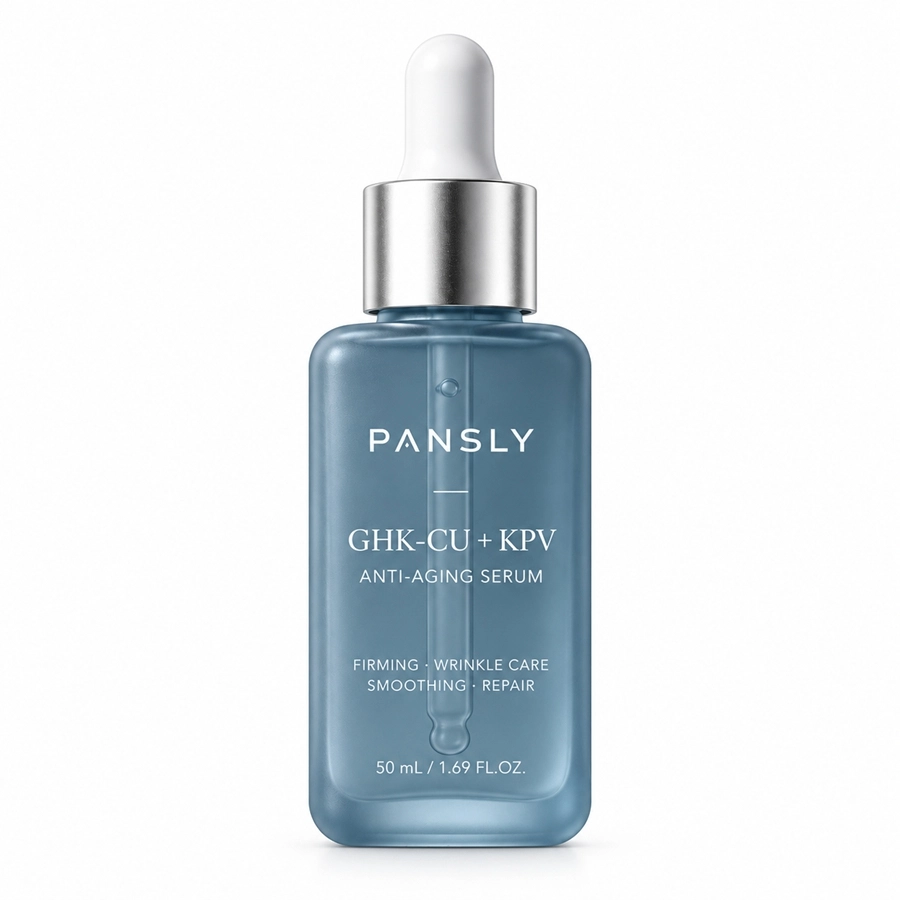
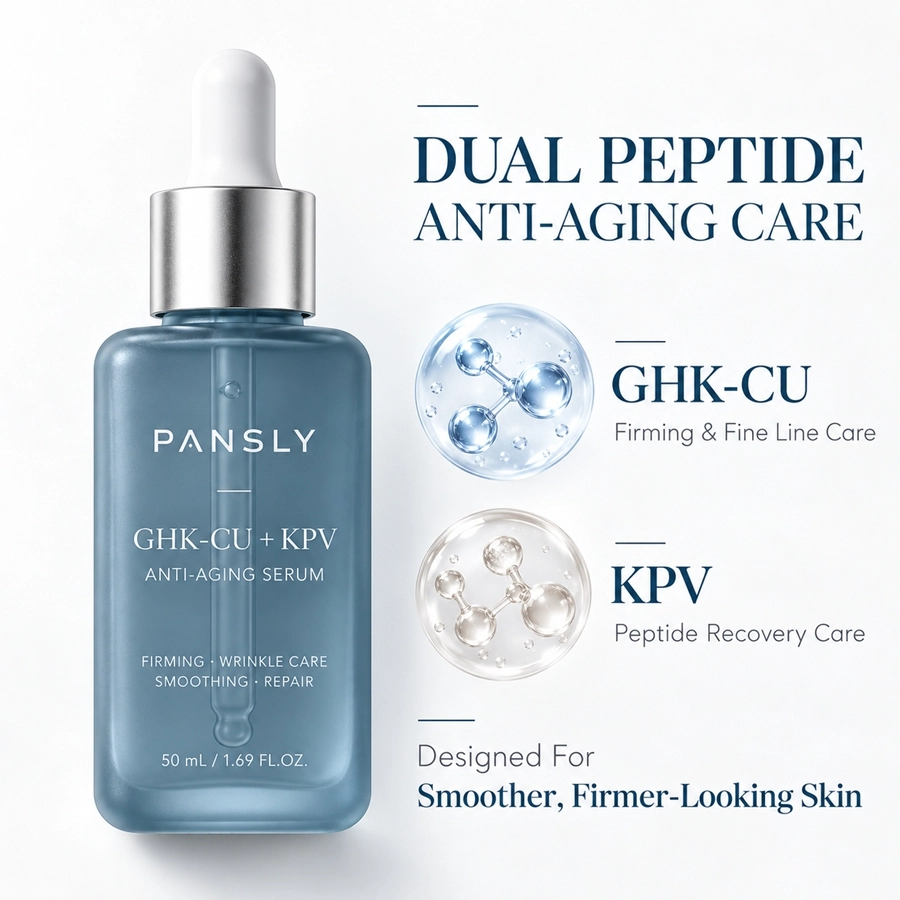
GHK-Cu KPV serum for skin is a private-label peptide face serum formulated for a firming, smoothing routine. This GHK-CU KPV Serum is positioned for wrinkle care and skin repair, making it a practical addition to an anti-aging skincare range.
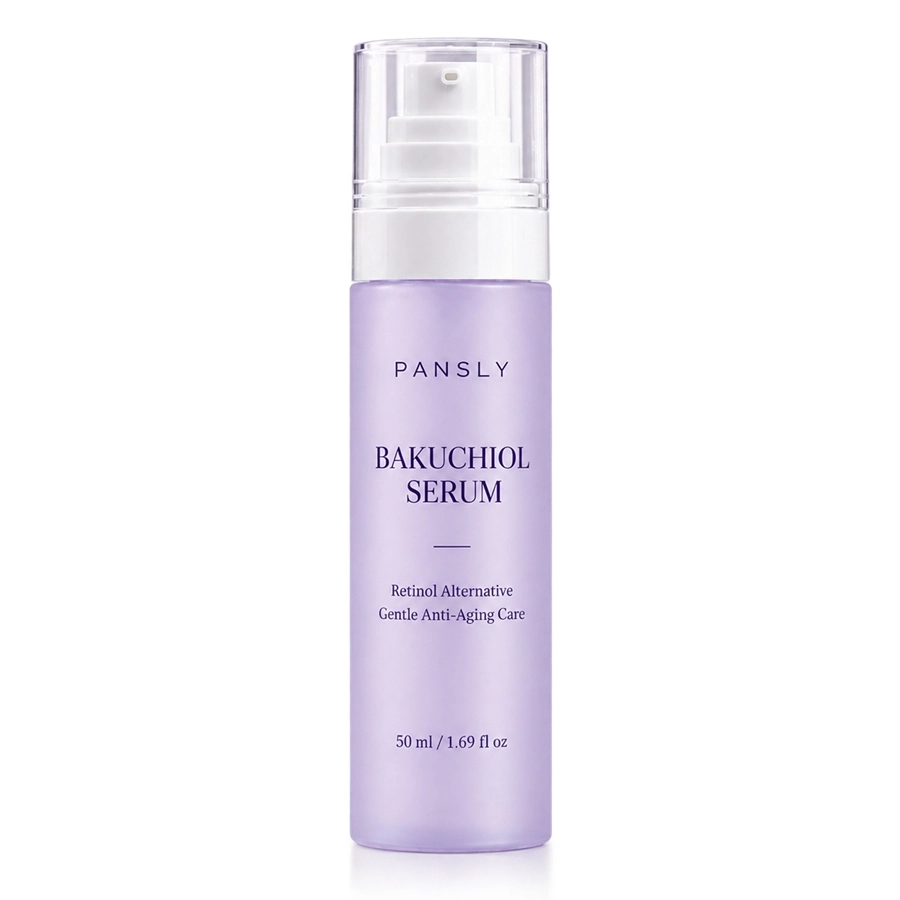
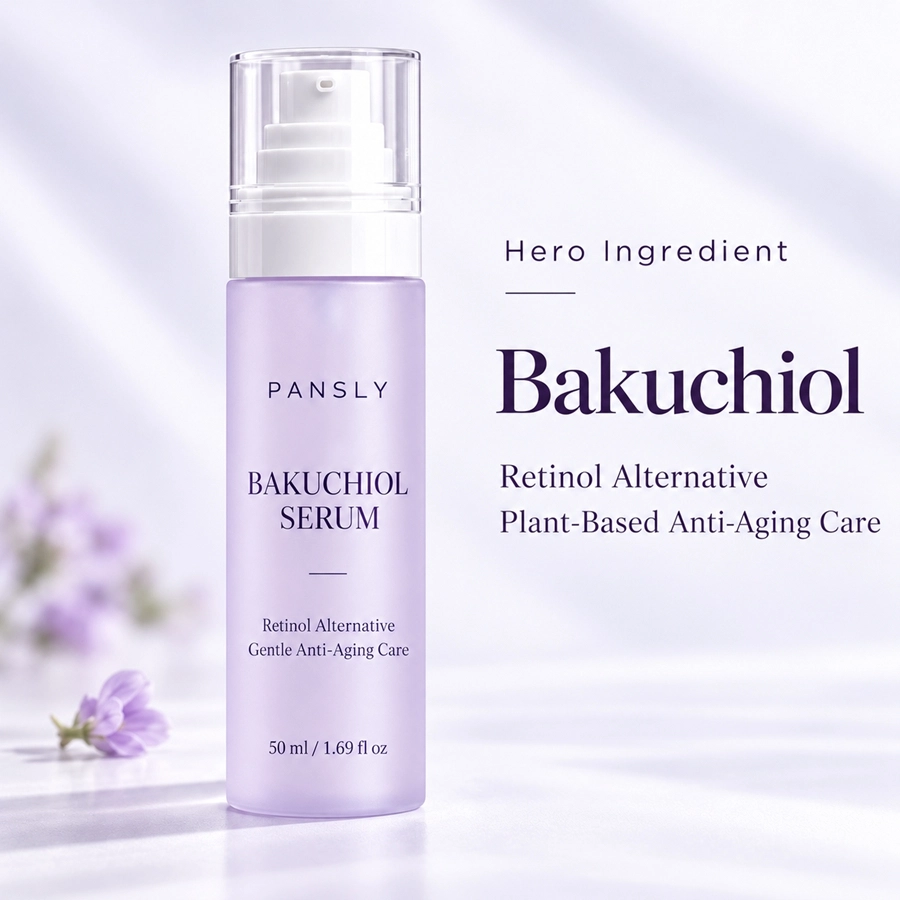
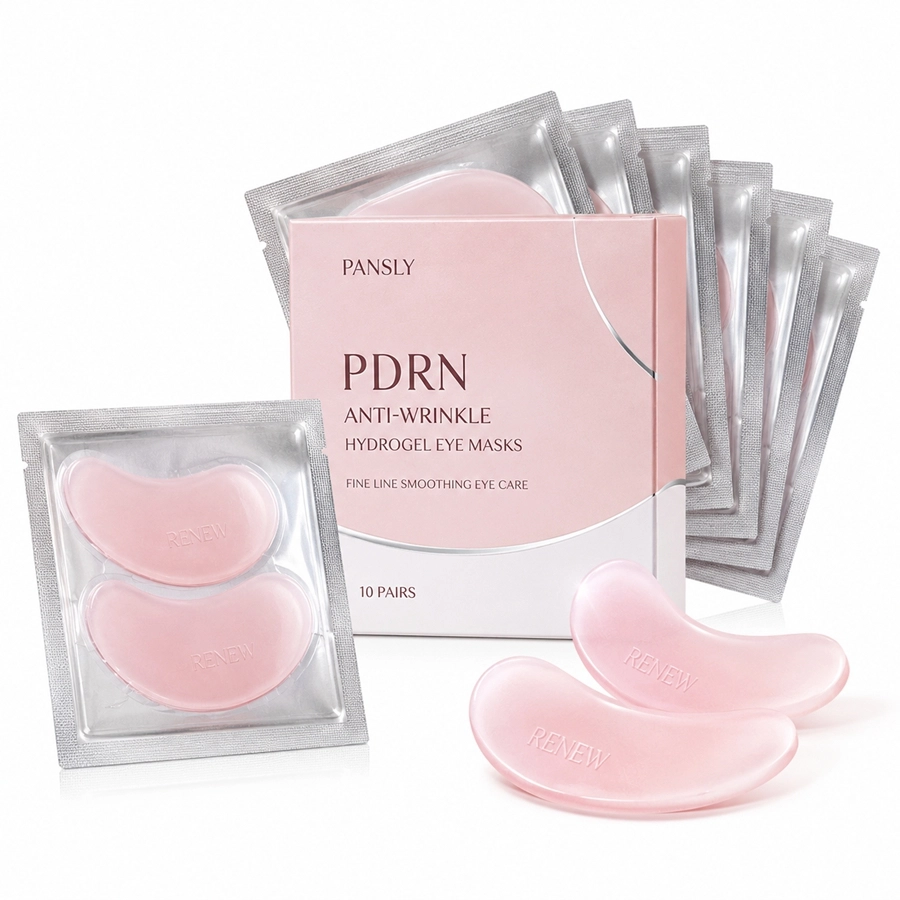
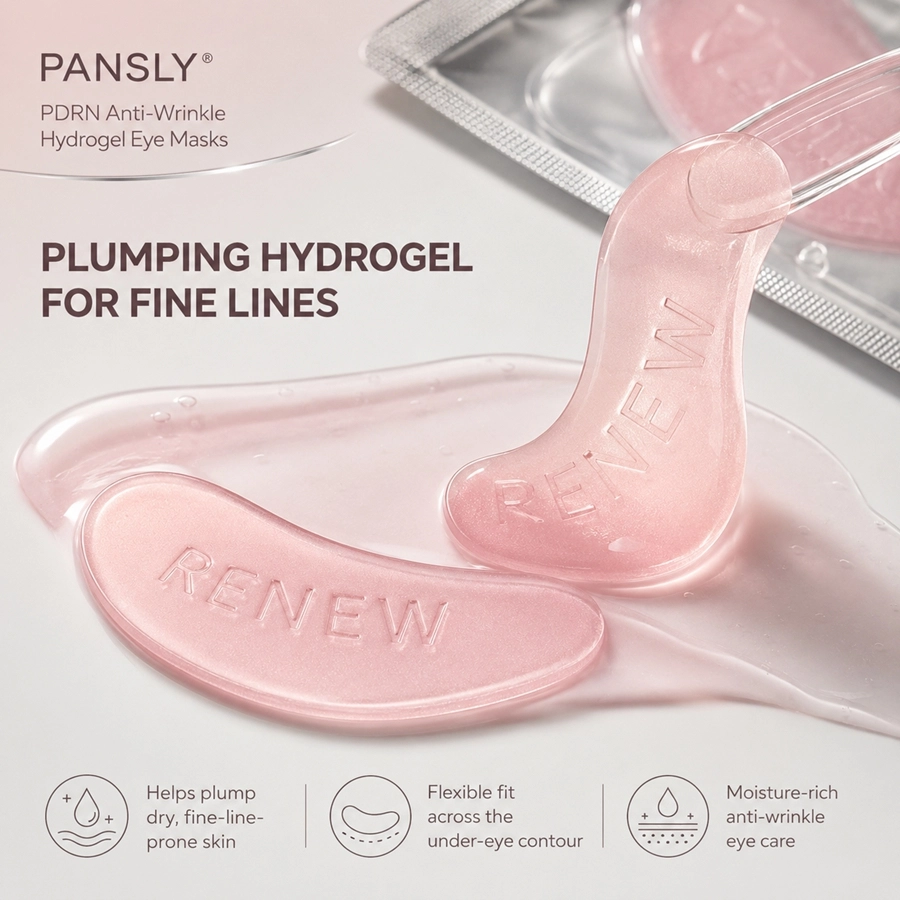
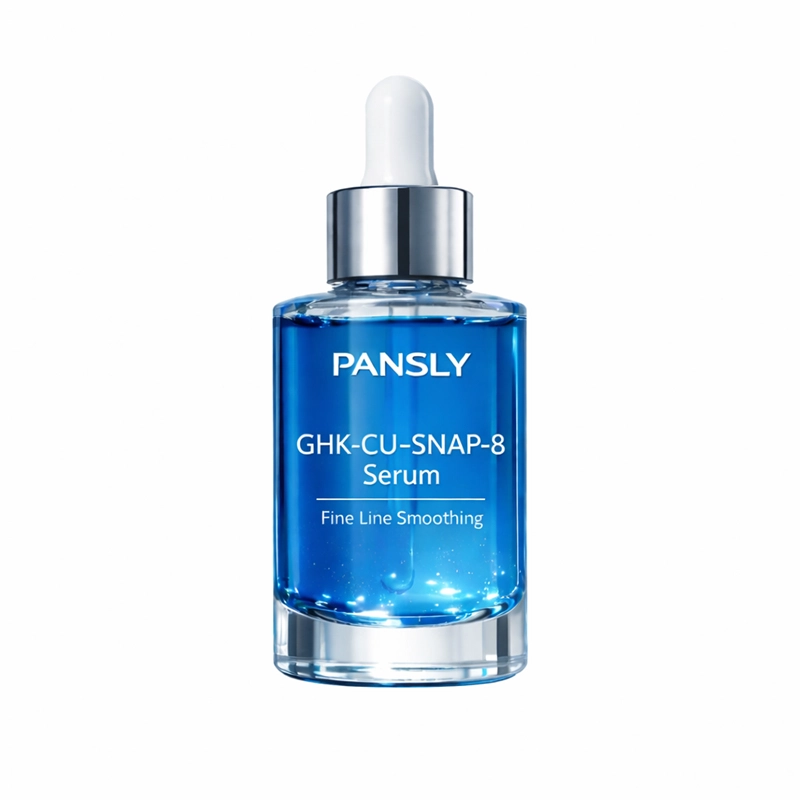
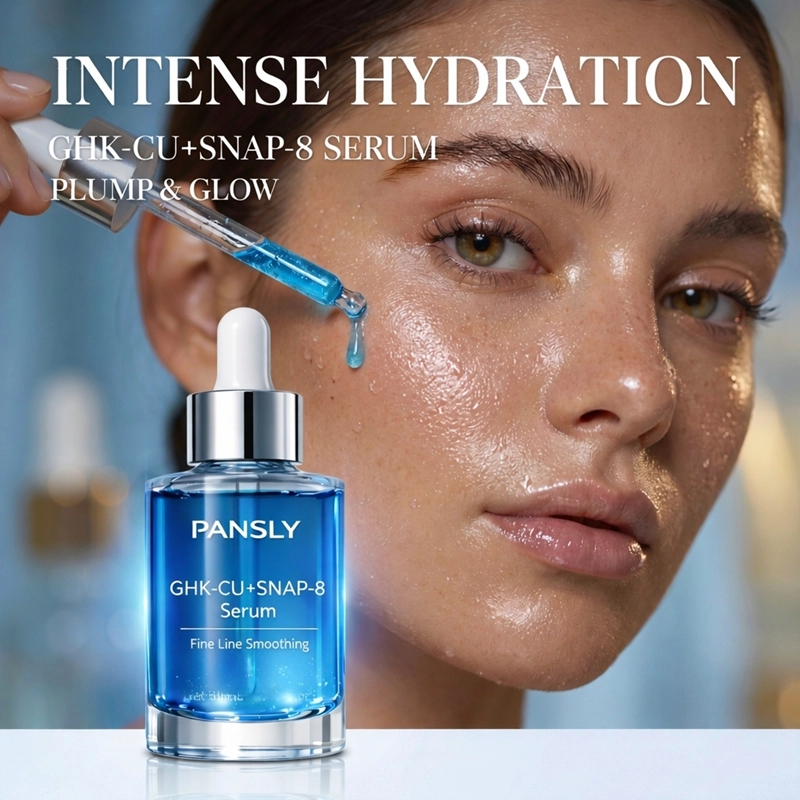
This Pansly GHK-CU + SNAP-8 Fine Line Smoothing Serum features premium dual-peptide complex formula to deliver multi-dimensional anti-aging skincare.
Formulated with two star peptide actives: GHK-CU Copper Peptide lifts sagging skin, boosts collagen production and enhances skin elasticity for firmer contour; SNAP-8 Anti-Wrinkle Peptide visibly smooths fine lines and wrinkles to fade expression creases. Complemented with Panthenol and Hyaluronic Acid, it provides soothing care and deep long-lasting hydration, revitalizing dull skin to restore a youthful radiant glow.
Lightweight watery texture absorbs quickly without sticky residue, suitable for daily anti-aging maintenance of all skin types.
Get in Touch with us
If you have any comments or good suggestions, please leave us a message; later our professional staff will contact you as soon as possible.
Click here to customize the Beauty
we respond within a few hours
Monday–Friday, 9AM–6PM
3A01, Building A, Zhisheng Square, No. 4 Zhifu Road, Helong Street, Baiyun District, Guangzhou, China.


Leave a request, and we'll email you back within 24 hours.
© 2026 Beyond Basix. All Rights Reserved.
