
What Supporting Ingredients Work With GHK-Cu and Ectoin?
Quick Answer
A ghk-cu ectoin serum can be supported by carefully selected humectants, niacinamide, gentle soothing agents, and compatible antioxidants. The main screening factors are target pH, copper-binding materials, preservative compatibility, packaging, and claim requirements. Beyond Basix can assess these variables during formulation development, but the final solution depends on the specific project, stability testing, and production conditions.
How Beyond Basix Supports Projects
Beyond Basix Cosmetics applies 12 years of effective-ingredient skincare development within a broader 23-year cosmetics manufacturing history. Its OEM/ODM support can cover formula adjustment, ingredient selection, production planning, and quality-control coordination for copper peptide and ectoin concepts. The company operates a 12,000-square-meter facility with a 100,000-level GMPC pharmaceutical-grade dust-free workshop and 12 production lines.
Buyers should confirm the intended market, target pH, dosage concept, texture, packaging format, product claims, and required testing scope. MOQ, lead time, testing scope, and quotation must be confirmed for each project, alongside applicable documentation such as ISO, GMP, MSDS, or market-specific compliance needs.
Discuss Your GHK-Cu and Ectoin Serum Brief
Send the target market, skin concern, preferred texture, package size, desired claims, estimated order volume, and launch timeline so suitable supporting ingredients, sample stages, and testing priorities can be discussed. Contact Beyond Basix through www.beyondbasixcosmetics.com or Lily@lanthome.com to start a project-specific formulation conversation.
Deep-Dive FAQs
Which antioxidants complement copper peptide and ectoin without destabilizing serum?
Antioxidant selection should follow the formula’s pH, water or oil phase, preservative system, and packaging design rather than relying on a popular ingredient list. Tocopherol is oil-soluble and may suit an emulsion or biphasic concept, while some polyphenols and vitamin C derivatives require separate solubility and stability checks. Low-pH L-ascorbic acid systems can create a less suitable environment for some peptide concepts, so combining them should be treated as a development question, not an assumed benefit. Test color, odor, assay, viscosity, and phase stability during accelerated and real-time studies. Ectoin does not remove the need to evaluate oxidation or peptide integrity.
Can niacinamide be combined with GHK-Cu and ectoin formulations?
Niacinamide is commonly used in mildly acidic to near-neutral skincare systems and can be a practical partner for a copper peptide and ectoin product. The outdated claim that niacinamide and acidic ingredients inevitably form harmful compounds oversimplifies the issue; meaningful risk depends on pH, heat, concentration, storage, and the actual formula. For OEM development, confirm niacinamide solubility, final pH, raw-material specifications, color stability, and compatibility with the preservative system. Avoid making combined-ingredient assumptions from supplier brochures alone. A pilot batch should be checked for appearance, pH drift, viscosity, microbial protection, and active-content retention before bulk production.
What humectants improve ectoin serum texture without reducing performance?
Glycerin, propanediol, betaine, and sodium hyaluronate are common candidates, but the correct blend depends on the desired sensory profile and total solids. Glycerin can provide durable water binding but may feel tacky at higher use levels. Propanediol can reduce tack and support solvent function, while betaine may contribute a softer after-feel. Sodium hyaluronate requires attention to molecular weight, hydration time, and dispersion because it can affect viscosity and stringiness. Ectoin should be evaluated within the complete aqueous system, including humectant load, electrolyte content, polymer thickener, and preservative. Texture screening should include spreadability, rub-out, pilling, tack, and stability after temperature cycling.
Should acidic vitamin C be included with copper peptides?
Not as a default choice. L-ascorbic acid is typically developed in a low-pH environment, often near pH 3 to 3.5, whereas peptide systems may require a different balance for stability, skin feel, and preservative performance. A low-pH vitamin C approach can also increase color-change and oxidation-management demands. If both actives are commercially important, a developer may compare a separated dual-product strategy with a carefully screened derivative-based system. The decision should use assay testing, pH monitoring, odor and color observation, packaging compatibility, and consumer-use simulation. Copper peptide presence does not automatically make every vitamin C format unsuitable, but compatibility must be demonstrated in the finished product.
How do chelators affect GHK-Cu stability in OEM batches?
Chelators bind metal ions, so their use requires particular care in a formula containing a copper peptide complex. A chelator may help control unwanted trace-metal reactions, yet excessive or poorly selected chelation can interact with the copper environment associated with the peptide. The practical question is not simply whether a chelator is present, but its identity, concentration, pH behavior, purity, and effect on the finished active. Development teams should compare control and chelator-containing batches using copper-peptide assay or an appropriate validated analytical method, together with pH, color, odor, viscosity, and preservative testing. Supplier compatibility data should support, not replace, finished-formula evidence.
Which soothing ingredients suit sensitive-skin positioning and regulatory review?
Panthenol, allantoin, beta-glucan, glycerin, and selected centella-derived ingredients are common candidates for a comfort-oriented concept, but each requires formula and market review. Their inclusion does not substantiate a medical or hypoallergenic claim. Allantoin can present solubility and crystallization concerns if the formula is overloaded or cooled incorrectly, while botanical materials require attention to specification, color, odor, allergens, and regional documentation. For sensitive-skin positioning, keep the formula architecture controlled: limit unnecessary fragrance, review surfactant exposure, verify preservative tolerance, and define claims according to the destination market. Conduct stability, microbiological, packaging, and human-use evaluations before approving marketing language.
Related Articles for Private Label Cosmetics

Why Two Mineral Sunscreens With the Same SPF Can Feel Completely Different

Beyond Ordinary Tallow Balm: How GHK-Cu and SNAP-8 Create a Different Skincare Story

When Blue Copper Peptides Meet Beef Tallow: A New Direction for Premium Skincare

PDRN Toner Pads vs GHK-Cu + SNAP-8 Peptide Toner Pads: Private Label Manufacturing Decisions
You May Also Like
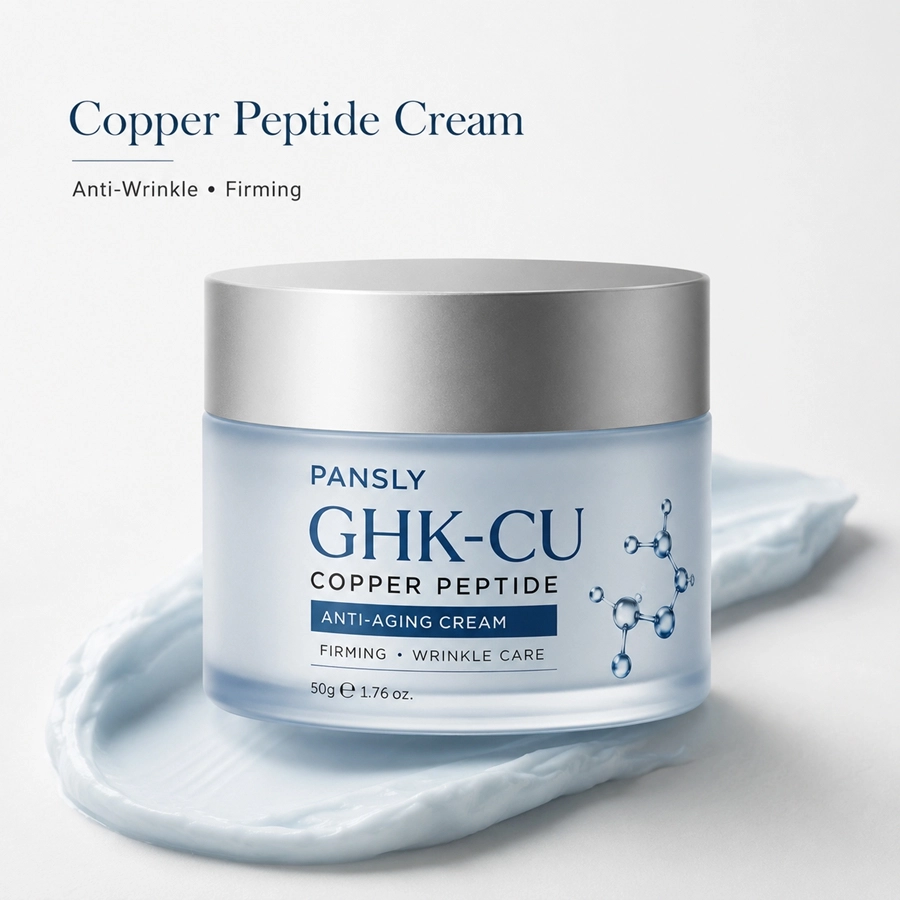
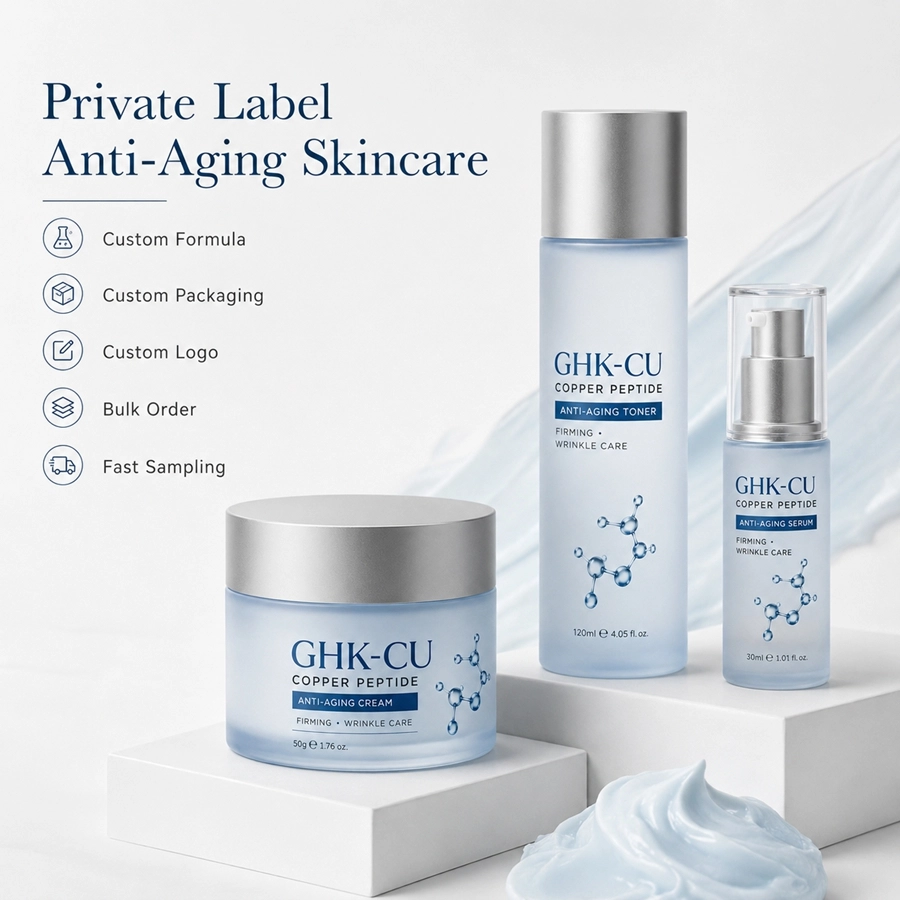
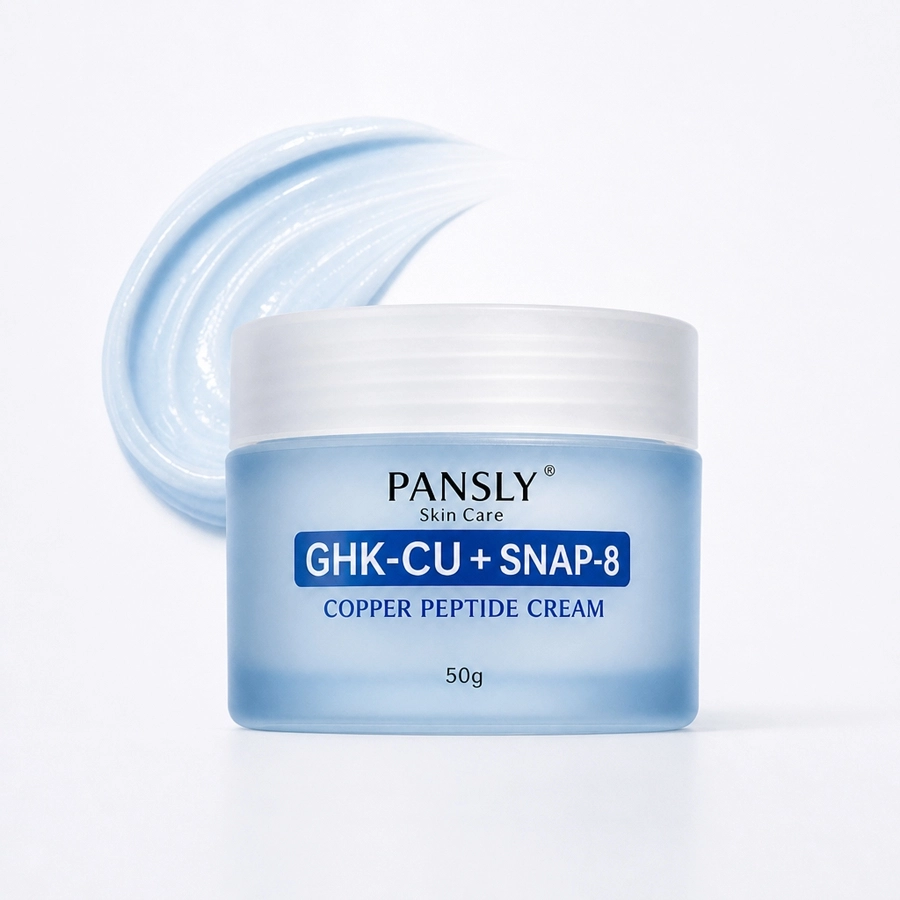
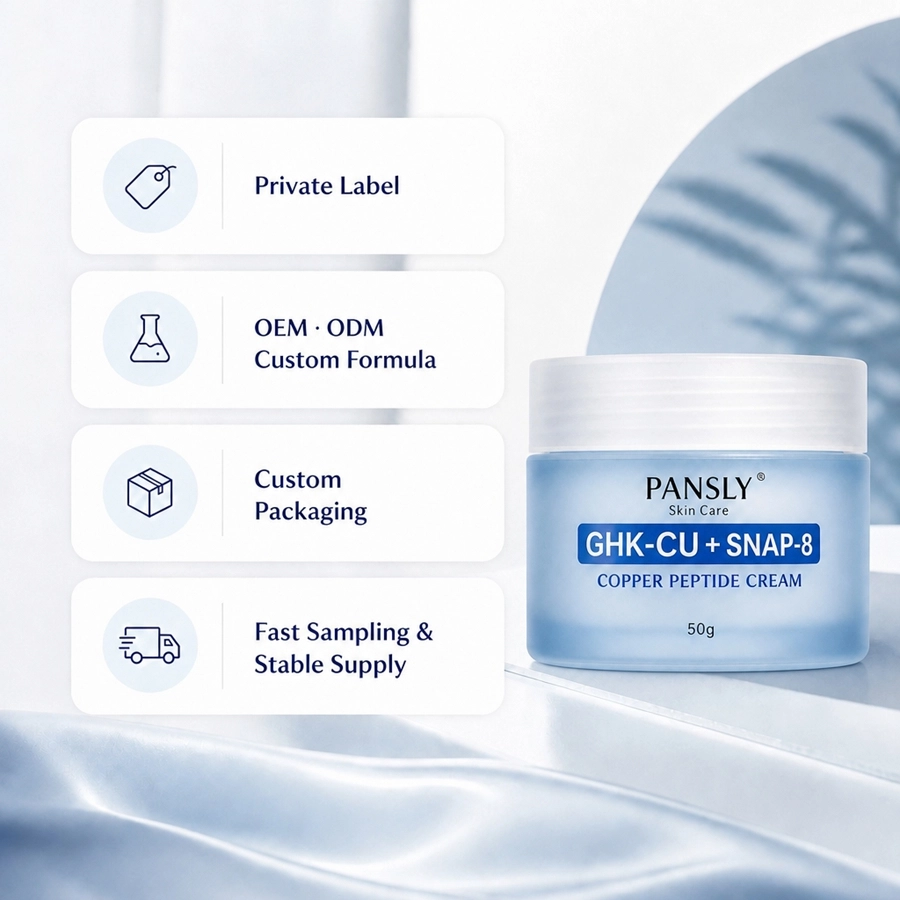
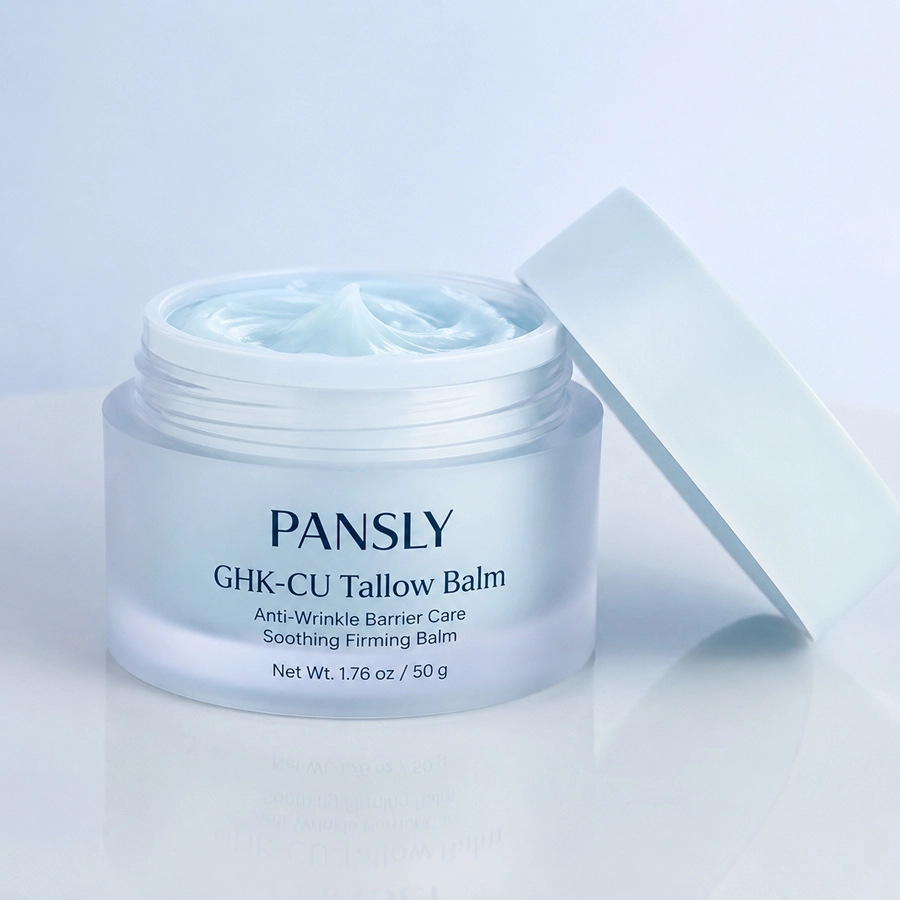
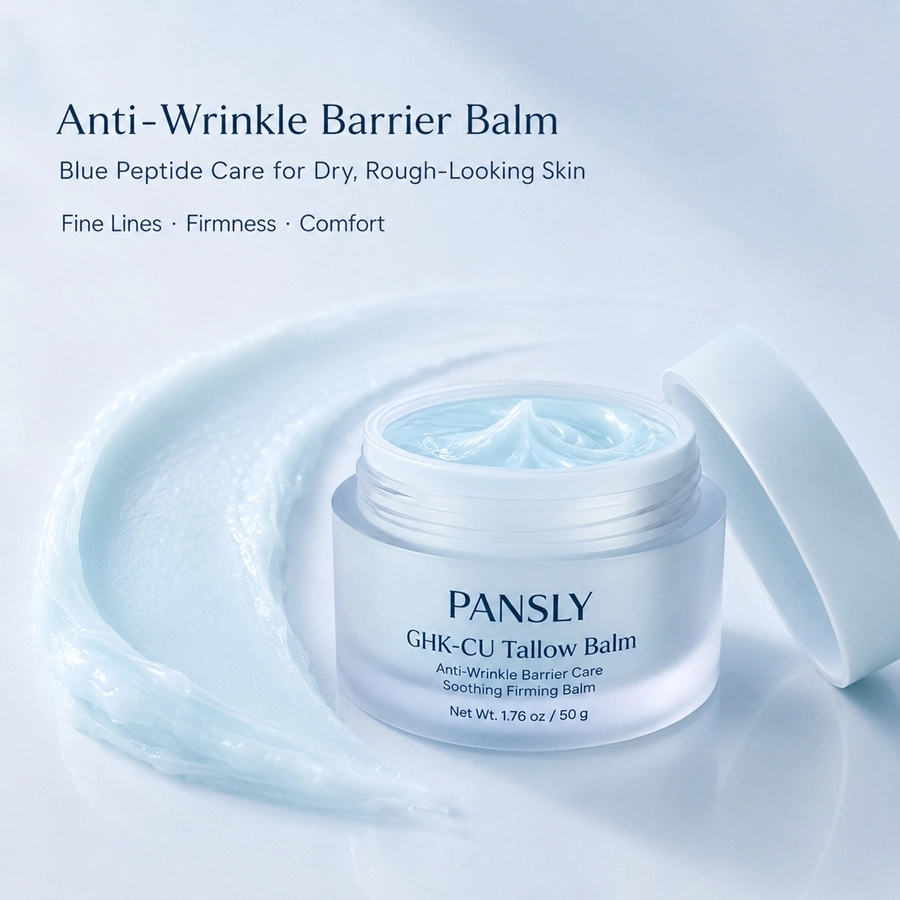
This Pansly GHK-CU + SNAP-8 Grass-Fed Tallow Anti-Wrinkle Barrier Balm is dual-peptide nourishing anti-wrinkle balm, specially developed for dry, rough textured skin, targeting fine lines, sagging contours and weakened skin barrier. Full OEM & ODM private label support is offered, including formula customization, packaging selection, fast sampling and bulk supply.
Five core premium active ingredients work synergistically for multi-dimensional skin care:
GHK-CU Copper Peptide lifts and firms loose skin to boost skin tightness and smooth fine lines;
SNAP-8 Peptide softens expression lines to reduce wrinkle visibility;
Grass-Fed Tallow delivers rich lipid nourishment to relieve persistent dry flaky rough skin;
Ceramide NP reconstructs skin moisture barrier to enhance skin comfort and resilience;
Squalane melts lightly into skin to provide silky long-lasting hydration.
Luxury rich light blue cushion balm texture glides smoothly and absorbs quickly without heavy greasy residue. Daily use improves dry rough texture, blurs dry fine lines, lifts saggy skin and stabilizes skin barrier, leaving skin soft, calm and smooth with healthy supple glow.
Get in Touch with us
If you have any comments or good suggestions, please leave us a message; later our professional staff will contact you as soon as possible.
Click here to customize the Beauty
we respond within a few hours
Monday–Friday, 9AM–6PM
3A01, Building A, Zhisheng Square, No. 4 Zhifu Road, Helong Street, Baiyun District, Guangzhou, China.


Leave a request, and we'll email you back within 24 hours.
© 2026 Beyond Basix. All Rights Reserved.
