
What Supporting Ingredients Can Strengthen a PDRN Centella Formula?
Quick Answer
A well-designed pdrn centella soothing serum usually combines PDRN and Centella asiatica with compatible humectants, barrier-support ingredients, and a controlled preservative system. Key decisions include ingredient compatibility, target skin type, pH, texture, packaging, and stability requirements. Beyond Basix can support OEM/ODM evaluation, but the final formula depends on the project brief, testing plan, and site conditions.
How Beyond Basix Supports Projects
Beyond Basix develops skincare products with effective ingredients and provides OEM/ODM support from formulation direction through production. For a PDRN-Centella concept, the development discussion can cover ingredient selection, sensory profile, packaging compatibility, production feasibility, and quality-control requirements within the company’s 12,000-square-meter facility and 12 production lines.
Buyers should confirm the intended market, regulatory positioning, target texture, package format, claims, order forecast, and required testing scope. MOQ, lead time, testing scope, and quotation must be confirmed for each project because they depend on the selected formula, packaging, and production arrangements.
Discuss Your PDRN Centella Formula
Share your target market, customer skin concerns, preferred texture, package size, target cost, proposed claims, and estimated order volume. These details allow discussion of suitable supporting ingredients, sample stages, compatibility checks, and documentation needs. For a project-specific consultation, visit www.beyondbasixcosmetics.com or email Lily@lanthome.com.
Deep-Dive FAQs
Which humectants prevent tackiness in PDRN centella serum?
Tackiness is determined less by the presence of one humectant than by the total dissolved solids, humectant ratio, polymer system, and evaporation profile. Glycerin, propanediol, betaine, and sodium hyaluronate can support water retention, but high levels of glycerin or certain grades of hyaluronic acid may produce drag or a sticky after-feel. A practical development approach is to compare humectant blends at several use levels while monitoring viscosity, spreadability, residue, and short-term skin feel. Propanediol or betaine may help create a cleaner sensory profile, but they do not automatically solve tackiness. The formula should also be assessed after packaging and storage because viscosity drift can change application behavior.
Can niacinamide improve a PDRN centella formula without irritation?
Niacinamide can support the appearance of the skin barrier, uneven tone, and oil balance, but its suitability depends on concentration, pH, user profile, and the rest of the formula. Irritation is not determined by niacinamide alone; low-pH systems, fragrance, aggressive exfoliating acids, or an overly concentrated active blend may reduce tolerance. For sensitive-skin positioning, developers should compare multiple niacinamide levels, confirm the finished-product pH, and conduct stability and human-use assessments appropriate to the intended claims. Avoid treating niacinamide as automatically incompatible with PDRN or Centella asiatica. The more important question is whether the combined active load and sensory profile match the target consumer.
How should ectoin and panthenol be balanced for sensitive skin?
Ectoin and panthenol are complementary rather than interchangeable. Ectoin is a compatible solute associated with cellular stress protection and hydration support, while panthenol is widely used as a humectant and skin-conditioning ingredient. Their balance should be selected through sensory testing, skin-tolerance assessment, and compatibility screening rather than by assuming that more active material creates a better product. Panthenol can become noticeably tacky at higher levels, whereas ectoin may affect cost and positioning. The developer should examine the complete water phase, preservative system, viscosity modifiers, and package before fixing percentages. Claims should remain aligned with the evidence generated for the finished product, not only with ingredient literature.
Do ceramides destabilize lightweight PDRN soothing serum emulsions?
Ceramides do not inherently destabilize a lightweight soothing serum, but they are poorly suited to a simple water-only system unless the formula uses an appropriate delivery or dispersion approach. Their oil solubility, crystallization behavior, particle size, emulsifier selection, and processing temperature can affect appearance and physical stability. A serum containing ceramides may require a lamellar emulsion, lipid dispersion, or another validated delivery system, which can change viscosity and sensory character. Developers should check centrifuge behavior, freeze-thaw exposure, elevated-temperature stability, microscopy where appropriate, and package compatibility. If a transparent or very fluid product is required, a lower-complexity barrier-support blend may be more practical than forcing a conventional ceramide system into the formula.
What preservative testing does a water-based PDRN serum require?
A water-based serum is vulnerable to microbial contamination because its aqueous phase can support microbial growth. Preservative selection should consider pH, packaging, surfactants, botanical materials, chelators, and the formula’s available water. ISO 11930 is an established reference method for evaluating antimicrobial protection of cosmetic products through a preservative efficacy test, while microbiological quality testing is also needed according to the relevant market and product category. Testing should use the finished formula in its intended package when possible, because an airless container, dropper, or pump can create different contamination risks. A passing preservative challenge result does not replace stability, compatibility, or manufacturing hygiene controls.
Which claims need substantiation for PDRN and centella products?
Claims should be separated into cosmetic benefit claims, ingredient descriptions, and medical or therapeutic claims. Statements such as “hydrates,” “soothes the feeling of dryness,” or “supports a healthy-looking barrier” require evidence appropriate to the market and wording used. Claims suggesting wound healing, tissue regeneration, treatment of inflammation, or repair of a medical condition can trigger a different regulatory classification in some jurisdictions. PDRN terminology also needs careful control because source, molecular characterization, purity, and intended cosmetic function should be documented rather than implied through medical language. Centella asiatica claims should likewise reflect the finished-product evidence. Before artwork approval, the brand should review the formula, test reports, ingredient documentation, and destination-market rules together.
Related Articles for Private Label Cosmetics

Why Two Mineral Sunscreens With the Same SPF Can Feel Completely Different

Beyond Ordinary Tallow Balm: How GHK-Cu and SNAP-8 Create a Different Skincare Story

When Blue Copper Peptides Meet Beef Tallow: A New Direction for Premium Skincare

PDRN Toner Pads vs GHK-Cu + SNAP-8 Peptide Toner Pads: Private Label Manufacturing Decisions
You May Also Like
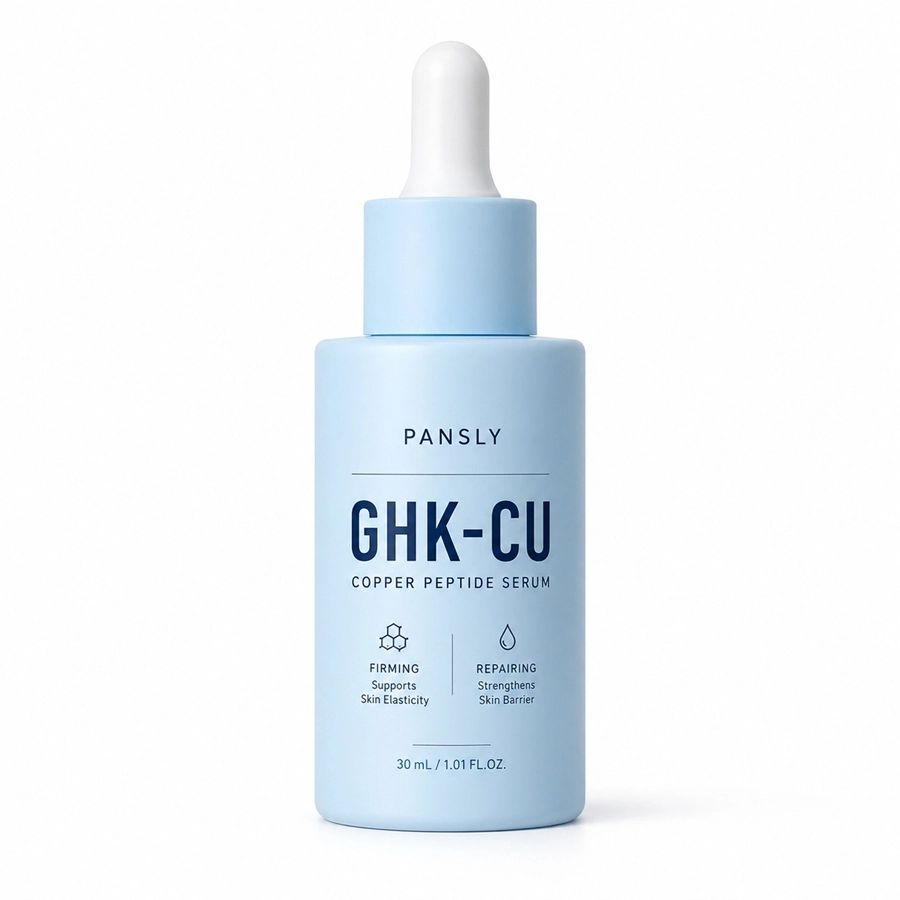
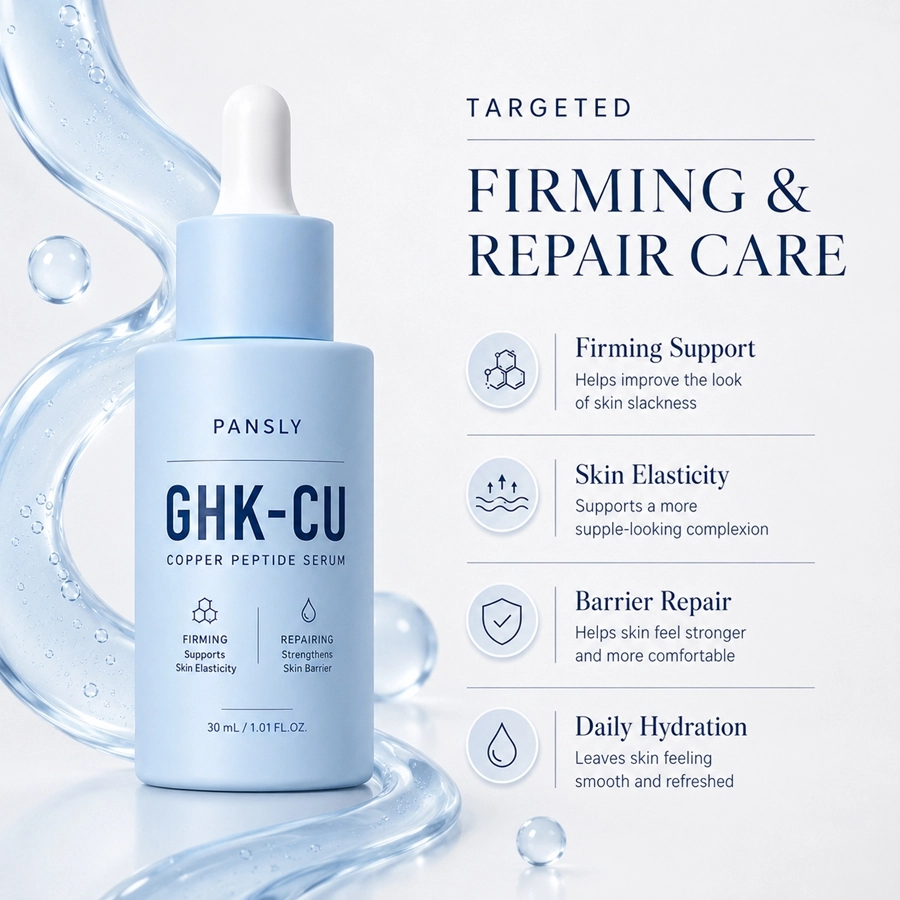
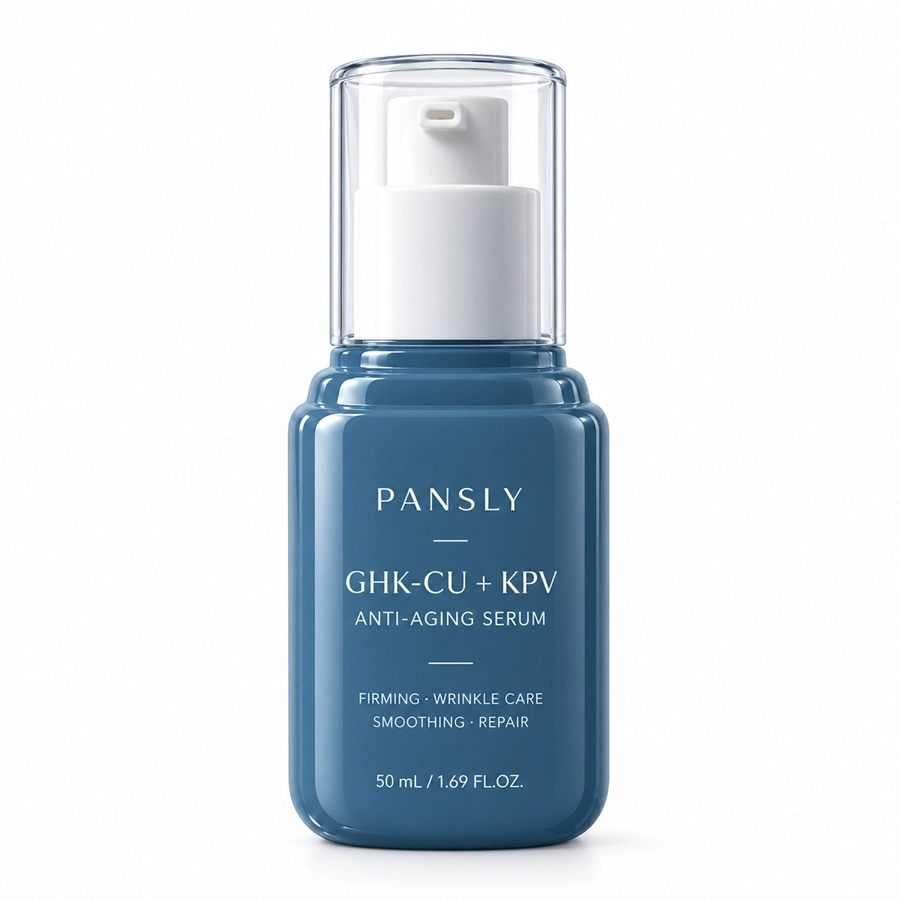
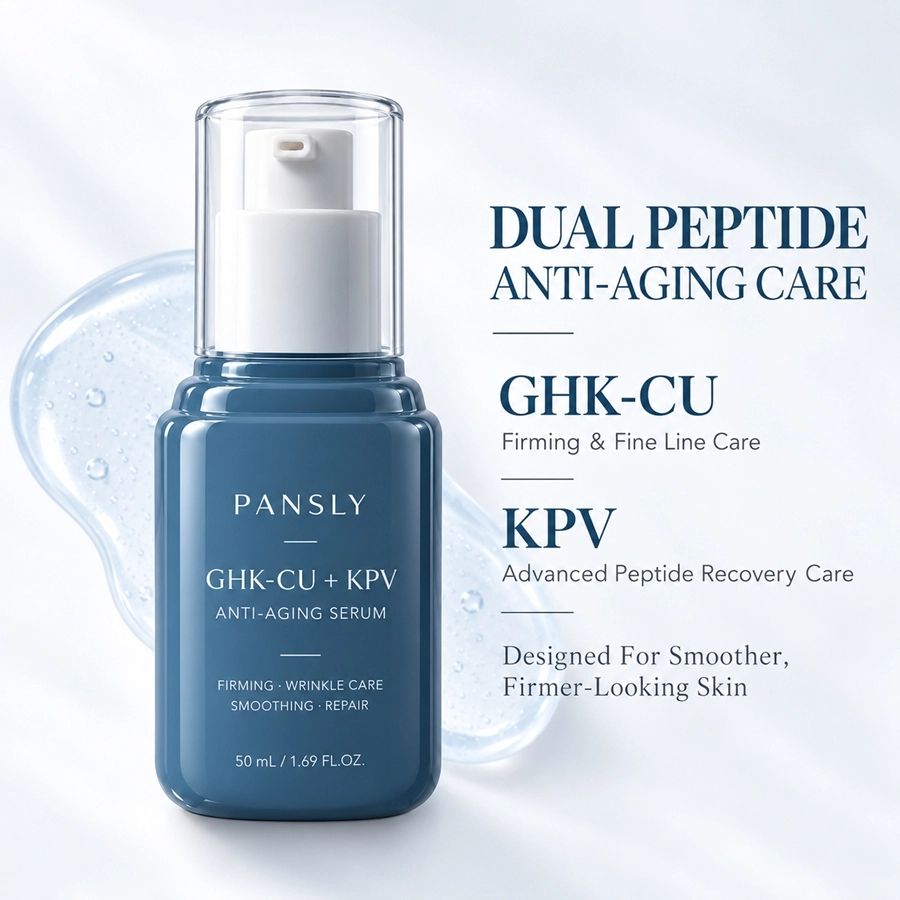
GHK-Cu KPV serum for skin is a private-label peptide face serum formulated for a firming, smoothing routine. This GHK-CU KPV Serum is positioned for wrinkle care and skin repair, making it a practical addition to an anti-aging skincare range.
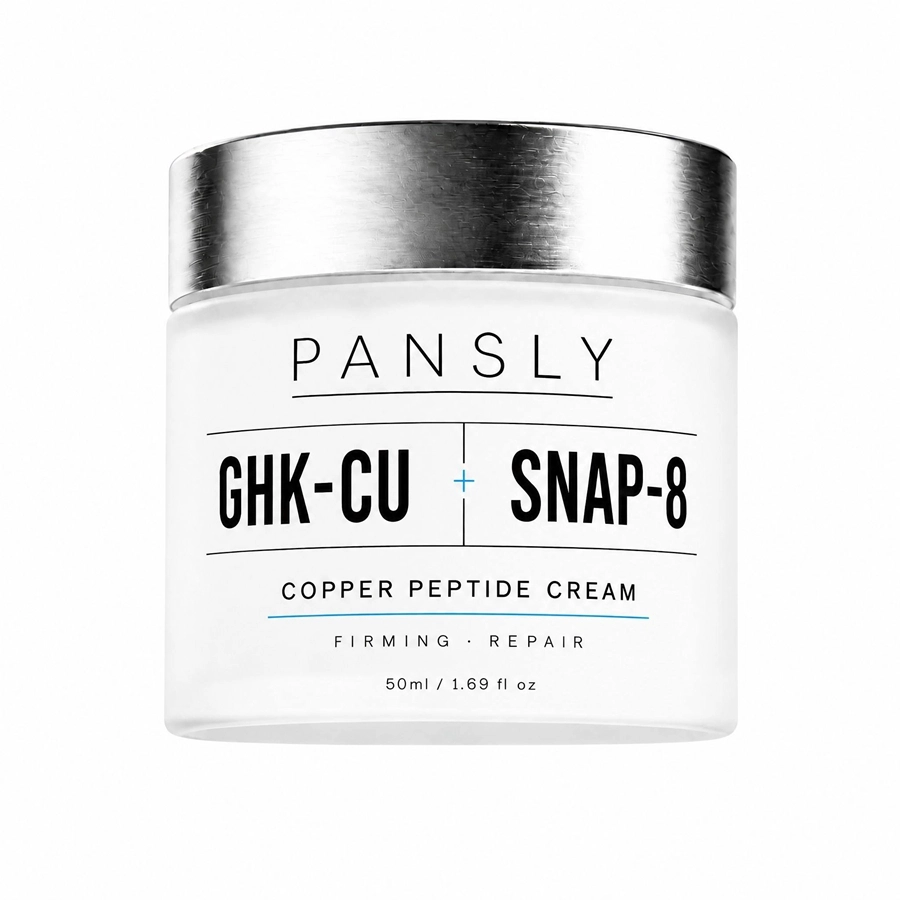
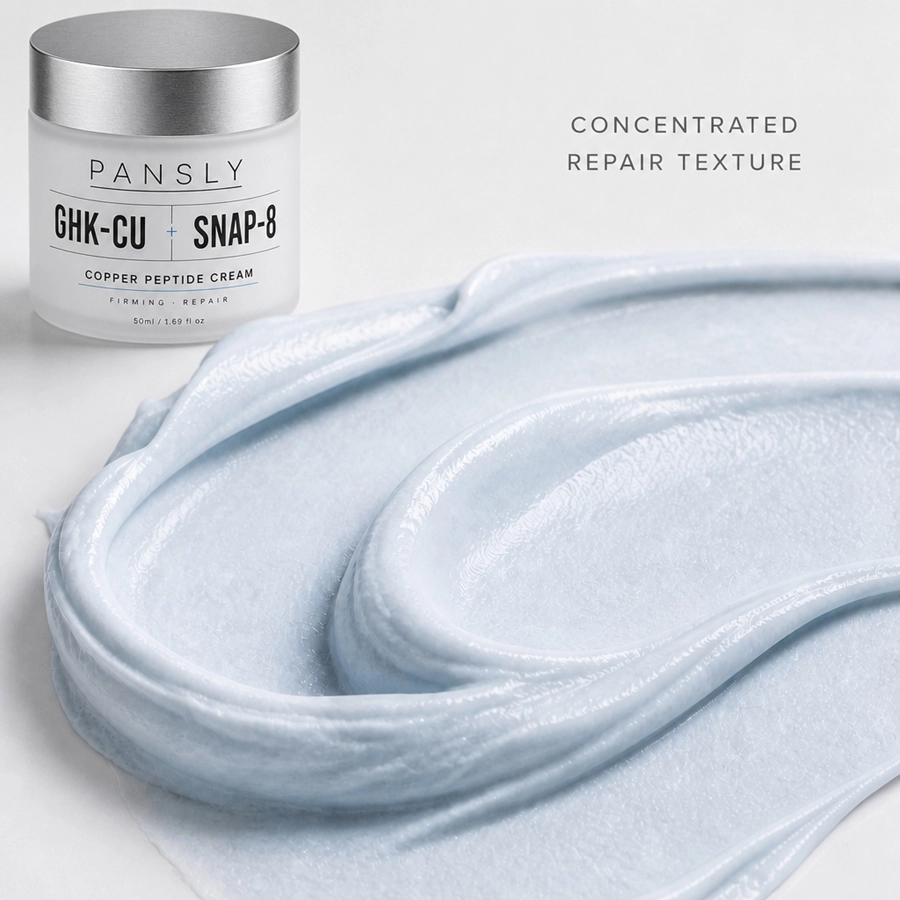
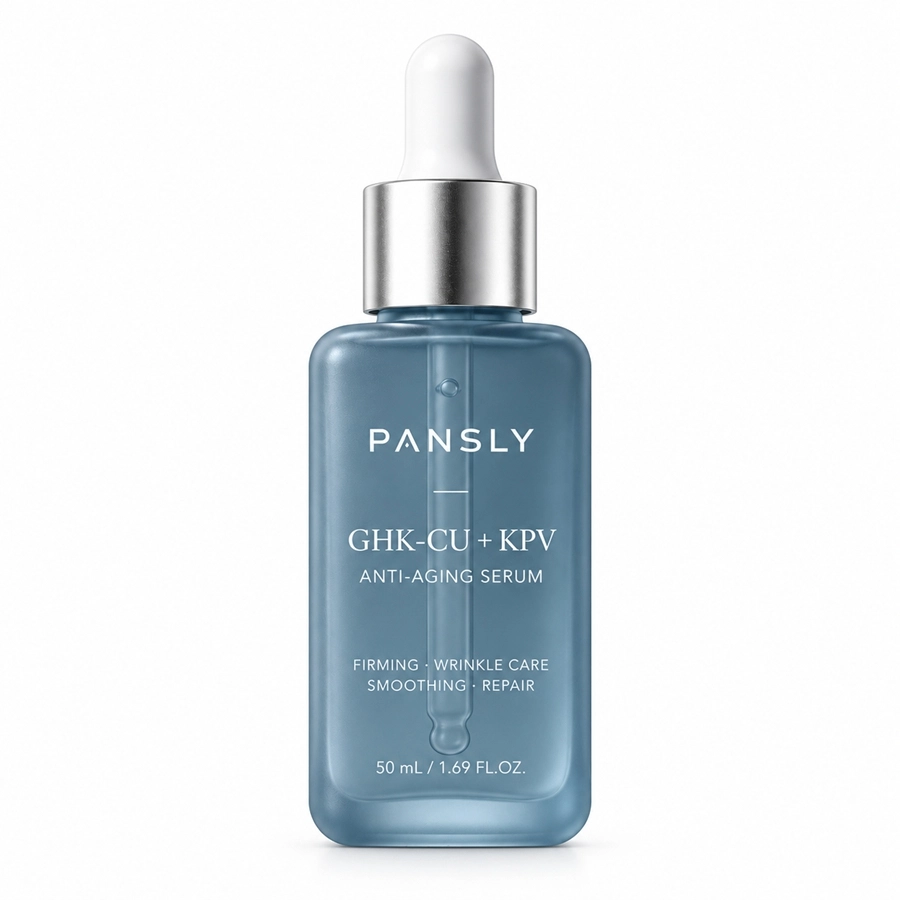
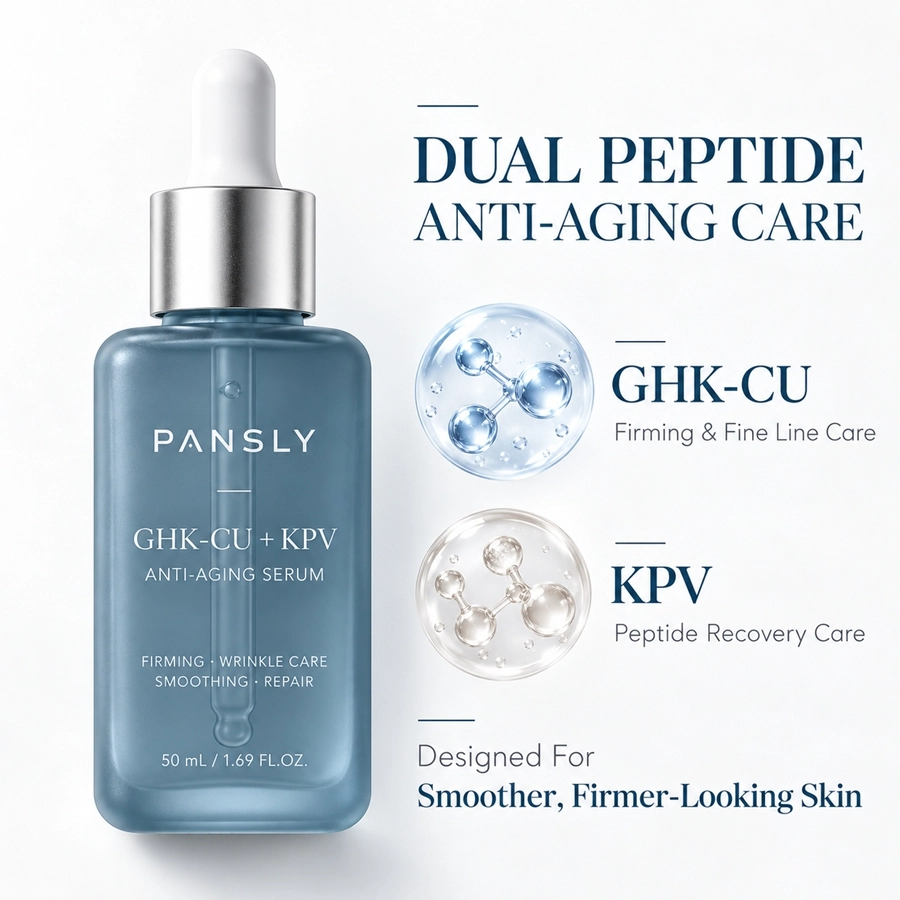
GHK-Cu KPV serum for skin is a private-label peptide face serum formulated for a firming, smoothing routine. This GHK-CU KPV Serum is positioned for wrinkle care and skin repair, making it a practical addition to an anti-aging skincare range.
Get in Touch with us
If you have any comments or good suggestions, please leave us a message; later our professional staff will contact you as soon as possible.
Click here to customize the Beauty
we respond within a few hours
Monday–Friday, 9AM–6PM
3A01, Building A, Zhisheng Square, No. 4 Zhifu Road, Helong Street, Baiyun District, Guangzhou, China.


Leave a request, and we'll email you back within 24 hours.
© 2026 Beyond Basix. All Rights Reserved.
