
What Makes a Tallow Mineral Sunscreen Different From a Standard SPF Cream?
Quick Answer
A ghk-cu tallow mineral sunscreen combines a tallow-based emollient system with mineral UV filters, while a standard SPF cream may use different emollients and either mineral or organic filters. The meaningful differences are filter selection, SPF and UVA testing, tallow purity and oxidation control, GHK-Cu compatibility, and target-market requirements. Beyond Basix can support formulation and OEM/ODM evaluation, but the final solution depends on the project brief, testing plan, and site-specific production conditions.
How Beyond Basix Supports Projects
Guangzhou Beyond Basix Cosmetics Ltd. supports skincare OEM/ODM projects through custom formulation development, production across 12 lines, and manufacturing in a 12,000-square-meter facility with a 100,000-level GMPC pharmaceutical-grade dust-free workshop. Its experience developing effective-ingredient skincare products can help buyers assess tallow texture, mineral-filter dispersion, GHK-Cu inclusion, packaging compatibility, and the intended market position.
Buyers should confirm the required SPF and UVA claim, filter strategy, tallow origin and processing expectations, GHK-Cu format and level, package type, target market, and certification or labeling requirements. MOQ, lead time, testing scope, and quotation must be confirmed for each project. Beyond Basix holds ISO 9001, GMP, HALAL, CE, and MSDS-related certifications or documentation within its stated certification portfolio, with product applicability requiring project confirmation.
Discuss Your Tallow Mineral Sunscreen Project
Share your target market, desired SPF and UVA positioning, tallow sourcing preference, GHK-Cu requirements, packaging format, expected order volume, and launch timeline so suitable formulation routes, sample stages, testing needs, and production considerations can be discussed. Visit www.beyondbasixcosmetics.com or email Lily@lanthome.com to begin a project-specific evaluation.
Deep-Dive FAQs
Why doesn't tallow automatically make a mineral sunscreen safer?
Tallow describes the emollient base, not the product's measured UV performance or overall safety profile. Mineral sunscreens generally rely on zinc oxide, titanium dioxide, or both as UV filters, but protection depends on the finished formula, particle dispersion, film formation, application amount, and validated testing. Tallow may improve richness or cushioning for some users, yet it can also introduce sourcing, oxidation, allergen, odor, and comedogenicity considerations. A responsible safety assessment reviews the complete ingredient list, specifications, impurities, microbiological quality, stability data, and intended use. The label should not imply superior safety without evidence from the finished product.
Can GHK-Cu be added without weakening mineral UV protection?
Not automatically. GHK-Cu, commonly referring to copper tripeptide-1, is a cosmetic active rather than an approved sunscreen filter in most regulatory frameworks. Its addition can affect pH, ionic strength, color, odor, preservative performance, or interactions with other ingredients and packaging. The development team should select a compatible raw-material format, define an appropriate processing stage, and compare accelerated and real-time stability results. Most importantly, SPF and UVA performance must be assessed on the final formula after GHK-Cu incorporation. An ingredient supplier's efficacy data cannot replace testing of the completed sunscreen product.
What testing proves a tallow sunscreen achieves its labelled SPF?
The labelled SPF must be supported by testing on the finished product, not inferred from the presence of zinc oxide, titanium dioxide, tallow, or GHK-Cu. In many markets, SPF evaluation follows recognized methods such as ISO 24444, while UVA protection may require separate procedures, including ISO 24443 or market-specific requirements. Water-resistance claims require additional validated testing where applicable. Testing should use the intended packaging and final manufacturing process because viscosity, dispersion, application uniformity, and batch variation can influence results. Regulatory review should confirm which standards and claim language apply in the destination market.
How do tallow formulas affect texture, oxidation, and shelf stability?
Tallow can provide a dense, balm-like sensory profile, but its behavior varies with animal source, refining, fatty-acid composition, and storage history. Oxidative stability is particularly important because rancidity can change odor, color, and consumer acceptance. A development program should define raw-material specifications, assess peroxide or related oxidation indicators where appropriate, and use packaging that limits heat, light, and oxygen exposure. Stability work should examine appearance, odor, viscosity, pH where relevant, preservative performance, filter dispersion, and active integrity. Accelerated data supports development decisions, but it does not replace an appropriate shelf-life program.
Are tallow mineral sunscreens suitable for vegan or halal markets?
A tallow-based product is not vegan because tallow is animal-derived. It may be suitable for some halal markets only when the animal source, slaughter requirements, processing aids, cross-contamination controls, and certification pathway meet the destination standard. Buyers should not assume that a facility-level HALAL certification automatically covers every formula or claim. The OEM brief should specify animal-origin policies, documentation, traceability, and required certification review before sampling. For vegan positioning, a plant-derived or synthetic emollient system may be more appropriate, although the replacement can change texture, stability, cost, and mineral-filter dispersion.
Which OEM specifications determine cost and minimum order quantity?
Cost and MOQ depend on more than the selected UV filters. Major variables include the number and level of actives, tallow specification and origin, packaging components, filling format, batch size, testing scope, labeling requirements, certification needs, customization depth, and expected annual volume. Mineral filters can also affect processing because dispersion quality and equipment requirements influence development and manufacturing time. Buyers should provide the target market, claim level, package size, forecast, artwork status, sample expectations, and compliance requirements before requesting a quotation. Lead time and MOQ should be confirmed after the formula, packaging, testing, and production route are defined.
Related Articles for Private Label Cosmetics

Why Two Mineral Sunscreens With the Same SPF Can Feel Completely Different

Beyond Ordinary Tallow Balm: How GHK-Cu and SNAP-8 Create a Different Skincare Story

When Blue Copper Peptides Meet Beef Tallow: A New Direction for Premium Skincare

PDRN Toner Pads vs GHK-Cu + SNAP-8 Peptide Toner Pads: Private Label Manufacturing Decisions
You May Also Like
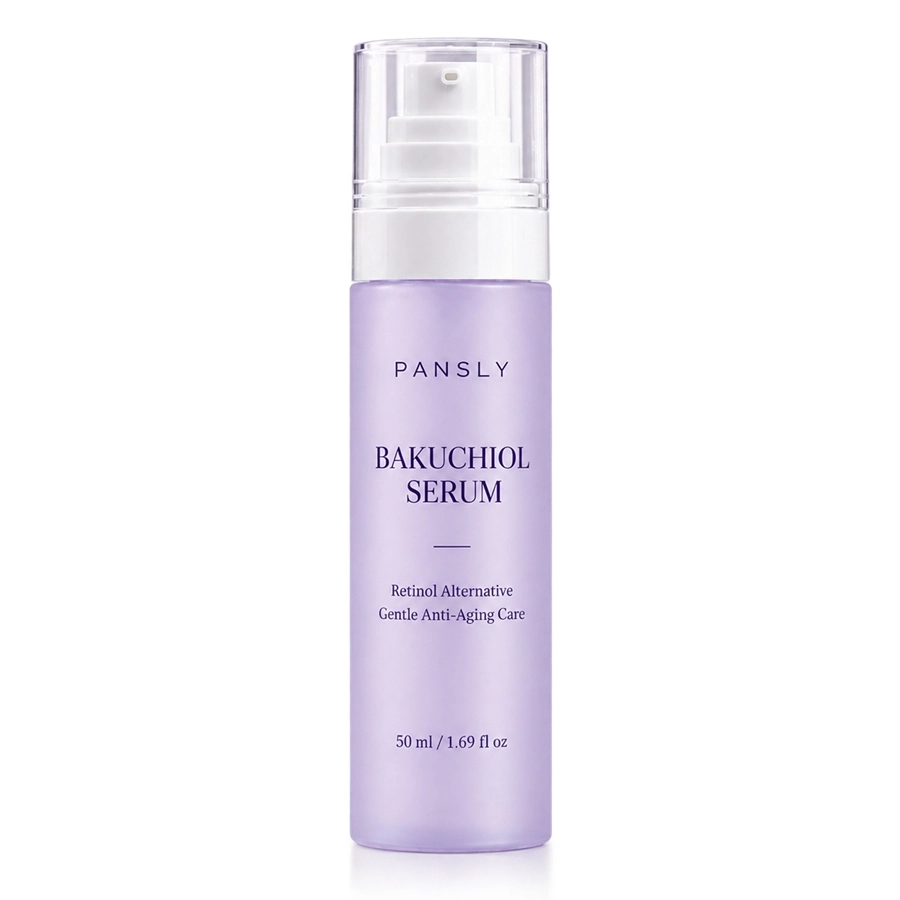
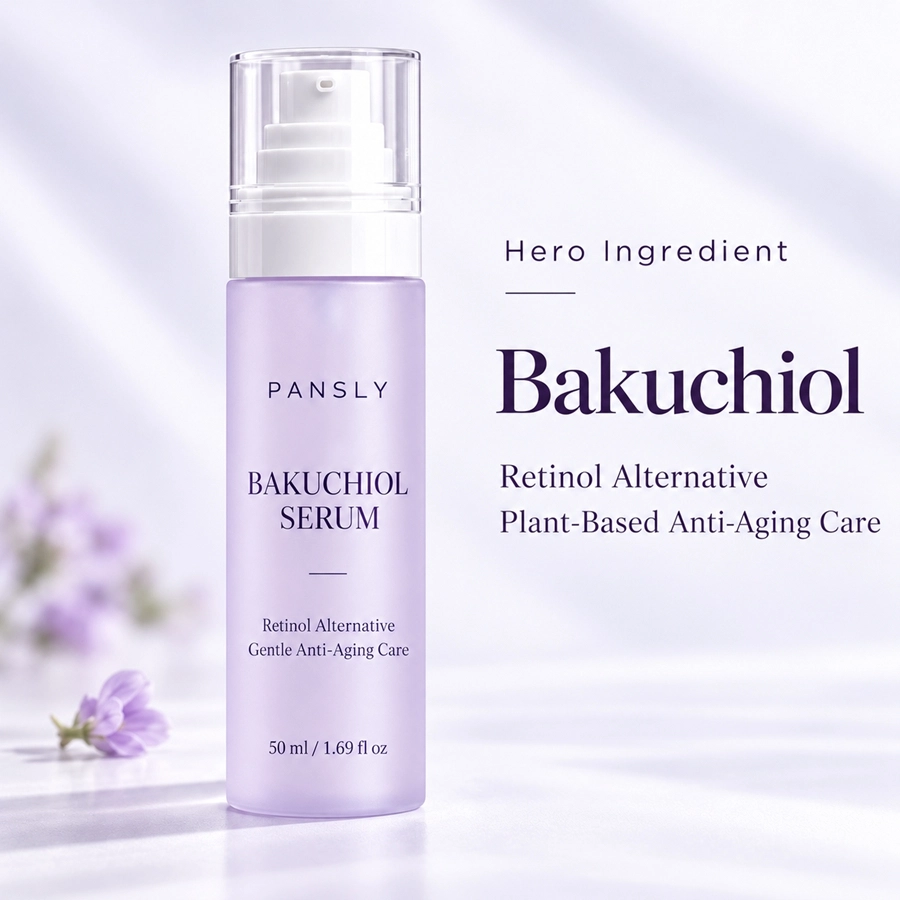
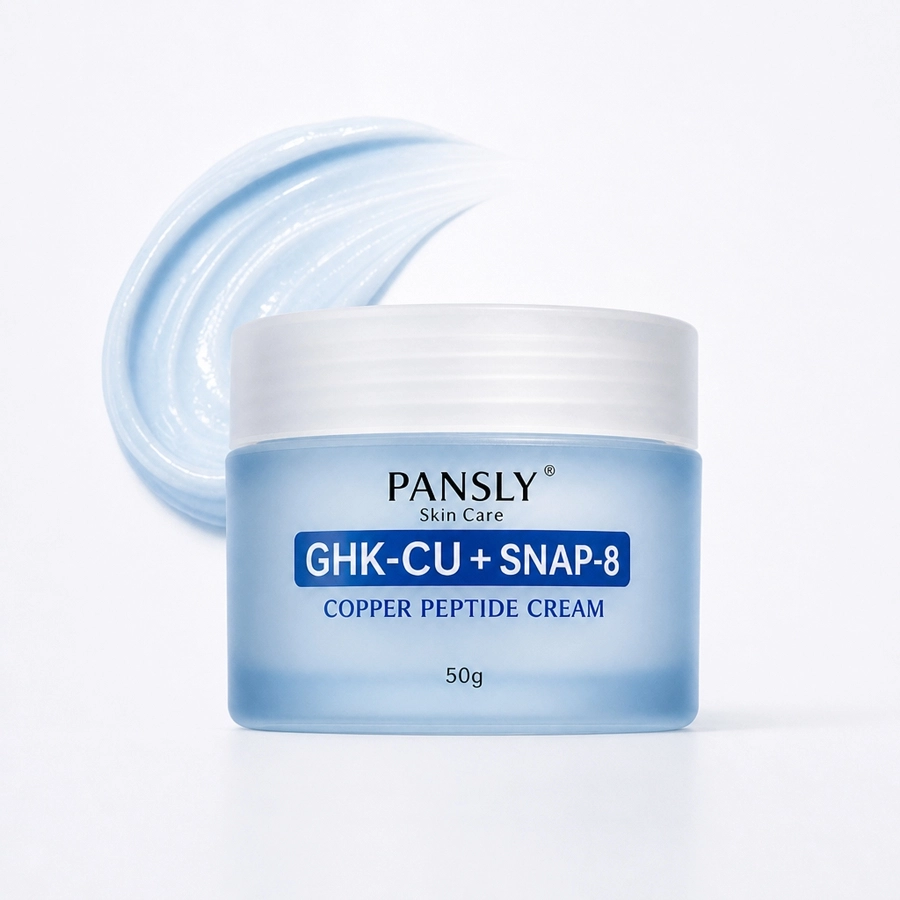
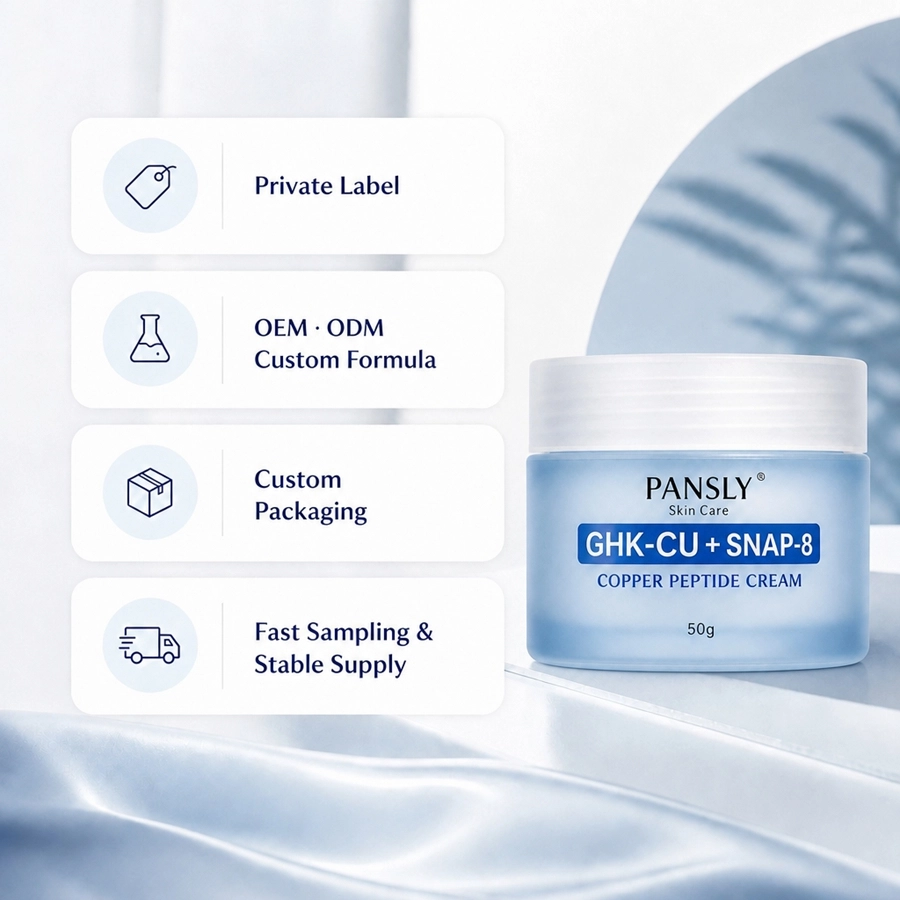
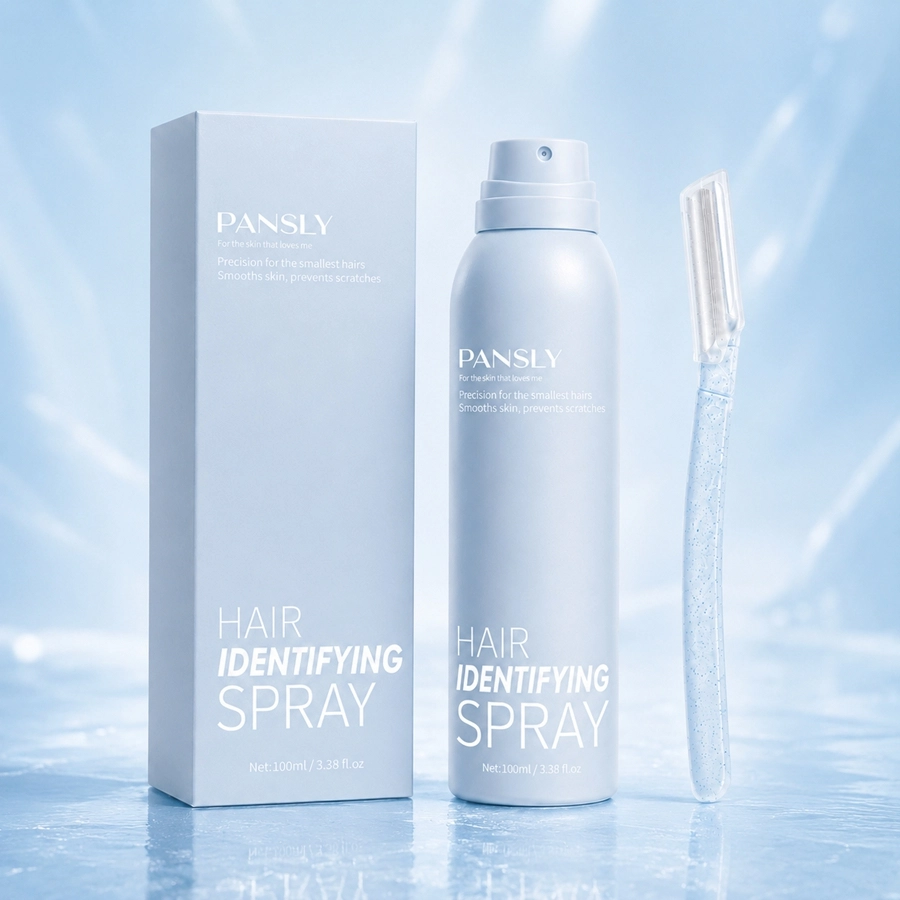
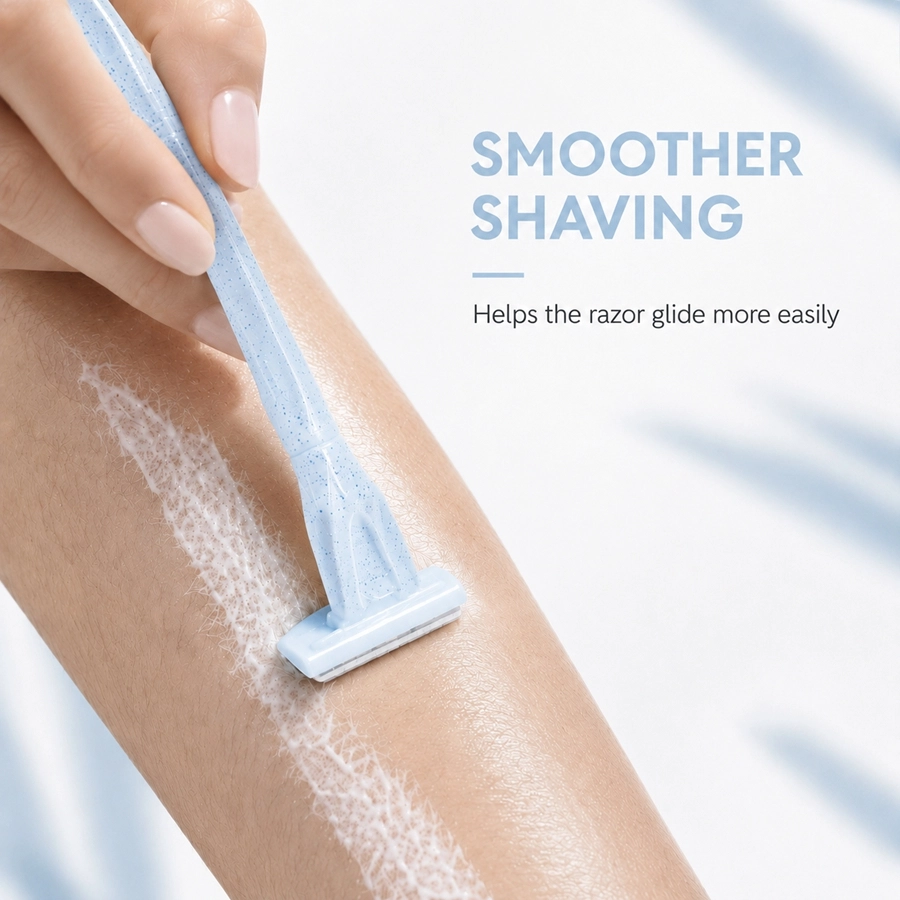
This Pansly Hair Identifying Spray Grooming Set contains 100ml pre-shave hair identifying spray and a matching precision facial scraper, designed for precise facial and body fine hair removal and dermaplaning.
Core functional ingredients:
Zea Mays (Corn) Starch: Creates a thin white film on dry skin to expose invisible tiny vellus hairs, enabling targeted, accurate grooming;
Portulaca Oleracea Extract: Soothes sensitive skin and relieves irritation caused by scraping;
Hydrolyzed Keratin: Lubricates skin surface, improves scraper gliding performance and effectively prevents scratches;
Butylene Glycol: Delivers gentle hydration to maintain skin comfort during hair trimming.
Adopt ultra-fine mist design, evenly spray on clean dry skin. Complete grooming through 4 simple steps: Spray → Identify fine hairs → Gentle Glide with scraper → Wipe away residues. Suitable for cheeks, upper lip, jawline, arms and other areas to achieve cleaner, smoother shaving results. We provide full OEM & ODM private label service, support custom logo, multiple packaging color options, fast sampling and bulk order supply.
Get in Touch with us
If you have any comments or good suggestions, please leave us a message; later our professional staff will contact you as soon as possible.
Click here to customize the Beauty
we respond within a few hours
Monday–Friday, 9AM–6PM
3A01, Building A, Zhisheng Square, No. 4 Zhifu Road, Helong Street, Baiyun District, Guangzhou, China.


Leave a request, and we'll email you back within 24 hours.
© 2026 Beyond Basix. All Rights Reserved.
