
Who Is the Target Customer for a GHK-Cu Ectoin Barrier Serum?
Quick Answer
The target customer for a ghk-cu ectoin serum is typically an adult seeking barrier support, hydration, and improved skin comfort, especially after dryness, sensitivity, or environmental exposure. Beyond Basix helps brands evaluate copper peptide and ectoin products through formulation development, OEM/ODM production, quality control, and project-based testing. Key decisions include target skin profile, claim language, formula compatibility, packaging, and stability requirements. Final solutions depend on the specific project, testing results, and market conditions.
How Beyond Basix Supports Projects
Guangzhou Beyond Basix Cosmetics Ltd. provides OEM/ODM skincare development supported by 23 years of research, production, and sales experience. Its 12,000-square-meter facility includes a 100,000-level GMPC pharmaceutical-grade dust-free workshop and 12 production lines. For a copper peptide barrier concept, buyers can discuss ingredient selection, texture, packaging compatibility, production planning, and quality-control requirements with Beyond Basix.
Before quotation, the buyer should confirm the target market, consumer profile, product claims, preferred dosage form, packaging format, order volume, and required testing scope. MOQ, lead time, testing scope, and quotation must be confirmed for each project because they depend on the finalized formula, packaging, documentation, and production plan.
Discuss Your GHK-Cu Ectoin Barrier Serum Project
Share your target market, customer age range, skin concerns, claim priorities, package type, expected order volume, and launch schedule. These details allow discussion of suitable formulation directions, sample stages, compatibility checks, documentation, and production planning. Visit www.beyondbasixcosmetics.com or email Lily@lanthome.com to discuss your project with Beyond Basix.
Frequently Asked Questions
Which consumers benefit most from copper peptide barrier support?
The strongest audience is generally adults interested in hydration, skin comfort, and visible signs associated with dryness or environmental stress. Copper tripeptide-1, commonly called GHK-Cu in cosmetic discussions, should be positioned as a cosmetic skin-conditioning ingredient rather than a treatment for wounds, disease, or clinically diagnosed barrier disorders. Segmentation can include dry-skin consumers, sensitive-feeling skin users, mature-skin shoppers, and people whose routines contain potentially irritating active ingredients. These groups are not interchangeable: their preferred texture, fragrance tolerance, price point, and claim expectations may differ. A buyer should validate the audience through market research and consumer testing instead of assuming that every sensitive-skin customer will accept the same formula.
Is this serum suitable for sensitive or compromised skin?
It may be designed for sensitive-feeling skin, but suitability cannot be inferred from the ingredient names alone. The complete formula matters, including surfactants, fragrance, essential oils, preservatives, solvents, pH, copper-peptide compatibility, and the finished product's osmolality and sensory profile. "Compromised skin" also requires careful wording because it can imply a medical condition or damaged tissue. Cosmetic brands should use qualified claims such as supporting skin comfort or maintaining hydration only when substantiated in the relevant market. Human repeat-insult patch testing, irritation assessment, preservative efficacy testing, and stability work may be appropriate depending on the formula and intended claims. Consumers with persistent irritation should seek medical advice rather than rely on a cosmetic serum.
How should brands position GHK-Cu and ectoin claims responsibly?
Position the product around cosmetic benefits that can be measured or reasonably supported, such as moisturization, skin conditioning, smoothness, and the appearance of firmness or fine lines when suitable evidence exists. Ectoin is an extremolyte used in cosmetic formulations for its water-binding and protective positioning, while copper tripeptide-1 is commonly used as a skin-conditioning peptide. Neither name automatically proves a finished product benefit. Marketing teams should distinguish ingredient literature from evidence on the final formula, avoid implying wound healing or disease treatment, and review claims against the regulations of each sales market. Substantiation may include instrumental hydration measurements, consumer perception studies, dermatologist-supervised evaluations, or other appropriately designed testing.
What packaging protects copper peptide serum stability during distribution?
Packaging should be selected after compatibility and stability evaluation, not by appearance alone. An airless pump or another low-exposure dispensing system may help limit repeated contact with air and reduce contamination risk, but it does not replace a stable formula. The development team should assess container-closure interaction, light exposure, oxygen exposure, pump performance, leakage, shipping temperature, and repeated-use behavior. Copper-containing formulas can be sensitive to formulation environment and interactions with other ingredients, so color change, odor, viscosity, pH, assay, and microbial quality should be monitored where relevant. Opaque or protective packaging may be considered when the formula or testing indicates light sensitivity. Final packaging decisions require data from the actual formula and component supplier.
Which testing should private-label buyers request before placing bulk orders?
The appropriate package depends on market, claims, formula, and packaging. Core requests commonly include finished-product specifications, microbial limits, preservative efficacy testing where applicable, accelerated and real-time stability plans, packaging compatibility, and batch quality documentation. For sensitive-skin positioning, buyers may also discuss irritation or patch testing performed under a suitable protocol. If the product makes performance claims, ask how the claim will be substantiated on the finished product rather than relying only on raw-material studies. Buyers should also verify ingredient regulatory status, INCI naming, safety documentation, labeling requirements, and claims compliance in each destination market. Testing does not create universal approval; it provides evidence for a defined formula, package, storage condition, and claim set.
Can one formula serve clinical, premium, and mass-market customers?
A single base may sometimes be adapted across channels, but one formula rarely serves every segment without trade-offs. Clinical-style buyers may prioritize minimal fragrance, documented testing, and conservative claims. Premium customers may expect distinctive sensorial performance, sophisticated packaging, and a higher concentration story, while mass-market shoppers may prioritize accessible pricing, scalable packaging, and simple communication. These requirements affect raw-material selection, processing, package cost, testing depth, MOQ, and margin. A brand should first define the primary customer and commercial position, then assess whether one formula, a shared base with controlled variations, or separate SKUs is more practical. The concentration of an active ingredient should not be increased solely for marketing; stability, tolerability, regulatory limits, and finished-product evidence remain decisive.
Related Articles for Private Label Cosmetics

Why Two Mineral Sunscreens With the Same SPF Can Feel Completely Different

Beyond Ordinary Tallow Balm: How GHK-Cu and SNAP-8 Create a Different Skincare Story

When Blue Copper Peptides Meet Beef Tallow: A New Direction for Premium Skincare

PDRN Toner Pads vs GHK-Cu + SNAP-8 Peptide Toner Pads: Private Label Manufacturing Decisions
You May Also Like
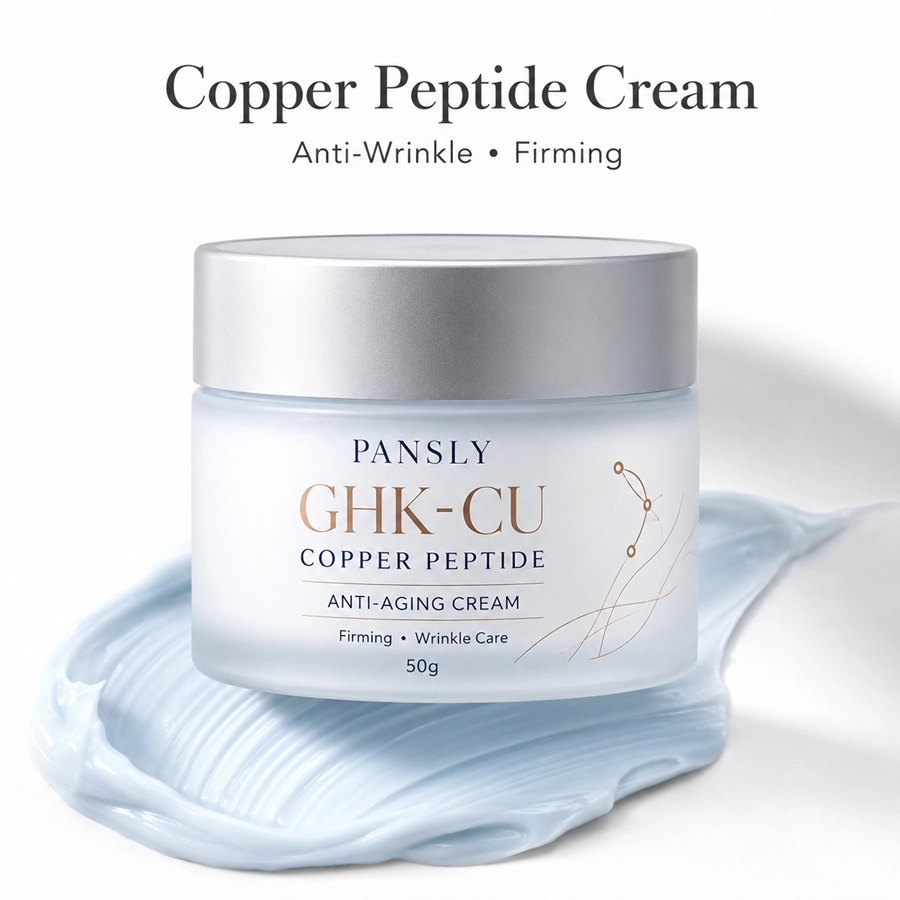
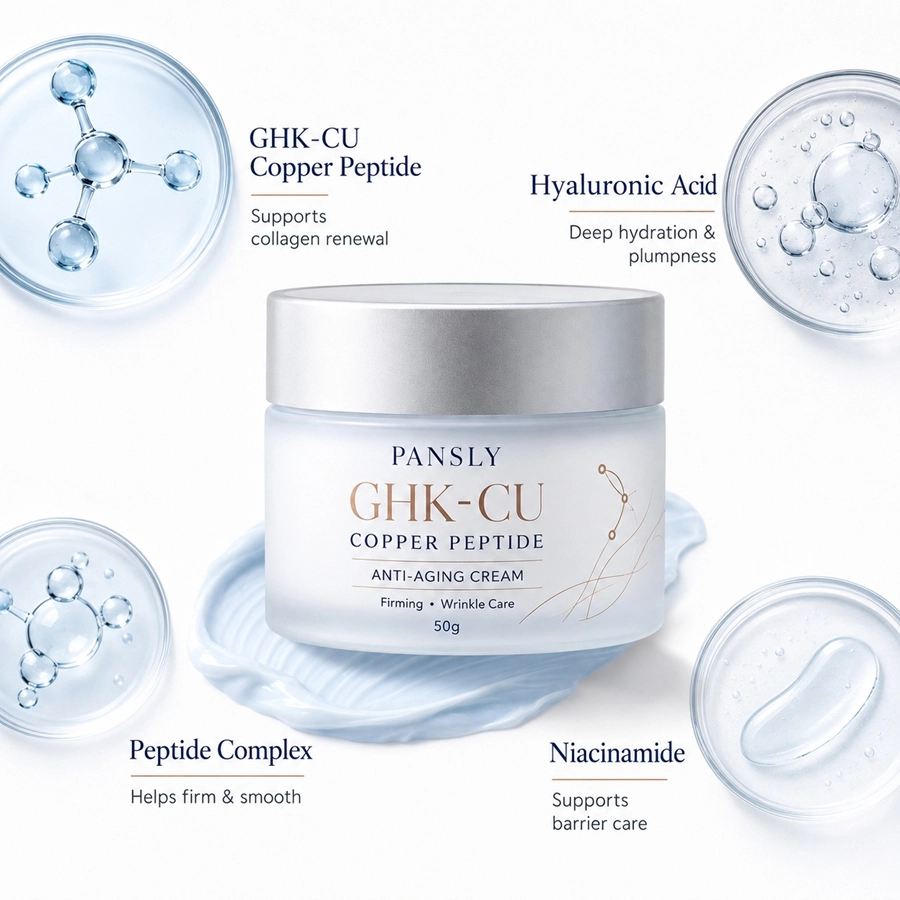
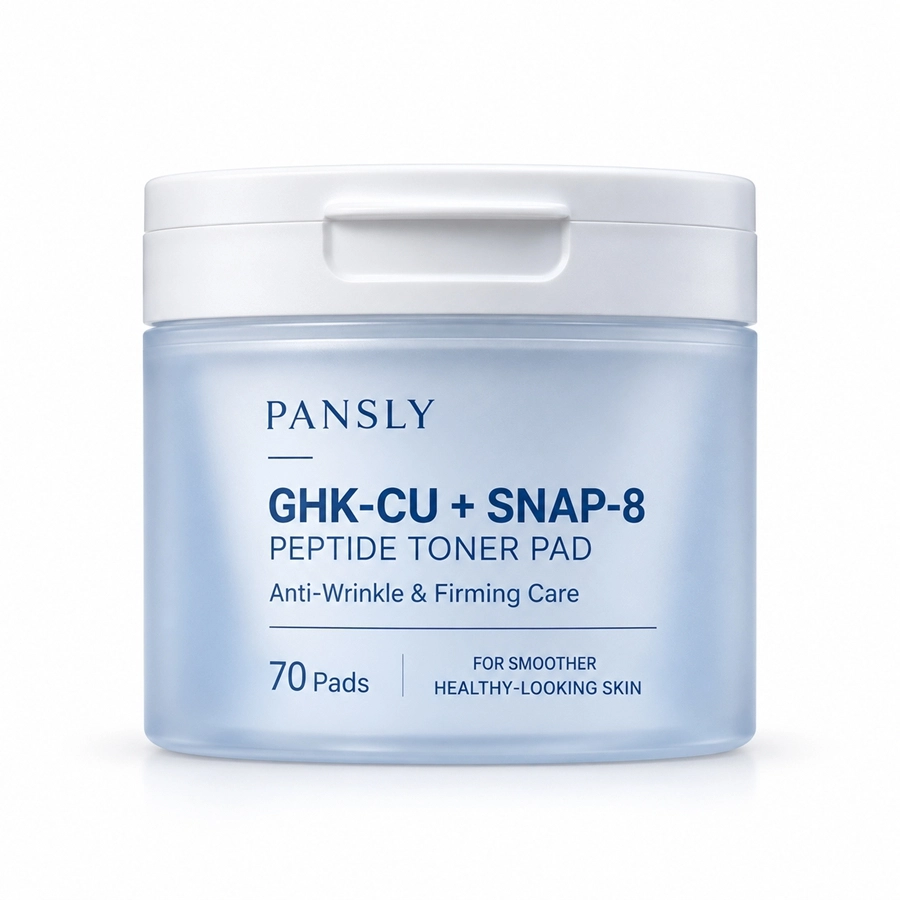
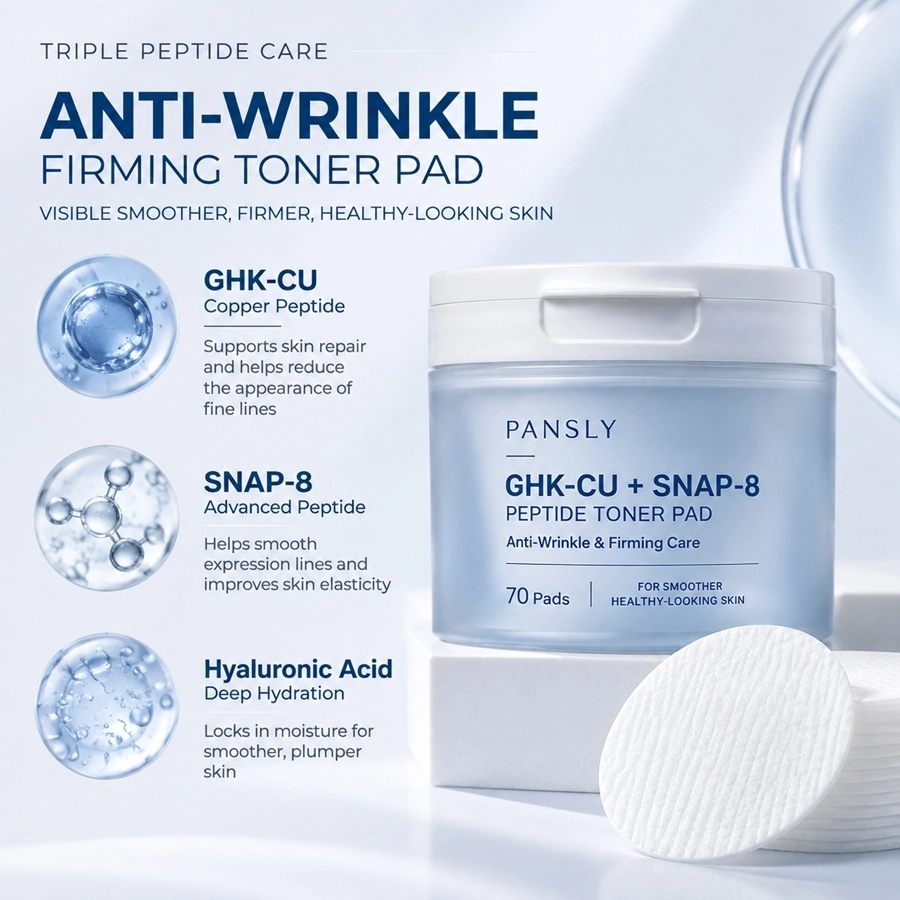
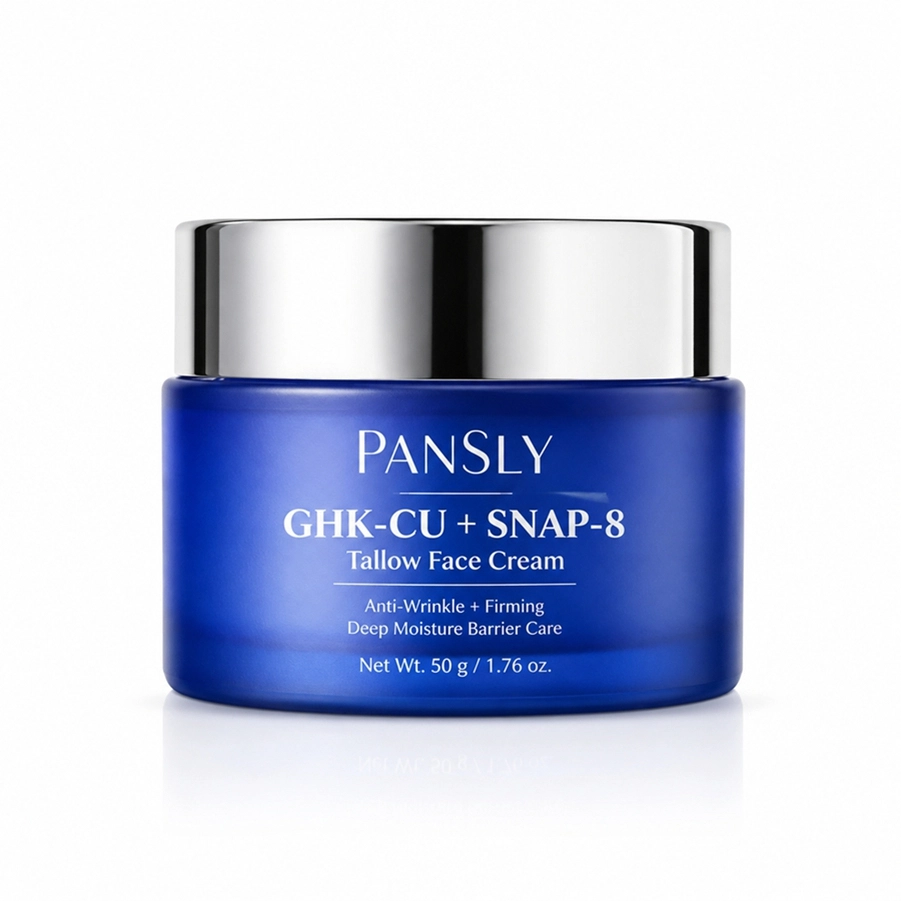
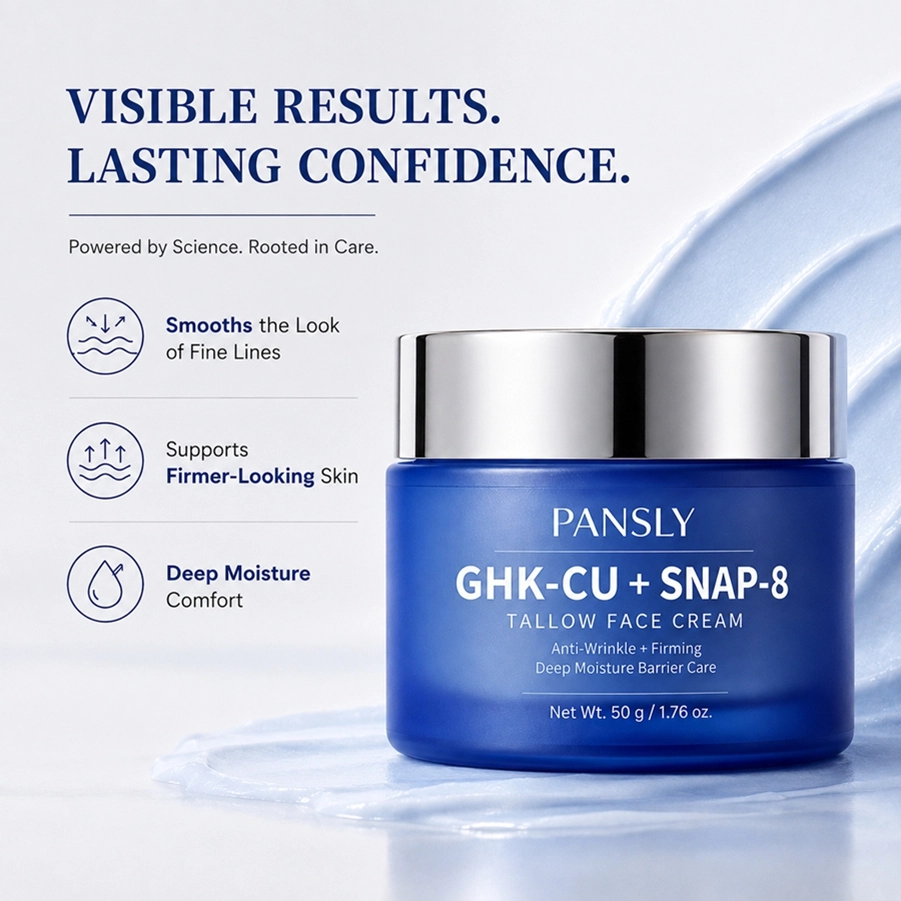
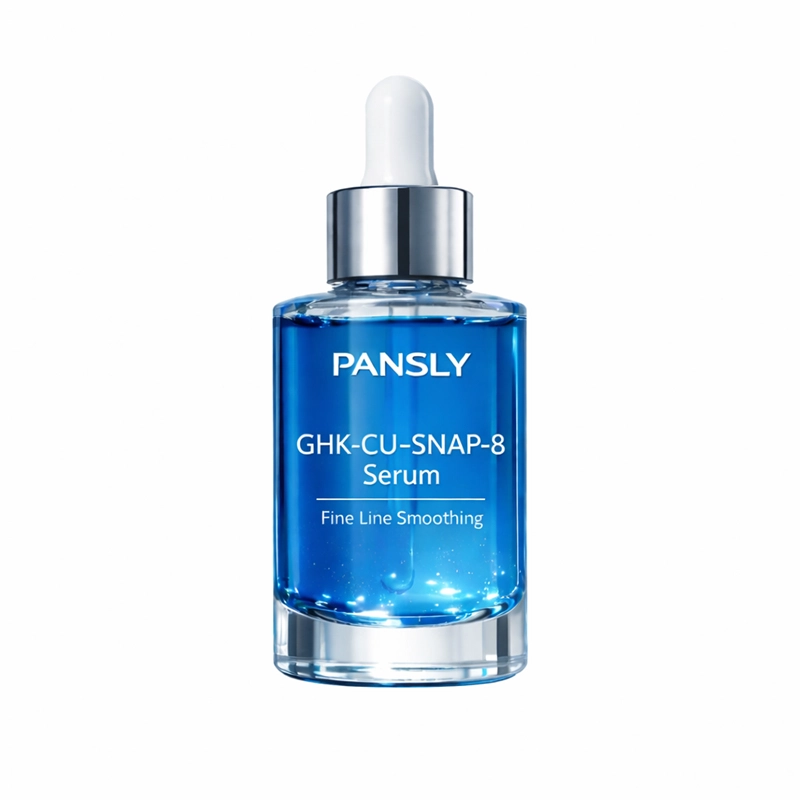
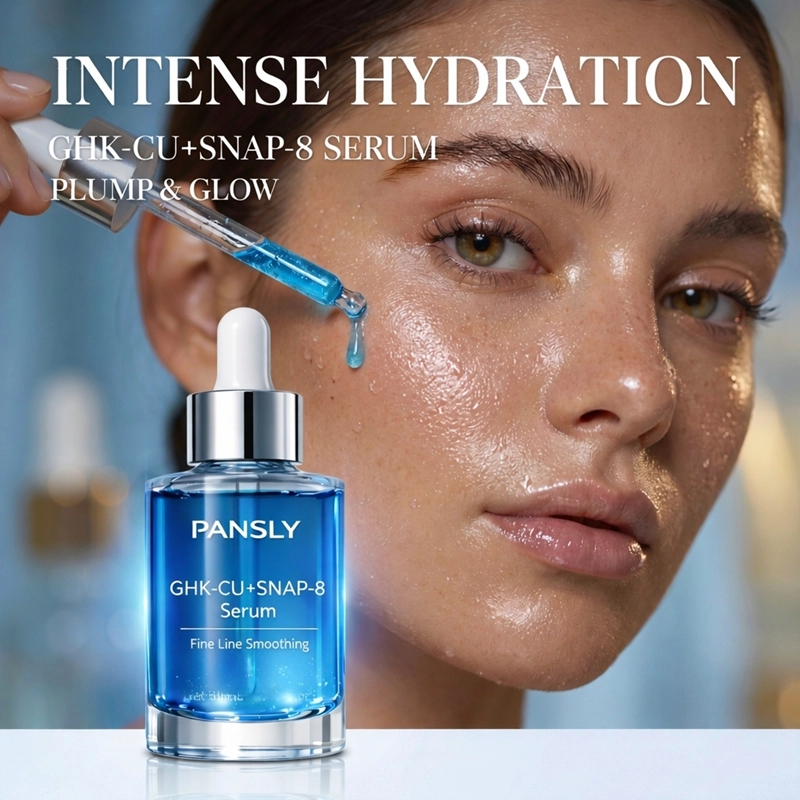
This Pansly GHK-CU + SNAP-8 Fine Line Smoothing Serum features premium dual-peptide complex formula to deliver multi-dimensional anti-aging skincare.
Formulated with two star peptide actives: GHK-CU Copper Peptide lifts sagging skin, boosts collagen production and enhances skin elasticity for firmer contour; SNAP-8 Anti-Wrinkle Peptide visibly smooths fine lines and wrinkles to fade expression creases. Complemented with Panthenol and Hyaluronic Acid, it provides soothing care and deep long-lasting hydration, revitalizing dull skin to restore a youthful radiant glow.
Lightweight watery texture absorbs quickly without sticky residue, suitable for daily anti-aging maintenance of all skin types.
Get in Touch with us
If you have any comments or good suggestions, please leave us a message; later our professional staff will contact you as soon as possible.
Click here to customize the Beauty
we respond within a few hours
Monday–Friday, 9AM–6PM
3A01, Building A, Zhisheng Square, No. 4 Zhifu Road, Helong Street, Baiyun District, Guangzhou, China.


Leave a request, and we'll email you back within 24 hours.
© 2026 Beyond Basix. All Rights Reserved.
