
What Should Brands Check Before Sourcing a GHK-Cu Copper Peptide Serum?
Quick Answer
Before sourcing a ghk-cu copper peptide serum, brands should verify ingredient identity, concentration documentation, formula stability, packaging compatibility, and claim compliance. Beyond Basix can support OEM/ODM skincare projects through formulation development and established manufacturing resources. The main cost and selection variables are active specifications, packaging, order volume, testing scope, and customization. Final solutions depend on project requirements, testing, and site conditions.
How Beyond Basix Supports Projects
Beyond Basix Cosmetics can discuss customized skincare formulation, OEM/ODM production, packaging coordination, and production planning for copper peptide serum concepts. Its 12,000-square-meter facility includes a 100,000-level GMPC pharmaceutical-grade dust-free workshop and 12 production lines, supporting structured manufacturing for different project requirements.
Relevant project discussions should confirm the Copper Tripeptide-1 specification, target texture, packaging format, market claims, stability expectations, and required compliance documents. Beyond Basix holds certifications and documentation including ISO 9001, GMP, HALAL, CE, and MSDS, with applicability determined by the project. MOQ, lead time, testing scope, and quotation must be confirmed per project.
Discuss Your GHK-Cu Serum Sourcing Requirements
Send your target market, product positioning, desired ingredient specification, packaging type, target order quantity, launch schedule, and required compliance documents. The discussion can then cover suitable formulation options, sample steps, testing requirements, packaging coordination, and production planning. Visit www.beyondbasixcosmetics.com or email Lily@lanthome.com to discuss your project with Beyond Basix.
Sourcing GHK-Cu Copper Peptide Serum: Deep-Dive FAQs
What identity documents should suppliers provide for GHK-Cu serum?
A supplier should provide documentation that clearly identifies the ingredient as Copper Tripeptide-1 or the applicable INCI name, together with a current certificate of analysis, batch or lot reference, manufacturing date, and recommended storage conditions. The certificate should identify the tested specification and laboratory method rather than simply stating “peptide powder” or “copper complex.” Brands should also compare the supplier’s technical data with the finished formula’s ingredient declaration and local cosmetic regulations. A certificate alone is not proof of every performance claim; batch traceability and document consistency are equally important.
How can brands verify copper peptide concentration and purity?
Brands should request the intended concentration in the finished product, not only the dosage of a raw-material solution. Verification may involve review of the raw-material assay, manufacturing records, and an appropriate analytical method such as HPLC or another validated method selected for the specific matrix. Copper content alone does not prove the presence or integrity of the complete peptide complex because free copper and Copper Tripeptide-1 are different analytical questions. For higher-risk launches, an independent laboratory comparison or finished-product testing can help confirm that the documented specification matches the produced batch.
Which stability tests matter for a copper peptide formula?
A stability plan should examine appearance, color, odor, pH, viscosity, microbial quality, preservative performance where relevant, and active-ingredient integrity over time. Temperature and light exposure are important because peptide systems can be sensitive to formulation conditions, oxygen, and unsuitable pH environments. Testing should use the final formula in its intended container, since a bulk sample in a laboratory vial does not represent consumer packaging. Brands should define acceptance criteria before testing and distinguish accelerated screening from real-time stability evidence; accelerated results can inform decisions but do not automatically predict the full shelf life.
Why do packaging materials affect GHK-Cu serum performance?
The container controls exposure to air, light, heat, and repeated handling, all of which can influence a sensitive active system. Airless pumps, opaque containers, or other protective formats may be considered, but the correct choice depends on formula viscosity, filling process, dose accuracy, compatibility, and market expectations. Brands should assess container closure integrity, adsorption or interaction with product-contact materials, leakage, pump function, and shipping conditions. Compatibility testing must use the actual formula and commercial pack because a packaging supplier’s general compatibility statement cannot replace a finished-product assessment.
What claims can brands responsibly make about copper peptides?
Claims should match the cosmetic regulations and advertising standards of each target market and should be supported by evidence appropriate to the wording. A brand may discuss cosmetic benefits such as conditioning or the appearance of smoother-looking skin only when the finished formula and substantiation support those statements. It should not convert laboratory findings or ingredient literature into unqualified medical, wound-healing, anti-inflammatory, or regenerative claims. The label, product page, advertising, and influencer materials should use consistent language. Regulatory review should cover the complete formula, intended use, target consumer, and market rather than relying only on the ingredient supplier’s brochure.
How should MOQ and lead time be evaluated for launch?
MOQ should be assessed against forecast demand, packaging minimums, raw-material purchasing requirements, filling efficiency, and the cost of holding finished inventory. A low initial quantity may reduce inventory exposure but can increase unit cost or limit packaging choices; a larger order may create expiry and cash-flow pressure. Lead time should include formulation confirmation, sample approval, testing, artwork, component procurement, production, filling, quality release, and shipping—not just the manufacturing run. Brands should request a project schedule with decision gates and clarify which delays are caused by custom packaging, testing, regulatory review, or changes after sample approval.
Related Articles for Private Label Cosmetics

Why Two Mineral Sunscreens With the Same SPF Can Feel Completely Different

Beyond Ordinary Tallow Balm: How GHK-Cu and SNAP-8 Create a Different Skincare Story

When Blue Copper Peptides Meet Beef Tallow: A New Direction for Premium Skincare

PDRN Toner Pads vs GHK-Cu + SNAP-8 Peptide Toner Pads: Private Label Manufacturing Decisions
You May Also Like
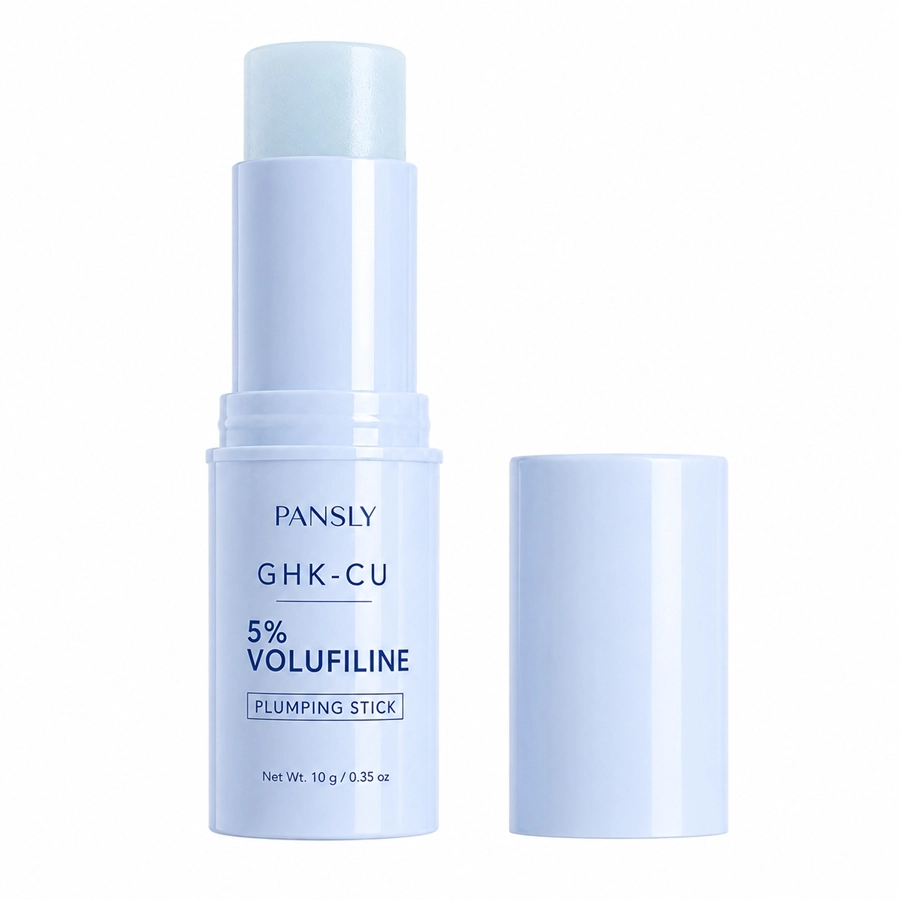
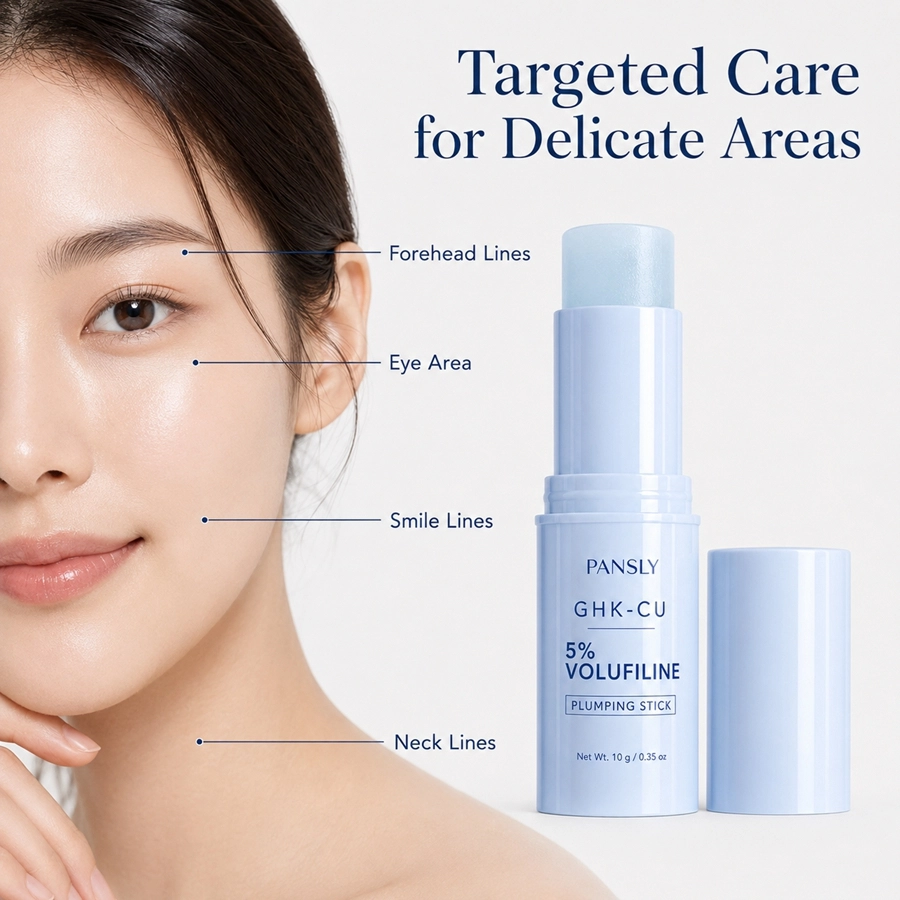
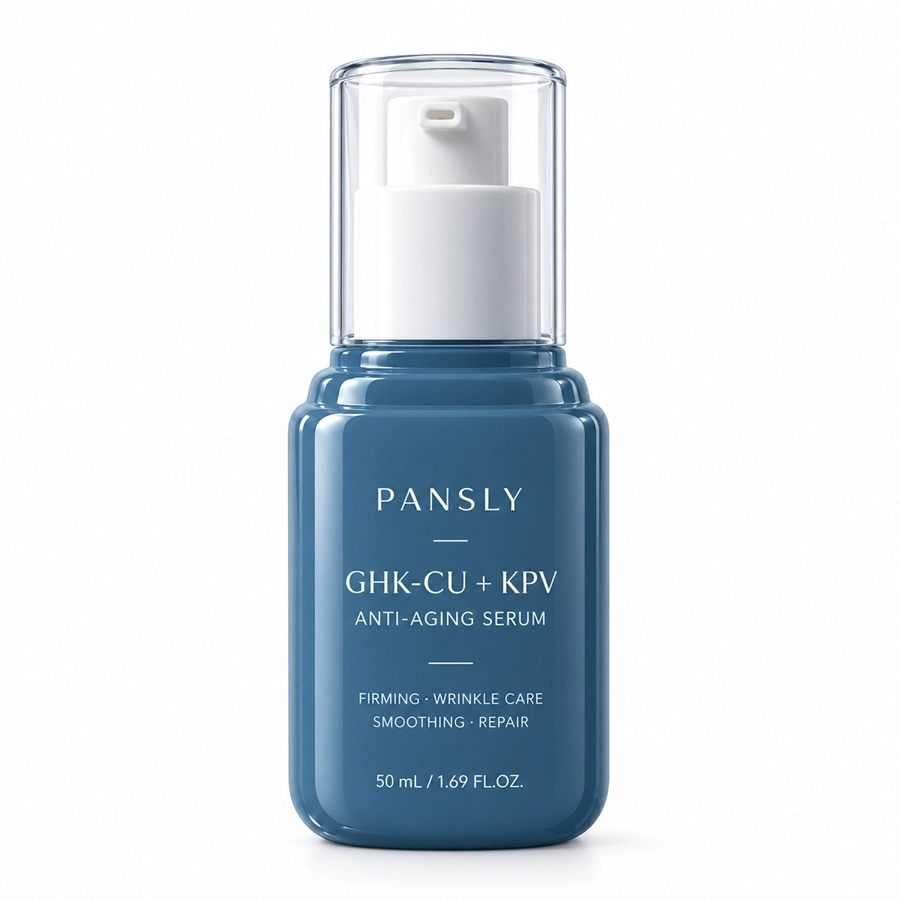
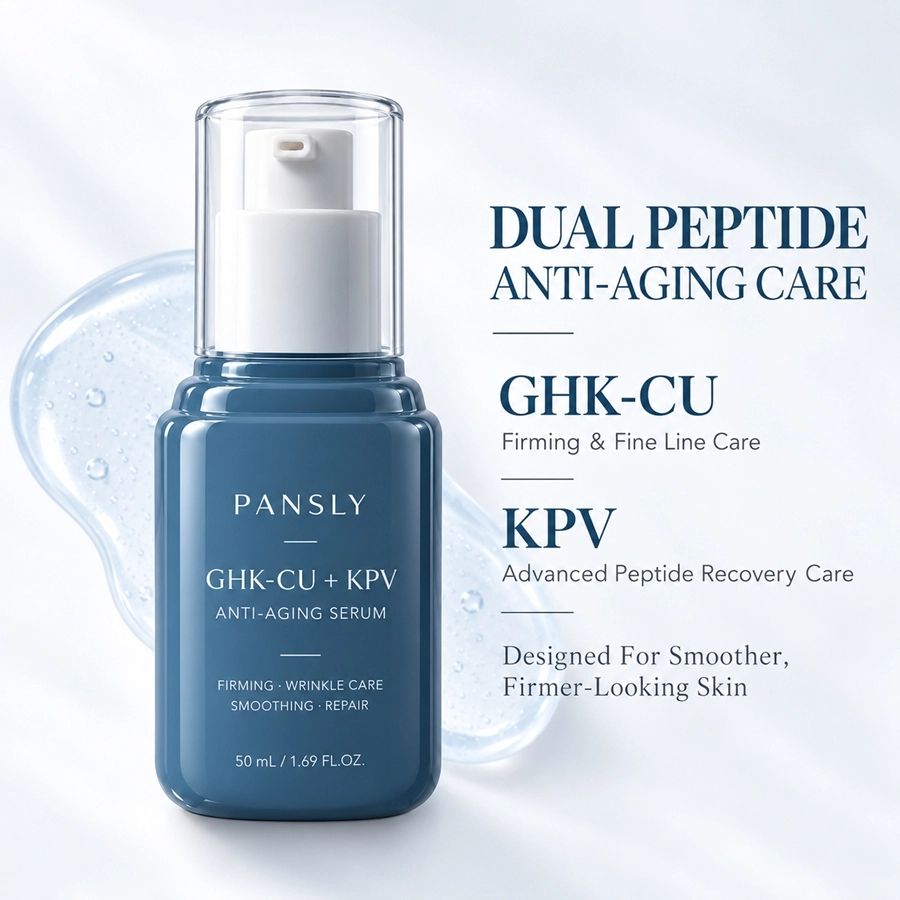
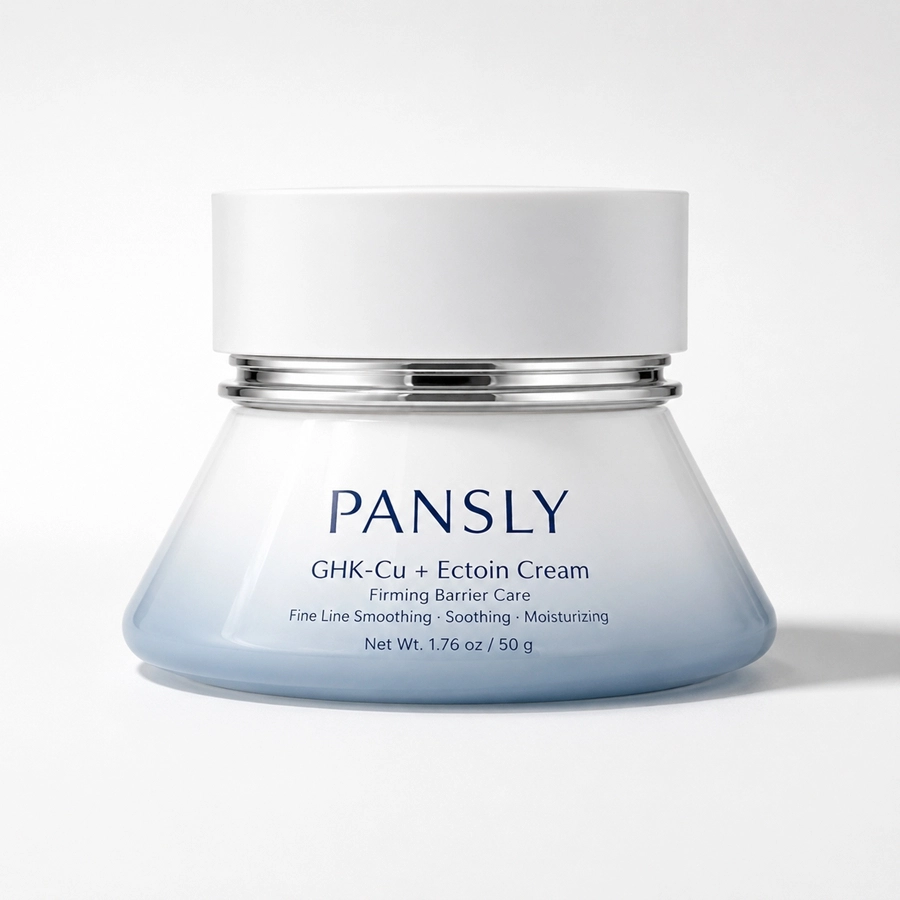
GHK-Cu KPV serum for skin is a private-label peptide face serum formulated for a firming, smoothing routine. This GHK-CU KPV Serum is positioned for wrinkle care and skin repair, making it a practical addition to an anti-aging skincare range.
Get in Touch with us
If you have any comments or good suggestions, please leave us a message; later our professional staff will contact you as soon as possible.
Click here to customize the Beauty
we respond within a few hours
Monday–Friday, 9AM–6PM
3A01, Building A, Zhisheng Square, No. 4 Zhifu Road, Helong Street, Baiyun District, Guangzhou, China.


Leave a request, and we'll email you back within 24 hours.
© 2026 Beyond Basix. All Rights Reserved.
