
What Does 40% Urea Mean in a Foot Cream Formula?
What Does 40% Urea Mean in a Foot Cream Formula?
Quick Answer
A 40% urea foot cream contains approximately 40% urea by formula weight, placing it in a high-concentration category intended to soften and loosen thick, hardened stratum corneum. For an OEM/ODM brief, the key decisions are claim and market requirements, pH, preservation, texture, and packaging compatibility. Beyond Basix can assess formulation and production routes, but the final choice depends on project testing and site-specific conditions.
How Beyond Basix Supports Projects
Beyond Basix supports urea skincare development through OEM/ODM coordination, custom formulation discussions, production planning, and documentation aligned with the intended market. Its 12,000-square-meter facility includes a 100,000-level GMPC pharmaceutical-grade dust-free workshop and 12 production lines, supporting the practical evaluation of a concentrated foot-care product from concept through manufacturing.
Beyond Basix operates with certifications including ISO 9001, GMP, HALAL, CE, and MSDS documentation where applicable to the project. Buyers should confirm urea grade, target concentration, pH range, texture, packaging format, claims, and required testing scope; MOQ, lead time, testing scope, and quotation must be confirmed for each project.
Discuss Your High-Concentration Foot Cream Project
Share your target market, intended user, product claims, preferred pack size, packaging format, forecast volume, and testing requirements so suitable formulation options, samples, compliance considerations, and production steps can be discussed. Visit www.beyondbasixcosmetics.com or email Lily@lanthome.com to begin the project review.
Frequently Asked Questions
What does 40% urea mean by weight in foot cream?
In a cosmetic formula, 40% generally refers to the proportion of urea calculated by total formula weight. It does not mean that 40% of the product is a separate exfoliating agent or that the product will remove a fixed amount of callused skin. Urea has both humectant and keratolytic functions, but its practical effect depends on the complete system, including water level, emollients, occlusives, pH, application frequency, and contact time. A formulation sheet should state the calculation basis clearly and distinguish raw-material input from verified finished-product composition.
Is 40% urea suitable for every cracked heel product?
No. A high-strength urea formula is not automatically appropriate for every heel product, user group, or market position. Thick callused skin may tolerate concentrated keratolytic care better than thin, irritated, freshly abraded, or visibly inflamed skin. Cracks that bleed, show infection, or relate to an underlying medical condition require appropriate clinical attention rather than relying on a cosmetic product alone. For development, the intended user, use frequency, warning language, and consumer testing approach should be defined before selecting concentration. A lower level may offer a more comfortable daily-care proposition, while a higher level may suit a targeted hard-skin concept subject to safety assessment.
Which packaging protects a high-urea foot cream formula?
Packaging should be selected through compatibility and stability work rather than by concentration alone. A high-urea emulsion may be sensitive to moisture exchange, temperature exposure, dispensing contamination, and interactions between the formula and pack components. Tube systems are often considered for hygienic dispensing, but the appropriate material, closure, liner, or airless format depends on viscosity and the final composition. Development teams should examine leakage, deformation, odor transfer, discoloration, viscosity change, dispensing performance, and formula-package contact over the proposed shelf-life conditions. The pack should also preserve the labeled net content and support clear directions for use.
How should brands test stability in 40% urea creams?
A stability plan should evaluate the finished product in its intended commercial packaging under defined temperature and humidity conditions, with a comparison against the initial batch. Typical checkpoints include appearance, color, odor, pH, viscosity, phase separation, dispensing behavior, microbial quality, and urea assay where an appropriate analytical method is available. Freeze-thaw or transport simulation may be relevant when the distribution route exposes the product to temperature cycling. Elevated-temperature data can help identify risks, but it should not be presented as a direct substitute for real-time shelf-life evidence. Acceptance limits need to be set before testing so that results are interpreted consistently.
Can 40% urea cause stinging on fissured feet?
Yes, stinging is possible, particularly when the skin barrier is compromised by fissures, abrasion, inflammation, or recent mechanical filing. The sensation does not prove that the product is working, and excessive discomfort can reduce adherence or encourage over-application. Consumer directions should specify application boundaries, frequency, hand washing, and situations in which use should stop. A responsible product brief should consider patch or controlled-use evaluation, irritation assessment, fragrance level, and the balance between keratolytic performance and barrier-supporting ingredients. Claims and warnings must be reviewed for the intended jurisdiction instead of copied from another market.
What regulatory claims can OEM buyers make for urea?
Claim language depends on the destination market, product presentation, evidence, and whether the wording implies treatment of a disease or medical condition. Cosmetic positioning may focus on moisturizing, softening, smoothing, or improving the appearance of rough skin when supported by suitable evidence. Statements that imply treatment, healing, prevention, or management of a medical disorder can create a different regulatory pathway in some jurisdictions. OEM buyers should define the claim before finalizing the formula because it can affect testing, labeling, warnings, technical files, and marketing review. The concentration alone does not authorize a therapeutic claim; substantiation and local regulatory assessment remain necessary.
Related Articles for Private Label Cosmetics

Why Two Mineral Sunscreens With the Same SPF Can Feel Completely Different

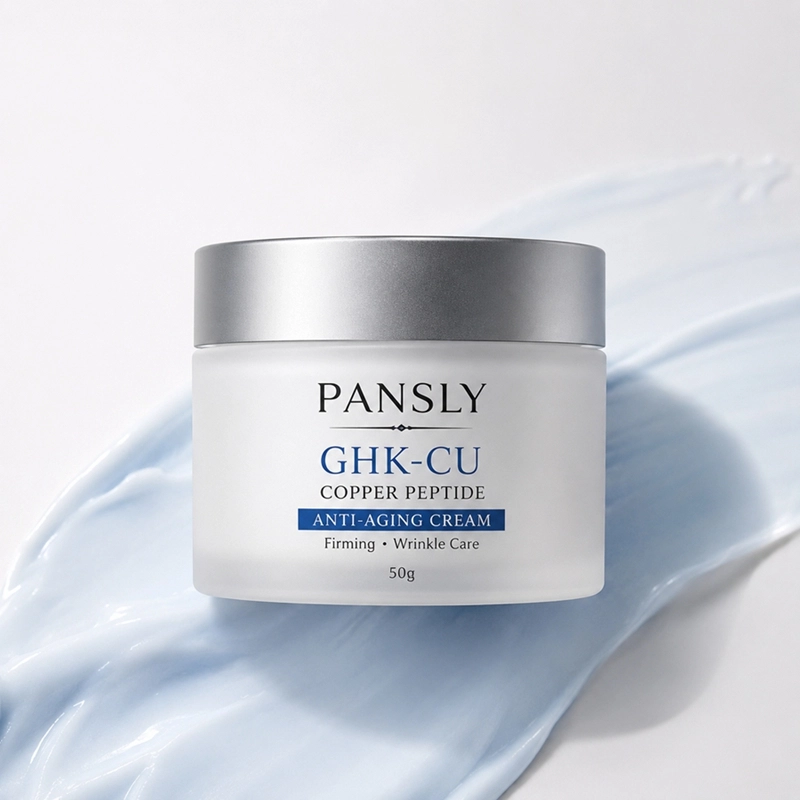
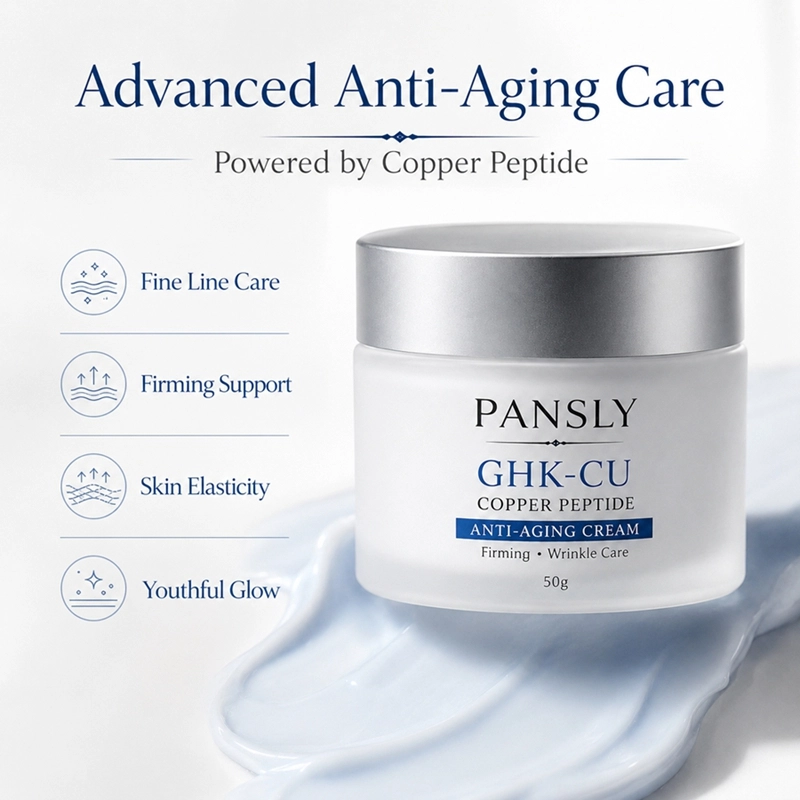
Beyond Ordinary Tallow Balm: How GHK-Cu and SNAP-8 Create a Different Skincare Story

When Blue Copper Peptides Meet Beef Tallow: A New Direction for Premium Skincare

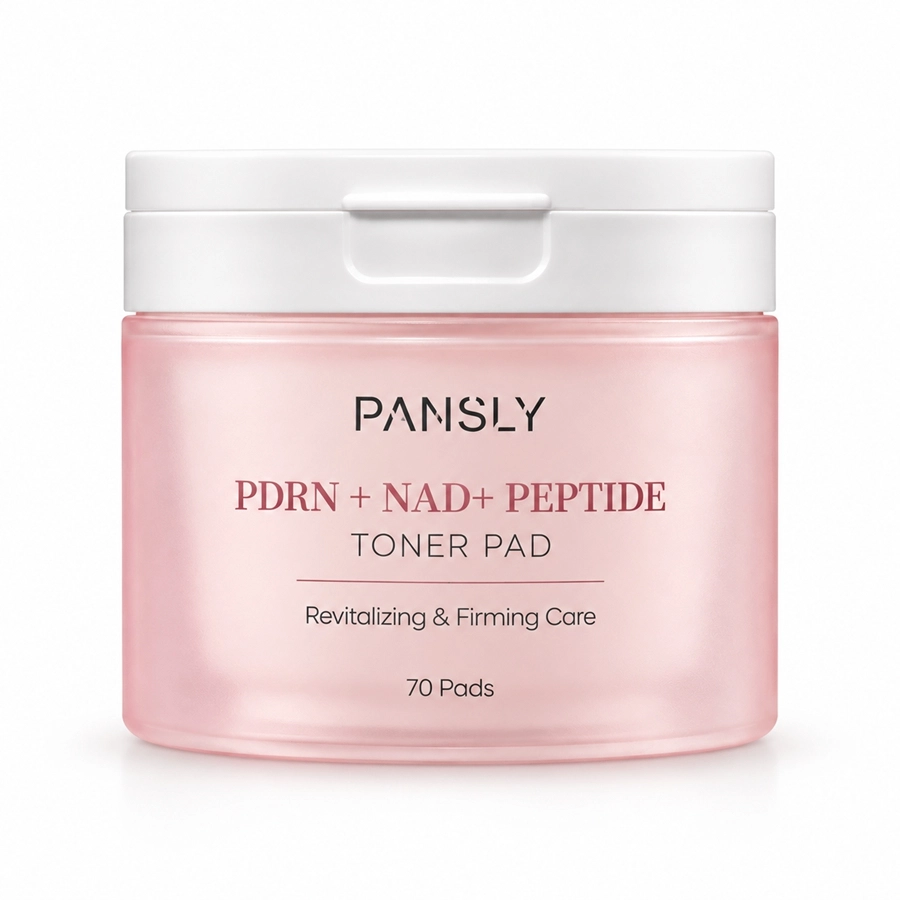
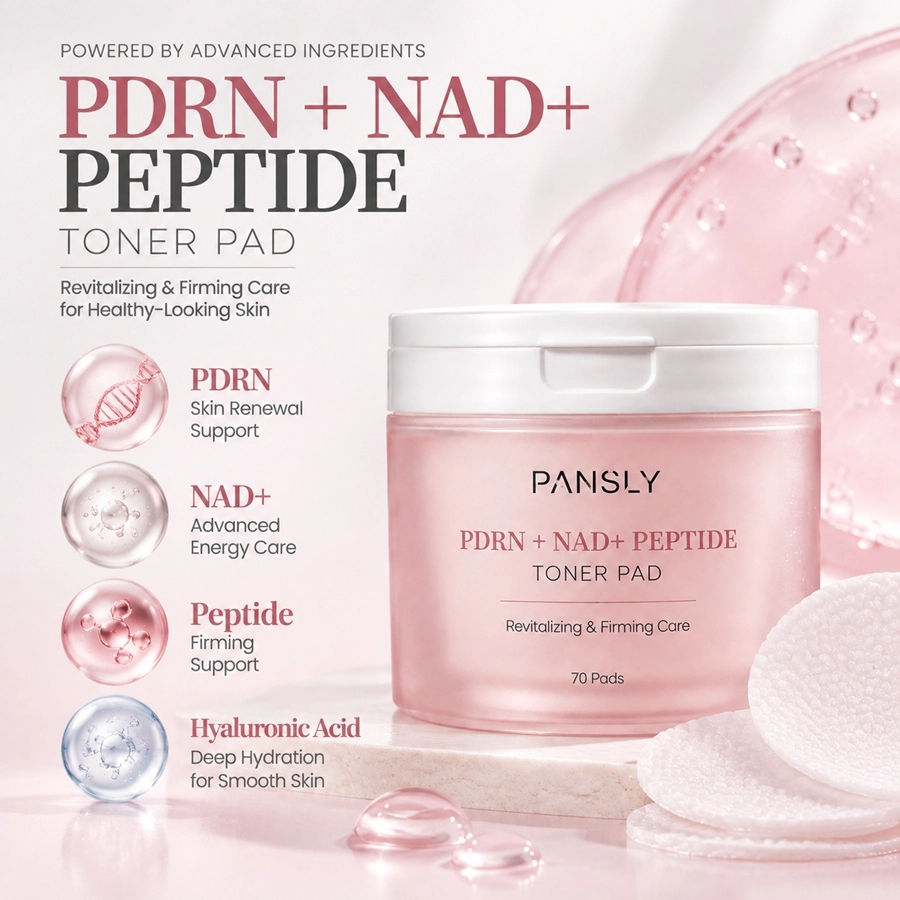
PDRN Toner Pads vs GHK-Cu + SNAP-8 Peptide Toner Pads: Private Label Manufacturing Decisions
You May Also Like
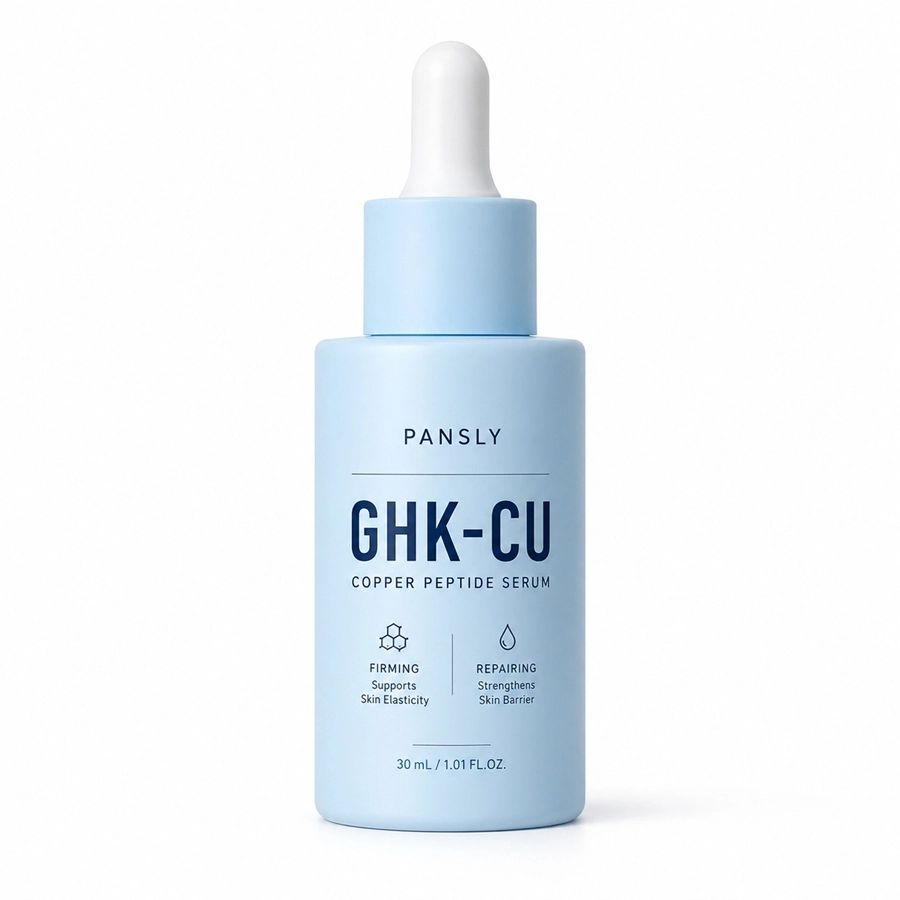
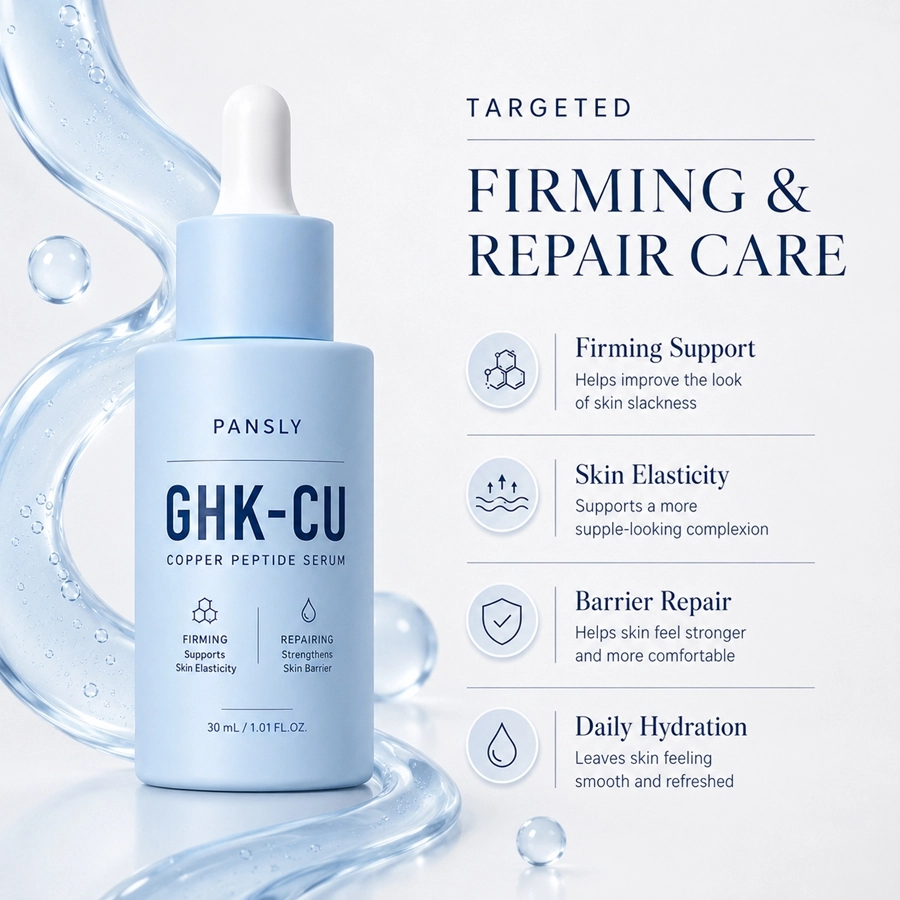
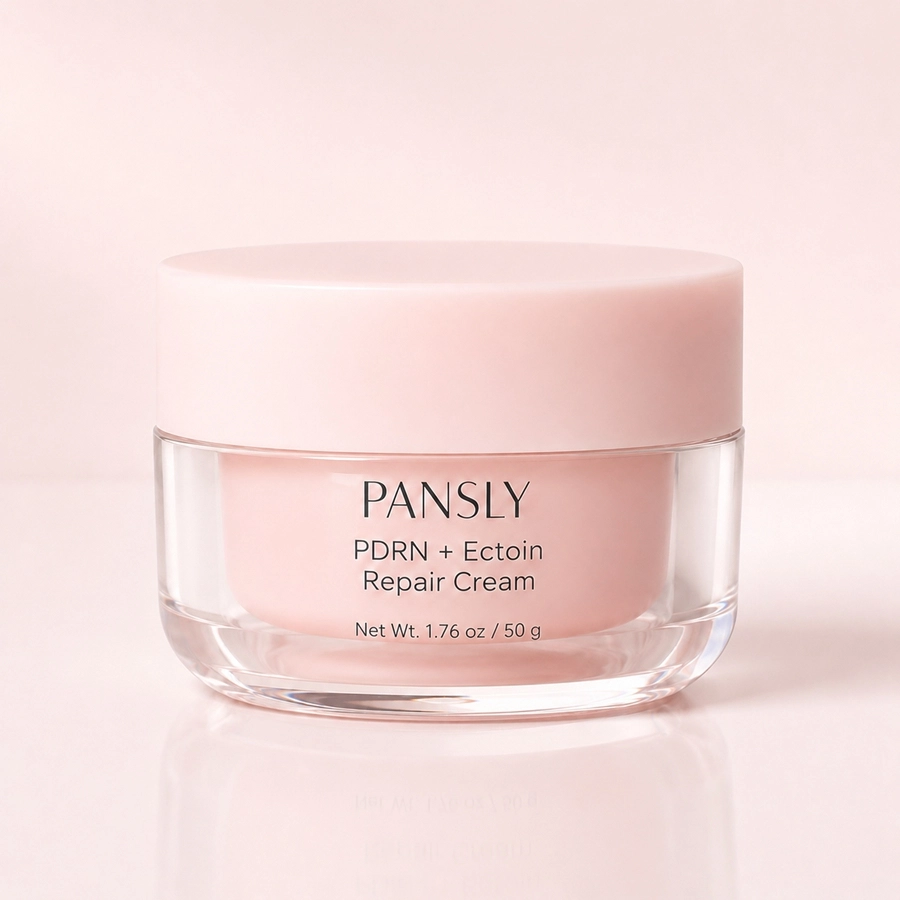
This Pansly PDRN + Ectoin Repair Cream is daily barrier-repair moisturizer for dry, sensitive, fragile skin, delivering long-lasting deep hydration and skin soothing care.
It adopts triple core moisturizing complex: PDRN accelerates skin renewal to create smoother refined complexion; Ectoin calms dry irritated skin and reinforces skin moisture barrier; Moisture Complex locks abundant hydration to keep skin soft, supple and comfortable all day.
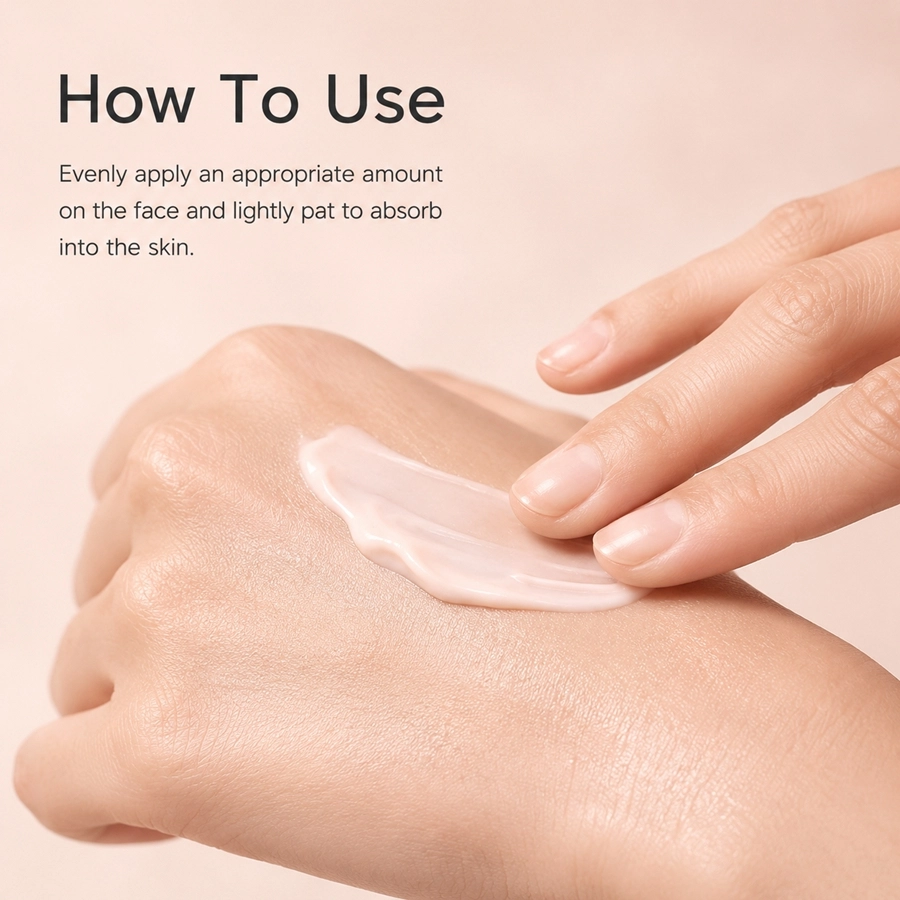
Butter-like soft melting cream texture, light dewy finish, non-comedogenic formula that won’t clog pores. Apply proper amount evenly on face and pat gently to absorb. Persistent use repairs damaged skin barrier, maintains stable moisture balance, and brings nourished smooth healthy skin.
Get in Touch with us
If you have any comments or good suggestions, please leave us a message; later our professional staff will contact you as soon as possible.
Click here to customize the Beauty
we respond within a few hours
Monday–Friday, 9AM–6PM
3A01, Building A, Zhisheng Square, No. 4 Zhifu Road, Helong Street, Baiyun District, Guangzhou, China.


Leave a request, and we'll email you back within 24 hours.
© 2026 Beyond Basix. All Rights Reserved.
