
What Does GHK-Cu Do in a Copper Peptide Serum?
What Does GHK-Cu Do in a Copper Peptide Serum?
Quick Answer
GHK-Cu, also called Copper Tripeptide-1, is a copper-binding signal peptide used to support the appearance of firmer, smoother, more resilient skin. In a ghk-cu copper peptide serum, performance depends on peptide identity, concentration, pH, water activity, packaging, and stability testing. Beyond Basix can support OEM/ODM development, but the final solution depends on the project brief and test results.
How Beyond Basix Supports Projects
Beyond Basix supports copper peptide skincare projects through formulation development, OEM/ODM production, and documented manufacturing within its 12,000-square-meter facility. Its 100,000-level GMPC pharmaceutical-grade dust-free workshop and 12 production lines provide a defined production environment for brands developing facial serums and related products.
Project discussions should confirm the Copper Tripeptide-1 specification, target formula profile, packaging format, market claims, and required quality or regulatory documents. MOQ, lead time, testing scope, and quotation must be confirmed for each project. Available company certifications include ISO 9001, CE, MSDS, GMP, and HALAL, subject to product and market applicability.
Discuss Your Copper Peptide Serum Project
Share your target market, positioning, preferred texture, pack size, estimated order volume, claim direction, and required documentation so suitable formulation and sample-development options can be discussed. Send your brief through www.beyondbasixcosmetics.com or Lily@lanthome.com to begin a project-specific review.
Frequently Asked Questions
How does GHK-Cu differ from ordinary copper in skincare formulas?
GHK-Cu is not simply dissolved copper. It is a complex formed by the tripeptide glycyl-L-histidyl-L-lysine and copper, and cosmetic ingredient listings commonly identify it as Copper Tripeptide-1. The peptide serves as the carrier and contributes to the ingredient’s biological signaling profile, while the bound copper is part of the complex. This distinction matters because free copper ions can contribute to unwanted color changes, oxidation, or compatibility problems, whereas a formulated copper peptide has a defined ingredient identity. Buyers should request the supplier’s ingredient specification, assay information, recommended use level, and stability data rather than evaluating a formula by its copper content alone.
Can Copper Tripeptide-1 directly rebuild collagen in finished products?
That claim is too strong for most cosmetic product descriptions. GHK-Cu has been investigated for effects associated with extracellular matrix signaling, wound repair, and collagen-related activity, particularly in laboratory and preliminary biological research. However, evidence from an ingredient study does not automatically prove that a finished serum rebuilds collagen in human skin. Formula concentration, delivery, exposure time, skin condition, and study design all influence observed results. A responsible brand should use cosmetic wording such as supporting the appearance of firmness or improved-looking texture unless it has suitable product-level substantiation for stronger claims. Claims review should be completed for the target market before packaging artwork is approved.
What formulation conditions can destabilize a copper peptide serum?
Several factors can reduce formula robustness: unsuitable pH, prolonged heat exposure, light, oxygen, incompatible raw materials, and interactions with chelating or strongly reactive ingredients. The visible formula may also change color without proving that the peptide has retained its intended performance, so appearance alone is not a sufficient stability test. Developers should assess the finished formula rather than relying only on raw-material information. A practical program can include accelerated and real-time stability, freeze-thaw or transport assessment when relevant, package compatibility, microbiological testing, and preservative-efficacy work where applicable. The exact protocol should reflect the formula, pack, market, and proposed shelf life.
Should a copper peptide serum avoid acids and retinoids completely?
A blanket incompatibility rule is not scientifically reliable. Acids and retinoids are broad categories that include different substances, concentrations, vehicles, and pH environments. The actual risk depends on the complete formula, exposure conditions, packaging, and whether the combination has been evaluated for stability and consumer tolerability. For a single product, developers should avoid combining multiple high-irritation actives merely for marketing appeal and should test the selected system. For consumer routines, brands may recommend separate application when compatibility or irritation data are limited. Product instructions should follow the tested formulation and the regulatory expectations of the intended market, not social-media rules about all acids or all retinoids.
Which packaging is most suitable for copper peptide serum stability?
Packaging should limit the stressors identified in the stability plan, especially light, oxygen ingress, repeated contamination, and excessive headspace. An airless pump may reduce repeated exposure compared with an open-mouth jar, but it is not automatically suitable for every viscosity or dispensing system. Material compatibility must also be checked because the formula can interact with seals, springs, coatings, or plastic components. A development project should compare the intended pack with the bulk formula through compatibility, leakage, dispensing, transport, and stability checks. The final choice should balance protection, user dosing, production feasibility, MOQ, appearance, and cost instead of selecting packaging solely because it is marketed as airless.
What testing should brands request before ordering copper peptide serum?
Brands should request documentation that connects the raw material, finished formula, packaging, and intended claims. Useful documents may include the ingredient specification, certificate of analysis, safety data, microbiological results, stability data, compatibility findings, and batch-related production records, depending on the project and destination market. The finished product should also be reviewed for preservative performance when applicable and for compliance with local cosmetic requirements. Claim substantiation should be considered separately from basic quality testing: a specification can confirm identity or release parameters, but it does not prove a consumer benefit. Before a bulk order, agree on acceptance criteria, sample approval, testing responsibilities, lead time, MOQ, and required regulatory files in writing.
Related Articles for Private Label Cosmetics

Why Two Mineral Sunscreens With the Same SPF Can Feel Completely Different

Beyond Ordinary Tallow Balm: How GHK-Cu and SNAP-8 Create a Different Skincare Story

When Blue Copper Peptides Meet Beef Tallow: A New Direction for Premium Skincare

PDRN Toner Pads vs GHK-Cu + SNAP-8 Peptide Toner Pads: Private Label Manufacturing Decisions
You May Also Like
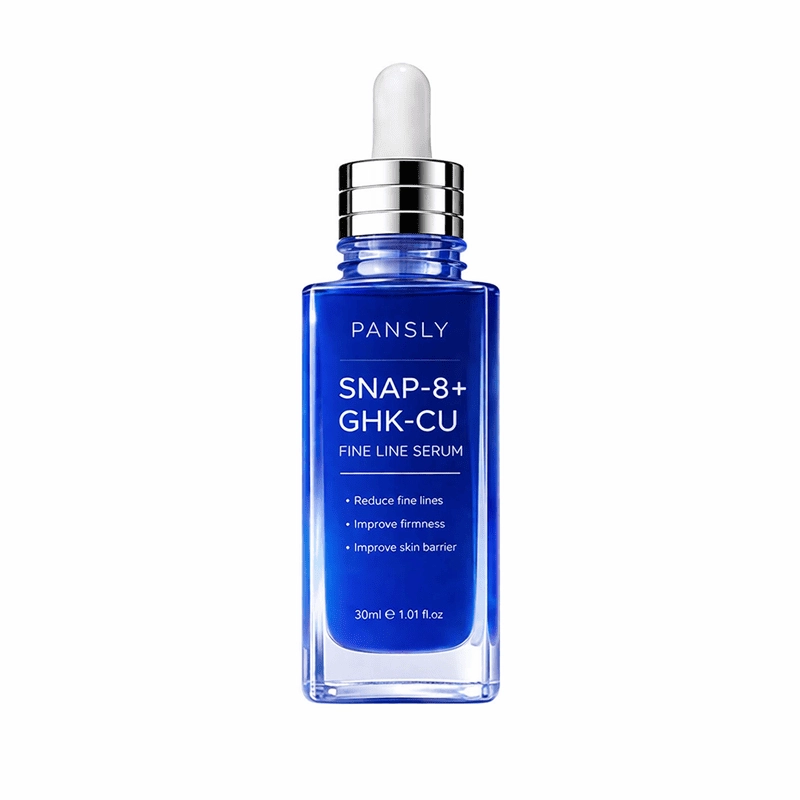
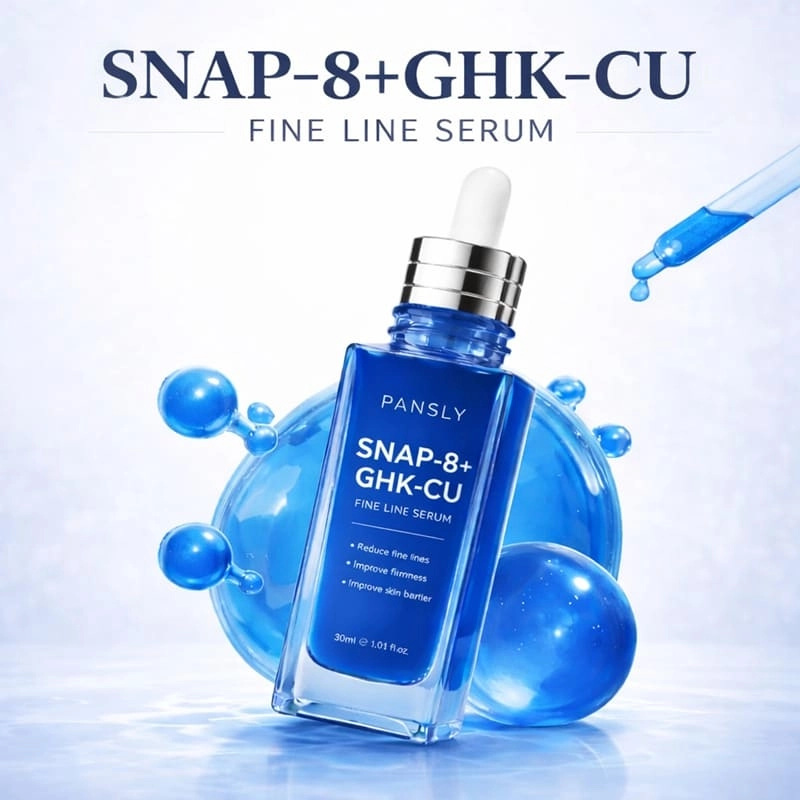
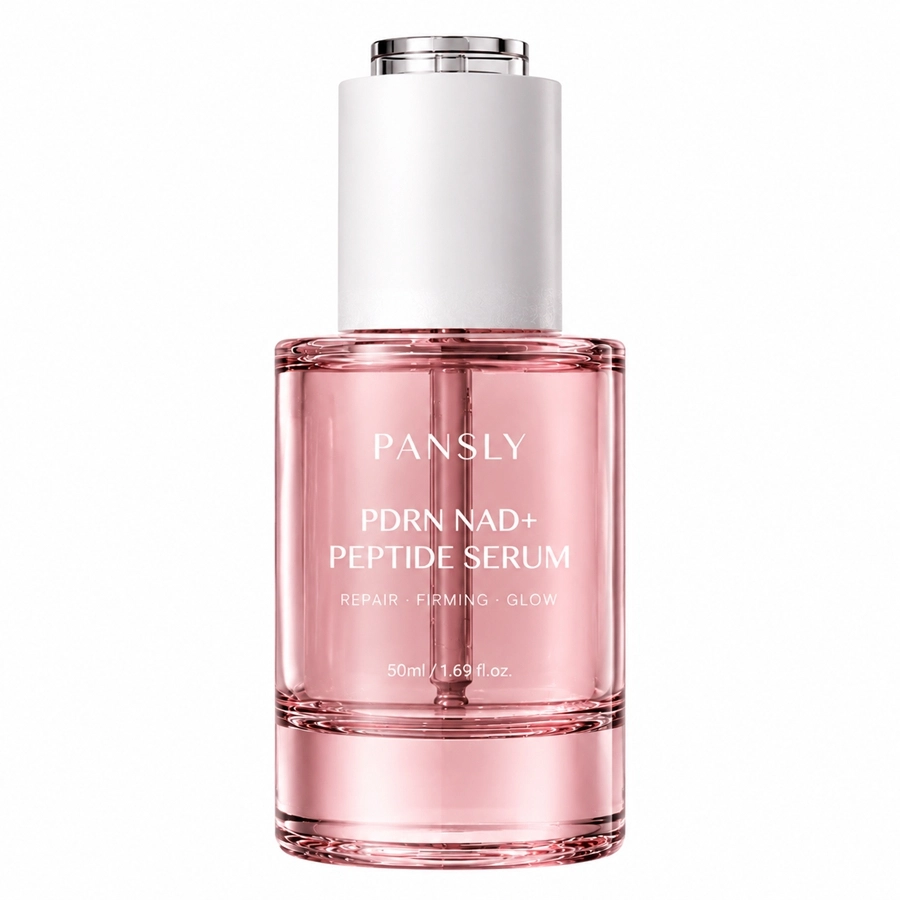
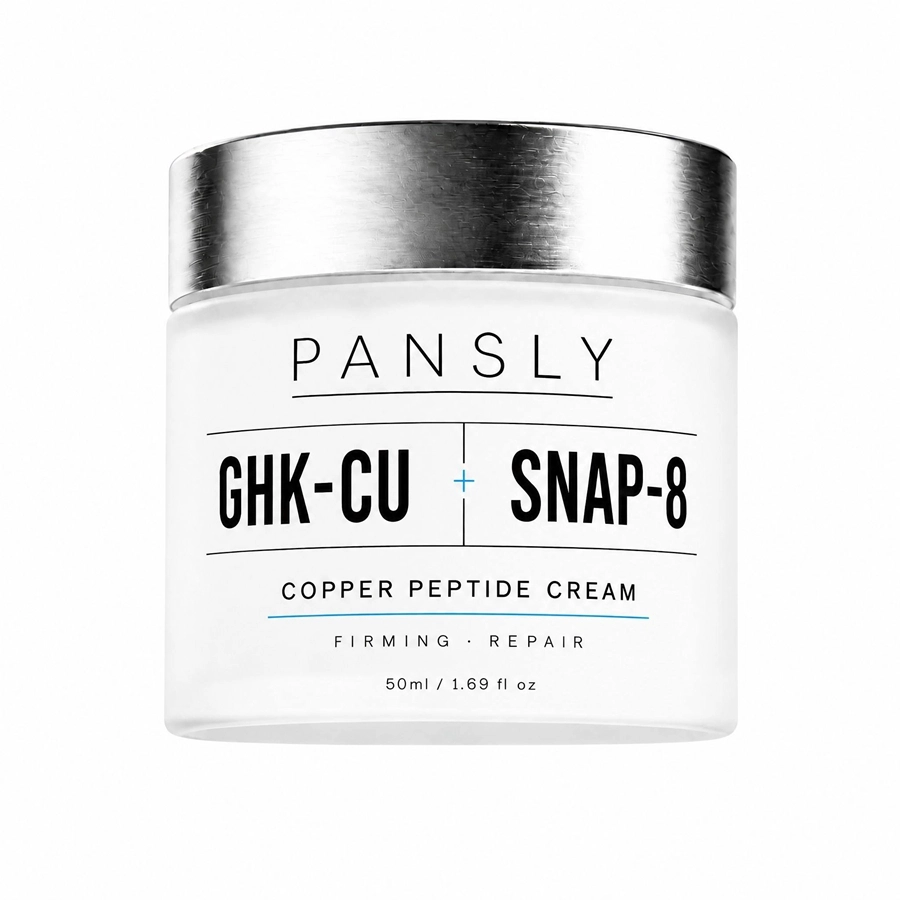
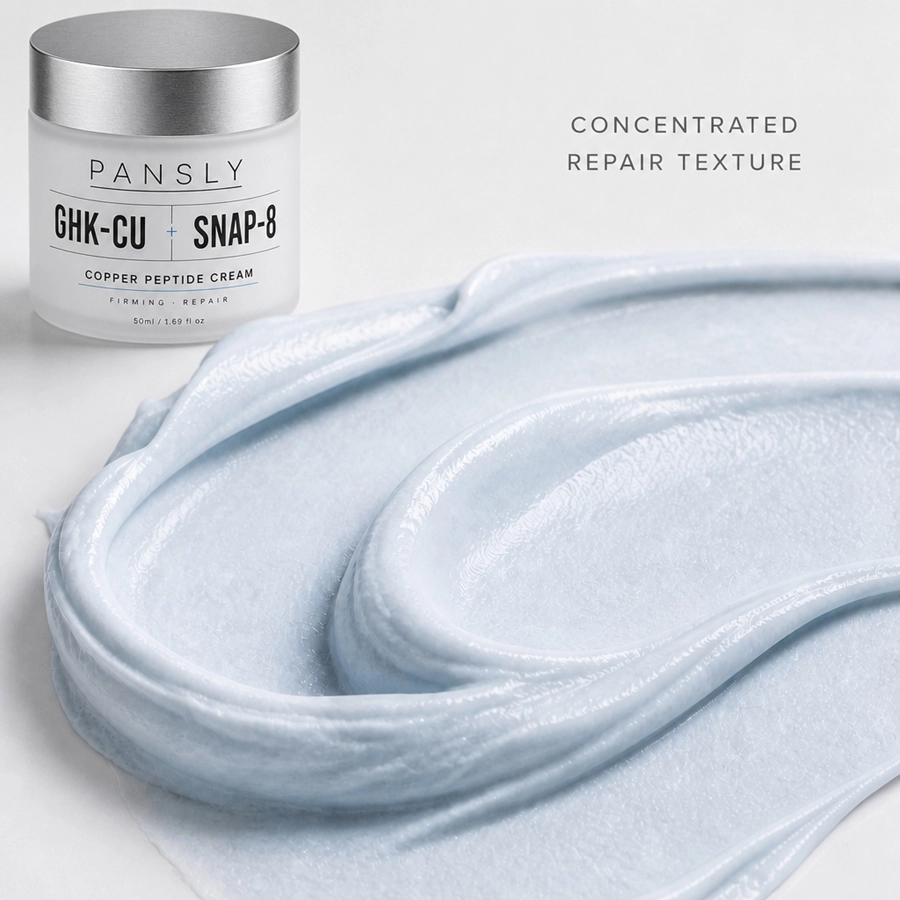
Private label GHK-Cu + SNAP-8 copper peptide serum for beauty brands developing peptide-led anti-aging and expression-line skincare. The formula combines a copper-peptide ingredient story with SNAP-8 positioning and can be discussed with custom texture, supporting skincare ingredients and packaging options.
Beyond Basix supports OEM/ODM sample development, packaging coordination and production planning. Final ingredient levels, claims, MOQ and lead time are confirmed according to the approved formula, target market and order requirements.
Get in Touch with us
If you have any comments or good suggestions, please leave us a message; later our professional staff will contact you as soon as possible.
Click here to customize the Beauty
we respond within a few hours
Monday–Friday, 9AM–6PM
3A01, Building A, Zhisheng Square, No. 4 Zhifu Road, Helong Street, Baiyun District, Guangzhou, China.


Leave a request, and we'll email you back within 24 hours.
© 2026 Beyond Basix. All Rights Reserved.
