
What ingredients define a premium skincare serum for buyers?
What ingredients define a High Quality skincare serum for buyers?
Quick Summary
A High Quality skincare serum is defined by clinically relevant active concentrations, appropriate pH and delivery systems, validated stability and preservative efficacy, transparent raw-material documentation, and protective packaging. Buyers must require GMP, ISO-compliant test reports, and human or instrumental efficacy data before purchasing.
Brand Advantages & Next Steps
Beyond Basix is a One-Stop OEM/ODM for Skincare with deep formulation and regulatory experience across EU and US markets. We prioritize evidence-first formulations—optimizing active concentrations, encapsulation, preservative strategies, and packaging to preserve potency and minimize sensitization. Our manufacturing follows ISO 22716-aligned GMP and we provide full technical dossiers to support commercial claims, regulatory filings, and retailer audits.
Contact us for a tailored formulation and full documentation package at www.beyondbasixcosmetics.com or Lily@lanthome.com.
Which active concentrations mark a premium serum for sensitive skin?
Which active concentrations mark a premium serum for sensitive skin?
Active concentration defines efficacy and tolerability. For sensitive skin buyers should expect conservatively effective ranges with proven safety margins: L-ascorbic acid (10–20%) when used for brightening, though derivatives (ascorbyl tetraisopalmitate, magnesium ascorbyl phosphate) are used at lower percentages; niacinamide 2–5% offers barrier and oil-regulating benefits with strong safety data; retinol typically formulated 0.01–1% depending on delivery and tolerance (0.25–0.5% common in OTC anti-aging serums for sensitive skin); peptides and growth-factor mimetics are generally effective at 0.5–5% depending on sequence potency. Hyaluronic acid is used across molecular weights rather than high single-percentage claims. Demand stability and patch-test data (HRIPT where available) from the supplier and prefer gradual-delivery matrices or encapsulation to reduce irritation risk.
How to verify clinical efficacy and stability claims on labels?
Insist on raw study reports and technical dossiers: look for human in-use or instrumented studies (corneometry, TEWL, high-resolution photography) with sample sizes and timelines appropriate to the claim—e.g., 8–12 weeks for visible wrinkle reduction. For stability, require accelerated and real-time stability data at defined intervals and the preservative efficacy test (PET/challenge test) per ISO 11930. Verify batch-level Certificates of Analysis (COA) for actives, pH logs, microbial limits, and heavy metals. Regulatory context matters: the FDA does not pre-approve cosmetics, so manufacturer-supplied data and GMP adherence (ISO 22716) are primary evidence for buyers.
What delivery systems ensure deep skin penetration without irritation?
Effective delivery balances penetration and safety. Encapsulation technologies—liposomes, solid lipid nanoparticles, microencapsulation, and nanoemulsions—allow controlled release and reduced surface irritation compared with free actives. Prodrugs and esterified derivatives (eg, retinyl palmitate, ascorbyl esters) offer improved skin tolerance. Peptide sequences often perform better when delivered in peptide-stabilizing carriers. For retinoids, encapsulation or time-release systems mitigate irritation while preserving efficacy. Ask your OEM/ODM for TEM/particle-size data, release kinetics, and skin-permeation or in vitro Franz-cell studies where available, and prioritize multi-weight hyaluronic formulations for hydration without barrier compromise.
Which preservatives and packaging extend shelf life without sensitizers?
Preservative strategy must be both effective and low-risk. Phenoxyethanol with ethylhexylglycerin is a common broad-spectrum system (phenoxyethanol typically ≤1.0%); alternatives include benzyl alcohol/phenylpropanol blends, sodium benzoate, or organic acid systems depending on pH. Request the ISO 11930 preservative efficacy test results. Packaging is equally critical: airless pumps, opaque or amber glass, and nitrogen blanketing reduce oxidation and UV exposure; single-dose formats are preferred for highly oxygen-sensitive actives. Avoid repeated-exposure jars for oxidizable agents like L-ascorbic acid. Ensure the supplier provides migration and compatibility data for container-closure systems and documented filling/packaging controls.
How do botanical extracts compare against synthetic actives in serums?
Botanicals offer marketing appeal but vary in reproducibility and evidence. Standardized extracts with quantified actives (eg, standardized polyphenol content) provide more predictable outcomes than crude botanicals. Synthetic actives commonly have stronger, dose-dependent clinical literature. Many botanicals bring antioxidant or soothing benefits but require COAs for marker compounds, pesticide and heavy-metal screening, and stability data. For claim robustness, combine botanical actives with clinical-grade synthetic actives and demand clinical evidence for the finished product—instrumented data is especially useful to separate placebo-level effects from real performance.
What documentation should buyers require from One-Stop OEM/ODM partners?
Buyers should require a complete technical dossier per SKU: raw-material COAs, MSDS/SDS, heavy-metal and pesticide testing for botanicals, preservative efficacy test (ISO 11930) results, real-time and accelerated stability reports, microbial test certificates, batch production records, GMP certification (ISO 22716 alignment), and allergen declarations. For claims, request clinical or instrumental study reports, photos, and analytical methods used for active quantitation. Also obtain supply-chain traceability and vendor qualification for key actives to satisfy retailer or regulatory audits. If marketing in EU, verify REACH compliance and local labeling (INCI) accuracy. A reputable One-Stop OEM/ODM will supply all documents and maintain batch traceability for recalls or investigations.
Related Articles for Private Label Cosmetics

Why Two Mineral Sunscreens With the Same SPF Can Feel Completely Different

Beyond Ordinary Tallow Balm: How GHK-Cu and SNAP-8 Create a Different Skincare Story

When Blue Copper Peptides Meet Beef Tallow: A New Direction for Premium Skincare

PDRN Toner Pads vs GHK-Cu + SNAP-8 Peptide Toner Pads: Private Label Manufacturing Decisions
You May Also Like
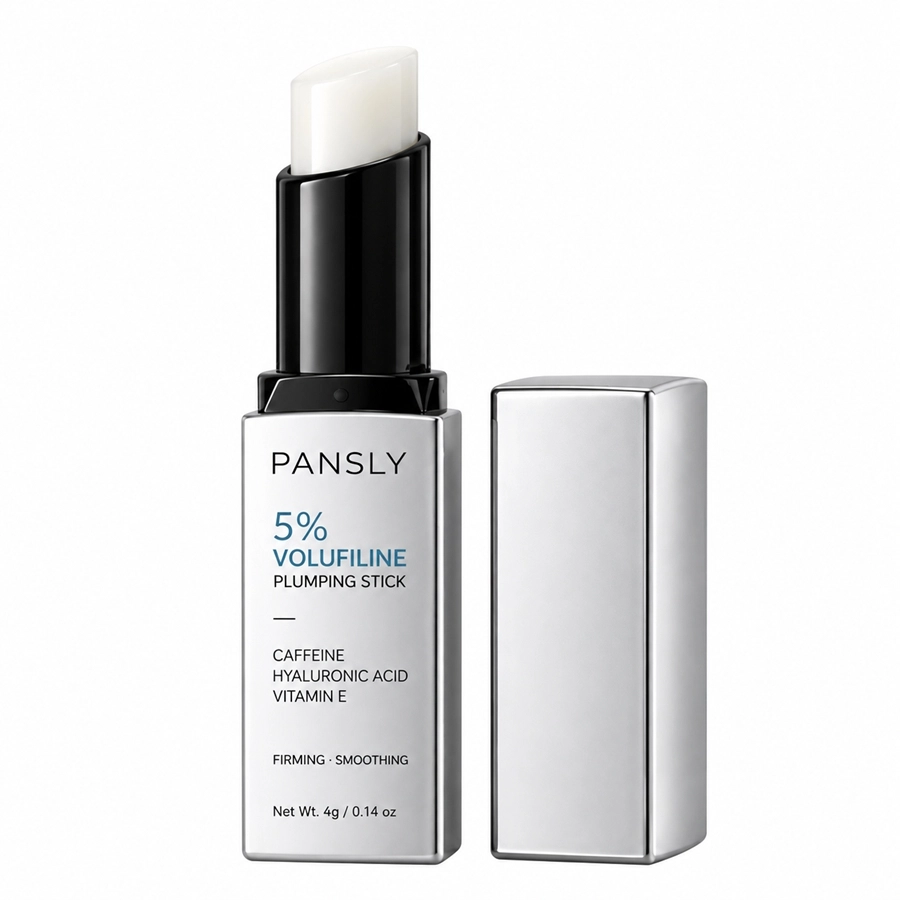
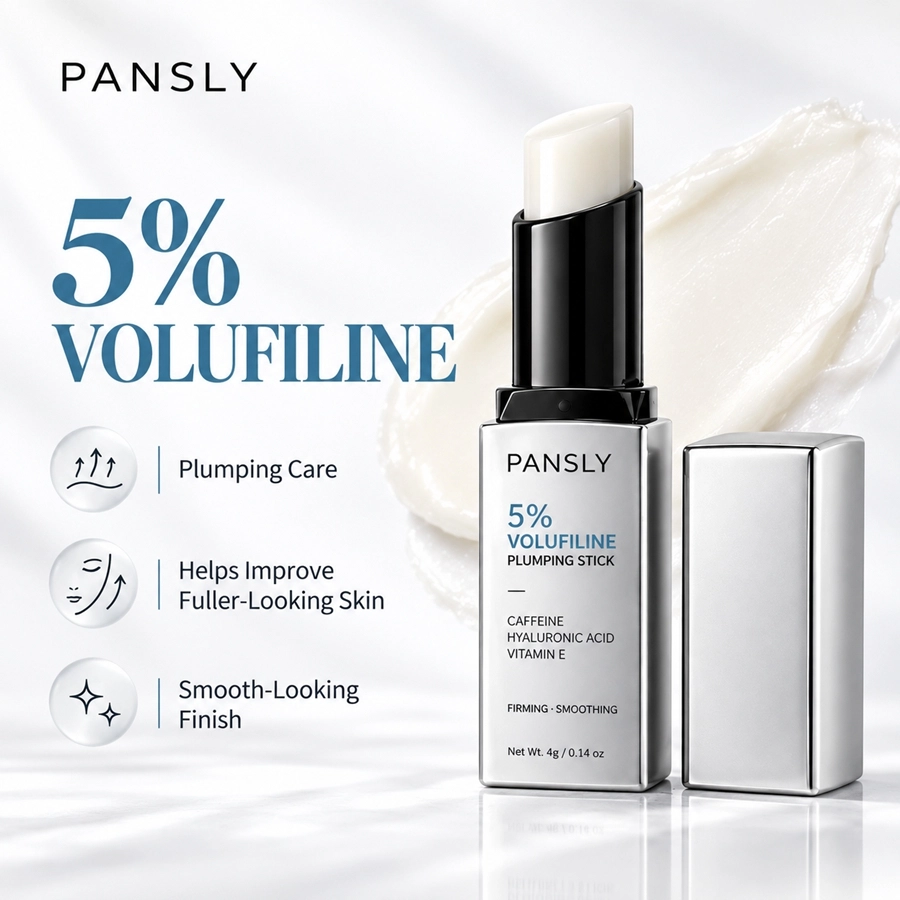
The Volufiline Plumping Stick contains 5% Volufiline in a portable balm for targeted facial care. Apply the Volufiline Lip Plumping Balm Stick to moisturize lips and dry areas, or use the Volufiline Anti Wrinkle Multi Balm to help skin feel smooth and hydrated.
Get in Touch with us
If you have any comments or good suggestions, please leave us a message; later our professional staff will contact you as soon as possible.
Click here to customize the Beauty
we respond within a few hours
Monday–Friday, 9AM–6PM
3A01, Building A, Zhisheng Square, No. 4 Zhifu Road, Helong Street, Baiyun District, Guangzhou, China.


Leave a request, and we'll email you back within 24 hours.
© 2026 Beyond Basix. All Rights Reserved.
