
What Is a Hair Growth Inhibitor and Where Does It Fit in a Hair Removal Routine?
Quick Answer
A hair growth inhibitor is a cosmetic leave-on product designed to support smoother-looking skin and help manage the appearance of regrowth after hair removal; it does not necessarily disable follicles or provide permanent reduction. A private label hair growth inhibitor project should assess claim language, ingredient evidence, skin compatibility, preservative performance, packaging, and target-market regulations. Beyond Basix can discuss formulation and OEM/ODM pathways, but the final solution depends on project testing and site-specific requirements.
How Beyond Basix Supports Projects
Beyond Basix Cosmetics Ltd. develops and manufactures skincare products through OEM/ODM services, drawing on more than 23 years in research, production, and sales and 12 years focused on effective-ingredient skincare. Its 12,000-square-meter facility includes a 100,000-level GMPC pharmaceutical-grade dust-free workshop and 12 production lines. These resources can support discussions around texture, ingredient positioning, packaging format, and scalable production planning.
Buyers should confirm the intended use area, application frequency, target claims, formula preferences, packaging compatibility, target-market compliance, and required testing scope. ISO 9001, CE, MSDS, GMP, HALAL, and other certifications are available within the company profile, but applicability depends on the product and market. MOQ, lead time, testing scope, and quotation must be confirmed for each project.
Discuss Your Hair Growth Inhibitor Project
Share your target market, body area, hair-removal method, desired claims, preferred format, ingredient restrictions, packaging direction, and expected order volume so suitable options, sample steps, testing priorities, and production planning can be discussed. Visit www.beyondbasixcosmetics.com or email Lily@lanthome.com to begin a project-specific evaluation.
Deep-Dive FAQs
What does a hair growth inhibitor actually do after hair removal?
The term usually describes a topical cosmetic intended to condition the skin and support a less noticeable appearance of regrowth. It should not be interpreted as proof that follicles have been permanently disabled. Hair grows in cycles, and shaving cuts the shaft above the skin while waxing removes the hair from the root; neither process makes the follicle permanently inactive. Results therefore depend on the product, individual hair cycle, body area, and consistency of use. For brand development, claims should be written around cosmetic benefits such as skin feel, smoothness, or the appearance of regrowth unless robust evidence and local regulations support stronger wording.
Can private label inhibitors slow regrowth without making medical claims?
A brand can position a product around cosmetic maintenance, but the wording must match the evidence and the rules of the destination market. In the United States, claims that a product affects the structure or function of the body can move it toward drug classification under the Federal Food, Drug, and Cosmetic Act. In the European Union, cosmetic claims must meet the common criteria in Regulation (EU) No 655/2013, including truthfulness, evidential support, and fairness. Phrases such as permanent hair removal, follicle destruction, or treatment of a disorder require particular regulatory caution. A safer development process maps every front-label, website, and advertising claim to supporting formula or test evidence before artwork approval.
When should an inhibitor be applied after shaving or waxing?
Application timing depends on the formula directions and the condition of the skin. After shaving, the product is commonly considered for clean, dry skin once excess water and shaving residue have been removed. After waxing, the skin may be more reactive because hair has been removed from the root, so immediate use of fragranced, exfoliating, or otherwise irritating formulas may be unsuitable. A brand should define directions through compatibility and irritation testing rather than copying a generic interval. The label should also address patch testing where appropriate, avoiding broken or inflamed skin, hand hygiene, and discontinuation if persistent discomfort occurs.
Which ingredients matter when developing a private label formula?
Ingredient selection should begin with the intended cosmetic claim, application area, regulatory status, and tolerability profile rather than with a fashionable active. Developers typically review the proposed active system, solvent or humectant balance, emulsion structure, fragrance level, pH, preservative strategy, and compatibility with the selected package. The evidence behind a claimed effect should be assessed separately from evidence for moisturization or soothing. Exfoliating acids, enzymes, fragrance materials, and botanical extracts can create additional irritation or stability questions, particularly on recently waxed skin. A qualified formulation review should confirm concentration limits, impurity specifications, stability behavior, microbiological protection, and market-specific ingredient restrictions.
How should brands test irritation and performance before bulk production?
Testing should reflect the real use case: the body area, hair-removal method, application frequency, climate, and package. A development plan may include formula stability, packaging compatibility, preservative or microbiological testing as applicable, and a controlled user assessment for tolerability and the selected cosmetic endpoints. Performance observations should distinguish measurable changes in appearance or user perception from claims about biological follicle inhibition. Testing on recently shaved and recently waxed skin may require different precautions because the barrier condition can differ. Results, deviations, storage conditions, and claim wording should be documented before production approval, with the final scope agreed for the destination market.
Why do results differ across body areas and hair types?
Hair density, shaft diameter, growth-cycle timing, skin thickness, sebum level, friction, and the chosen removal method vary across the body. A product applied to the underarms may therefore feel or perform differently from one used on the legs or face. Shaving also creates a blunt cut end that can look more visible as it emerges, although shaving does not biologically make hair grow back thicker. Waxing produces a different regrowth timeline because the hair is removed from the root. Consumer instructions should identify suitable areas and usage limits, while product claims should avoid presenting individual variation as evidence of formula failure or permanent follicle change.
Related Articles for Private Label Cosmetics

Why Two Mineral Sunscreens With the Same SPF Can Feel Completely Different

Beyond Ordinary Tallow Balm: How GHK-Cu and SNAP-8 Create a Different Skincare Story

When Blue Copper Peptides Meet Beef Tallow: A New Direction for Premium Skincare

PDRN Toner Pads vs GHK-Cu + SNAP-8 Peptide Toner Pads: Private Label Manufacturing Decisions
You May Also Like
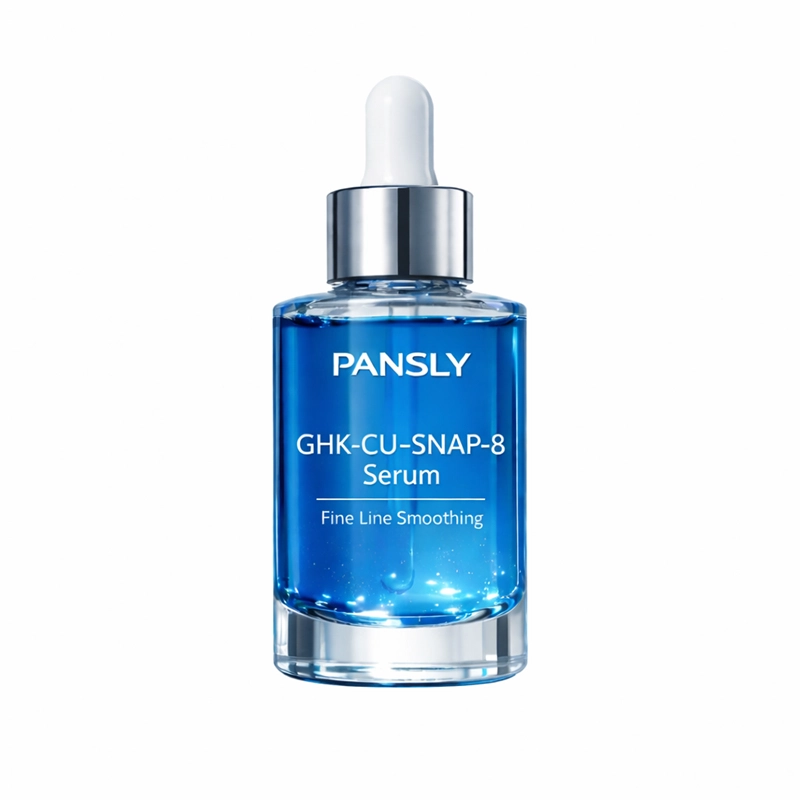
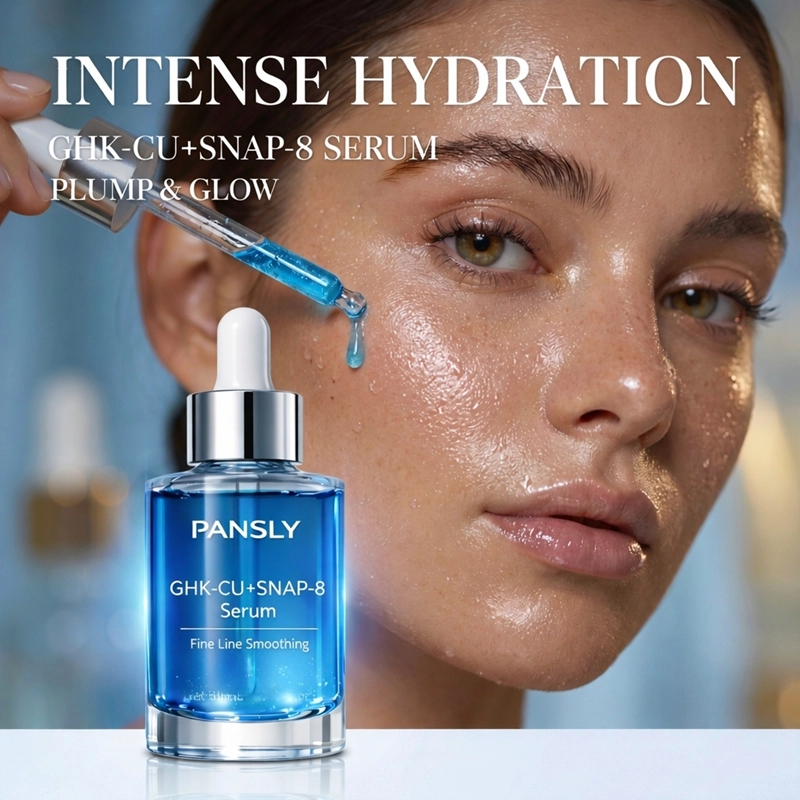
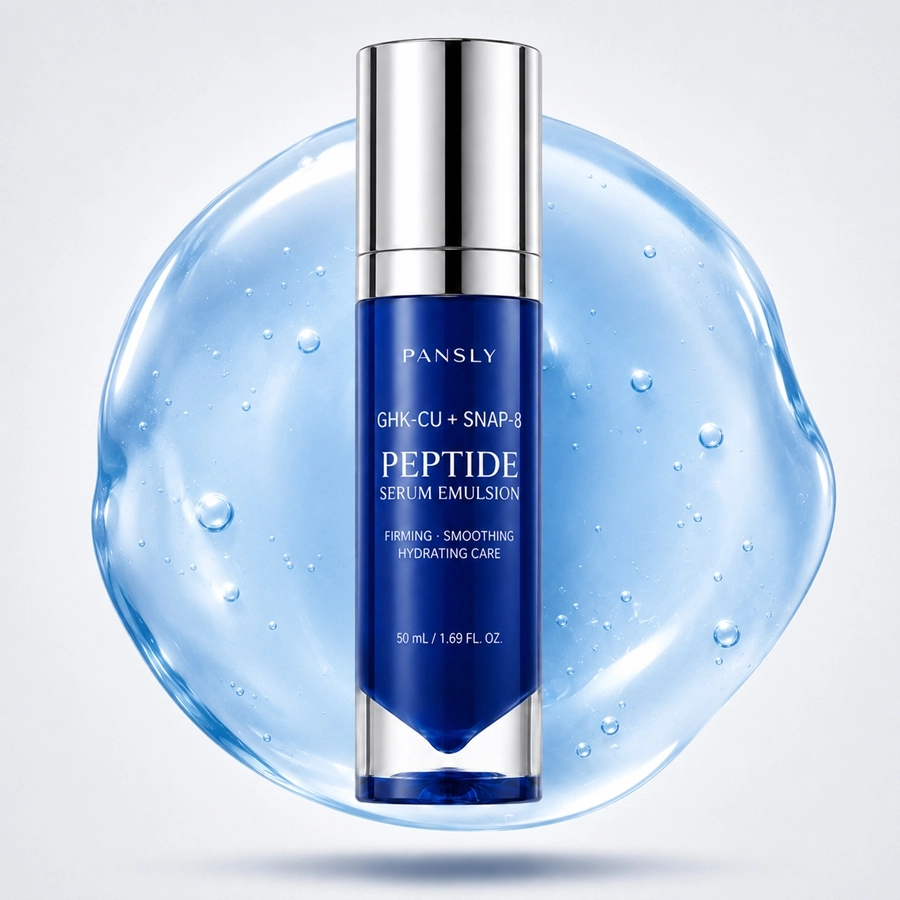
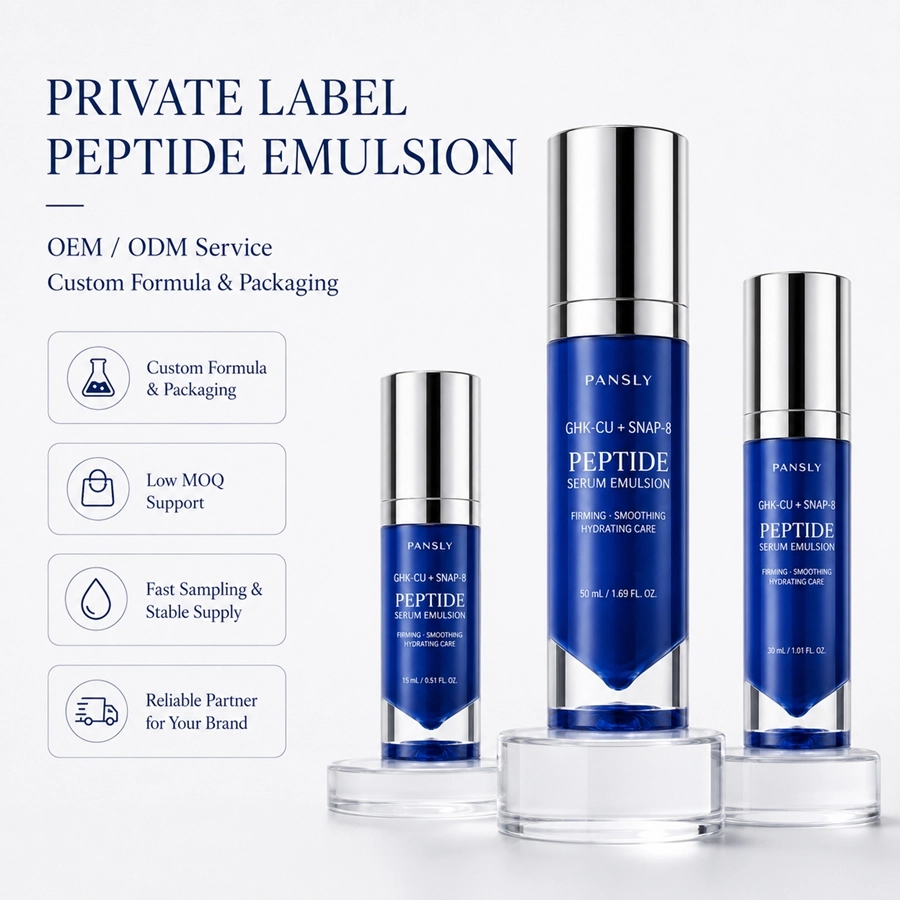
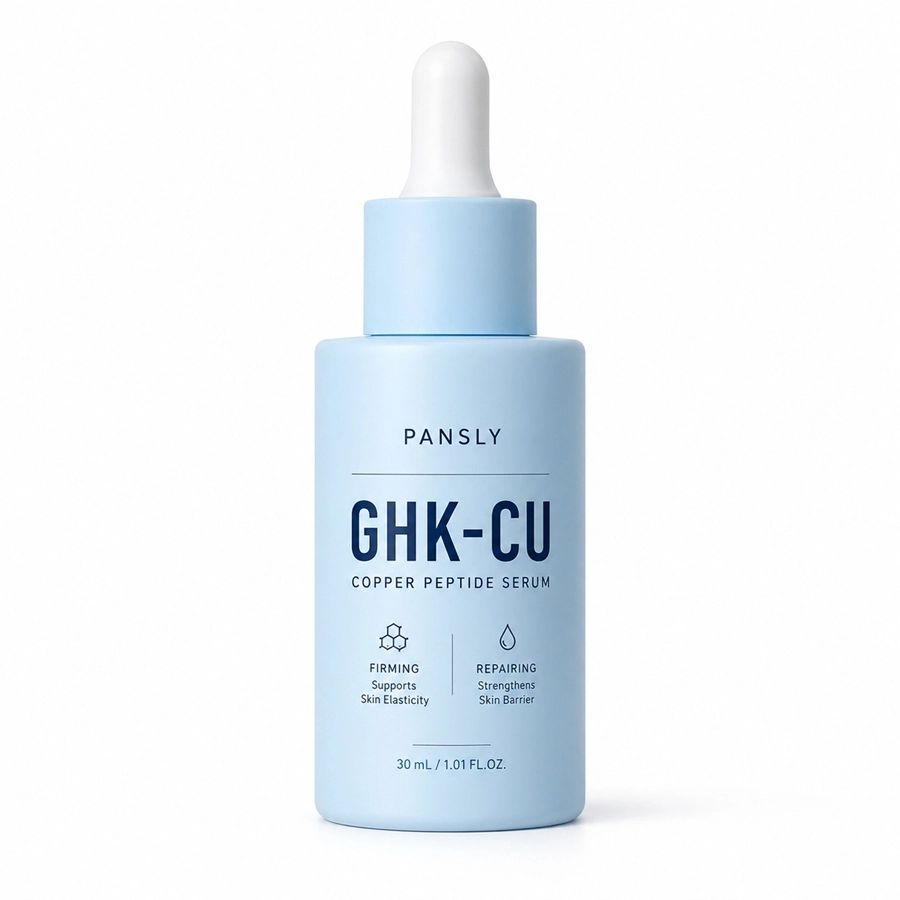
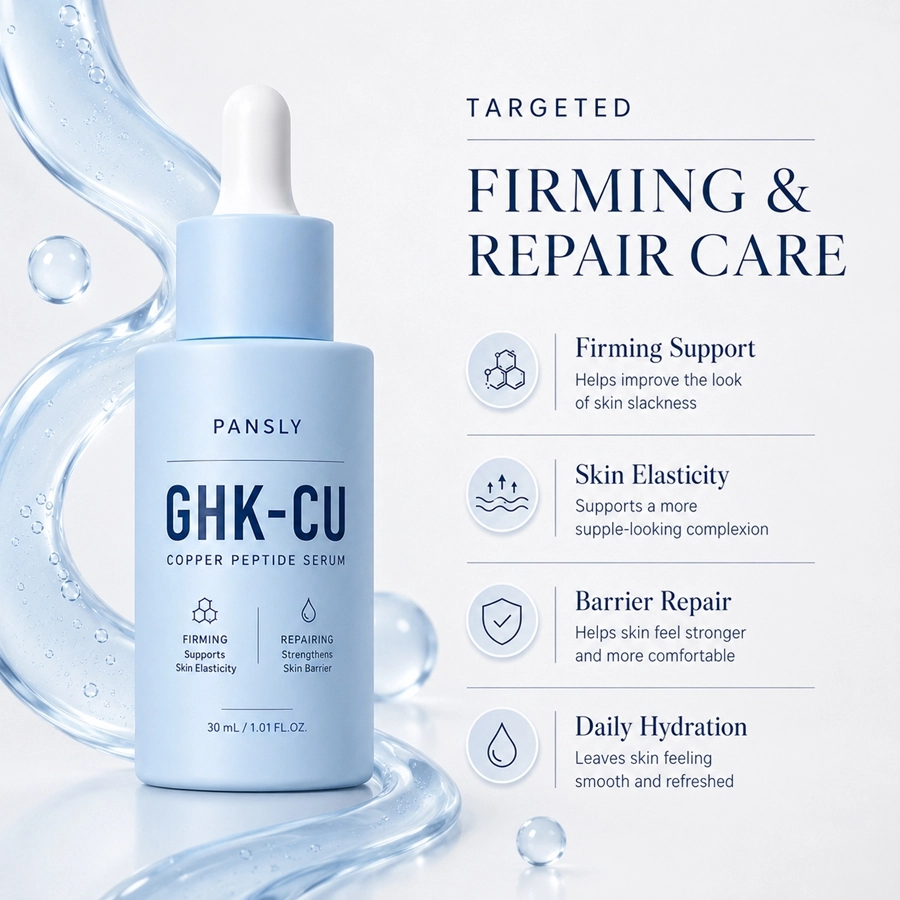
This Pansly GHK-CU + SNAP-8 Fine Line Smoothing Serum features premium dual-peptide complex formula to deliver multi-dimensional anti-aging skincare.
Formulated with two star peptide actives: GHK-CU Copper Peptide lifts sagging skin, boosts collagen production and enhances skin elasticity for firmer contour; SNAP-8 Anti-Wrinkle Peptide visibly smooths fine lines and wrinkles to fade expression creases. Complemented with Panthenol and Hyaluronic Acid, it provides soothing care and deep long-lasting hydration, revitalizing dull skin to restore a youthful radiant glow.
Lightweight watery texture absorbs quickly without sticky residue, suitable for daily anti-aging maintenance of all skin types.
Get in Touch with us
If you have any comments or good suggestions, please leave us a message; later our professional staff will contact you as soon as possible.
Click here to customize the Beauty
we respond within a few hours
Monday–Friday, 9AM–6PM
3A01, Building A, Zhisheng Square, No. 4 Zhifu Road, Helong Street, Baiyun District, Guangzhou, China.


Leave a request, and we'll email you back within 24 hours.
© 2026 Beyond Basix. All Rights Reserved.
