
What Is SNAP-8 and Why Is It Used in Anti-Wrinkle Serums?
Quick Answer
SNAP-8 is a cosmetic peptide commonly identified as Acetyl Octapeptide-3 and used to improve the appearance of expression lines. In a snap-8 anti-wrinkle serum, performance depends on peptide quality, effective-use level, formula pH, packaging, and claim substantiation. Beyond Basix can discuss OEM/ODM development and production options, but the final solution requires project-specific testing and site conditions.
How Beyond Basix Supports Projects
Beyond Basix Cosmetics Ltd. combines more than 23 years of manufacturing experience with 12 years focused on skincare containing functional ingredients. Its 12,000-square-meter facility includes a 100,000-level GMPC pharmaceutical-grade dust-free workshop and 12 production lines, supporting skincare OEM/ODM discussions from product concept through production planning.
For peptide-based anti-aging products, buyers can review formula direction, packaging compatibility, production requirements, documentation, and applicable certifications, including ISO 9001, GMP, HALAL, CE, and MSDS credentials. MOQ, lead time, testing scope, batch requirements, and quotation must be confirmed for each project rather than assumed from a sample formula.
Discuss Your SNAP-8 Serum Project
Share your target market, product format, desired texture, packaging type, target positioning, expected order volume, and regulatory requirements so suitable formula options, sample steps, testing needs, and production planning can be discussed. Visit www.beyondbasixcosmetics.com or email Lily@lanthome.com to begin your SNAP-8 serum project discussion.
Deep-Dive FAQs
What does SNAP-8 do in an expression-line serum?
SNAP-8 is commonly associated with the cosmetic ingredient Acetyl Octapeptide-3. It was designed around a sequence related to SNAP-25, a protein involved in the SNARE complex that participates in neurotransmitter vesicle fusion. Laboratory discussions therefore describe a potential influence on the appearance of expression-related lines. That mechanism should not be presented as muscle paralysis, an injectable treatment, or a clinical equivalent of botulinum toxin. For a topical serum, the commercially responsible position is cosmetic: the formula may help reduce the visible appearance of expression lines when used as directed, subject to the supplier’s evidence and the finished product’s substantiation.
Is SNAP-8 the same as Botox or a muscle relaxant?
No. SNAP-8 is a topical cosmetic peptide, while Botox refers to a regulated injectable botulinum toxin treatment administered by qualified medical professionals. A peptide serum does not deliver the same route of administration, pharmacology, dose control, or clinical outcome. The common marketing mistake is converting a biochemical analogy into a medical claim. Brands should use wording such as the appearance of expression lines or smoother-looking skin only when supported by appropriate product evidence. Regulatory review should also consider the target market, advertising channel, product concentration, directions for use, and whether the wording implies treatment of a medical condition.
Which formulation factors affect SNAP-8 peptide stability?
Peptide stability is influenced by the complete formula rather than the ingredient name alone. Development teams should assess pH, water activity, heat exposure, processing order, mixing conditions, preservatives, interactions with surfactants or charged ingredients, and container protection. Repeated freeze-thaw or high-temperature storage can be particularly informative during development, but the appropriate protocol depends on the intended market and packaging. The peptide should be added according to the raw-material supplier’s technical guidance, often with attention to temperature and shear. Finished-product testing should examine appearance, odor, pH, microbiological quality, package compatibility, and peptide-related performance where an appropriate analytical method is available.
How should brands validate claims for SNAP-8 products?
Claim validation should begin with the exact consumer statement, not with a generic ingredient brochure. A brand should document the raw material identity, supplier evidence, use level, finished-formula data, application directions, and the conditions under which any consumer or instrumental result was obtained. Claims such as wrinkle reduction, line smoothing, or visible improvement require wording and evidence proportionate to their strength. A formula containing SNAP-8 is not automatically supported for every anti-aging claim. Buyers should request relevant technical documentation, review the applicable cosmetic-claims rules in each target market, and avoid before-and-after imagery or language that suggests injection-like or therapeutic effects without suitable substantiation.
Can SNAP-8 suit sensitive-skin anti-aging formulations?
It may be considered, but the peptide itself does not make a finished product suitable for sensitive skin. Suitability depends on the entire composition, including fragrance, alcohol, acids, preservatives, solvents, pH, and the user’s exposure pattern. A milder concept should be evaluated through formula review, compatibility work, preservative assessment, and appropriate safety or tolerance testing for the intended market. Avoid promising that the product is non-irritating based only on the active ingredient. For positioning, brands should define whether they are targeting general anti-aging use, reactive-skin consumers, or a fragrance-free segment, because each direction affects ingredient selection, packaging, instructions, and substantiation.
What should OEM buyers check before ordering peptide serum?
Before placing a bulk order, buyers should confirm the ingredient’s INCI name, supplier identity, specification, assay or activity information where supplied, recommended use conditions, storage requirements, and documentation package. They should also approve a master formula, packaging system, batch size, release specifications, sampling procedure, and acceptance criteria for appearance, odor, pH, viscosity, microbiology, and fill volume. MOQ and lead time should be tied to the selected formula, component availability, testing plan, and production schedule. A finished sample is not sufficient evidence of long-term stability or claim performance, so the buyer should agree in writing on stability scope, regulatory documents, artwork responsibilities, and change-control expectations.
Related Articles for Private Label Cosmetics
Why Two Mineral Sunscreens With the Same SPF Can Feel Completely Different
Beyond Ordinary Tallow Balm: How GHK-Cu and SNAP-8 Create a Different Skincare Story
When Blue Copper Peptides Meet Beef Tallow: A New Direction for Premium Skincare
PDRN Toner Pads vs GHK-Cu + SNAP-8 Peptide Toner Pads: Private Label Manufacturing Decisions
You May Also Like
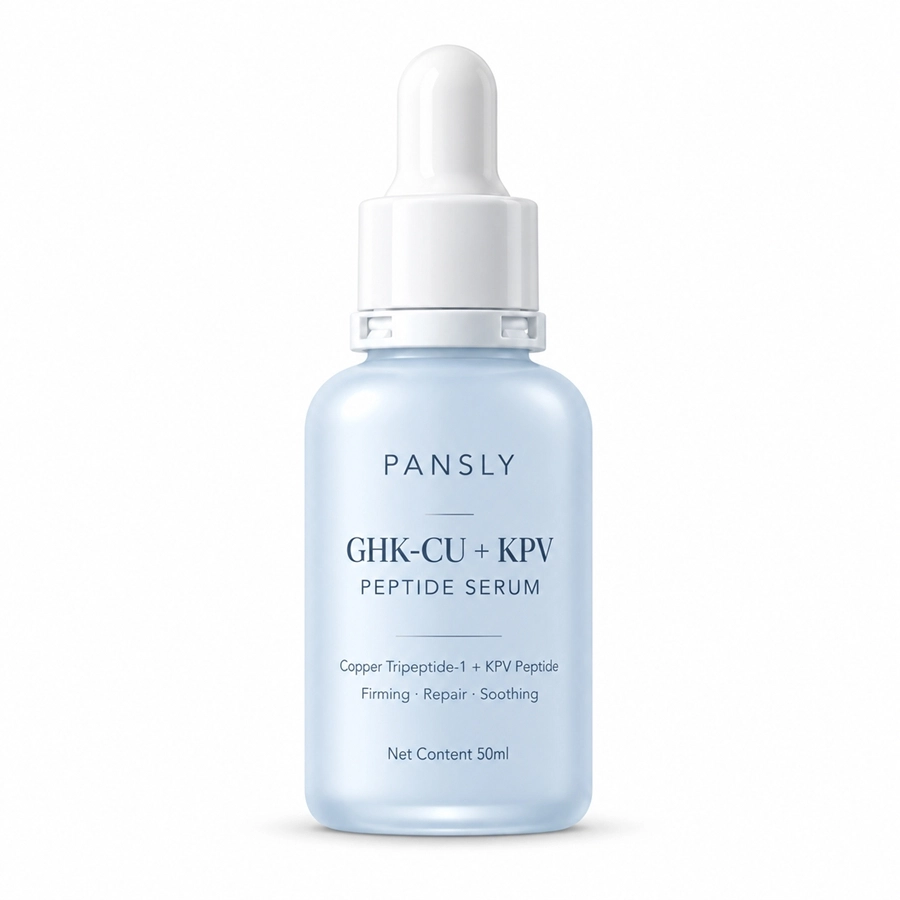
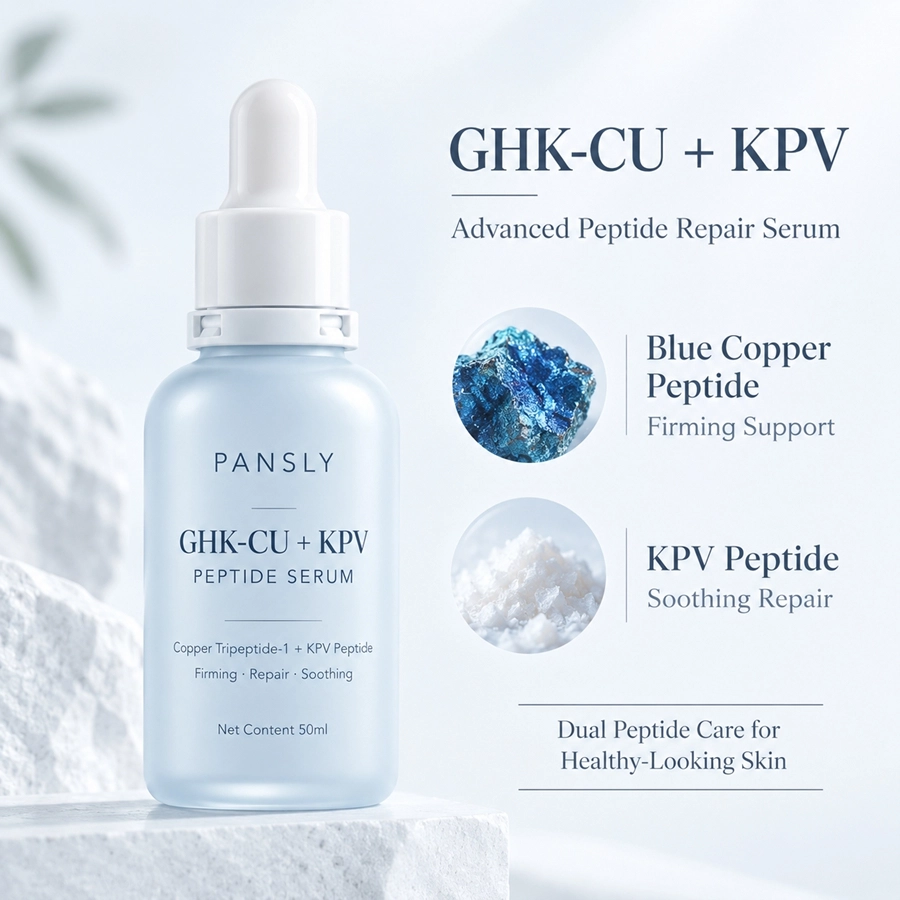
GHK-Cu KPV serum for skin is a private-label peptide face serum formulated for a firming, smoothing routine. This GHK-CU KPV Serum is positioned for wrinkle care and skin repair, making it a practical addition to an anti-aging skincare range.
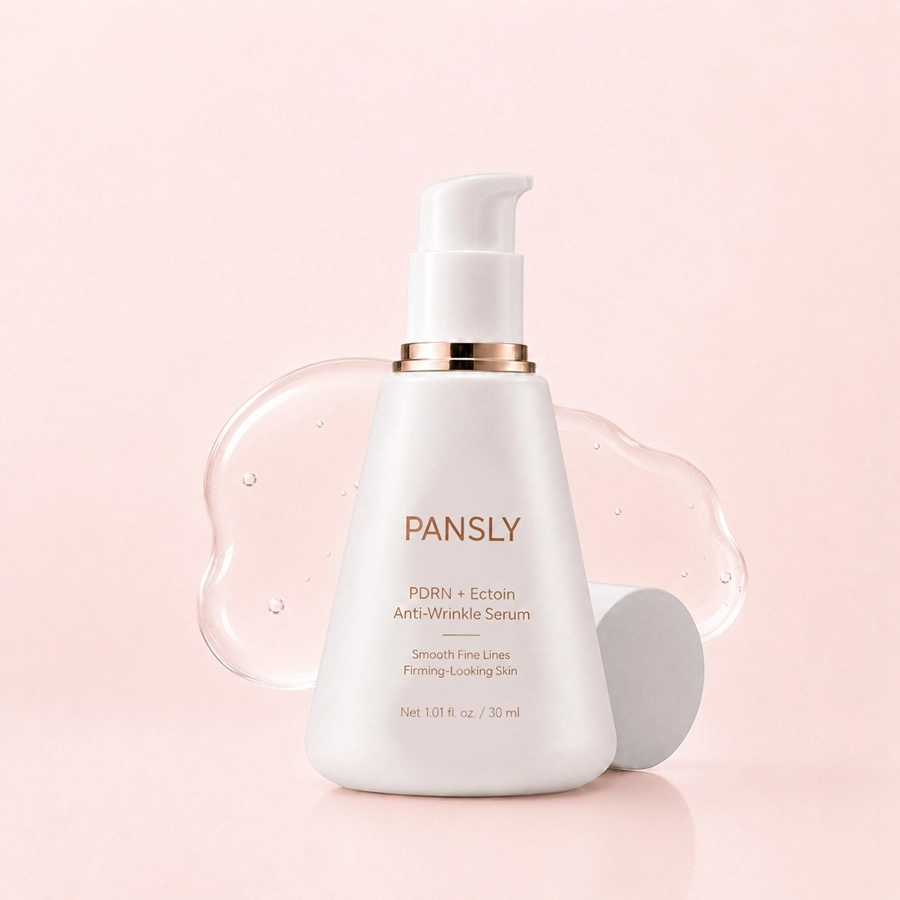
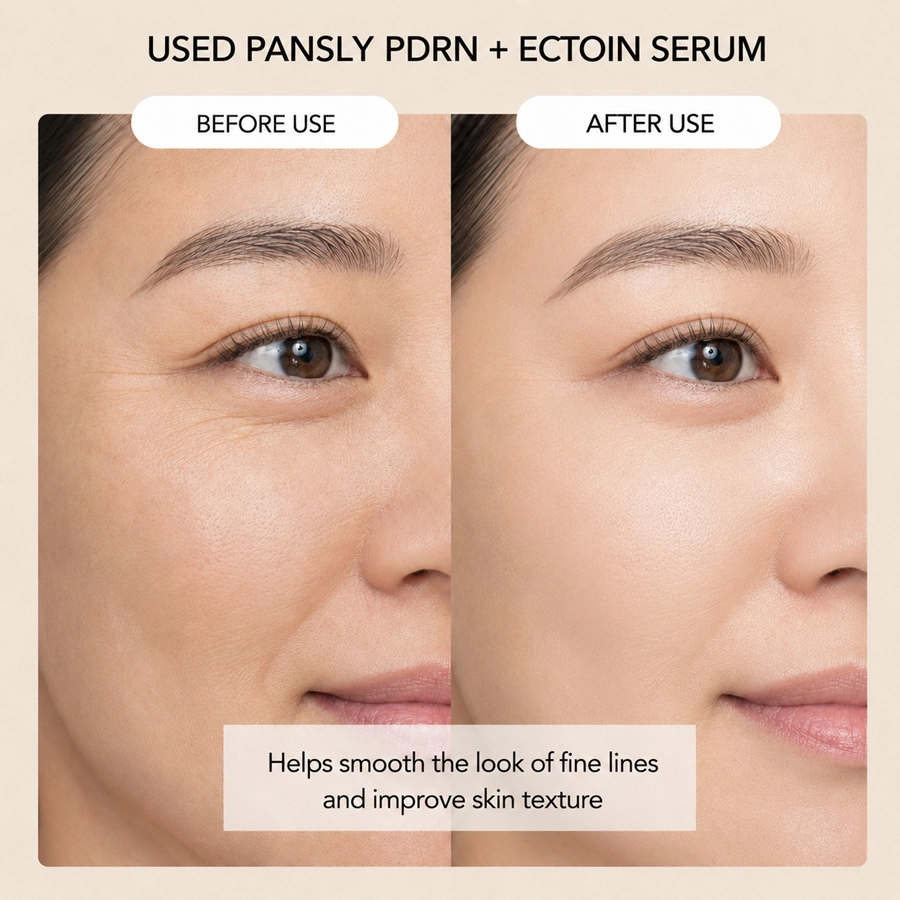
This Pansly PDRN + Ectoin Anti-Wrinkle Serum is lightweight daily anti-aging essence targeting fine lines, dryness and sensitive stressed skin.
Powered by triple core active ingredients: PDRN delivers anti-wrinkle care to visibly smooth the appearance of fine lines and lift skin for firmer contour; Ectoin reinforces skin moisture barrier, relieves discomfort and maintains long-term skin comfort; Hyaluronic Acid provides lasting lightweight hydration to keep skin fresh and silky smooth all day.
With fresh, fast-absorbing non-sticky serum texture, it fits morning & night daily routine. After consistent use, it refines uneven rough texture, fades visible dry lines and restores soft, youthful resilient complexion. Simple 3-step application for easy home skincare.
Get in Touch with us
If you have any comments or good suggestions, please leave us a message; later our professional staff will contact you as soon as possible.
Click here to customize the Beauty
we respond within a few hours
Monday–Friday, 9AM–6PM
3A01, Building A, Zhisheng Square, No. 4 Zhifu Road, Helong Street, Baiyun District, Guangzhou, China.


Leave a request, and we'll email you back within 24 hours.
© 2026 Beyond Basix. All Rights Reserved.
