
Which PDRN Product Should a New Skincare Brand Launch First?
Quick Answer
For most new brands, a well-designed PDRN serum is the strongest first launch because it supports clear positioning, controlled usage, and flexible routine placement. Private label PDRN skincare development should be guided by ingredient specification, formula stability, packaging compatibility, substantiated claims, and target-market requirements. Beyond Basix can support formulation and manufacturing evaluation, but the final solution depends on project objectives, testing, and site conditions.
How Beyond Basix Supports Projects
Beyond Basix supports PDRN skincare projects through OEM/ODM development, ingredient-focused formulation work, production in a 12,000-square-meter facility, and quality systems including ISO 9001 and GMP-related manufacturing controls. Its experience developing effective-ingredient skincare can help brands compare serum, mask, cream, and other launch formats according to the intended market position.
Buyers should confirm the PDRN raw-material specification, target claims, formula texture, packaging format, target market, and required testing scope before quotation. MOQ, lead time, testing scope, and pricing must be confirmed for each project because they depend on the selected formula, packaging, documentation, and order conditions.
Discuss Your First PDRN Product Launch
Send your target market, customer profile, preferred product format, expected retail price, target order quantity, packaging direction, and desired claims. These details allow suitable options, sample development steps, testing requirements, and launch documentation to be discussed more efficiently. Visit www.beyondbasixcosmetics.com or email Lily@lanthome.com to discuss your first PDRN skincare project.
Frequently Asked Questions
Should a serum or mask be my first PDRN product?
A serum is often the more adaptable first format because consumers can place it within an existing routine and brands can build a clear leave-on product story around texture, application, and usage frequency. A mask may be easier to merchandise as a trial or intensive-care item, but it can create higher packaging, saturation, and single-use cost considerations. The decision should follow the target channel, price architecture, consumer behavior, and formula stability rather than the popularity of a format. A new brand should compare expected repeat purchase, shipping conditions, product education needs, and claim substantiation before selecting the first SKU.
What PDRN concentration can a beginner brand responsibly claim?
There is no universally correct concentration that guarantees a cosmetic outcome. The commercially relevant question is whether the raw material has a documented specification, reliable supplier documentation, suitable purity and molecular characterization, and compatibility with the finished formula. Brands should avoid treating a higher percentage as automatic evidence of superior performance. Claims must reflect the finished product and be supported by appropriate evidence for the intended market; ingredient-level research does not automatically validate a finished cosmetic claim. The manufacturer and brand should agree on the test plan, claim wording, and documentation before final artwork is approved.
Does PDRN source determine cosmetic product positioning and compliance?
Source can influence positioning, documentation, consumer acceptance, traceability, and market restrictions, but it does not independently establish product efficacy. PDRN materials may differ in origin, purification process, molecular profile, carrier system, and supplier specifications. A brand should verify origin statements, allergen and animal-derived considerations, batch documentation, storage requirements, and compatibility with the destination market. Marketing language should describe the cosmetic function supported by the finished formula instead of implying medical, injectable, tissue-repair, or clinical treatment effects. Regulatory review is market-specific, so the same wording may not be suitable across countries.
How should new brands validate PDRN claims before launch?
Begin with a claims matrix linking each proposed statement to evidence, product composition, test method, and target-market rules. Separate ingredient information from finished-product evidence: a supplier's technical paper may explain the raw material, while stability, safety, instrumental, consumer-use, or other appropriate testing may be needed for claims about the finished product. Review packaging copy, website language, influencer scripts, and retailer descriptions together because risk can arise from the overall impression, not only one sentence. Keep batch records, specifications, test reports, and approved wording organized so the brand can respond consistently to buyers, distributors, or regulators.
Which packaging best protects a PDRN formula during distribution?
The correct package depends on the complete formula rather than the PDRN name alone. Evaluate light exposure, oxygen sensitivity, water activity, viscosity, preservative system, dispensing accuracy, transport temperature, and consumer opening behavior. Airless pumps or opaque containers may be considered where testing shows they improve protection and dosage control, while a dropper may suit a different texture and positioning. Conduct compatibility, stability, leakage, transport, and in-use assessments using the proposed primary package. Packaging should be selected before final production planning because changes can affect filling equipment, component MOQ, lead time, and the finished product's cost.
What MOQ and testing costs affect a first PDRN launch?
The main cost drivers include the selected raw material specification, formula complexity, pilot and stability work, safety or efficacy testing, packaging components, artwork requirements, filling format, and production quantity. MOQ is not a fixed industry number; it can vary between bulk formula, bottles, cartons, labels, and special components. Ask for a quotation that separates development, testing, packaging, and manufacturing assumptions. A staged launch can reduce unnecessary inventory by using standard components and a focused claim set, but the brand should not remove essential testing merely to meet a lower initial budget. Confirm lead time after formula, package, documentation, and order quantities are fixed.
Related Articles for Private Label Cosmetics

Why Two Mineral Sunscreens With the Same SPF Can Feel Completely Different

Beyond Ordinary Tallow Balm: How GHK-Cu and SNAP-8 Create a Different Skincare Story

When Blue Copper Peptides Meet Beef Tallow: A New Direction for Premium Skincare

PDRN Toner Pads vs GHK-Cu + SNAP-8 Peptide Toner Pads: Private Label Manufacturing Decisions
You May Also Like
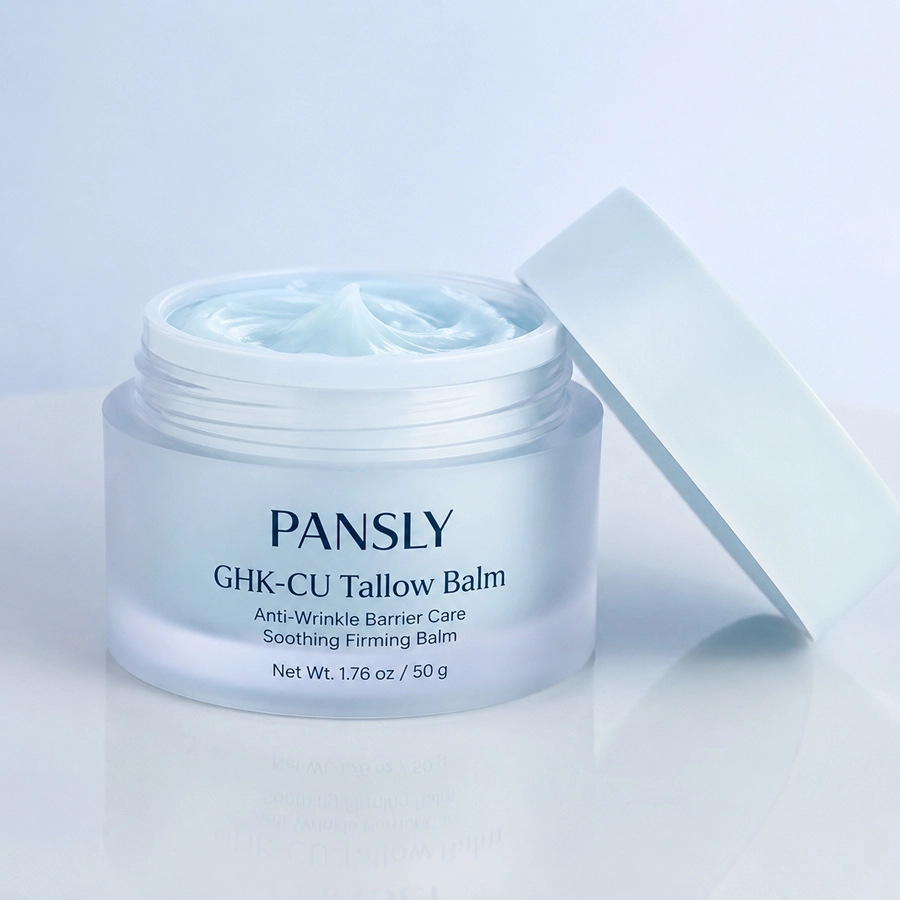
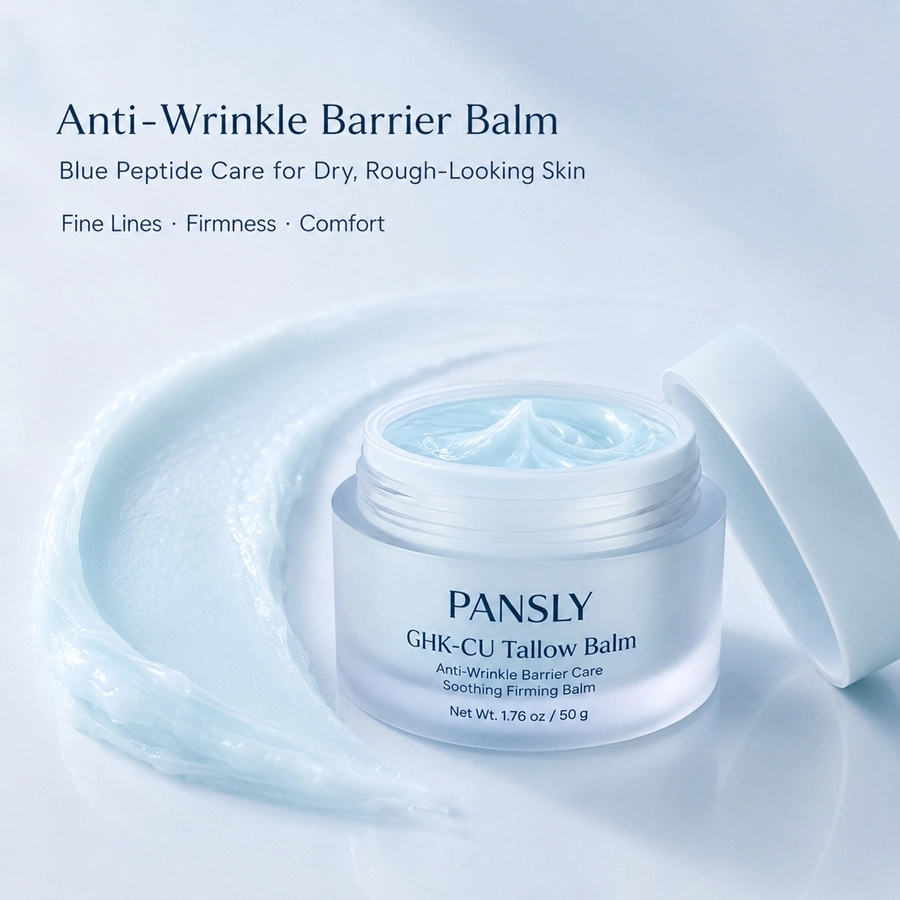
This Pansly GHK-CU + SNAP-8 Grass-Fed Tallow Anti-Wrinkle Barrier Balm is dual-peptide nourishing anti-wrinkle balm, specially developed for dry, rough textured skin, targeting fine lines, sagging contours and weakened skin barrier. Full OEM & ODM private label support is offered, including formula customization, packaging selection, fast sampling and bulk supply.
Five core premium active ingredients work synergistically for multi-dimensional skin care:
GHK-CU Copper Peptide lifts and firms loose skin to boost skin tightness and smooth fine lines;
SNAP-8 Peptide softens expression lines to reduce wrinkle visibility;
Grass-Fed Tallow delivers rich lipid nourishment to relieve persistent dry flaky rough skin;
Ceramide NP reconstructs skin moisture barrier to enhance skin comfort and resilience;
Squalane melts lightly into skin to provide silky long-lasting hydration.
Luxury rich light blue cushion balm texture glides smoothly and absorbs quickly without heavy greasy residue. Daily use improves dry rough texture, blurs dry fine lines, lifts saggy skin and stabilizes skin barrier, leaving skin soft, calm and smooth with healthy supple glow.
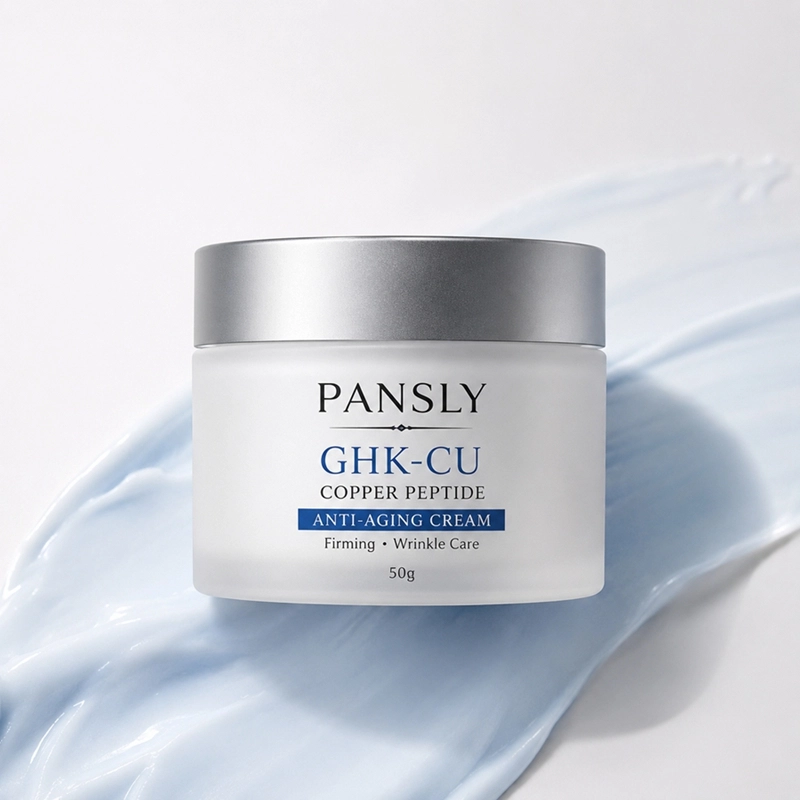
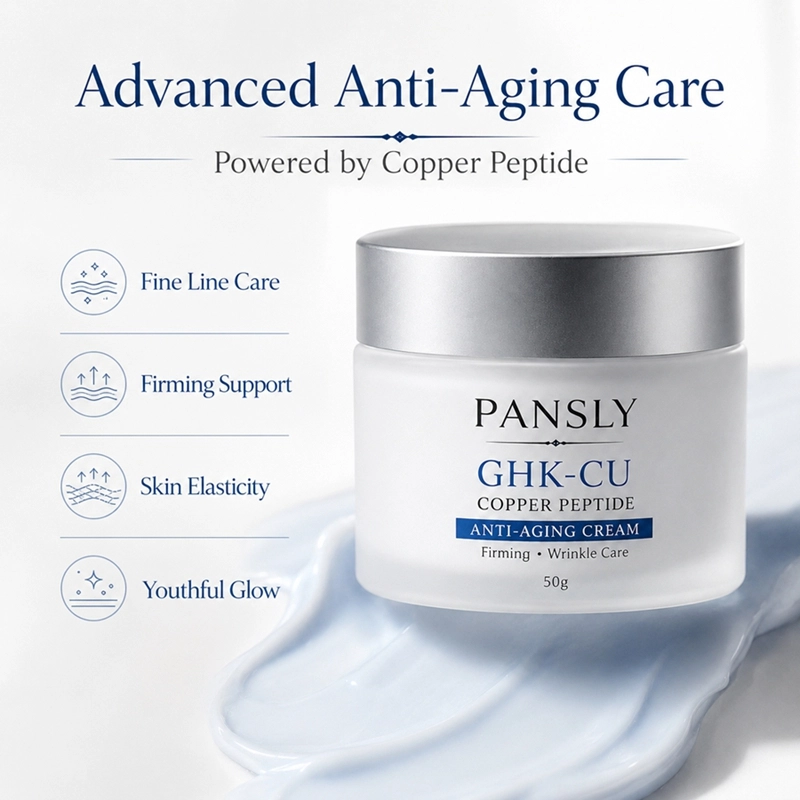
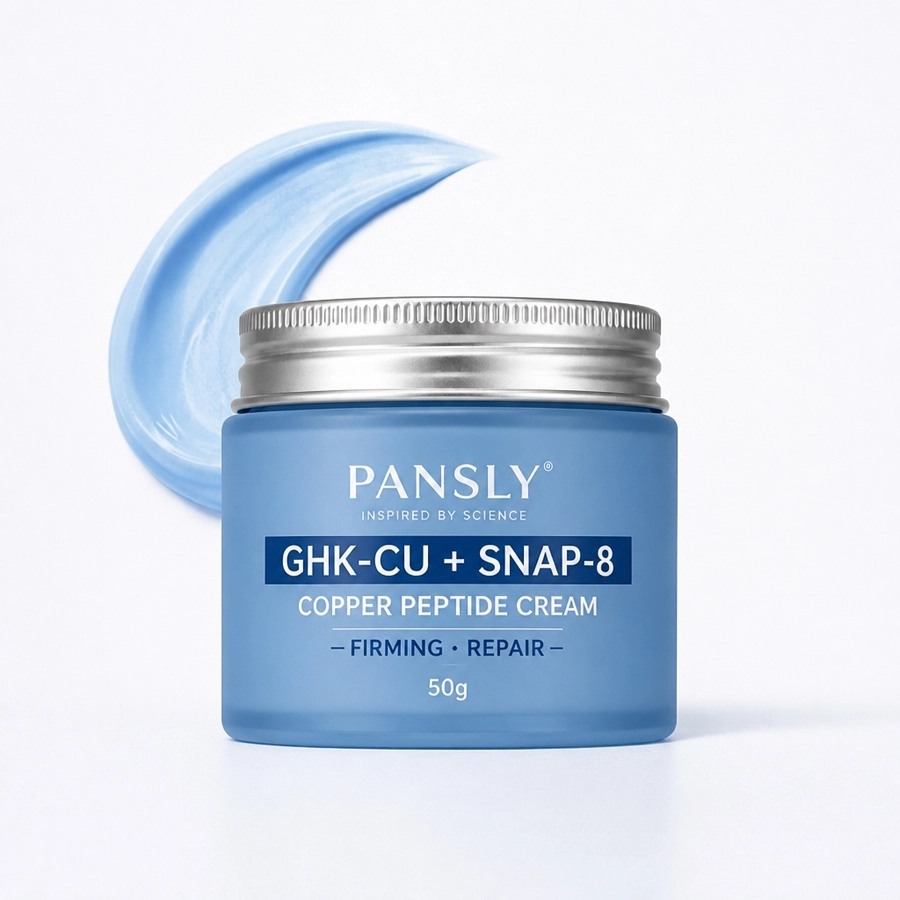
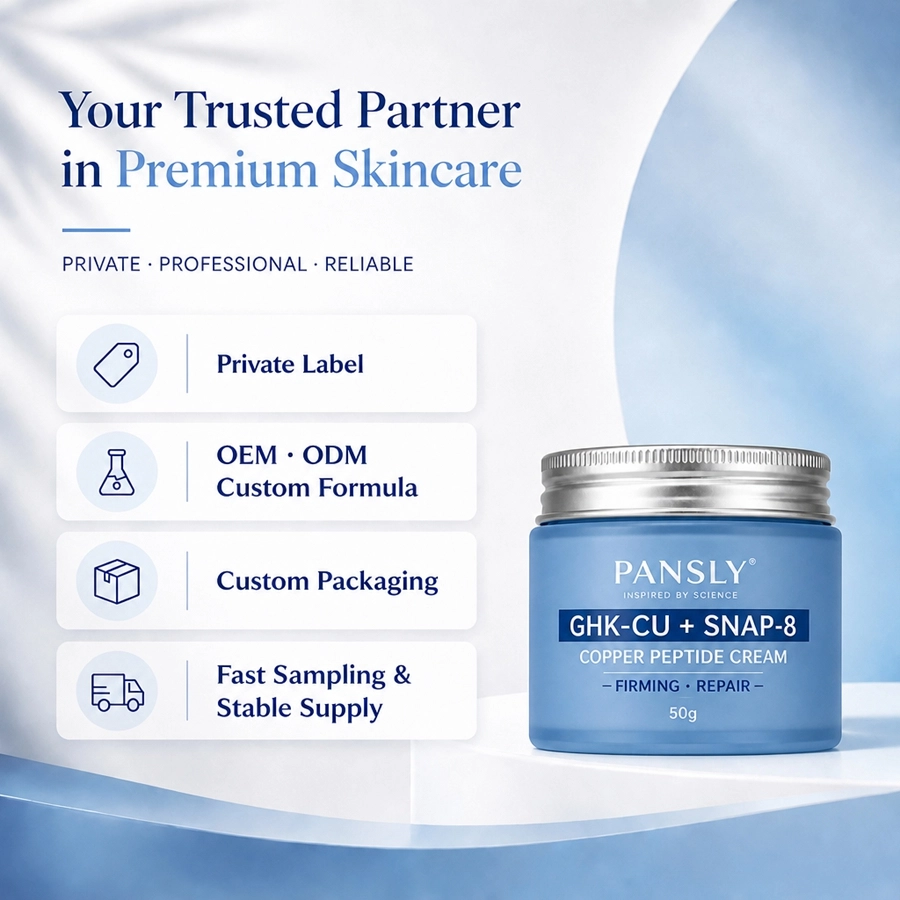
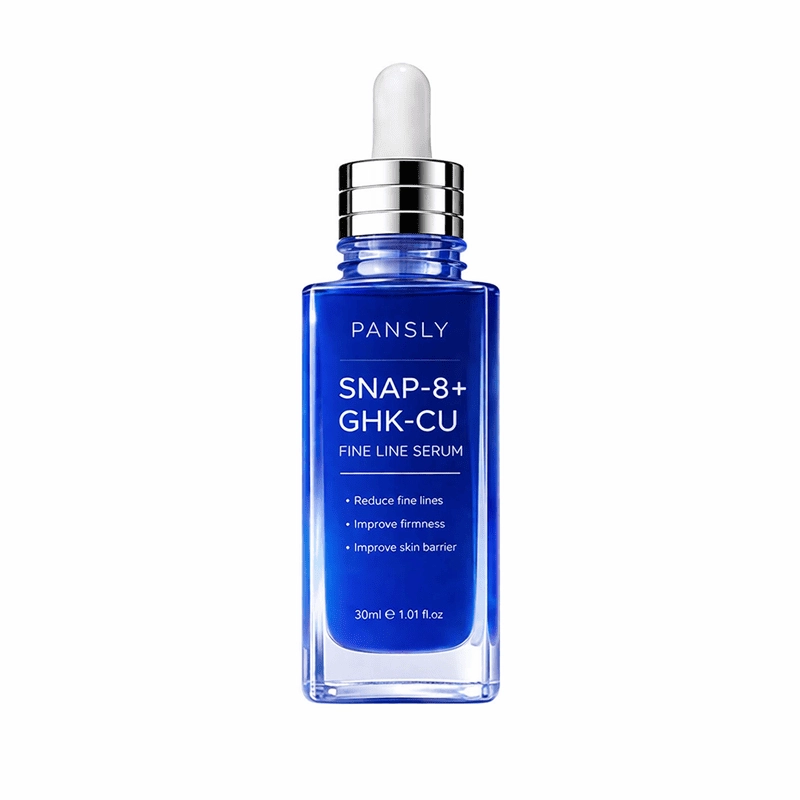
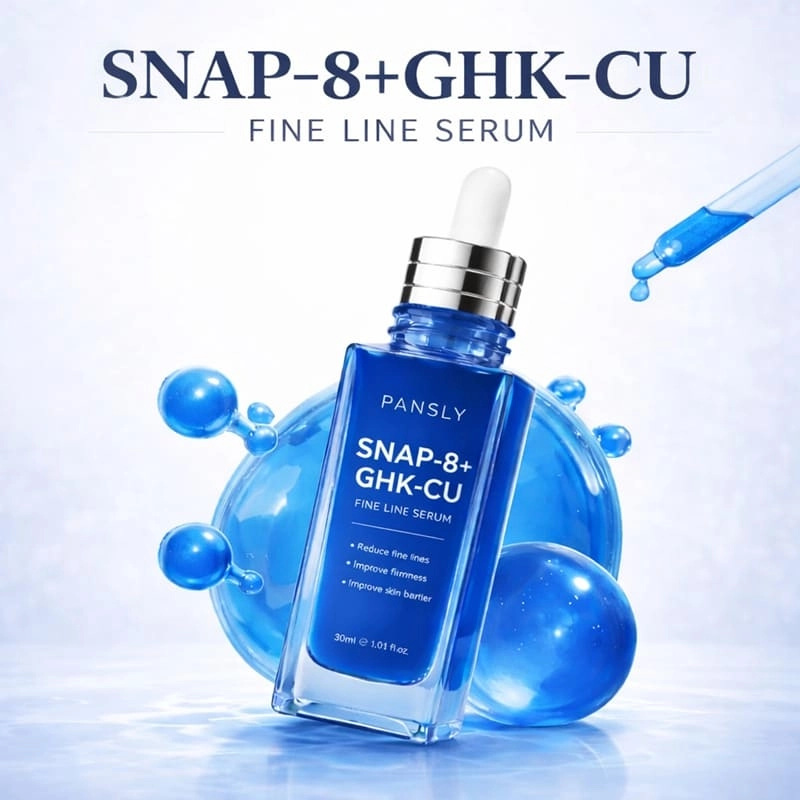
Private label GHK-Cu + SNAP-8 copper peptide serum for beauty brands developing peptide-led anti-aging and expression-line skincare. The formula combines a copper-peptide ingredient story with SNAP-8 positioning and can be discussed with custom texture, supporting skincare ingredients and packaging options.
Beyond Basix supports OEM/ODM sample development, packaging coordination and production planning. Final ingredient levels, claims, MOQ and lead time are confirmed according to the approved formula, target market and order requirements.
Get in Touch with us
If you have any comments or good suggestions, please leave us a message; later our professional staff will contact you as soon as possible.
Click here to customize the Beauty
we respond within a few hours
Monday–Friday, 9AM–6PM
3A01, Building A, Zhisheng Square, No. 4 Zhifu Road, Helong Street, Baiyun District, Guangzhou, China.


Leave a request, and we'll email you back within 24 hours.
© 2026 Beyond Basix. All Rights Reserved.
