
Which Peptide Skincare Product Should a New Beauty Brand Launch First?
Which Peptide Skincare Product Should a New Beauty Brand Launch First?
Quick Answer
A new beauty brand will often find a peptide serum the most practical first launch because it communicates the active ingredient clearly, supports controlled dosage design, and fits varied skincare routines. Beyond Basix can support private label peptide skincare selection through OEM/ODM formulation and production capabilities. Compare peptide type, texture, packaging compatibility, stability, target-market claims, and expected MOQ. The final solution depends on the specific project, testing results, and site conditions.
How Beyond Basix Supports Projects
Beyond Basix supports peptide projects through formulation development, OEM/ODM production, packaging coordination, and quality-control processes. Guangzhou Beyond Basix Cosmetics Ltd. has 23 years of experience in research, production, and sales, with a 12,000-square-meter facility, a 100,000-level GMPC pharmaceutical-grade dust-free workshop, and 12 production lines. The company develops skincare products with effective ingredients and operates four brands: LANTHOME, PANSLY, FIRSTSUN, and SAUVASINE.
Before quotation, buyers should confirm the peptide or peptide combination, product format, target market, packaging system, claims direction, sample requirements, and forecast volume. MOQ, lead time, testing scope, and quotation must be confirmed for each project. Available documentation may include relevant product specifications and applicable compliance materials, with the required scope agreed during development.
Discuss Your First Peptide Product Launch
Send your target market, customer profile, preferred product format, peptide concept, packaging preference, intended claims, and estimated order volume. Beyond Basix can discuss suitable formulation directions, sample evaluation steps, packaging compatibility, documentation, and production planning. Visit www.beyondbasixcosmetics.com or email Lily@lanthome.com to define your peptide launch project.
Frequently Asked Questions
Which peptide product is easiest for a first launch?
A serum is often the most manageable starting format because its purpose, application method, and active concept are easy to communicate. It also allows a brand to position the product around hydration, visible lines, firmness, or barrier support without requiring the heavier sensory profile of a cream. However, the format should follow the selected peptide’s compatibility, recommended use level, pH tolerance, preservation system, and packaging requirements. A new brand should request a prototype with a defined INCI list and evaluate stability, odor, color, spread, residue, and package interaction before deciding. A serum is not automatically the correct choice when the target market prefers richer textures or when the selected active has limited compatibility in a lightweight base.
How should beginners compare peptide serum and cream formats?
Compare the formats by consumer use case rather than by the word peptide alone. A serum generally offers a lighter sensory experience and can be layered under other products, while a cream provides emollient and occlusive characteristics that may support dry-skin positioning. The formula architecture affects peptide protection, preservative performance, viscosity, filling accuracy, and packaging selection. Buyers should compare the complete formula, not only the peptide percentage, because delivery claims are influenced by the ingredient’s form, vehicle, pH, and finished-product stability. Ask the manufacturer to provide side-by-side samples using the same evaluation criteria: absorption time, tackiness, pilling, fragrance, appearance, container compatibility, and performance after stability testing.
What peptide claims can private-label brands substantiate responsibly?
Claims must be supported by the finished product, the target market’s regulations, and suitable evidence. Cosmetic wording such as helping skin feel hydrated, smoother, or more supple may be appropriate when supported by formula characteristics and testing. Stronger statements about rebuilding collagen, treating wrinkles, changing skin structure, or producing medical results can create regulatory risk. In the European Union, Regulation (EC) No 1223/2009 and the related common criteria for cosmetic claims require claims to be truthful and evidence-based. In the United States, intended use influences whether a product remains a cosmetic or enters drug-claim territory. Confirm the claim language, substantiation plan, product information file requirements, and label review before artwork approval.
Which testing is needed before selling a peptide skincare product?
A responsible testing plan normally considers safety, stability, preservation, packaging, and claim support. Depending on the formula and market, this can include microbiological quality testing, preservative efficacy testing, accelerated and real-time stability studies, compatibility testing with the primary package, and human-use or instrumental testing for specific cosmetic claims. Stability work should monitor appearance, odor, color, pH, viscosity, microbial status, and active-related indicators where technically applicable. Testing requirements vary by country and product type; there is no single universal test package for every peptide formula. The manufacturer and brand owner should define acceptance criteria before production, retain batch records, and confirm which party owns each compliance document.
How do MOQ and stability affect a peptide launch budget?
MOQ influences the cash tied up in bulk ingredients, packaging, finished goods, and testing samples. Stability can affect the budget because a new formula may require multiple prototype rounds, package evaluations, and observation periods before commercial release. Peptides can also have different sensitivity to pH, heat, oxidation, light, water activity, and interactions with other ingredients, so the lowest-cost base is not necessarily the lowest-risk option. Request a staged quotation covering development samples, testing, packaging components, filling, and bulk production. A demand forecast, acceptable package options, and a realistic launch schedule help the manufacturer assess whether a small initial order or a standard production run is more suitable.
Can one peptide formula serve every target market?
A single base formula may be adaptable across markets, but one finished formula and label cannot be assumed compliant everywhere. Countries can differ in ingredient restrictions, labeling conventions, required product documentation, claim expectations, language, responsible-person obligations, and notification systems. The selected peptide may also have different supplier documentation or naming requirements. Start by identifying the first sales territory, then screen the ingredient list, claims, packaging text, and required safety or technical files for that market. If expansion is planned, formulate with foreseeable regional differences in mind, but validate each destination separately. A manufacturer can discuss a flexible base, yet market approval remains dependent on the brand’s regulatory review and the destination’s applicable rules.
Related Articles for Private Label Cosmetics

Why Two Mineral Sunscreens With the Same SPF Can Feel Completely Different

Beyond Ordinary Tallow Balm: How GHK-Cu and SNAP-8 Create a Different Skincare Story

When Blue Copper Peptides Meet Beef Tallow: A New Direction for Premium Skincare

PDRN Toner Pads vs GHK-Cu + SNAP-8 Peptide Toner Pads: Private Label Manufacturing Decisions
You May Also Like
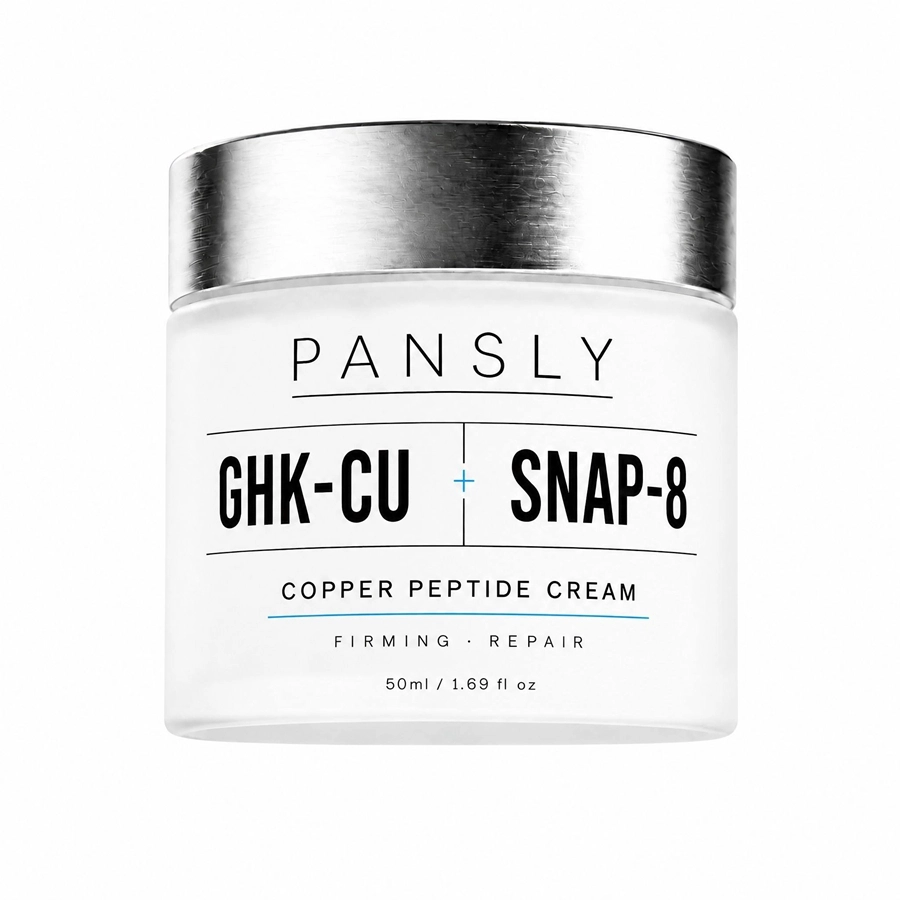
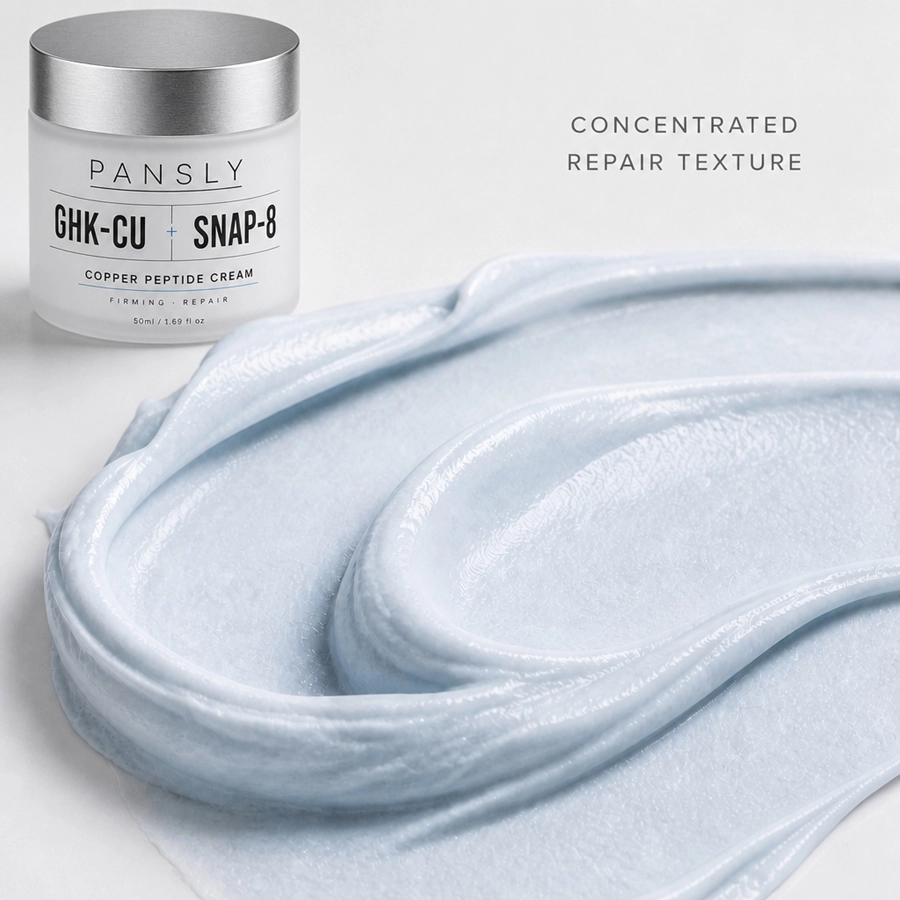
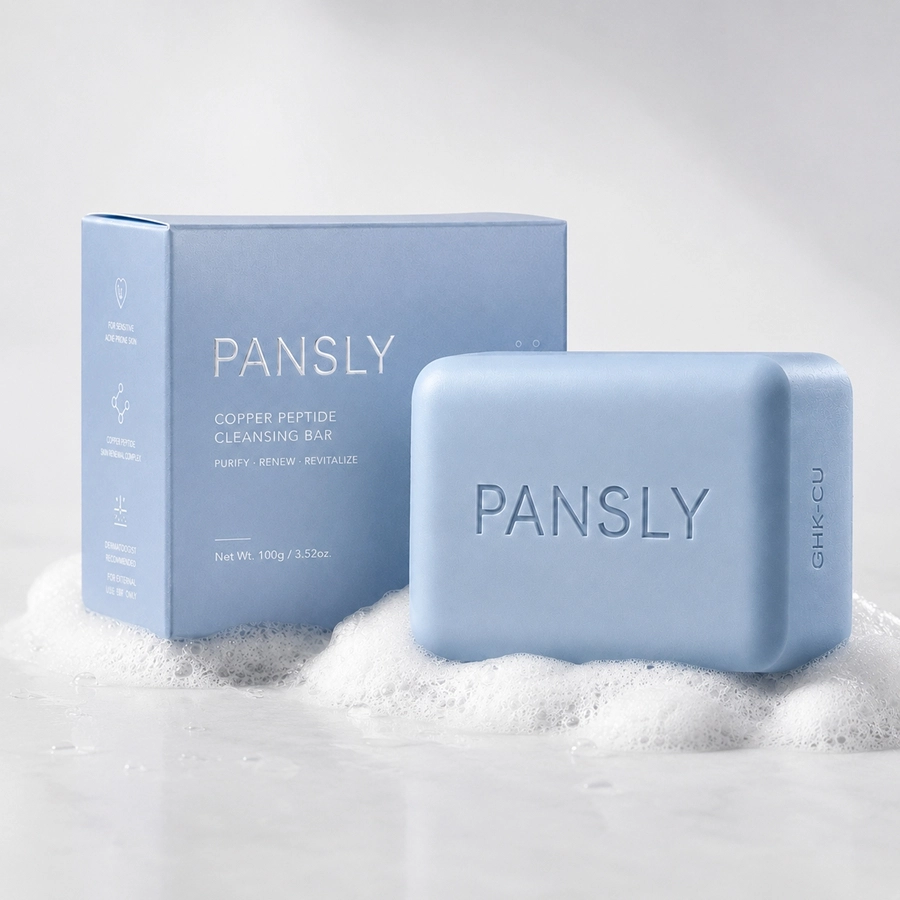
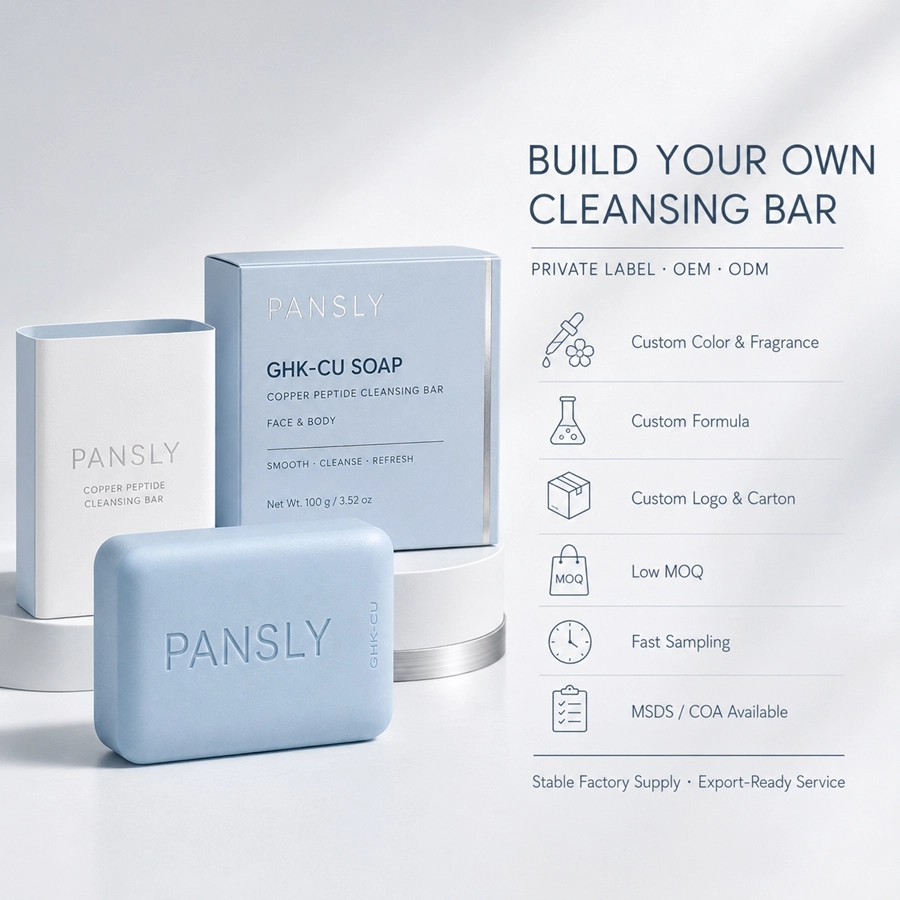
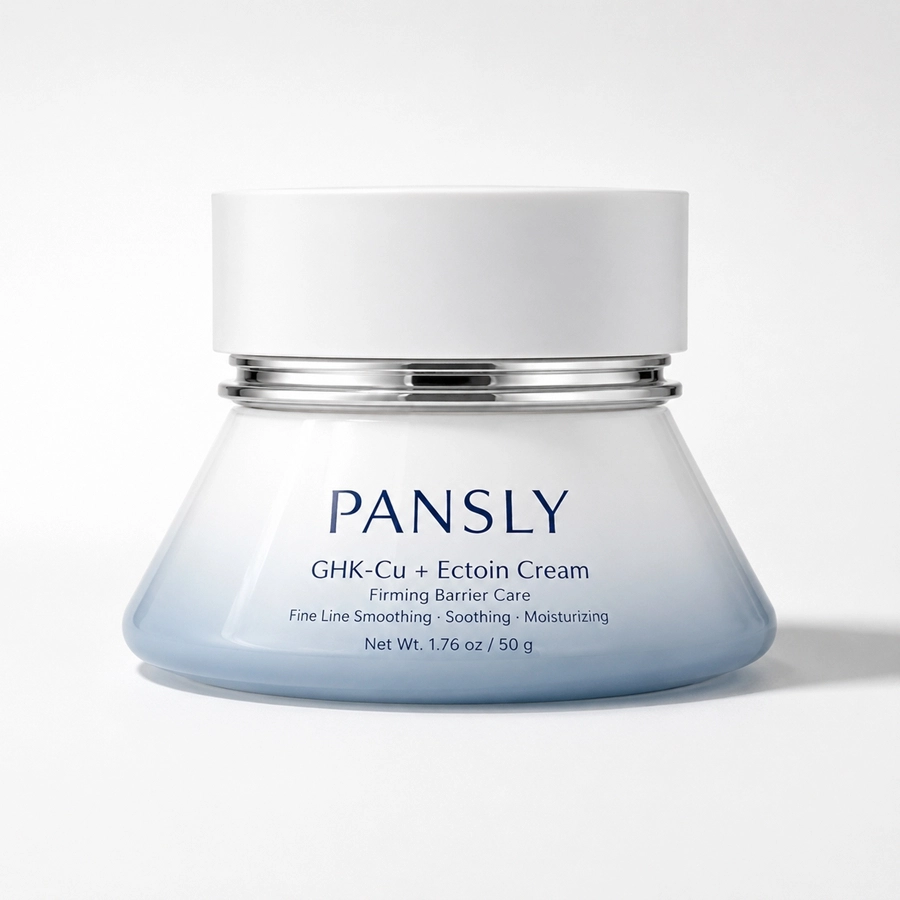
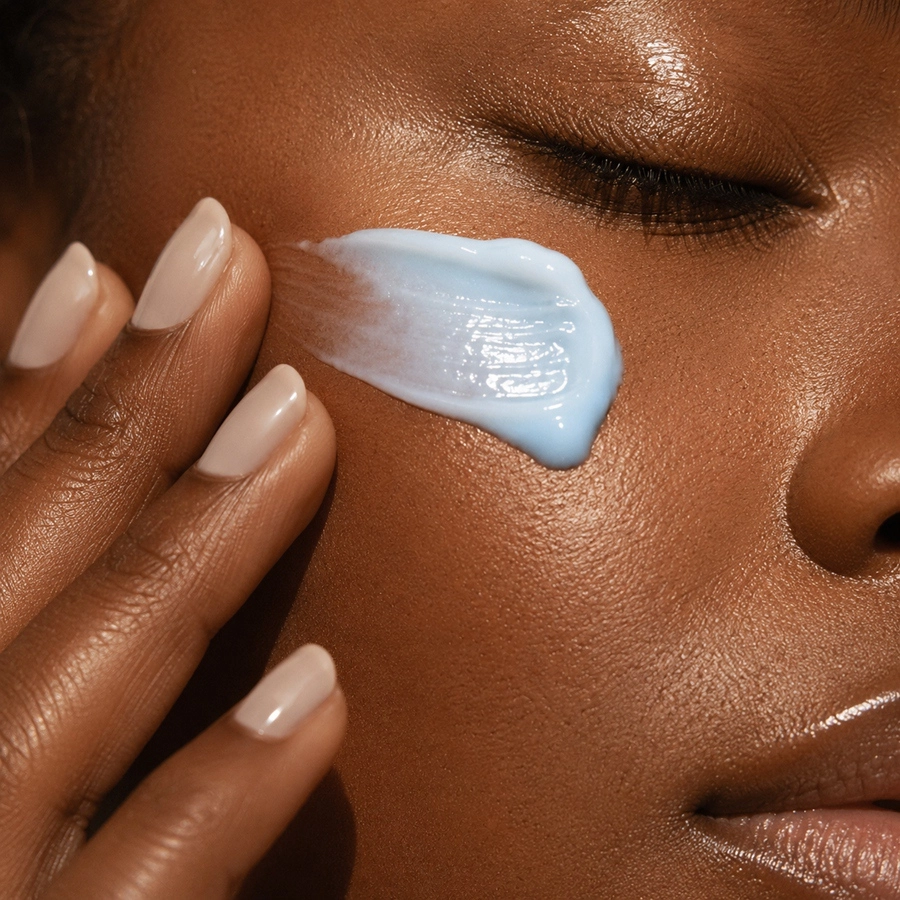
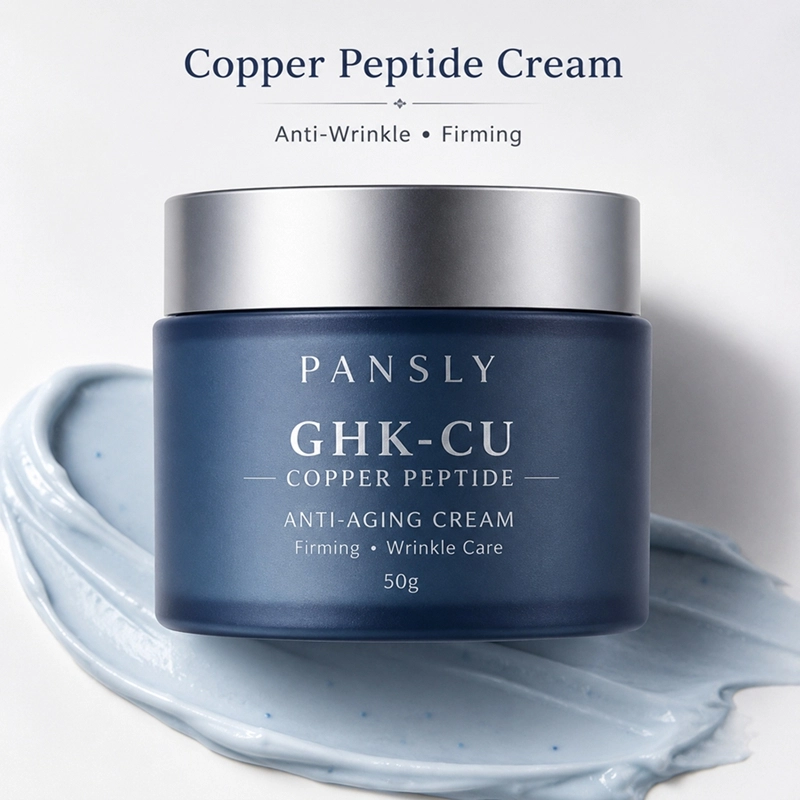
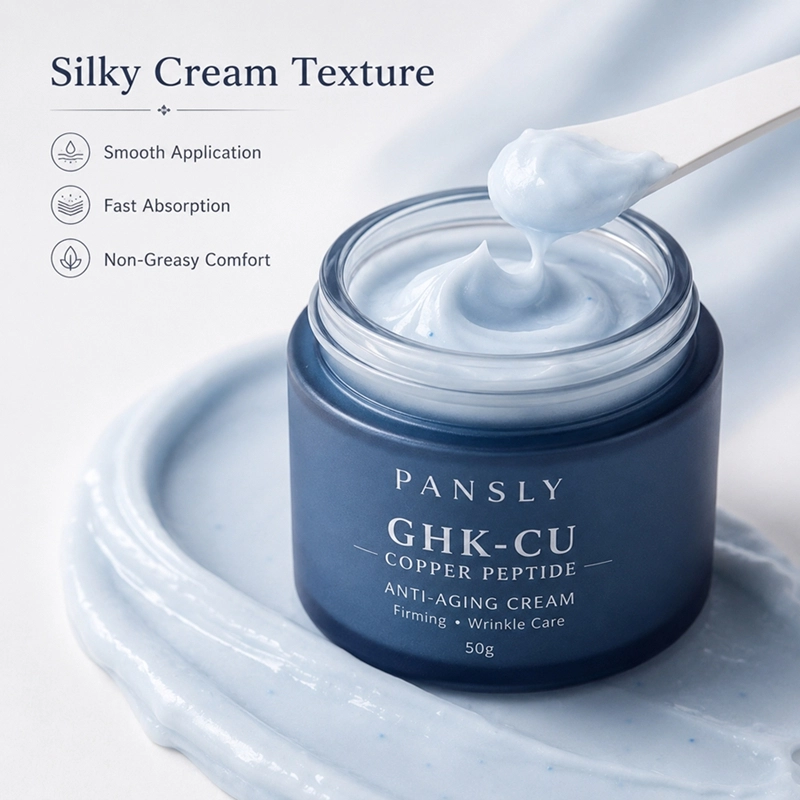
GHK-Cu Face Cream, a copper peptide anti-aging formula, hydrates deeply and supports skin barrier repair. Private label available for bulk orders, giving brands a ready-to-sell moisturizer with a blue copper peptide base for smoother-looking skin.
Get in Touch with us
If you have any comments or good suggestions, please leave us a message; later our professional staff will contact you as soon as possible.
Click here to customize the Beauty
we respond within a few hours
Monday–Friday, 9AM–6PM
3A01, Building A, Zhisheng Square, No. 4 Zhifu Road, Helong Street, Baiyun District, Guangzhou, China.


Leave a request, and we'll email you back within 24 hours.
© 2026 Beyond Basix. All Rights Reserved.
