
Which Skin Concerns Fit an Ectoin Serum Product Positioning?
Quick Answer
For most brands, an ectoin barrier repair serum fits positioning around dehydration, sensitivity, visible dryness, and environmental stress rather than disease treatment. Ectoin is an extremolyte used to support hydration and barrier comfort, while selection depends on ectoin level, companion ingredients, texture, stability, and claim evidence. Beyond Basix can help evaluate options, but final solutions depend on project briefs, testing, and site conditions.
How Beyond Basix Supports Projects
Guangzhou Beyond Basix Cosmetics Ltd. supports skincare OEM/ODM projects through formulation development, product manufacturing, packaging coordination, and quality-control processes. Its 12,000-square-meter facility includes a 100,000-level GMPC pharmaceutical-grade dust-free workshop and 12 production lines, with machinery imported from Germany, the United States, and other regions.
For an ectoin concept, buyers should confirm the intended concern, target market, ectoin specification, supporting ingredients, dosage form, packaging compatibility, and evidence required for claims. MOQ, lead time, testing scope, and quotation must be confirmed for each project. Beyond Basix operates with certifications and documentation including ISO 9001, GMP, HALAL, CE, and MSDS where applicable to the product and market.
Discuss Your Ectoin Serum Positioning
Share your target market, customer skin concerns, desired claims, texture preference, pack format, expected order volume, and launch schedule. These details allow discussion of suitable formula directions, sample steps, testing priorities, packaging compatibility, and commercial planning. Visit www.beyondbasixcosmetics.com or email Lily@lanthome.com to begin a project-specific ectoin serum discussion.
Deep-Dive FAQs
Which skin concerns benefit most from ectoin serum positioning?
The clearest positioning is for dehydration, tightness, visible dryness, sensitivity associated with a weakened-feeling barrier, and exposure-related discomfort. Ectoin is a compatible solute, also called an extremolyte, that helps retain water around biological structures and can support the stability of cell membranes and proteins. That mechanism supports cosmetic hydration and comfort narratives, but it does not establish a treatment for eczema, rosacea, dermatitis, or other medical conditions. For a commercial brief, define the primary concern narrowly rather than combining every sensitive-skin claim. A useful concept may focus on hydration and barrier comfort, with secondary language around dryness or urban and climate stress. Consumer testing, instrumental hydration measurements, and a review of the complete formula should determine which claims are supportable.
Can ectoin support sensitive skin without making medical claims?
Yes, a cosmetic product can be positioned for sensitive-feeling or easily uncomfortable skin when the wording describes appearance, sensation, hydration, or barrier support rather than diagnosis or treatment. Suitable directions may include helping reduce the feeling of tightness, supporting moisture retention, or improving the appearance of dry, stressed skin. Claims such as treating inflammation, repairing disease-related barrier dysfunction, or preventing allergic reactions create a substantially higher regulatory burden and may move beyond ordinary cosmetic positioning, depending on the market. Formula tolerability also matters: fragrance, essential oils, exfoliating acids, retinoids, preservatives, and cleansing residues can influence the user experience as much as the featured active. A finished-product irritation assessment and substantiated claim review are more meaningful than relying on the ingredient name alone.
Is ectoin suitable for acne-prone and oily skin products?
It can be suitable, but the serum architecture must match the consumer concern. Acne-prone users may experience dehydration from cleansing routines or blemish-focused actives, so a lightweight ectoin hydrator can be positioned around comfort and moisture balance rather than acne treatment. The complete ingredient system determines whether the product feels appropriate for oily skin. Heavy emollients, occlusive packaging choices, excessive film-forming agents, or a tacky finish may reduce acceptance even when ectoin itself is well tolerated. Avoid claims that ectoin clears acne, controls sebum, or prevents lesions unless the finished product and target market support those claims through appropriate evidence and regulatory review. Screen comedogenicity expectations carefully, assess sensory performance on oily skin, and test compatibility with sunscreen or makeup routines.
How should brands position ectoin for dehydrated mature skin?
For mature skin with dehydration, ectoin is better framed as a hydration-support and comfort ingredient than as a stand-alone anti-ageing solution. Mature skin commonly presents with dryness, reduced elasticity, and a more noticeable appearance of fine lines, but these concerns have multiple causes, including changes in lipids, water content, and collagen structure. A formula can therefore combine ectoin with humectants, emollients, and appropriately selected anti-ageing ingredients, provided compatibility and tolerability are assessed. The product story should distinguish temporary smoothing caused by improved hydration from structural wrinkle reduction. Packaging should protect formula quality and deliver an amount users can apply consistently. Substantiation may include hydration, skin smoothness, and consumer-perception studies, while stronger wrinkle or firmness claims require methods appropriate to those endpoints.
What testing supports barrier repair claims for ectoin formulas?
Testing should connect the wording to a measurable cosmetic endpoint. Corneometry can assess changes in stratum-corneum hydration, while transepidermal water loss, commonly called TEWL, can provide information about barrier-related water loss under controlled conditions. Visual grading, investigator assessment, and consumer questionnaires may add evidence for dryness, roughness, tightness, or comfort. A well-designed study needs a defined product, application schedule, control or baseline, suitable participants, and statistically interpretable results. In vitro or ingredient-level data can explain mechanism, but they do not automatically prove the performance of the finished serum. The phrase barrier repair deserves particular caution because it may imply biological restoration or therapeutic action in some jurisdictions. Consider wording such as supporting the skin barrier or helping maintain moisture, subject to local regulatory review and actual test outcomes.
Which ectoin serum claims create regulatory risk across markets?
Risk increases when a cosmetic claim implies treatment, prevention, physiological correction, or a medical outcome. Examples include treating eczema, healing dermatitis, repairing pathological barrier damage, preventing allergic reactions, reducing inflammation as a disease process, or curing acne. Even the word repair can require contextual review because it may suggest restoration of damaged tissue rather than cosmetic improvement. Claims must be evaluated with the product name, advertising, imagery, consumer instructions, concentration, evidence, and local rules considered together. A safer development process begins with a claims matrix separating hydration, appearance, sensory comfort, and barrier-support language from therapeutic language. Review translated claims as well as English copy, since a seemingly mild phrase can acquire a stronger medical meaning in another market. Keep technical reports, stability records, safety documentation, and finished-product test results aligned with the final marketing statements.
Related Articles for Private Label Cosmetics

Why Two Mineral Sunscreens With the Same SPF Can Feel Completely Different

Beyond Ordinary Tallow Balm: How GHK-Cu and SNAP-8 Create a Different Skincare Story

When Blue Copper Peptides Meet Beef Tallow: A New Direction for Premium Skincare

PDRN Toner Pads vs GHK-Cu + SNAP-8 Peptide Toner Pads: Private Label Manufacturing Decisions
You May Also Like
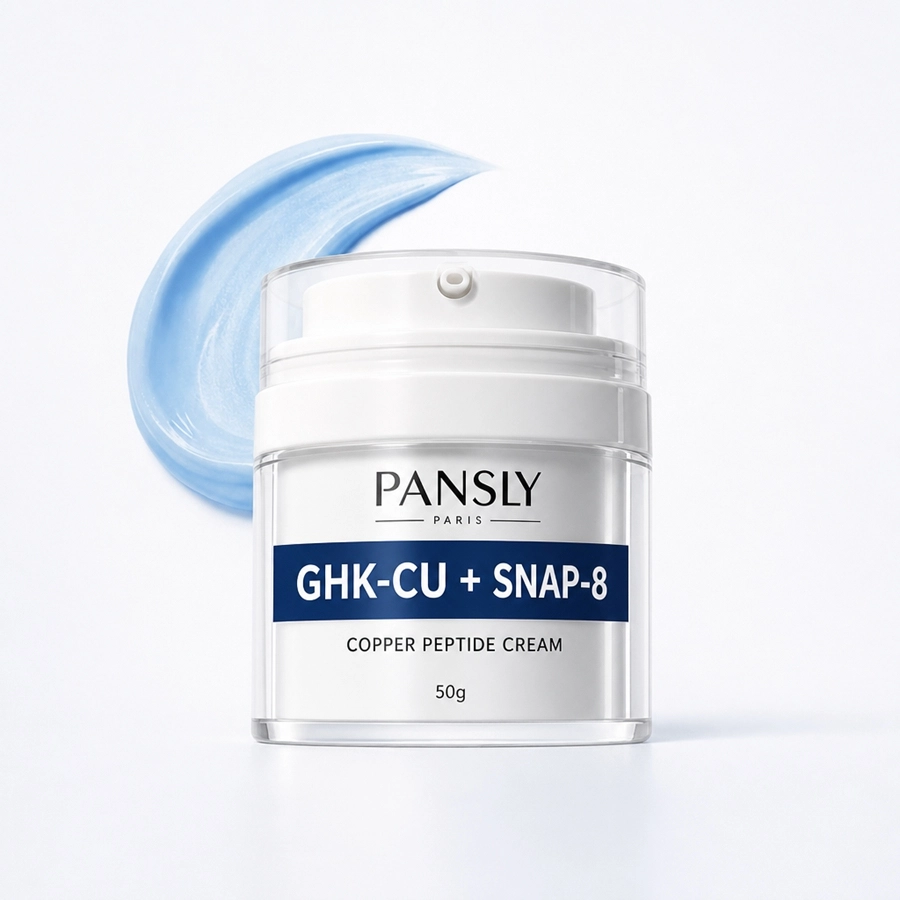
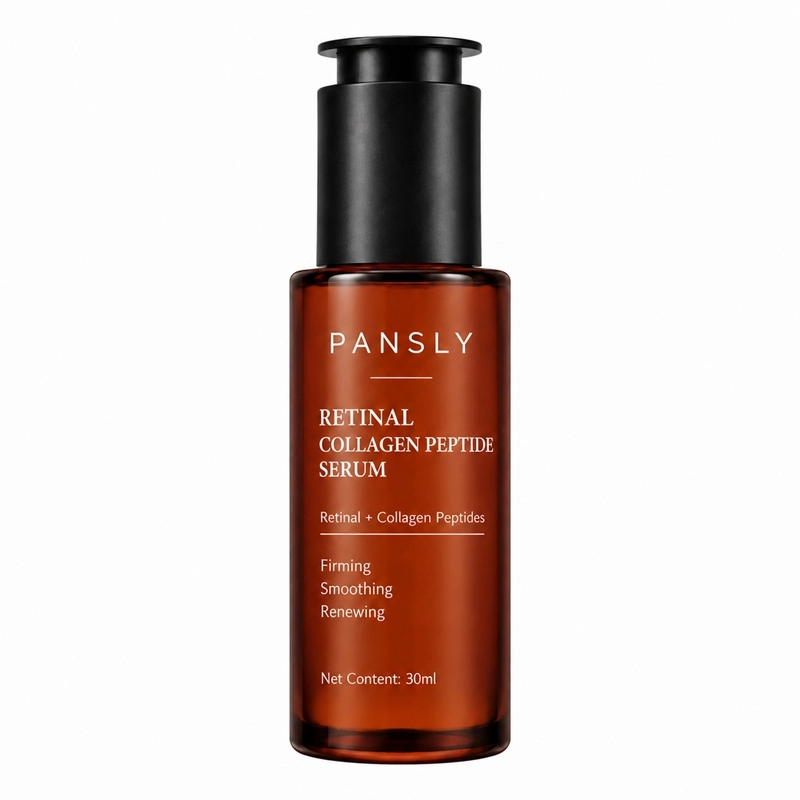
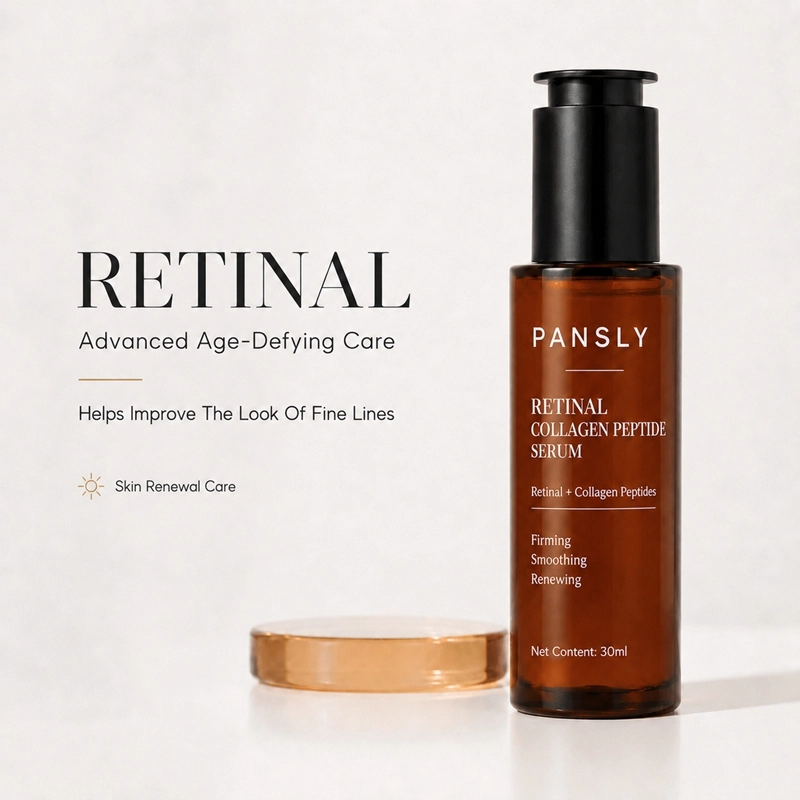
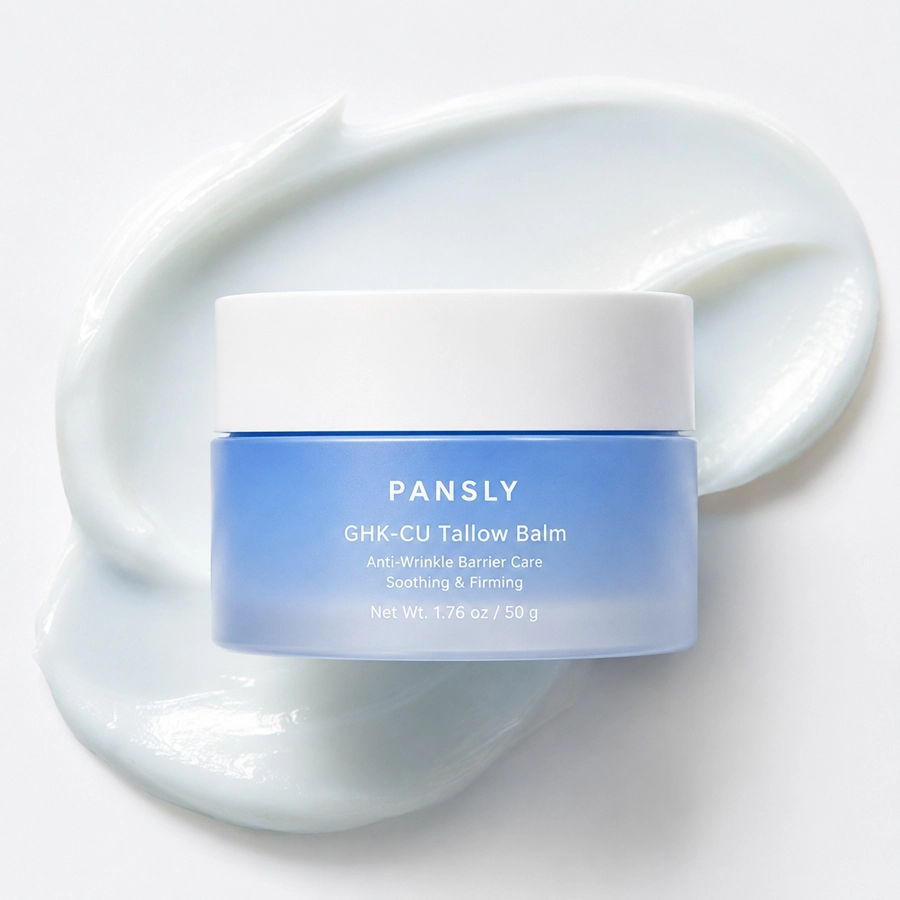
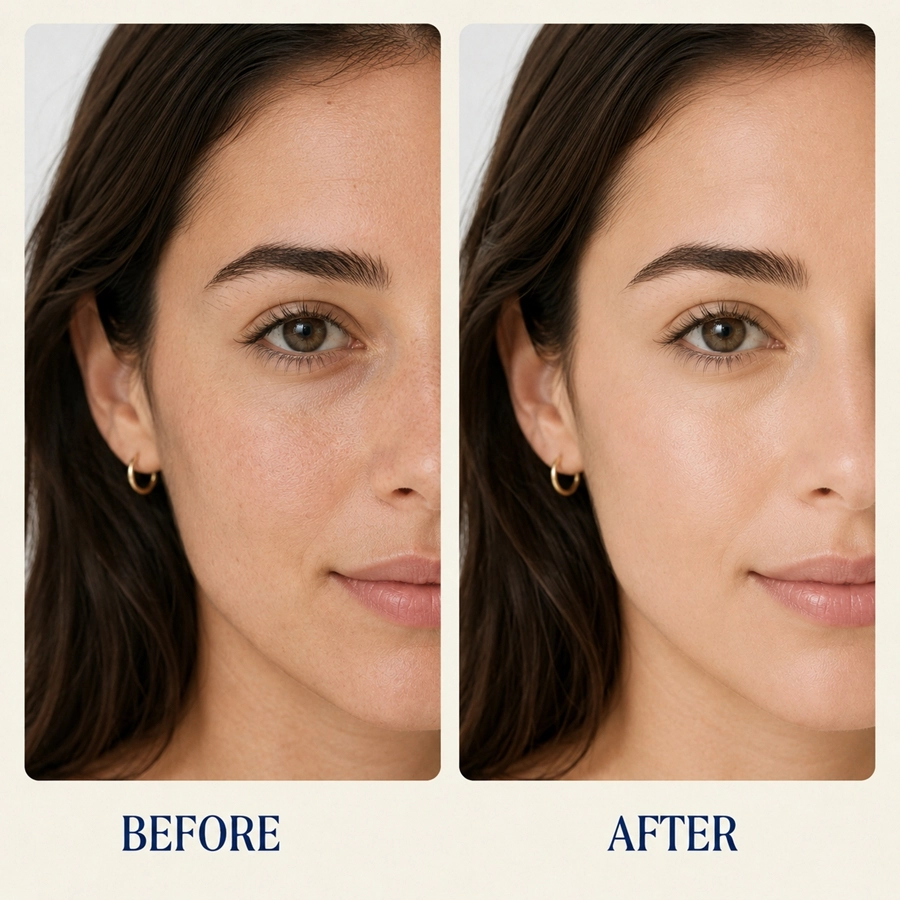
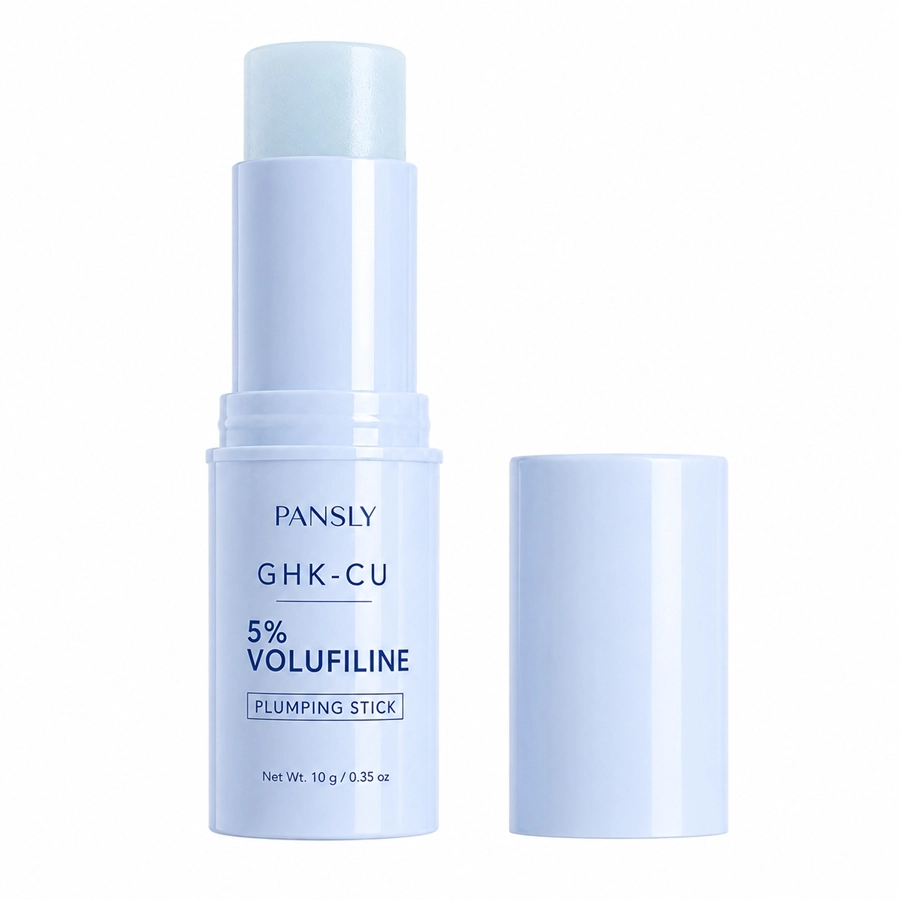
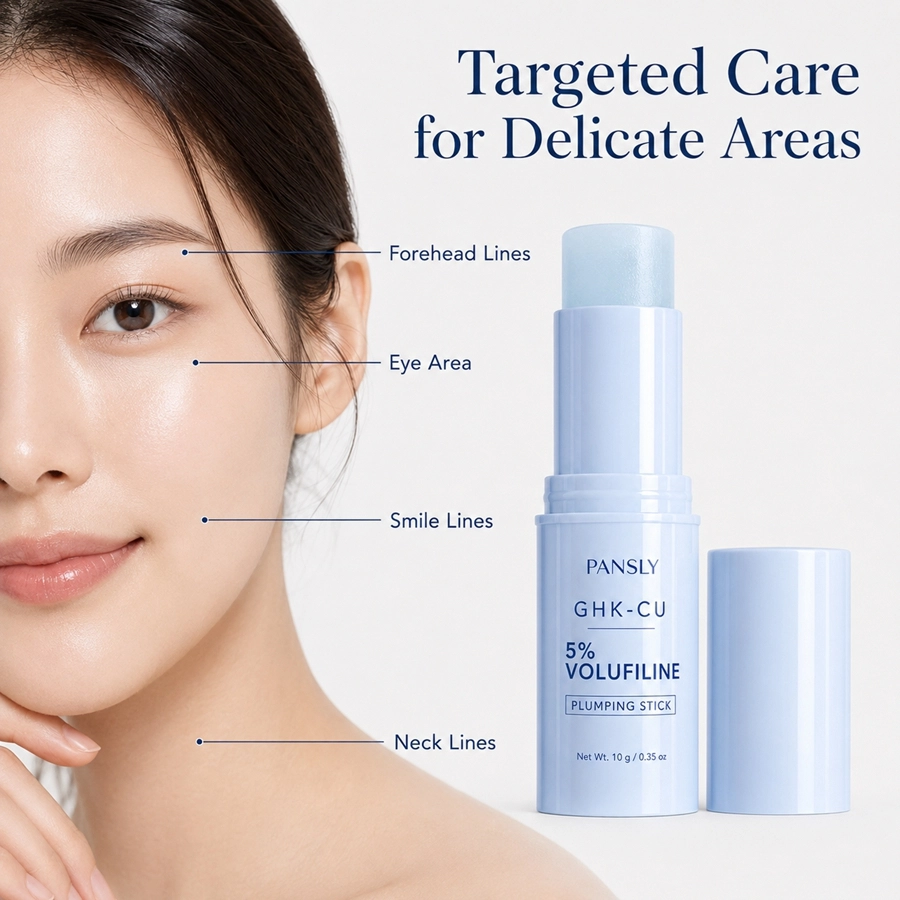
This Pansly GHK-CU Tallow Anti-Wrinkle Soothing & Firming Barrier Balm is multi-effect peptide nourishing balm for dry, uneven-textured skin, integrating firming lifting, fine line smoothing, barrier repair and soothing comfort. Full private label OEM service is supported, including formula customization, custom logo & label, jar color selection and fast sampling.
Five core premium active ingredients work synergistically for comprehensive skin care:
GHK-CU Copper Peptide lifts and firms saggy skin, visibly blurs fine lines and refines uneven dull complexion;
Grass-Fed Tallow delivers rich lipid nourishment to deeply relieve persistent dry rough skin;
Ceramide NP reinforces skin moisture barrier to lock nutrients and boost skin resilience;
Squalane melts lightly into skin to create silky soft long-lasting hydration;
Panthenol calms skin irritation, delivers instant soothing comfort for sensitive dry skin.
Silky light blue creamy balm texture spreads smoothly and absorbs rapidly without greasy residue. Daily use on face and neck firms loose contours, smooths dry fine lines, nourishes fragile skin and repairs damaged barrier, leaving skin even, plump and luminous with long-lasting soft comfort. Obvious improvement on rough dull texture after persistent use.
Get in Touch with us
If you have any comments or good suggestions, please leave us a message; later our professional staff will contact you as soon as possible.
Click here to customize the Beauty
we respond within a few hours
Monday–Friday, 9AM–6PM
3A01, Building A, Zhisheng Square, No. 4 Zhifu Road, Helong Street, Baiyun District, Guangzhou, China.


Leave a request, and we'll email you back within 24 hours.
© 2026 Beyond Basix. All Rights Reserved.
