
Who Would Buy a GHK-Cu SNAP-8 Tallow Balm Instead of a Face Cream?
Quick Answer
A buyer may choose a ghk-cu snap-8 tallow balm when they want a richer, more protective anhydrous texture rather than a lightweight emulsion. Beyond Basix can support selection around target skin feel, peptide compatibility, packaging, regulatory market, and cost structure. Final solutions depend on the specific project brief, stability testing, compatibility checks, and site conditions.
How Beyond Basix Supports Projects
Beyond Basix supports OEM and ODM skincare development through custom formulation, production planning, and quality-control coordination. Guangzhou Beyond Basix Cosmetics Ltd. has more than 23 years of cosmetics manufacturing experience, a 12,000-square-meter facility, a 100,000-level GMPC pharmaceutical-grade dust-free workshop, and 12 production lines. Its certifications include ISO 9001, GMP, HALAL, CE, and MSDS documentation.
For a balm project, buyers should confirm the peptide names and grades, anhydrous or emulsion format, fragrance policy, packaging, target market, and intended cosmetic claims. MOQ, lead time, testing scope, documentation, and quotation must be confirmed for each project with Beyond Basix rather than assumed from a standard formula.
Discuss Your Peptide Tallow Balm Project
Share your target market, consumer profile, desired texture, packaging format, ingredient preferences, planned claims, and estimated order volume so suitable options, sample steps, testing requirements, and production considerations can be discussed. Visit www.beyondbasixcosmetics.com or email Lily@lanthome.com to begin a project-specific formulation conversation.
Deep-Dive FAQs
Who is most likely to choose a peptide tallow balm?
The strongest prospective buyer is usually someone seeking a dense, low-water or water-free facial product with a cushioning finish. This may include consumers with dry-feeling skin, users in cold or low-humidity environments, and customers attracted to animal-derived or minimalist positioning. It is not accurate to treat tallow as universally suitable: a rich occlusive film can feel heavy, and individual tolerance to fragrance, lanolin-like components, or animal-derived materials must be considered. For B2B planning, segment research should test texture acceptance, ethical preferences, climate, and repeat-use behavior rather than relying on the ingredient story alone.
How does balm texture differ from conventional facial cream?
A conventional face cream is generally an emulsion containing both an aqueous and an oil phase, while a balm may be substantially oil-based and can be anhydrous. That difference affects spread, absorption perception, rinse behavior, preservation strategy, and packaging. Tallow also varies in fatty-acid composition according to sourcing and processing, so two balms can have noticeably different firmness or after-feel. A cream is not automatically less nourishing, and a balm is not automatically more effective. Developers should define measurable sensory targets such as pickup, glide, drag, residue, melting point, and finish before selecting the final base.
Can GHK-Cu and SNAP-8 remain stable in tallow formulas?
Compatibility cannot be inferred from the ingredient names alone. GHK-Cu is commonly associated with Copper Tripeptide-1, while SNAP-8 is commonly associated with Acetyl Octapeptide-3; the supplier specification and intended use level should be verified for each raw material. An anhydrous tallow base may reduce water-related microbial risk, but it does not automatically protect peptides from oxidation, heat, light, or interactions with other ingredients. Formulators should review solubility, processing temperature, antioxidant strategy, packaging exposure, assay or identity testing, and accelerated and real-time stability results. A supplier’s recommended incorporation method should take priority over an assumed process.
Which skin concerns make a balm format commercially relevant?
A balm format is commercially relevant when the product brief focuses on barrier-feel support, surface comfort, visible dryness, or a protective night-care ritual. Its value is primarily connected to delivery format and sensory experience, not proof that the base repairs every skin concern. Consumers with oily or acne-prone skin may prefer lighter textures, and people with known sensitivities require an appropriate ingredient review. Market research should compare the balm with an emulsion on application frequency, climate suitability, makeup compatibility, and consumer expectations. The peptide story should complement, rather than replace, a clear texture and use-case proposition.
What testing should private-label buyers request before ordering?
Private-label buyers should request documentation that matches the formula and destination market, including raw-material specifications, batch traceability, finished-product specifications, packaging compatibility, stability evidence, and microbiological or preservative-related assessments where relevant. For a water-free formula, microbial risk still requires a documented rationale and appropriate testing; anhydrous does not mean risk-free. Buyers should also review color, odor, rancidity indicators, viscosity or hardness, fill performance, and storage conditions. The required testing scope depends on the final composition, pack type, claims, and jurisdiction, so a quotation should be based on an agreed technical brief rather than a generic test list.
How should brands position balm claims without overstating peptide evidence?
Brands should separate cosmetic appearance claims from therapeutic or biological claims. Suitable wording may describe moisturized-looking skin, a smoother appearance, a rich protective feel, or the role of peptides as selected cosmetic ingredients, provided the claims are supported by the finished product and comply with the target market’s rules. GHK-Cu and SNAP-8 should not be presented as proven substitutes for medical treatment, injectable procedures, or clinically established disease management. Claim substantiation can include ingredient documentation, finished-product testing, consumer perception studies, or instrumental assessments where appropriate. Regulatory review is essential because claim wording, evidence expectations, and product classification differ between markets.
Related Articles for Private Label Cosmetics
Why Two Mineral Sunscreens With the Same SPF Can Feel Completely Different
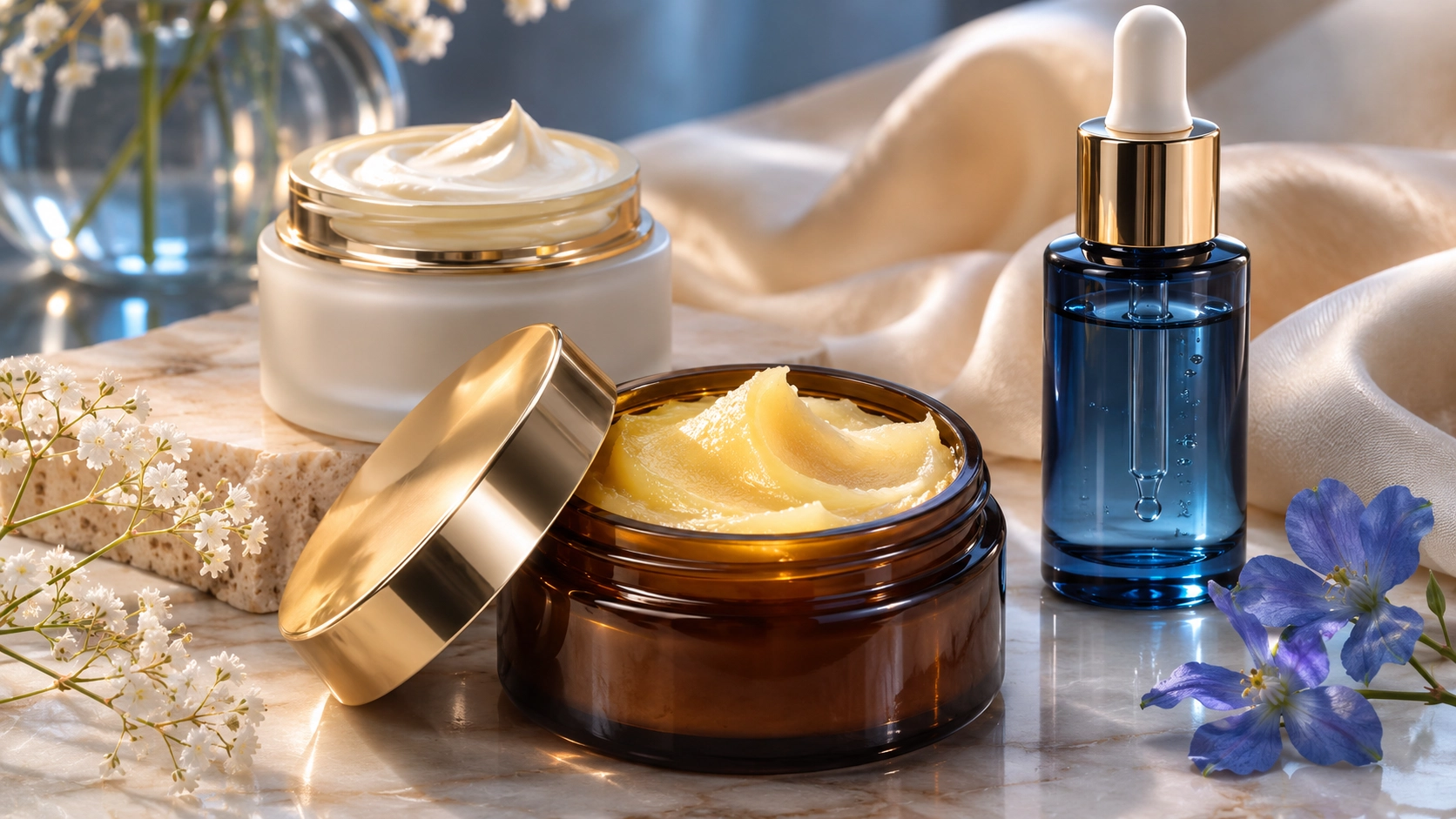
Beyond Ordinary Tallow Balm: How GHK-Cu and SNAP-8 Create a Different Skincare Story
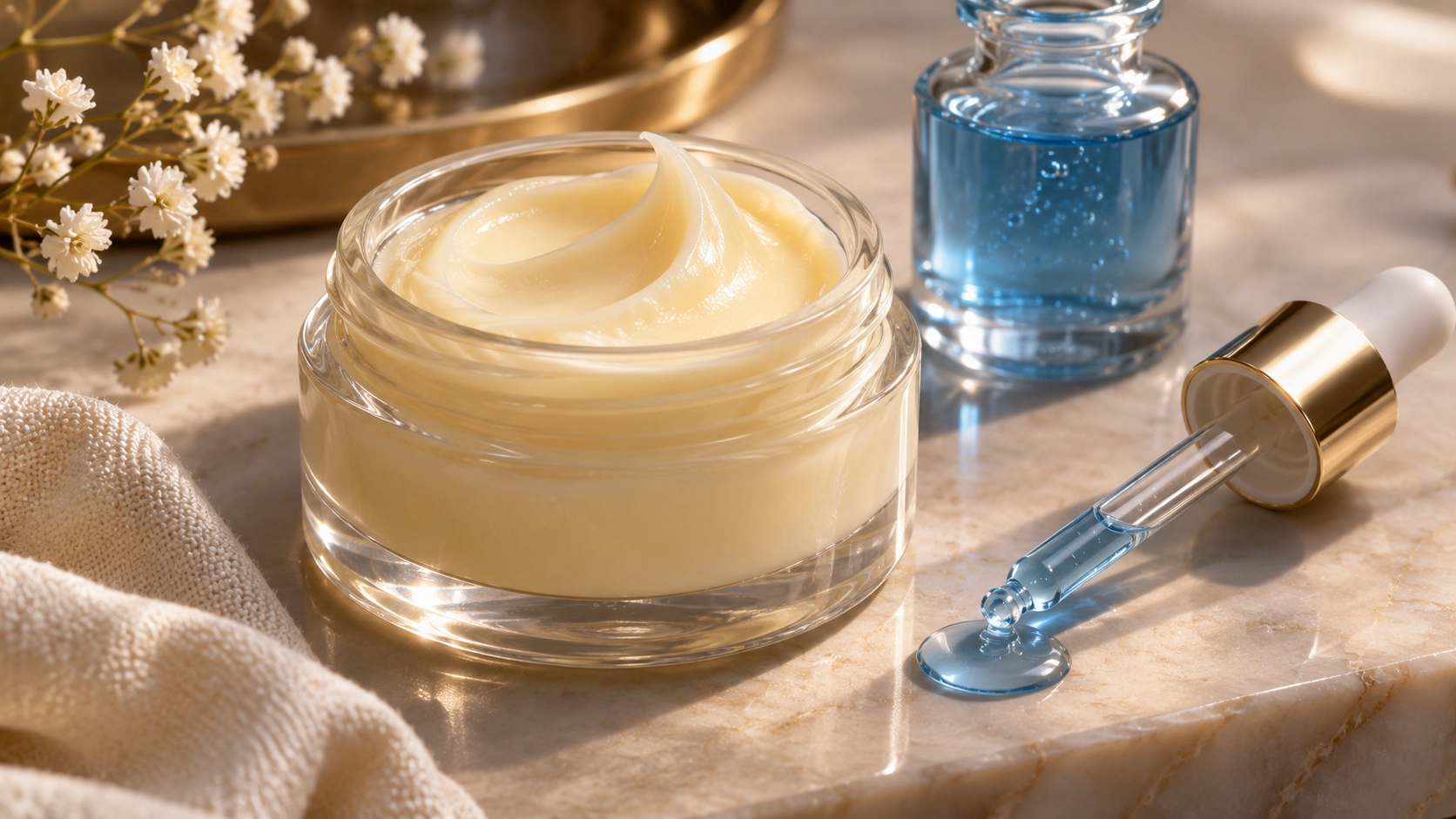
When Blue Copper Peptides Meet Beef Tallow: A New Direction for Premium Skincare
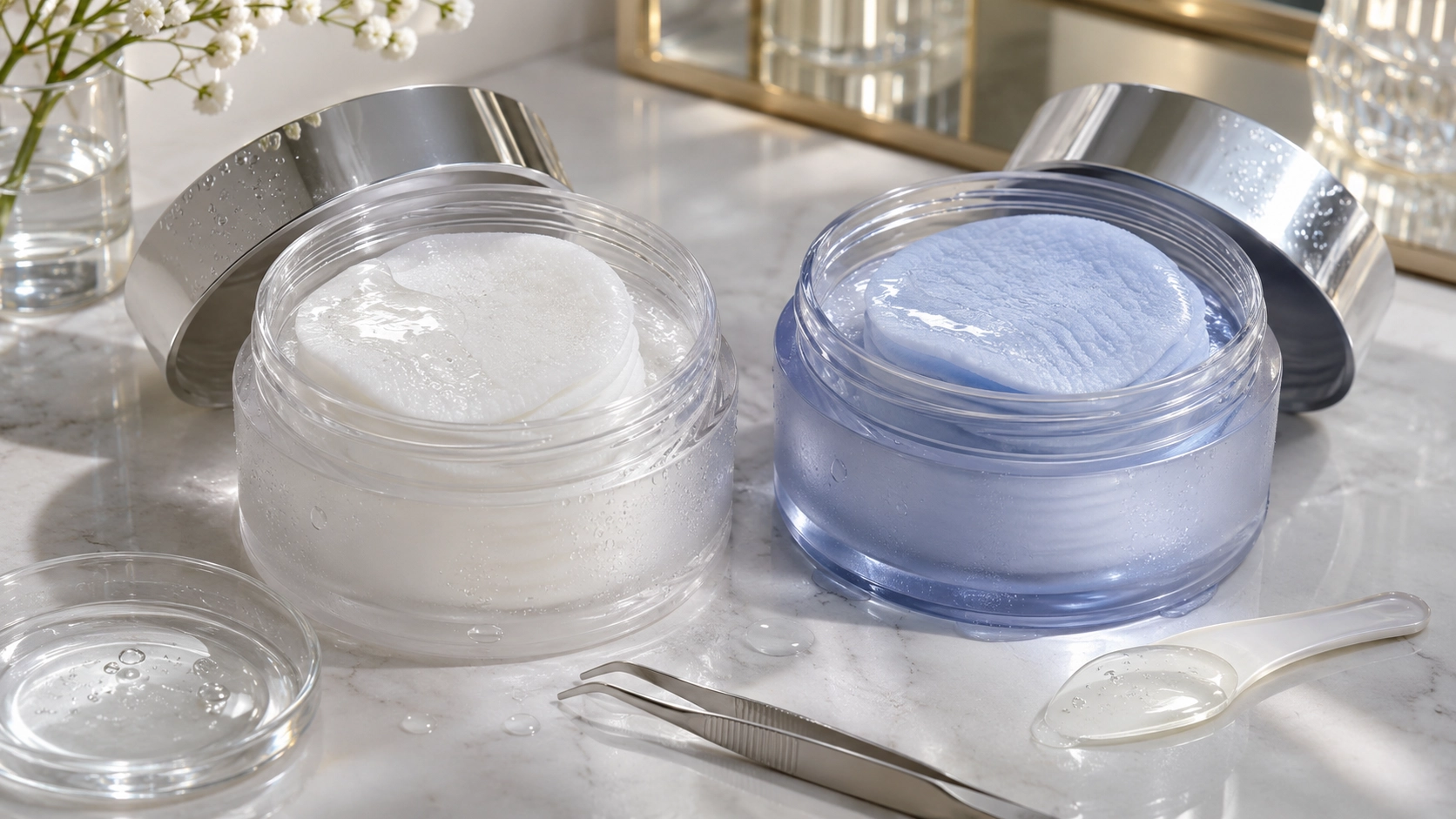
PDRN Toner Pads vs GHK-Cu + SNAP-8 Peptide Toner Pads: Private Label Manufacturing Decisions
You May Also Like
Get in Touch with us
If you have any comments or good suggestions, please leave us a message; later our professional staff will contact you as soon as possible.
Click here to customize the Beauty
we respond within a few hours
Monday–Friday, 9AM–6PM
3A01, Building A, Zhisheng Square, No. 4 Zhifu Road, Helong Street, Baiyun District, Guangzhou, China.


Leave a request, and we'll email you back within 24 hours.
© 2026 Beyond Basix. All Rights Reserved.
