
Why Combine GHK-Cu With Beef Tallow in a Facial Balm?
Quick Answer
GHK-Cu may support a peptide-focused facial balm, while beef tallow contributes an occlusive lipid phase that helps reduce moisture loss. A ghk-cu beef tallow balm is not automatically compatible: peptide solubility, oxidation control, dispersion, preservative strategy, packaging, and claim requirements must be assessed. Beyond Basix can support OEM/ODM development, but final solutions depend on project specifications, testing, and site conditions.
How Beyond Basix Supports Projects
Guangzhou Beyond Basix Cosmetics Ltd. brings more than 23 years of experience across cosmetics research, production, and sales, with 12 years focused on effective-ingredient skincare development. Its 12,000-square-meter facility includes a 100,000-level GMPC pharmaceutical-grade dust-free workshop and 12 production lines, supporting formulation development and scaled OEM/ODM production for balm concepts.
For this category, buyers should confirm the copper tripeptide-1 format, oil-to-water system, tallow specification, packaging type, target market, and intended claims. ISO 9001, GMP, MSDS, HALAL, CE, and other documentation may be relevant according to the project. MOQ, lead time, testing scope, and quotation must be confirmed for each formula and market.
Discuss Your GHK-Cu Tallow Balm Project
Share your target market, preferred tallow positioning, vegan or animal-derived requirements, desired texture, GHK-Cu format, packaging concept, target order quantity, and intended cosmetic claims so suitable formulation routes, sample steps, testing priorities, and production planning can be discussed. Visit www.beyondbasixcosmetics.com or email Lily@lanthome.com to begin a project review.
Deep-Dive FAQs
How does GHK-Cu remain stable inside a tallow balm?
The first formulation issue is that GHK-Cu, also known by the cosmetic ingredient name Copper Tripeptide-1, is a peptide complex with water-compatible characteristics, whereas purified tallow is predominantly an oil-phase material. Simply blending the two powders or liquids does not establish uniform distribution or reliable delivery. A formulator must confirm the supplier’s active format, carrier, recommended pH range, exposure to heat, and compatibility with other ingredients. In an anhydrous balm, options may include a suitable oil-dispersible delivery system, encapsulation, or a controlled emulsion rather than direct addition. Copper ions can also interact with formulation components and may contribute to oxidation concerns, so color, odor, assay or identity checks, accelerated stability, and container compatibility should be considered. The correct question is not whether tallow preserves the peptide, but whether the complete system maintains acceptable quality throughout its stated shelf life.
Is beef tallow suitable for acne-prone or sensitive facial skin?
Suitability cannot be determined from the ingredient name alone. Tallow is a mixture of triglycerides whose fatty-acid profile can vary with sourcing, rendering, refining, and specification. A rich occlusive balm may feel comfortable on dry skin but may be perceived as heavy by users with oily or blemish-prone skin. The commonly repeated claim that tallow is universally non-comedogenic is not a reliable professional conclusion; comedogenicity ratings are not a substitute for testing a finished product on the intended population. Sensitive-skin positioning also requires attention to fragrance, essential oils, oxidation products, impurities, and rubbing during application. An OEM brief should define skin type, facial-use area, texture target, and exclusion criteria before formula selection. Non-comedogenic or sensitive-skin claims should be supported by appropriate finished-product evidence and reviewed against the regulations of the target market.
What testing confirms peptide compatibility in an OEM balm formula?
A practical testing plan begins with raw-material verification and a defined specification for Copper Tripeptide-1, tallow, color, odor, and appearance. The finished balm should then be assessed for homogeneity, viscosity or consistency, microbial quality where applicable, package interaction, and stability under planned storage and transport conditions. If the formula contains water or a water-containing peptide preparation, preservation efficacy and microbiological controls become especially important; an entirely anhydrous product still requires suitable microbial-risk assessment because contamination can occur during manufacturing and consumer use. Peptide-specific identity or content testing should be selected according to the available validated method and supplier documentation. Heat, light, oxygen, and freeze-thaw exposure may reveal changes that ordinary room-temperature observation misses. Testing cannot prove every consumer benefit, but it can establish whether the formula remains within agreed quality specifications and whether its packaging and manufacturing process are appropriate.
Can plant-based brands replace tallow without changing peptide performance?
They can explore a plant-based lipid system, but substitution is not a one-for-one swap. The replacement changes polarity, melting behavior, spreadability, oxidative stability, sensory profile, and possibly the way a peptide carrier disperses through the balm. Examples such as shea butter, mango butter, jojoba oil, or selected vegetable oils may create a different structure, but the choice must follow the desired texture and the active ingredient’s delivery format. A vegan formula also requires review of every processing aid, capsule material, colorant, and ancillary ingredient; replacing tallow alone does not automatically make the product vegan. Comparative pilot batches should evaluate appearance, glide, residue, separation, stability, and consumer-use performance. If the original concept relies on an oil-based balm, a plant-derived version may be feasible, but its claims, packaging, cost, and MOQ should be recalculated rather than copied from the animal-derived formula.
How should packaging protect copper peptide and anhydrous balm quality?
Packaging should be selected after the formula’s sensitivity profile is understood. A balm containing a copper peptide may require control of light, oxygen exposure, heat transfer, and repeated consumer contact. A wide-mouth jar can offer a familiar premium presentation, but fingers introduce handling variability; a tube, airless format, or other dispensing system may reduce direct contact if the formula’s rheology permits it. The package must also tolerate the balm’s oils and waxes without swelling, odor transfer, leakage, or stress cracking. Compatibility studies should examine the filled pack rather than the empty component alone, including appearance, weight loss, actuator or closure function, and formula changes during storage. “Airless” is not a guarantee of peptide stability, and opaque packaging does not correct an unsuitable formulation. Final selection should balance protection, consumer dispensing, sustainability requirements, filling-line capability, and target-market packaging rules.
Which claims are acceptable for a GHK-Cu tallow moisturizer?
Claims depend on the finished formula, substantiation, wording, and jurisdiction. A cosmetic moisturizer can generally describe observable cosmetic functions such as helping skin feel moisturized, soft, smooth, or conditioned when those statements are supportable. Claims that the product heals wounds, rebuilds tissue, treats acne, reverses aging, or stimulates collagen may move into drug or medicinal territory depending on the market and presentation. Ingredient research should not be copied directly into a finished-product claim: evidence for an isolated peptide, a laboratory model, or a different delivery system does not automatically substantiate a retail balm. In the United States, intended use influences whether a product is regulated as a cosmetic or drug; in the European Union, claims require appropriate support under the cosmetics framework and common claims criteria. A brand should prepare a claim matrix covering wording, evidence, artwork, advertising channels, and target countries before production approval.
Related Articles for Private Label Cosmetics

Why Two Mineral Sunscreens With the Same SPF Can Feel Completely Different

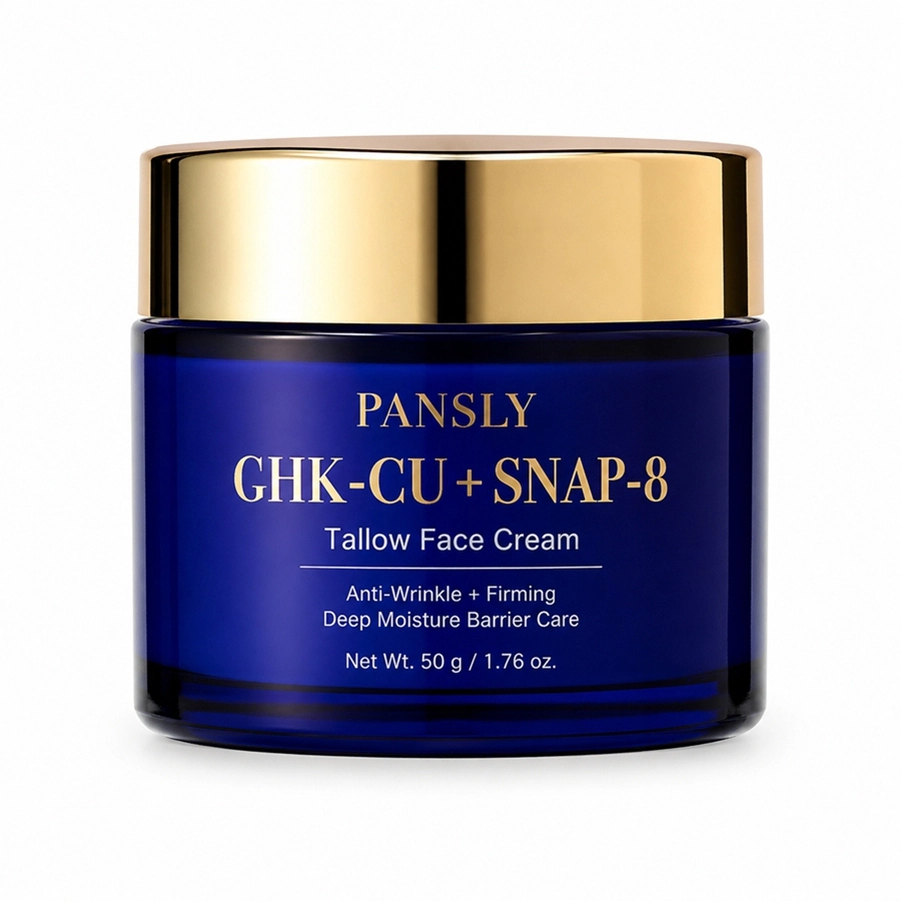
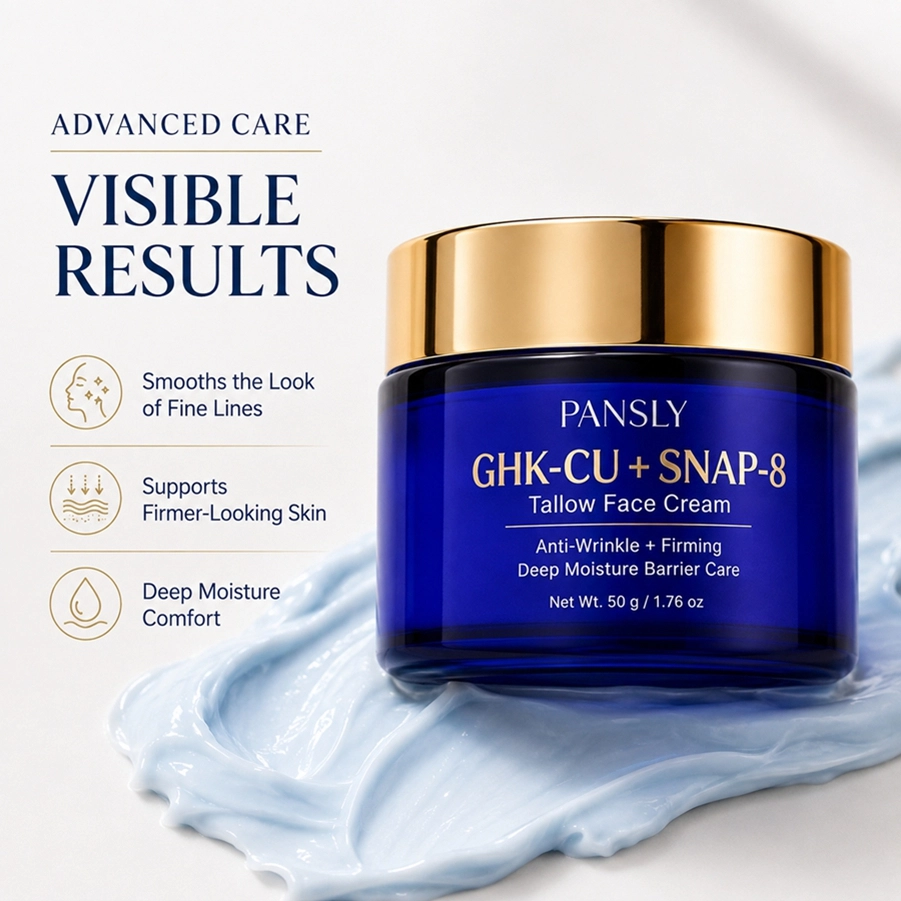
Beyond Ordinary Tallow Balm: How GHK-Cu and SNAP-8 Create a Different Skincare Story

When Blue Copper Peptides Meet Beef Tallow: A New Direction for Premium Skincare

PDRN Toner Pads vs GHK-Cu + SNAP-8 Peptide Toner Pads: Private Label Manufacturing Decisions
You May Also Like
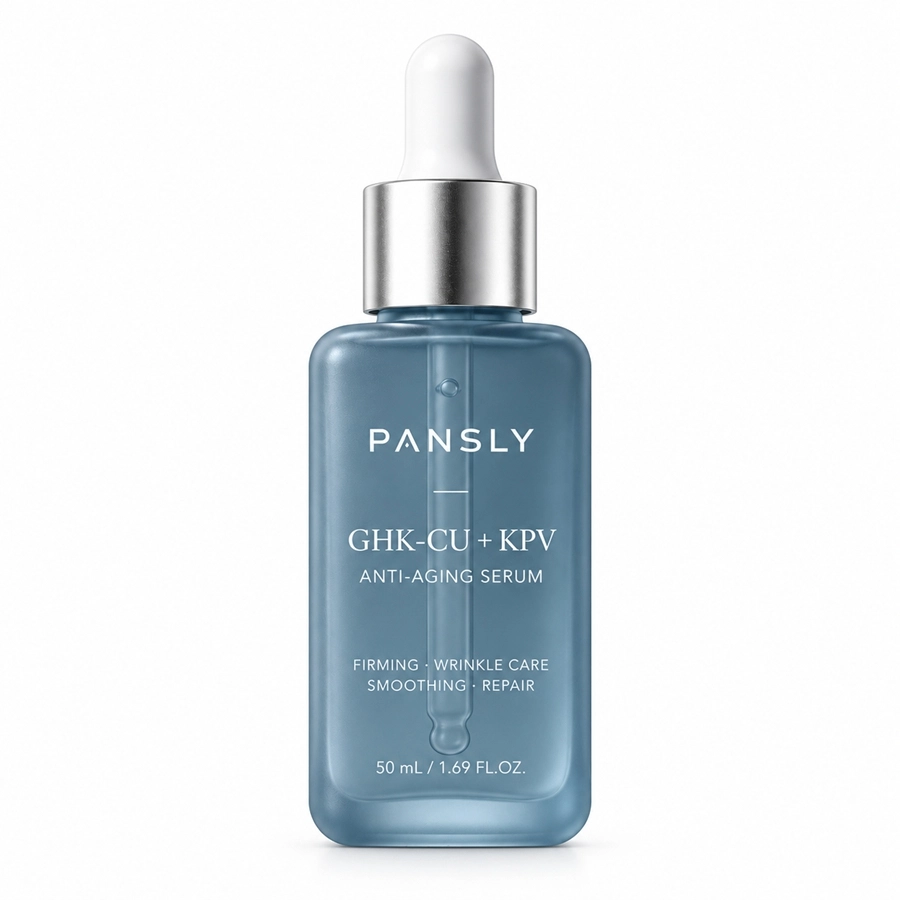
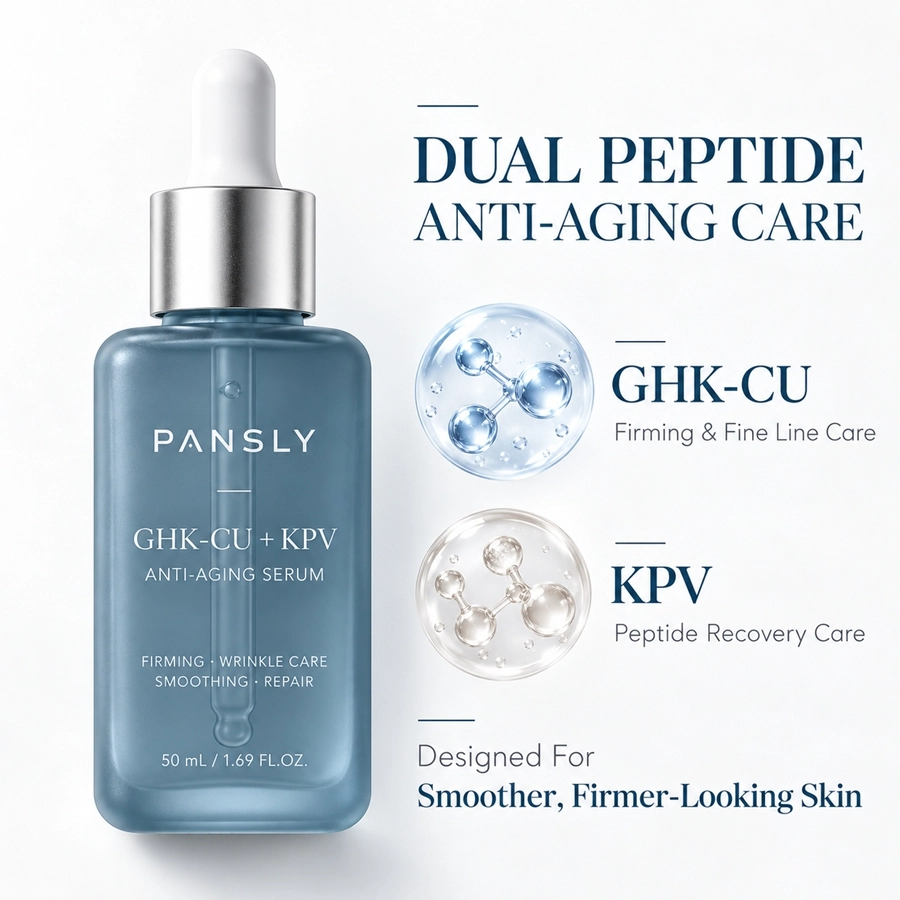
GHK-Cu KPV serum for skin is a private-label peptide face serum formulated for a firming, smoothing routine. This GHK-CU KPV Serum is positioned for wrinkle care and skin repair, making it a practical addition to an anti-aging skincare range.
Get in Touch with us
If you have any comments or good suggestions, please leave us a message; later our professional staff will contact you as soon as possible.
Click here to customize the Beauty
we respond within a few hours
Monday–Friday, 9AM–6PM
3A01, Building A, Zhisheng Square, No. 4 Zhifu Road, Helong Street, Baiyun District, Guangzhou, China.


Leave a request, and we'll email you back within 24 hours.
© 2026 Beyond Basix. All Rights Reserved.
