
Why Combine PDRN and NAD+ in Hydrogel Eye Patches?
Quick Answer
PDRN and NAD+ may complement one another because PDRN is associated with skin-repair research, while NAD+ participates in cellular energy and redox pathways. For pdrn nad+ eye patches, selection depends on ingredient identity and assay, stability, hydrogel compatibility, packaging, and claim requirements. Beyond Basix can help assess OEM/ODM options, but the final solution depends on project testing and market conditions.
How Beyond Basix Supports Projects
Beyond Basix Cosmetics Ltd. has more than 23 years of experience across cosmetics research, production, and sales, with 12 years focused on effective-ingredient skincare development. Its OEM/ODM support can address formula direction, hydrogel patch specifications, packaging coordination, and production planning within a 12,000-square-meter facility that includes a 100,000-level GMPC pharmaceutical-grade dust-free workshop and 12 production lines.
Buyers should confirm the active specifications, hydrogel dimensions, serum loading, packaging format, target market, and intended claims before sampling. Relevant quality documentation may include ISO 9001, GMP, CE, MSDS, and HALAL materials where applicable. MOQ, lead time, testing scope, and quotation must be confirmed for each project.
Discuss Your PDRN and NAD+ Eye Patch Project
Please provide your target market, intended claims, active specifications, patch dimensions, hydrogel preference, packaging format, and expected order volume. These details support discussion of suitable formulation routes, sample steps, testing priorities, and production planning. Visit www.beyondbasixcosmetics.com or email Lily@lanthome.com to discuss your project with Beyond Basix.
Frequently Asked Questions
Why combine PDRN and NAD+ in hydrogel eye patches?
PDRN and NAD+ represent different formulation rationales rather than identical functions. PDRN, commonly referring to polynucleotide or DNA-fragment preparations, has been investigated in regenerative and wound-healing contexts, while NAD+ is a coenzyme involved in cellular oxidation-reduction reactions and energy metabolism. Combining them may create a complementary positioning strategy, but topical performance depends on concentration, purity, stability, skin contact time, and delivery conditions. The combination should not be presented as automatically superior to either ingredient alone. A controlled prototype comparison using matched patch materials and equivalent testing conditions is more informative than relying on ingredient popularity.
Can PDRN and NAD+ remain stable in one eye patch formula?
Compatibility cannot be assumed from the ingredient names. NAD+ can be sensitive to formulation conditions, including pH, temperature, water activity, oxygen exposure, and processing stress. PDRN materials also vary by molecular profile, source, purification, and supplier specifications. A hydrogel system may introduce additional variables through its polymer network, water content, preservatives, and packaging. Development should therefore include short-term and accelerated stability studies, appearance and odor checks, pH monitoring, microbial control, package compatibility, and validated assays for each active where practical. Testing should compare initial and retained samples rather than relying only on a certificate of analysis.
What testing proves PDRN NAD+ compatibility before OEM production?
A practical preproduction program begins with identity and specification review for both actives, followed by compatibility screening in the intended serum and hydrogel base. Useful checkpoints include assay or content testing, pH, viscosity or gel integrity, moisture loss, microbial limits, preservative effectiveness where relevant, and package interaction. Stability should be examined under defined storage conditions and time points, with testing methods suitable for the individual actives. If a brand plans structure-function or cosmetic claims, the evidence should match the wording and target market. Pilot batches are valuable because laboratory compatibility does not fully predict behavior during scale-up, filling, sealing, and storage.
How should brands compare PDRN sources and NAD+ grades?
Brands should compare documented identity, source, manufacturing controls, purity or assay, molecular characterization where supplied, residual impurities, microbiological status, allergen information, and regulatory acceptability in the destination market. PDRN is not a single universally identical raw material; suppliers may use different source materials and analytical approaches. NAD+ grades also require attention to assay, degradation profile, storage instructions, and compatibility data. A lower price may reflect differences in concentration, testing scope, or specification rather than equivalent value. Procurement should approve a defined raw-material specification and change-control process before committing to a bulk order.
Do hydrogel materials change delivery of PDRN and NAD+?
Yes. Hydrogel composition influences water retention, adhesion, release behavior, drying time, skin contact, and the chemical environment surrounding the actives. A thicker or more strongly crosslinked network may alter diffusion, while a highly hydrated patch can support prolonged contact but may also create stability and packaging challenges. The patch shape and fit around the eye affect practical contact as much as the ingredient list. Brands should evaluate release or retention behavior using a relevant test model, then confirm sensory performance, leakage, drying, and package seal integrity. Marketing should describe contact and moisturization benefits only when supported by the selected formula and evidence.
What claims can brands responsibly make for PDRN NAD+ patches?
Cosmetic claims must be accurate, supportable, and appropriate to the destination market. Statements such as improved hydration, refreshed-looking skin, or a smoother appearance may be considered only when supported by suitable formula or user testing and compliant claim language. Claims implying wound healing, tissue regeneration, cellular repair, disease treatment, or guaranteed wrinkle removal can create regulatory risk because they may move a product beyond ordinary cosmetic positioning. The presence of PDRN or NAD+ does not itself prove a finished-product benefit. Before artwork approval, brands should align ingredient evidence, finished-product testing, labeling rules, and claim substantiation with the intended country or region.
Related Articles for Private Label Cosmetics

Why Two Mineral Sunscreens With the Same SPF Can Feel Completely Different

Beyond Ordinary Tallow Balm: How GHK-Cu and SNAP-8 Create a Different Skincare Story

When Blue Copper Peptides Meet Beef Tallow: A New Direction for Premium Skincare

PDRN Toner Pads vs GHK-Cu + SNAP-8 Peptide Toner Pads: Private Label Manufacturing Decisions
You May Also Like
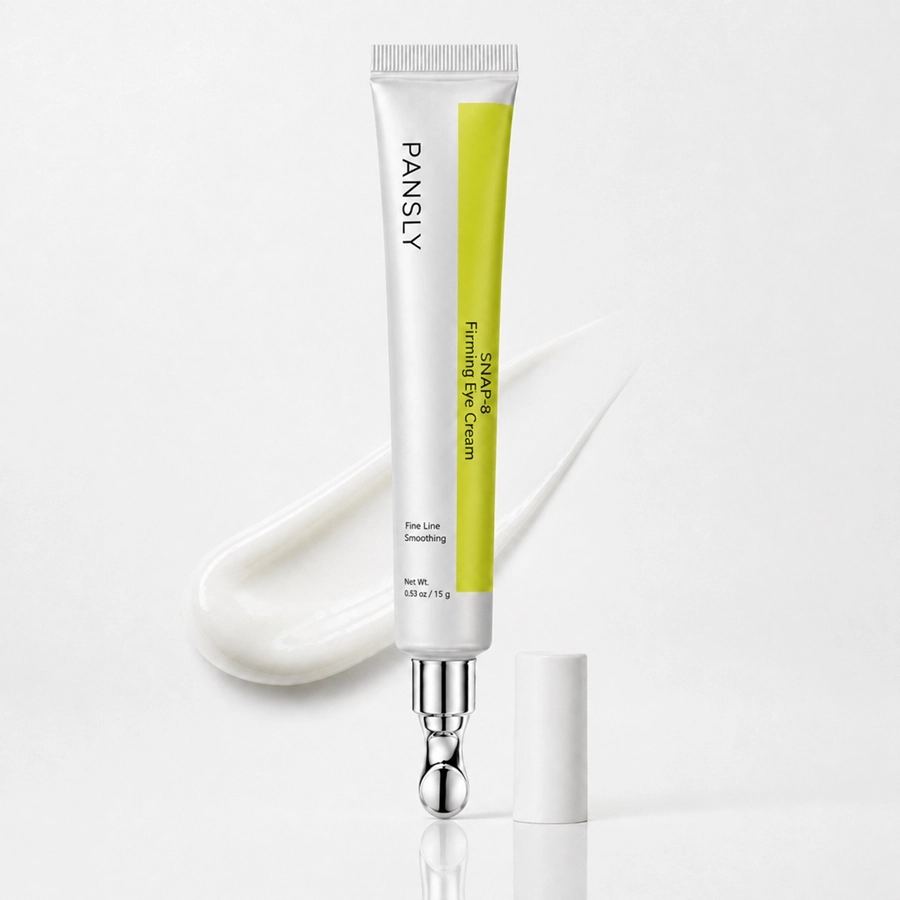
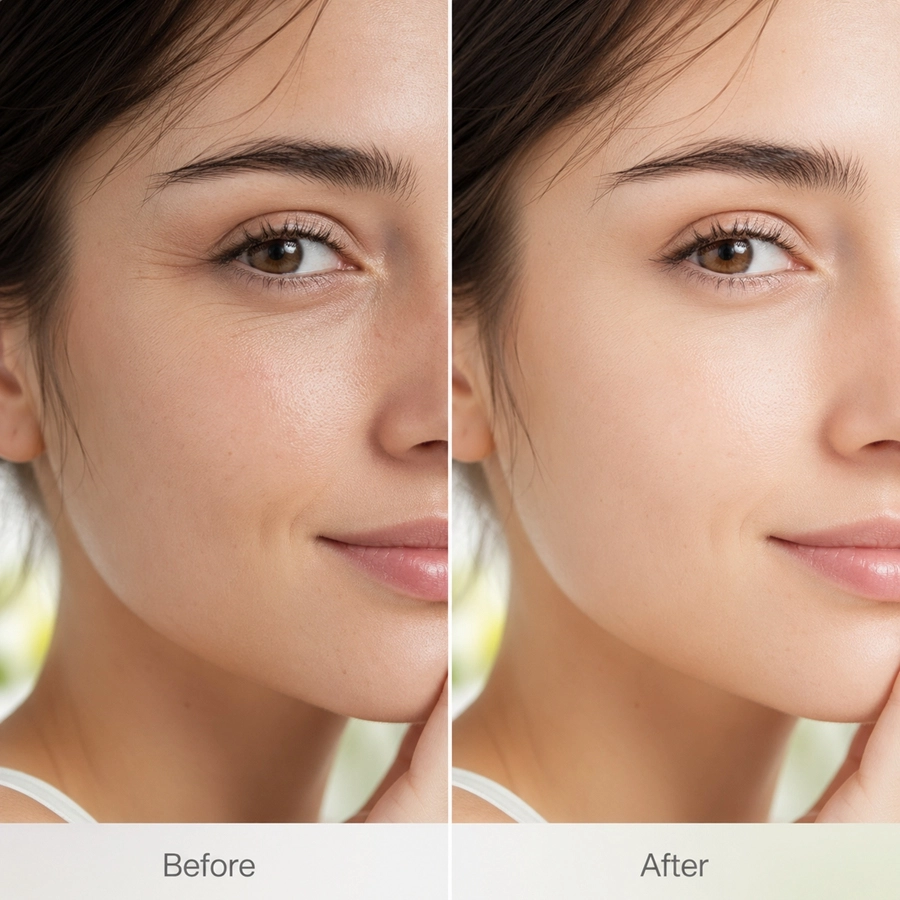
This Pansly SNAP-8 Firming Eye Cream is lightweight massage roller eye cream dedicated to smoothing eye fine lines, lifting saggy eye skin and refreshing tired puffy eyes.
It adopts 4-in-1 peptide eye care complex: SNAP-8 visibly smooths crow’s feet and under-eye fine lines; Caffeine eliminates eye puffiness and awakens dull tired eye area; Peptide Complex lifts loose eye skin to tighten eye contour; Hyaluronic Acid delivers lightweight lasting hydration to nourish dry eye skin.
Comes with built-in metal massage roller for comfortable massage application. Silky lightweight cream texture glides smoothly without heavy greasiness. Daily eye care softens fine lines, firms saggy eye skin, relieves eye fatigue and maintains plump smooth youthful eye area.
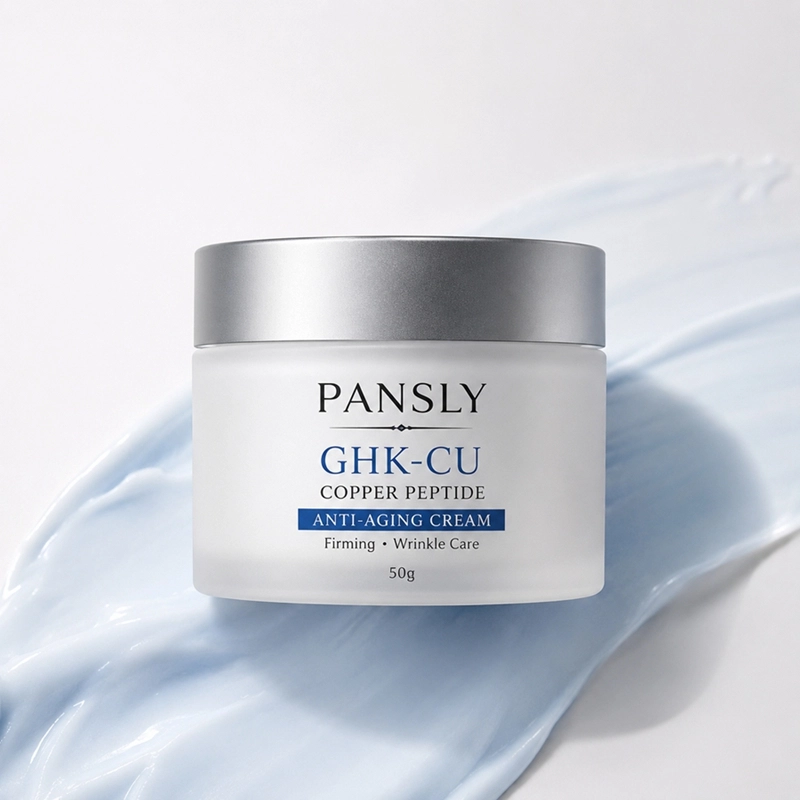
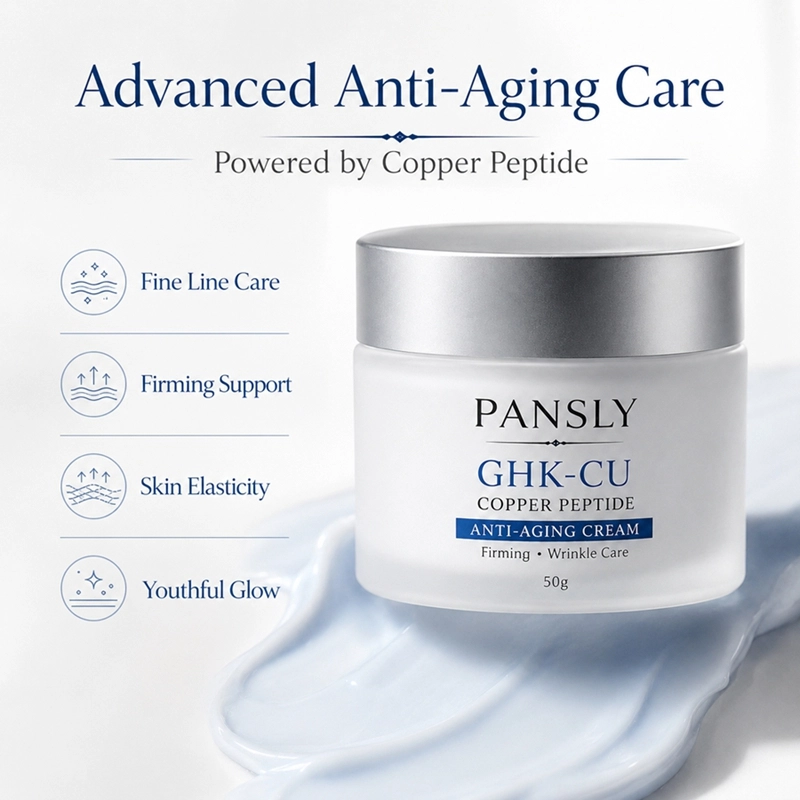
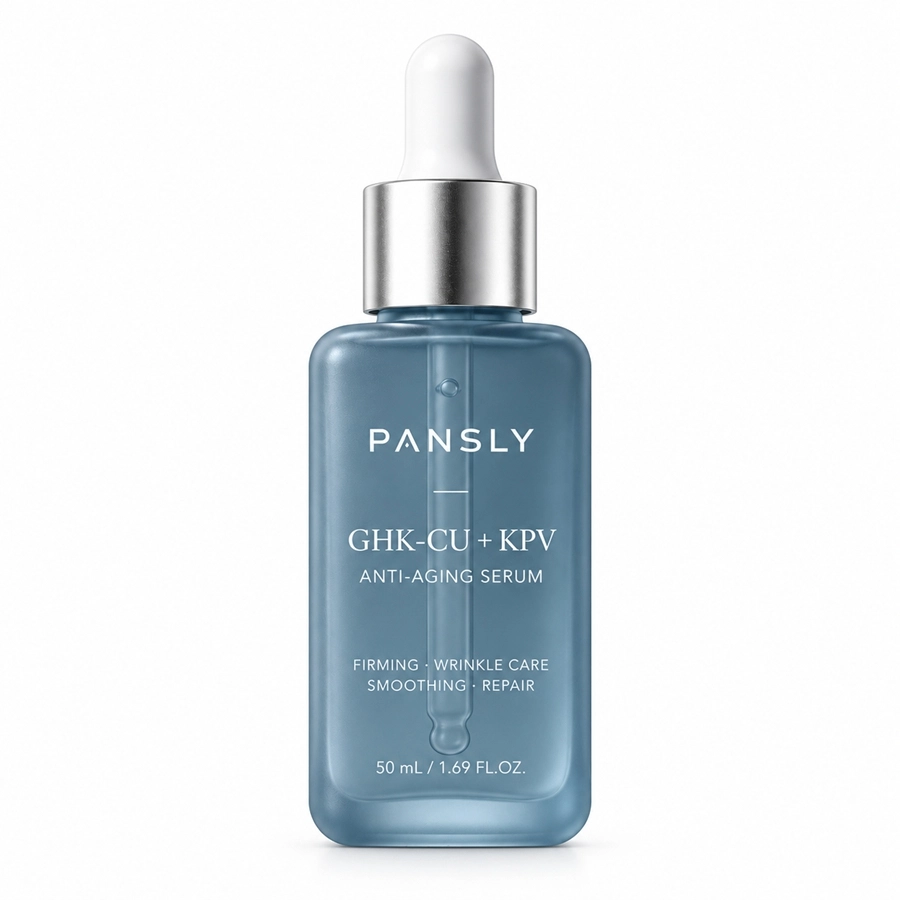
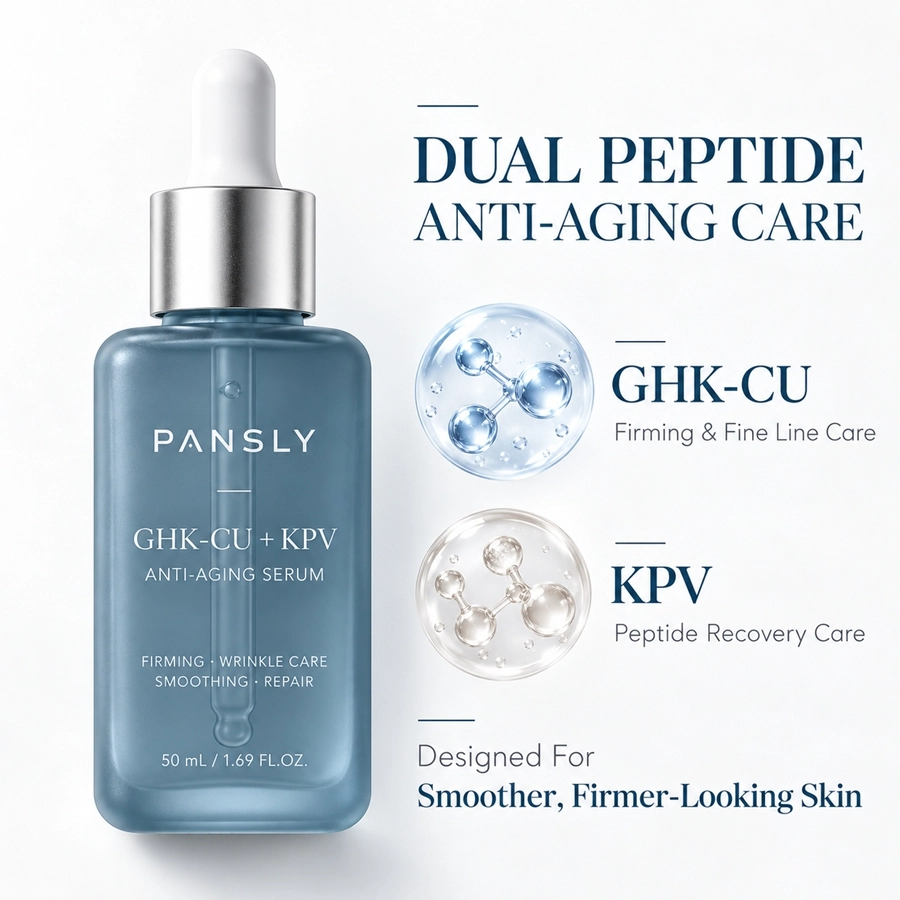
GHK-Cu KPV serum for skin is a private-label peptide face serum formulated for a firming, smoothing routine. This GHK-CU KPV Serum is positioned for wrinkle care and skin repair, making it a practical addition to an anti-aging skincare range.
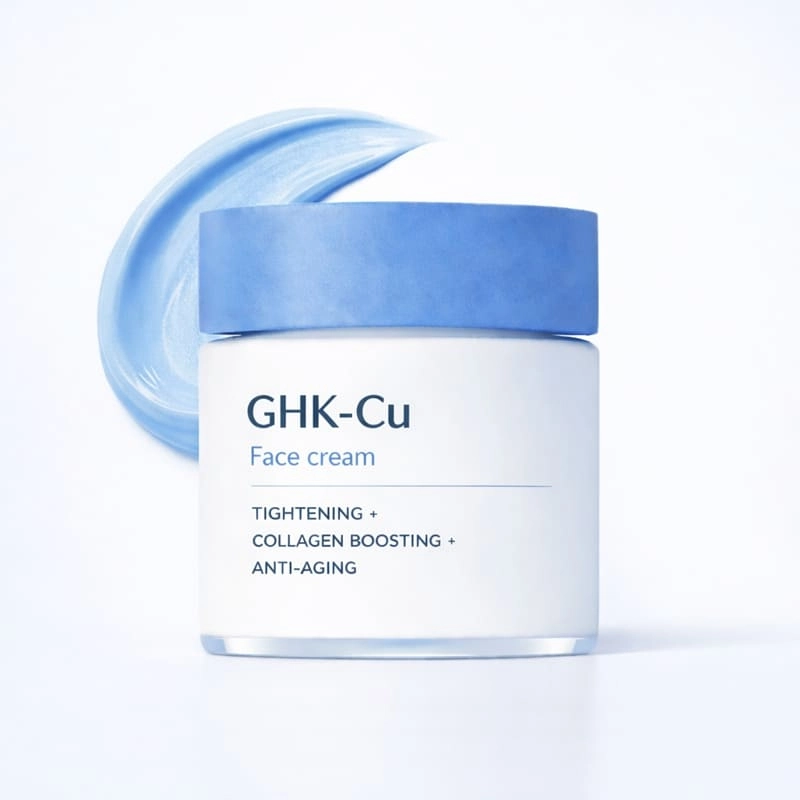
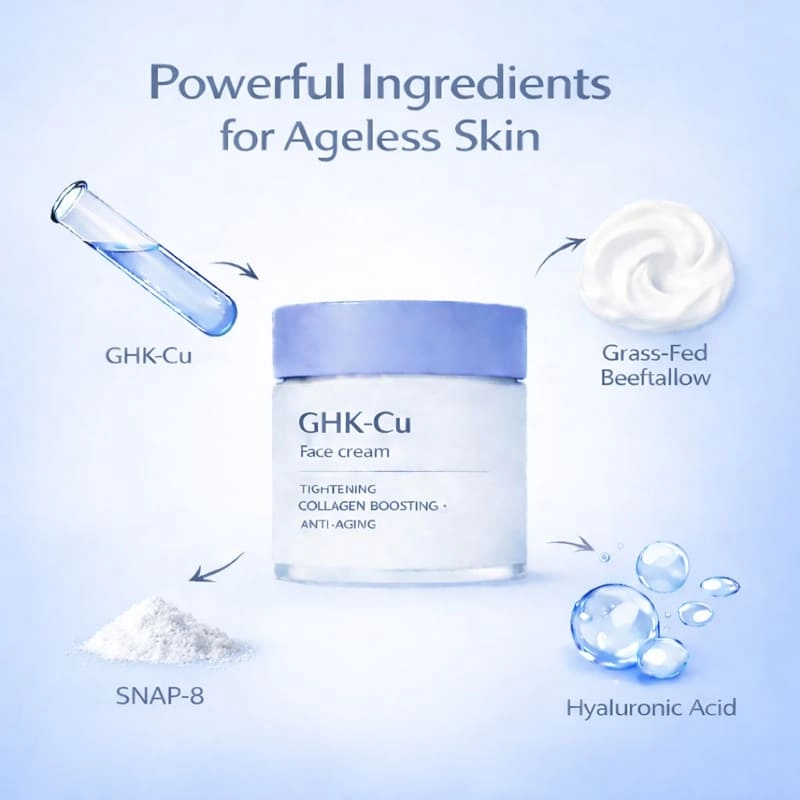
This GHK-Cu & SNAP-8 Beef Tallow Anti-Wrinkle Cream represents a unique fusion of traditional skin nourishment and cutting-edge peptide science. By utilizing Grass-Fed Beef Tallow as a bio-compatible base, the formula provides a rich profile of vitamins A, D, E, and K that mimics the skin's natural sebum for unparalleled absorption. This nutrient-dense foundation is supercharged with GHK-Cu (Copper Peptide) to support dermal density and SNAP-8 (Octapeptide-3) to help relax the appearance of expression lines and deep-set wrinkles.
Designed specifically for aging or depleted skin, this intensive cream provides a protective moisture barrier while actively working to improve firmness and elasticity. The result is a multi-layered approach to rejuvenation that smooths texture, deeply hydrates, and restores a youthful, resilient "bounce" to the complexion without the use of synthetic fillers.
Get in Touch with us
If you have any comments or good suggestions, please leave us a message; later our professional staff will contact you as soon as possible.
Click here to customize the Beauty
we respond within a few hours
Monday–Friday, 9AM–6PM
3A01, Building A, Zhisheng Square, No. 4 Zhifu Road, Helong Street, Baiyun District, Guangzhou, China.


Leave a request, and we'll email you back within 24 hours.
© 2026 Beyond Basix. All Rights Reserved.
