
Why Is Hydrogel a Popular Format for PDRN Eye Care?
Quick Answer
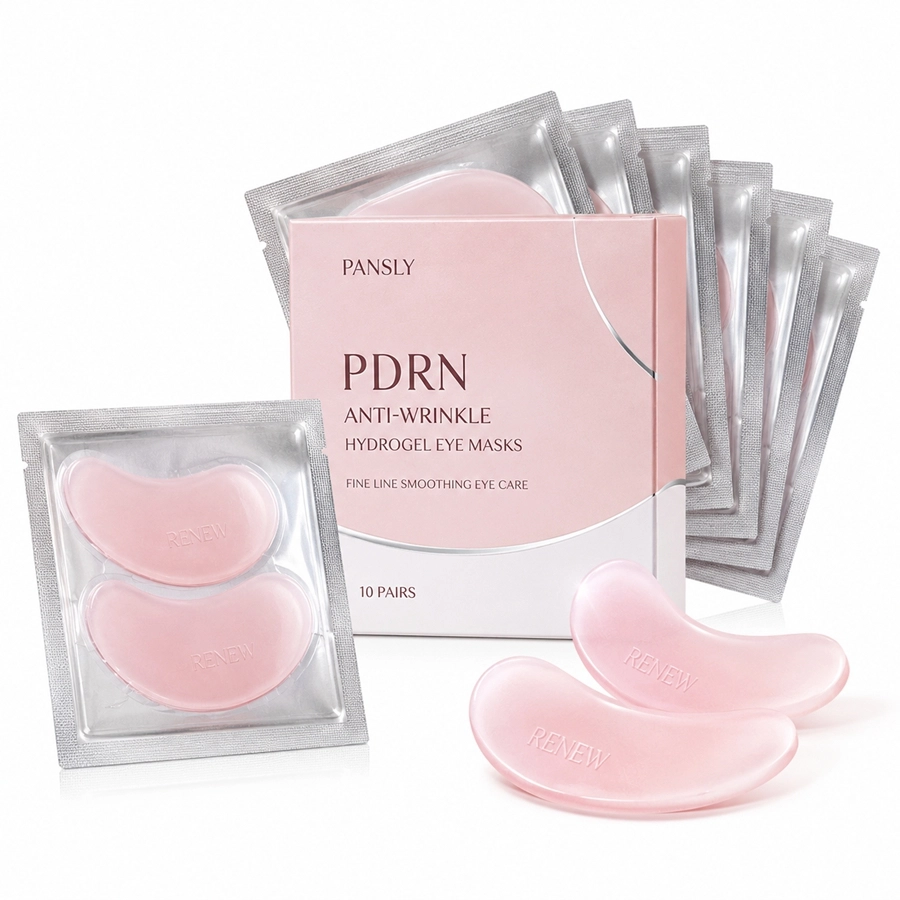
pdrn hydrogel eye patches are popular because their water-rich, flexible matrix conforms to the under-eye area, supports close serum contact, and provides a cooling sensory experience. Beyond Basix can help assess formulation compatibility, patch dimensions, packaging, and stability requirements. Final solutions depend on the specific project, product testing, target market, and manufacturing conditions.
How Beyond Basix Supports Projects
Beyond Basix provides OEM and ODM skincare development supported by more than 23 years in cosmetics research, production, and sales. Its 12,000-square-meter facility includes a 100,000-level GMPC pharmaceutical-grade dust-free workshop and 12 production lines. Relevant development work can cover formula adjustment, patch format selection, filling, packaging coordination, and production quality control.
Buyers should confirm PDRN source and specification, formula viscosity, hydrogel dimensions, sachet configuration, preservation approach, claims, and target-market compliance. Beyond Basix holds certifications and documents including ISO 9001, CE, MSDS, GMP, and HALAL; the applicable testing scope, MOQ, lead time, and quotation must be confirmed for each project.
Discuss Your PDRN Hydrogel Eye Patch Project
Share your target market, expected claims, PDRN specification, patch dimensions, packaging format, forecast volume, and required launch date. These details allow discussion of suitable formulation and format options, sample steps, testing priorities, and production planning. Visit www.beyondbasixcosmetics.com or email Lily@lanthome.com to discuss your project with Beyond Basix.
Frequently Asked Questions
Why does hydrogel suit PDRN formulas around the eyes?
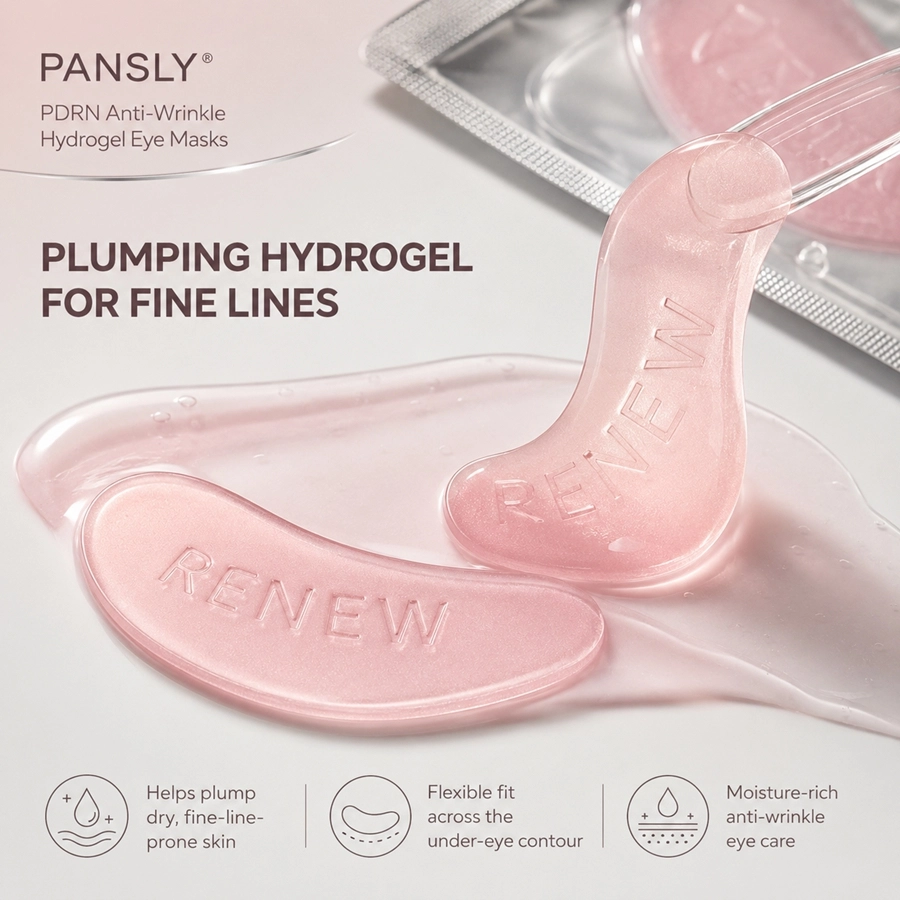
The under-eye area benefits from a patch that can maintain close, even contact without the stiffness of a dry sheet. A hydrogel is a three-dimensional, water-containing polymer network that can be cut into a contoured shape and loaded with an aqueous cosmetic essence. Its cooling feel comes mainly from water evaporation and heat transfer, not from PDRN itself. This format can also reduce essence movement during the intended wear period. However, hydrogel contact does not prove that PDRN penetrates to a particular skin depth. Formula composition, molecular characteristics, wear time, skin condition, and local cosmetic regulations determine what performance and claims can reasonably be supported.
Can hydrogel patches improve PDRN absorption into skin?
They may improve hydration and contact conditions, but the format alone should not be presented as a proven absorption enhancer. Hydration can temporarily soften the outer stratum corneum, while occlusive contact may reduce evaporation and keep ingredients against the skin. These effects do not establish delivery of intact polynucleotides into deeper tissue. Brands should distinguish cosmetic moisturization and appearance claims from drug or medical claims, which are jurisdiction-dependent. A responsible development program evaluates the finished formula rather than assuming that a higher PDRN concentration or longer wear time produces better delivery. Stability, preservative performance, irritation testing, and substantiated claims are more useful decision points than marketing language about penetration.
Which hydrogel properties matter for private label eye patches?
Important properties include mechanical strength, elasticity, thickness, water retention, serum release, adhesion, residue, and dimensional consistency after storage. A patch that is too wet may slide; one that is too dry may feel tight or release insufficient essence. Excessive tack can create uncomfortable removal, while insufficient adhesion reduces contact. The polymer system and crosslinking method influence these outcomes, so buyers should request finished-product specifications rather than selecting by the word hydrogel alone. Shape and edge design also matter because the product must fit the orbital area without approaching the eye excessively. Pilot samples should be assessed for fit, handling, wear comfort, and appearance after use.
How should brands test PDRN hydrogel patch stability?
Stability work should examine the complete filled sachet, not only the bulk essence or unused gel. Typical evaluation points include appearance, odor, color, pH, viscosity where relevant, patch integrity, liquid separation, adhesion, net content, seal integrity, and assay or identity testing for the declared active when a validated method is available. Microbiological quality and preservative effectiveness are also important for a water-rich product. Testing should cover the intended packaging and relevant storage conditions, with accelerated studies used as development evidence rather than treated as a substitute for real-time data. The exact protocol, acceptance criteria, and claim support should be set with the manufacturer and target-market requirements.
Are PDRN eye patches suitable for sensitive skin?
Suitability cannot be inferred from the presence of PDRN or from the hydrogel format. Sensitivity risk is influenced by the complete formula, including fragrance, preservatives, solvents, botanical components, adhesive behavior, pH, and potential impurities. The thin periocular area also increases the importance of avoiding migration into the eye. Development should use an appropriate safety assessment, controlled human-use or dermatological testing where required, and clear directions such as avoiding application to damaged skin. Claims such as hypoallergenic, ophthalmologist-tested, or suitable for sensitive skin require defined test evidence and regulatory review. A lower-irritancy formula still needs finished-product verification.
What packaging prevents hydrogel eye patches from drying?
Primary packaging must limit moisture loss and protect the product from contamination throughout its intended shelf life. Individually sealed sachets are common because they reduce repeated exposure, but material selection, seal quality, headspace, filling accuracy, and storage conditions all affect performance. A visually strong pouch is not sufficient if its moisture-barrier properties do not match the formula. Packaging compatibility testing should check seal integrity, leakage, delamination, print interaction, odor transfer, and changes in patch weight or texture over time. Brands should also confirm whether one or two patches are packed per sachet, how the essence is distributed, and whether transport conditions could increase heat exposure or evaporation.
Related Articles for Private Label Cosmetics

Why Two Mineral Sunscreens With the Same SPF Can Feel Completely Different

Beyond Ordinary Tallow Balm: How GHK-Cu and SNAP-8 Create a Different Skincare Story

When Blue Copper Peptides Meet Beef Tallow: A New Direction for Premium Skincare

PDRN Toner Pads vs GHK-Cu + SNAP-8 Peptide Toner Pads: Private Label Manufacturing Decisions
You May Also Like
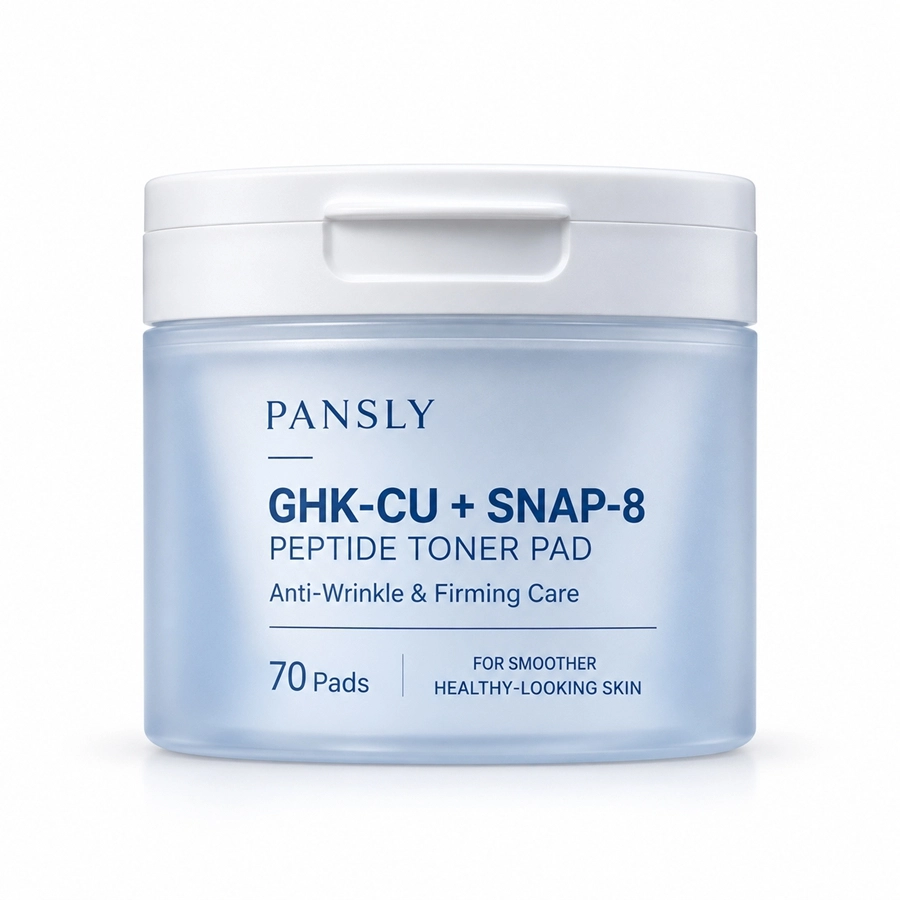
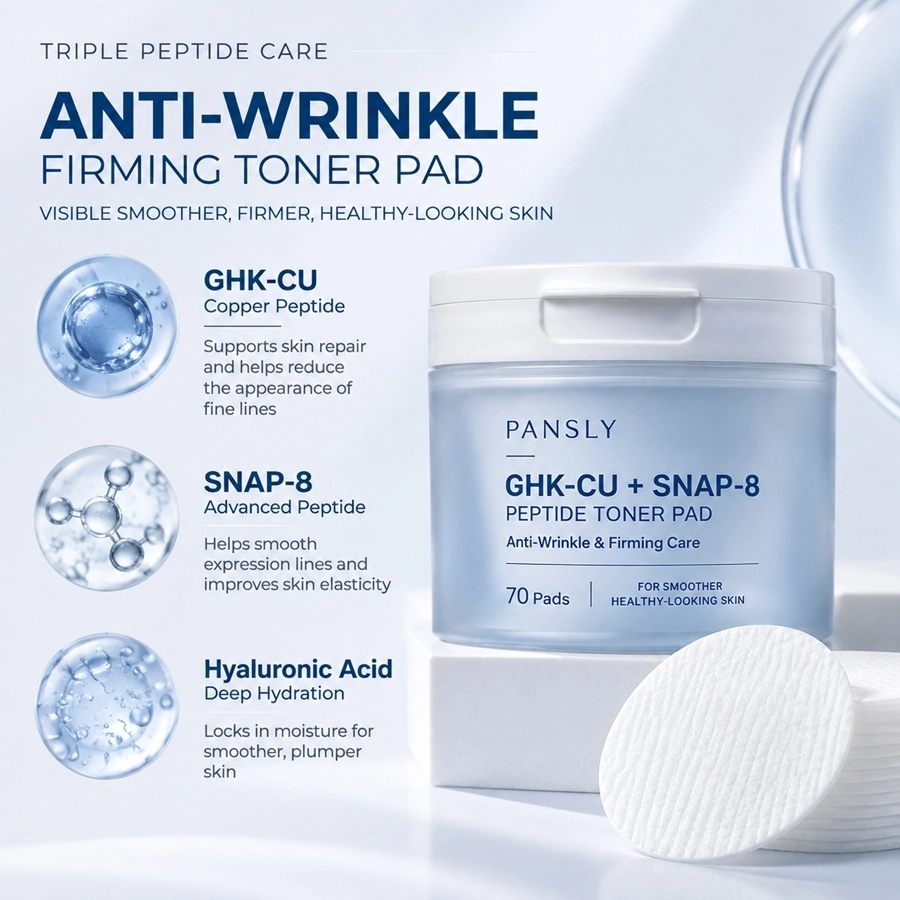
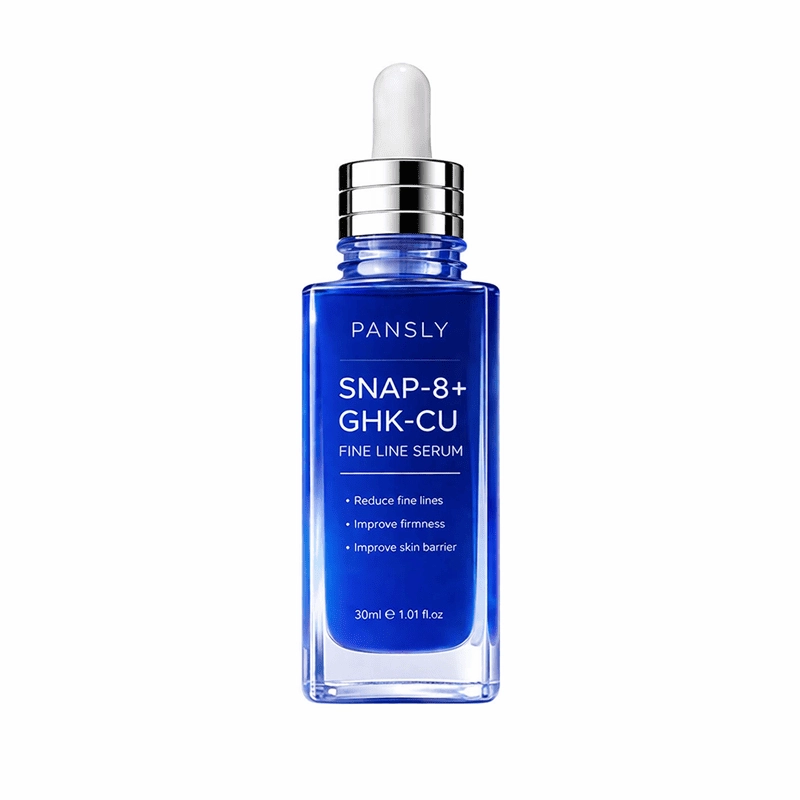
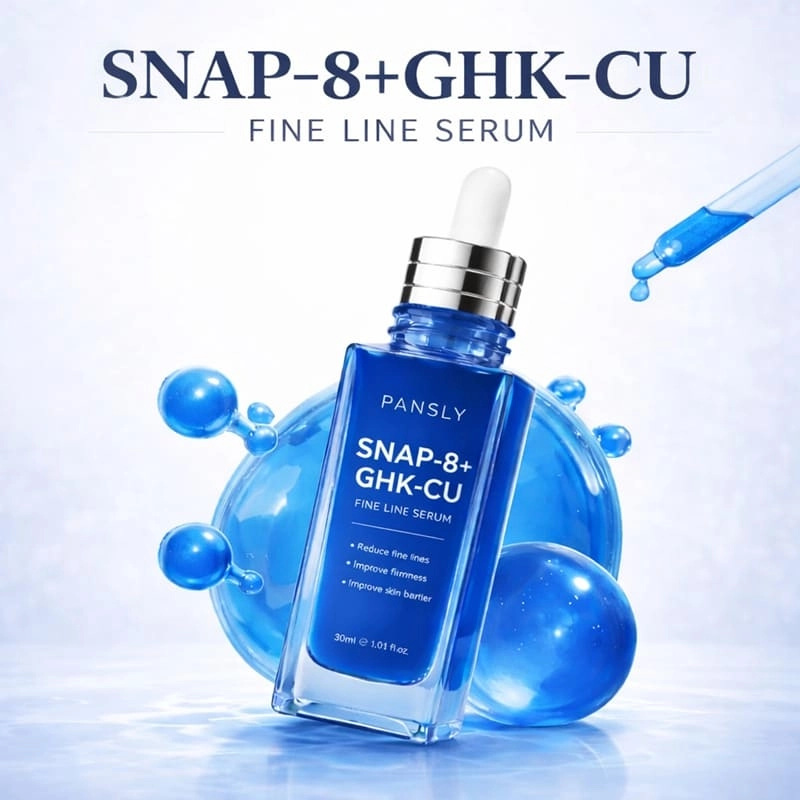
Private label GHK-Cu + SNAP-8 copper peptide serum for beauty brands developing peptide-led anti-aging and expression-line skincare. The formula combines a copper-peptide ingredient story with SNAP-8 positioning and can be discussed with custom texture, supporting skincare ingredients and packaging options.
Beyond Basix supports OEM/ODM sample development, packaging coordination and production planning. Final ingredient levels, claims, MOQ and lead time are confirmed according to the approved formula, target market and order requirements.
Get in Touch with us
If you have any comments or good suggestions, please leave us a message; later our professional staff will contact you as soon as possible.
Click here to customize the Beauty
we respond within a few hours
Monday–Friday, 9AM–6PM
3A01, Building A, Zhisheng Square, No. 4 Zhifu Road, Helong Street, Baiyun District, Guangzhou, China.


Leave a request, and we'll email you back within 24 hours.
© 2026 Beyond Basix. All Rights Reserved.
