
Why Pair NAD+ With Peptides Instead of Using NAD+ Alone?
Quick Answer
Pairing NAD+ with selected peptides can give a product more than one formulation rationale: NAD+ is positioned around cellular cofactor biology, while peptides may support signaling or surface-conditioning claims depending on their identity. A nad+ peptide serum therefore requires ingredient compatibility, pH, stability, packaging, and claim substantiation review. Beyond Basix can assess project-specific options; final solutions depend on testing and project conditions.
How Beyond Basix Supports Projects
Guangzhou Beyond Basix Cosmetics Ltd. supports skincare development through OEM/ODM manufacturing, ingredient-focused formulation work, and production in a 12,000-square-meter facility. Its 100,000-level GMPC pharmaceutical-grade dust-free workshop and 12 production lines provide an established manufacturing setting for serum projects. The company has more than 23 years of experience in research, production, and sales, including 12 years focused on effective skincare ingredients.
For an NAD+ and peptide concept, buyers can discuss formula direction, dosage strategy, packaging compatibility, production requirements, and documentation scope. Beyond Basix holds certifications and documents including ISO 9001, GMP, CE, MSDS, and HALAL, subject to project applicability. MOQ, lead time, testing scope, and quotation must be confirmed for each project.
Discuss Your NAD+ Peptide Serum Project
Share your target market, regulatory region, skin-care claims, preferred format, target skin type, packaging choice, and expected launch quantity so suitable formulation and sample steps can be discussed. Visit www.beyondbasixcosmetics.com or email Lily@lanthome.com to begin a project-specific evaluation.
Frequently Asked Questions
Why does topical NAD+ need peptide support in serum design?
NAD+ is a naturally occurring coenzyme involved in cellular redox reactions and energy-related pathways, but topical cosmetic performance cannot be assumed from its biological role alone. Adding a selected peptide may create a complementary claim strategy, such as supporting the appearance of firmness, smoothing, or conditioning, depending on the peptide’s documented mechanism and permitted claims. This is not proof of synergy. A formula using NAD+ alone may be appropriate when the brand wants a simpler concept, while a combination requires evidence that both ingredients remain compatible and contribute meaningfully to the finished product.
Which peptides complement NAD+ without creating compatibility problems?
There is no universal best peptide pairing. Signal peptides, carrier peptides, enzyme-inhibitory peptides, and conditioning peptides have different structures, recommended use levels, pH preferences, preservatives, and evidence standards. Some may be sensitive to hydrolysis, oxidation, metal ions, or processing temperatures. The development team should review each supplier’s technical dossier, INCI name, recommended pH range, solvent system, active concentration, and storage guidance before selecting a partner. Compatibility should then be checked in the complete base rather than inferred from isolated ingredient specifications.
Is NAD+ stability more important than peptide concentration for brands?
Both matter, but concentration alone is a weak basis for product quality. NAD+ and peptides can be affected by pH, heat, oxygen, light, water activity, container interaction, and repeated opening during consumer use. A higher active level may also increase cost or create formulation stress without improving the substantiated consumer benefit. Brands should establish a stability protocol covering appearance, odor, pH, viscosity, microbiological quality, and relevant active-marker or assay testing where technically available. Light-protective packaging and controlled processing may help, but their suitability must be demonstrated in the finished product.
How should OEM teams validate claims for NAD+ peptide products?
Claims should be built from the exact raw materials, finished formula, target market, and available evidence. Supplier studies can inform ingredient positioning, but they do not automatically substantiate the finished cosmetic. The brand should distinguish cosmetic appearance claims from therapeutic or disease-related claims, which may trigger different regulatory requirements. A defensible dossier can combine literature review, supplier documentation, formula safety assessment, stability results, consumer-use testing, and instrumental or expert evaluation where appropriate. Marketing language should remain proportionate to the evidence and comply with the destination market’s cosmetic rules.
What testing separates genuine performance from short-term hydration effects?
A well-designed evaluation uses a comparator and controls confounding factors. For example, a peptide-containing formula can be compared with the same base without the peptide, while an NAD+ combination can be compared with an NAD+-free version when practical. Hydration measurements taken shortly after application may reflect humectancy or film formation rather than longer-term appearance changes. Testing should specify the population, application period, environmental conditions, endpoints, sample size rationale, and statistical method. Instrumental measurements, standardized photography, self-assessment, and tolerability monitoring can provide different forms of evidence, but none should be presented as proof beyond the study design.
Can one formula suit every market, skin type, and format?
A single formula may be adapted across markets, but it should not be presumed suitable for all of them. Regional rules can differ for ingredient naming, claims, notification, labeling, allergens, preservatives, and required product documentation. Skin type, climate, packaging, and use pattern also influence sensory performance and stability. A lightweight pump serum may need different rheology and protection from a richer dropper product. OEM planning should therefore define the target consumer, climate, package, regulatory destination, and claim set before locking the base. Pilot batches and market-specific review can reduce avoidable reformulation risk.
Related Articles for Private Label Cosmetics

Why Two Mineral Sunscreens With the Same SPF Can Feel Completely Different

Beyond Ordinary Tallow Balm: How GHK-Cu and SNAP-8 Create a Different Skincare Story

When Blue Copper Peptides Meet Beef Tallow: A New Direction for Premium Skincare

PDRN Toner Pads vs GHK-Cu + SNAP-8 Peptide Toner Pads: Private Label Manufacturing Decisions
You May Also Like
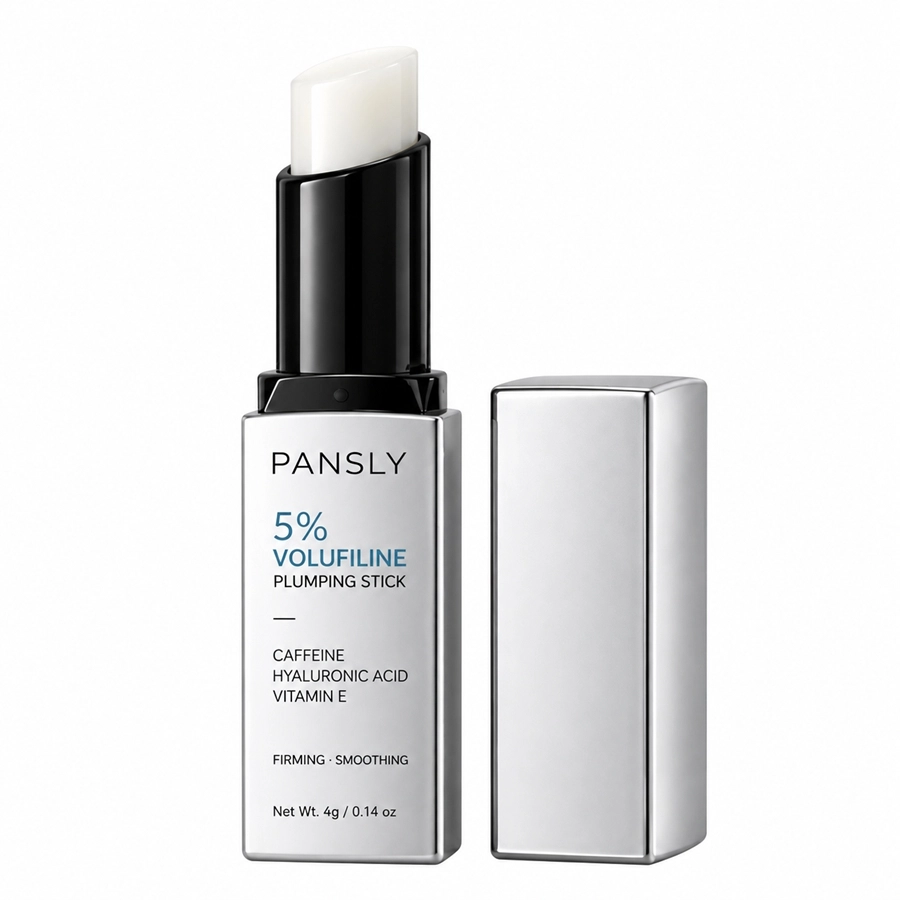
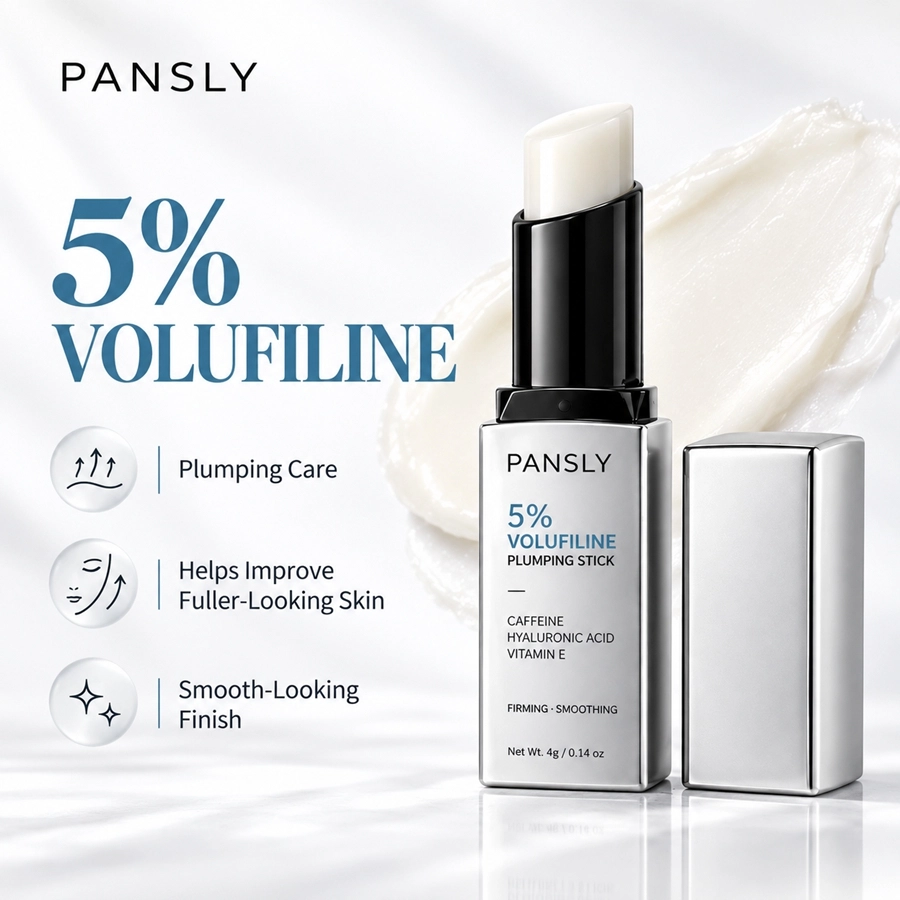
The Volufiline Plumping Stick contains 5% Volufiline in a portable balm for targeted facial care. Apply the Volufiline Lip Plumping Balm Stick to moisturize lips and dry areas, or use the Volufiline Anti Wrinkle Multi Balm to help skin feel smooth and hydrated.
Get in Touch with us
If you have any comments or good suggestions, please leave us a message; later our professional staff will contact you as soon as possible.
Click here to customize the Beauty
we respond within a few hours
Monday–Friday, 9AM–6PM
3A01, Building A, Zhisheng Square, No. 4 Zhifu Road, Helong Street, Baiyun District, Guangzhou, China.


Leave a request, and we'll email you back within 24 hours.
© 2026 Beyond Basix. All Rights Reserved.
