
Why Are PDRN and Centella Often Paired in Soothing Skincare?
Quick Answer
PDRN and Centella are often paired because they address different formulation objectives: PDRN is positioned around skin-conditioning and recovery-support claims, while Centella supplies a familiar soothing narrative through its triterpenes. A pdrn centella soothing serum should be selected by ingredient identity, concentration, vehicle compatibility, stability data, and claim requirements. Beyond Basix can align these factors, but final solutions depend on specific projects, testing, and manufacturing conditions.
How Beyond Basix Supports Projects
Guangzhou Beyond Basix Cosmetics Ltd. provides OEM and ODM development within a 12,000-square-meter facility containing a 100,000-level GMPC pharmaceutical-grade dust-free workshop and 12 production lines. Its 23 years of experience across research, production, and sales supports structured discussions around a PDRN and Centella serum, including ingredient selection, formula direction, packaging coordination, and production planning.
Buyers should confirm the PDRN ingredient identity, Centella extract standardization, target texture, packaging format, intended market, claim boundaries, and required testing scope. Available certifications include ISO 9001, CE, MSDS, GMP, and HALAL, subject to the relevant product and project requirements. MOQ, lead time, testing scope, and quotation must be confirmed per project.
Discuss Your PDRN Centella Serum Project
Share your target market, product positioning, preferred PDRN source, Centella format, desired texture, package type, expected order volume, and claim direction. These details support discussion of suitable formula options, sample stages, testing priorities, packaging coordination, MOQ, and lead time. Visit www.beyondbasixcosmetics.com or email Lily@lanthome.com to discuss your project with Beyond Basix.
Deep-Dive FAQs
Why do PDRN and Centella complement each other in serum formulas?
The pairing is mainly complementary rather than proof of a special chemical synergy. PDRN refers to polydesoxyribonucleotide, a DNA-derived material used in some cosmetic and medical contexts, while Centella asiatica contributes triterpenes such as asiaticoside, madecassoside, asiatic acid, and madecassic acid. In a cosmetic serum, Centella supports a recognizable soothing and skin-comfort narrative, while PDRN can support skin-conditioning and recovery-oriented positioning depending on the ingredient specification and applicable regulations. The formula still needs to be assessed as a complete system because the vehicle, preservative system, concentration, and packaging influence tolerability and performance.
Is PDRN actually soothing, or is Centella doing most work?
Centella has a longer and more familiar cosmetic history for soothing, redness-related comfort, and sensitive-skin positioning, although the strength of evidence depends on the extract, marker compounds, and study design. PDRN should not automatically be treated as a proven soothing active in every cosmetic formula. Its function and evidence vary by molecular profile, source, purification, and intended use. For a private-label product, brands should avoid assigning the entire calming effect to PDRN without substantiation. A more defensible approach is to define the role of each ingredient, test the finished formula, and use claims supported by product-specific evidence rather than ingredient reputation alone.
What PDRN source and specification should private-label buyers verify?
Buyers should request the supplier's complete technical documentation rather than approving an ingredient based only on the PDRN label. Important checks include the INCI or regulatory identity, source material, manufacturing and purification approach, molecular-weight or fragment profile where disclosed, assay method, microbiological limits, heavy-metal limits, residual impurities, allergen information, storage requirements, and certificate of analysis. Salmon or trout-derived materials may also create origin, allergen communication, religious certification, or market-specific compliance questions. The accepted specification should be tied to the actual batch and destination market. Terms such as DNA sodium or PDRN are not interchangeable assumptions, so regulatory review is advisable before artwork and claims are finalized.
Can PDRN and Centella destabilize each other during manufacturing?
They do not automatically destabilize each other, but compatibility cannot be inferred from a simple ingredient list. Risks may arise from pH, water activity, heat exposure, oxygen, light, ionic ingredients, preservatives, botanical impurities, and the selected packaging. Centella extracts can vary in color and composition, while DNA-derived materials may require controlled processing and storage conditions specified by the supplier. Development should include accelerated and real-time stability work, appearance and odor monitoring, pH and viscosity checks, preservative efficacy evaluation where applicable, and packaging compatibility. Processing temperature and addition order should follow the raw-material specification. A pilot batch is more informative than relying on a theoretical active-ingredient pairing.
Which claims can a PDRN Centella serum legally support?
Claims depend on the destination market, product classification, ingredient documentation, and evidence generated for the finished product. Cosmetic language may describe hydration, skin conditioning, a refreshed appearance, or soothing comfort when those statements are appropriately substantiated and do not imply treatment of disease or repair of tissue. Medical-sounding claims such as wound healing, regeneration, scar treatment, or clinical recovery can create regulatory risk in many jurisdictions. Buyers should review the exact wording with local regulatory specialists, retain supporting test records, and confirm that advertising, packaging, influencer materials, and product pages use consistent language. Ingredient studies alone may not substantiate the same claim for the finished serum.
How should brands test a soothing serum before bulk ordering?
Before a bulk order, brands should evaluate both the formula and the commercial execution. A sensible sequence includes document review, laboratory sample assessment, skin-feel and appearance review, basic safety or irritation-related evaluation appropriate to the market, preservative efficacy testing where relevant, accelerated stability, real-time stability planning, and compatibility with the final container. The claim plan should be prepared alongside testing so the evidence matches the intended wording. Buyers should also confirm batch specifications, filling tolerances, label information, storage conditions, retain-sample procedures, and release criteria. Pilot production can reveal mixing, filling, color, viscosity, and packaging issues that small laboratory samples may not show.
Related Articles for Private Label Cosmetics

Why Two Mineral Sunscreens With the Same SPF Can Feel Completely Different

Beyond Ordinary Tallow Balm: How GHK-Cu and SNAP-8 Create a Different Skincare Story

When Blue Copper Peptides Meet Beef Tallow: A New Direction for Premium Skincare

PDRN Toner Pads vs GHK-Cu + SNAP-8 Peptide Toner Pads: Private Label Manufacturing Decisions
You May Also Like
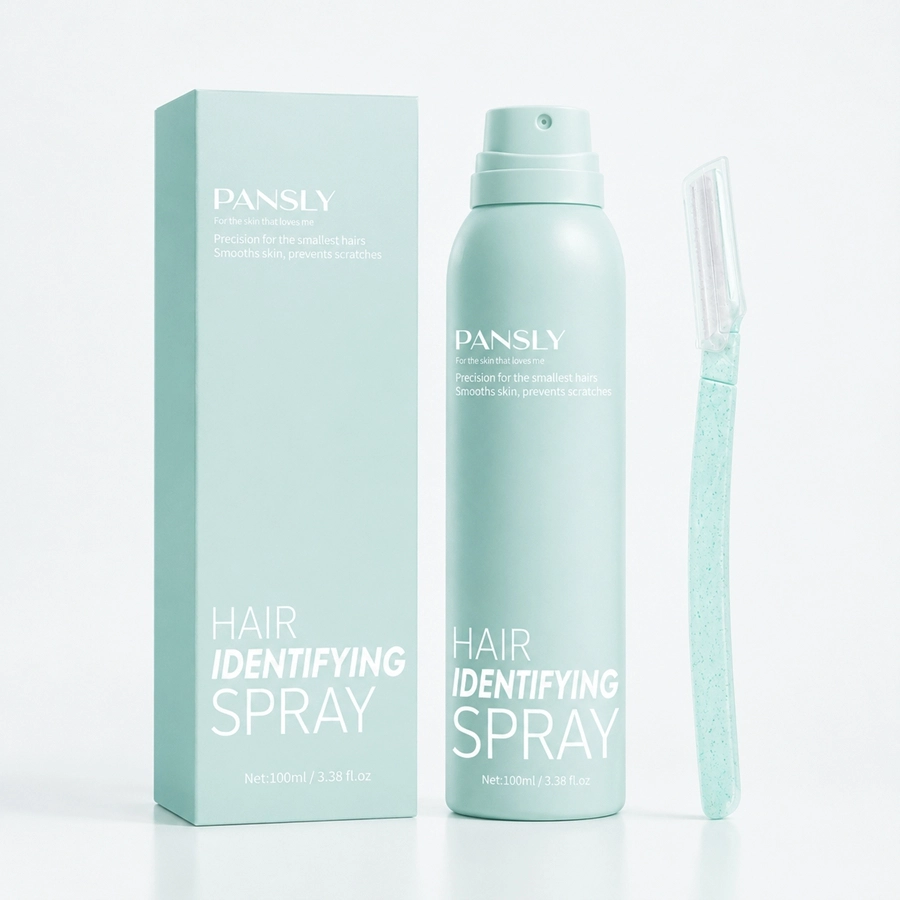
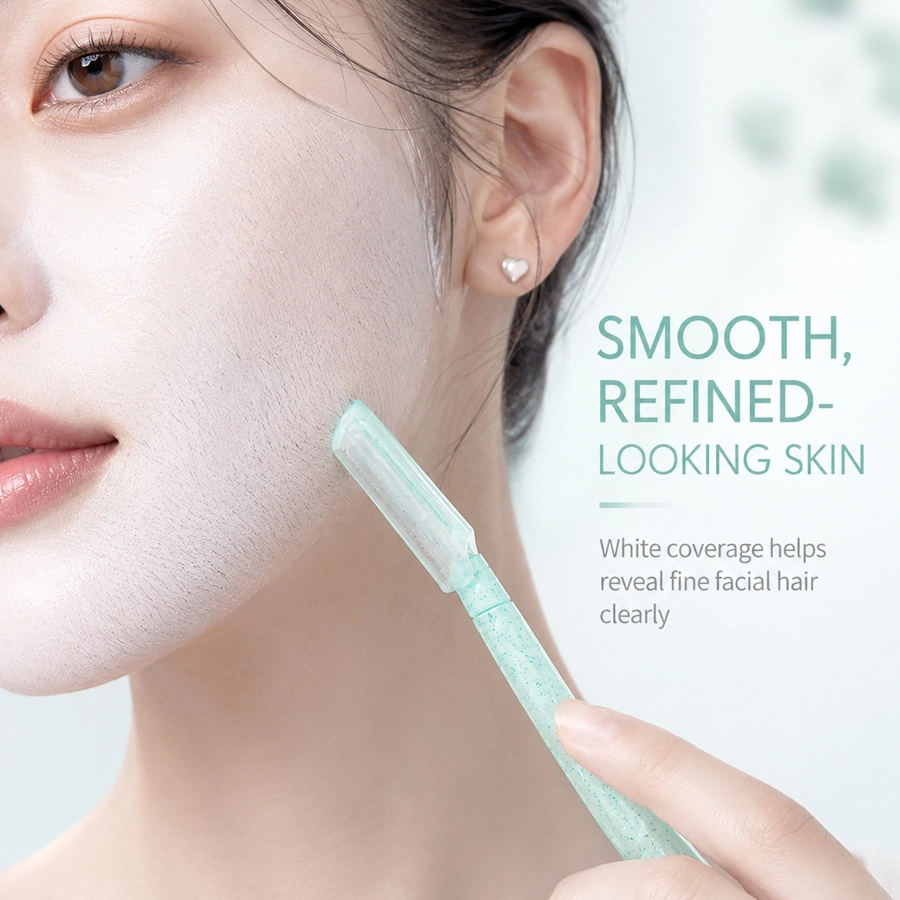
This Pansly Hair Identifying Spray Grooming Set includes a 100ml pre-shave hair identifying spray and a matching precision facial scraper, suitable for facial and body fine hair trimming.
Core functional ingredients:
Zea Mays (Corn) Starch: Forms a thin white film on dry skin to make invisible tiny vellus hairs clearly visible, supporting targeted accurate grooming;
Portulaca Oleracea Extract: Calms skin and alleviates irritation caused by scraping operations;
Hydrolyzed Keratin: Lubricates the skin surface to boost razor gliding and avoid scratches during hair removal;
Butylene Glycol: Offers gentle moisturization to keep skin comfortable throughout the grooming process.
You can finish the whole routine in 4 simple steps: Spray evenly on dry skin → Identify fine hairs via white coverage → Glide gently with the scraper → Wipe residues for silky smooth skin. It can be used on cheeks, upper lips, jawline, arms and more areas. We provide complete OEM/ODM private label service, including custom logo, multiple color selections, bulk order support and fast customization.
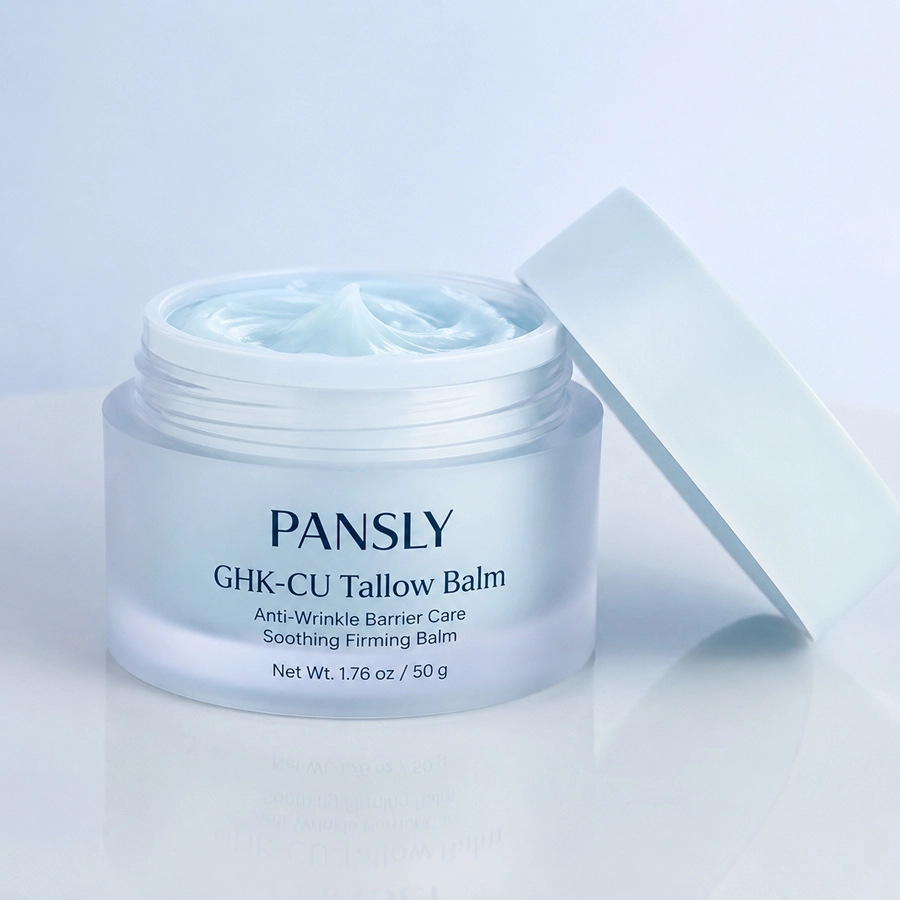
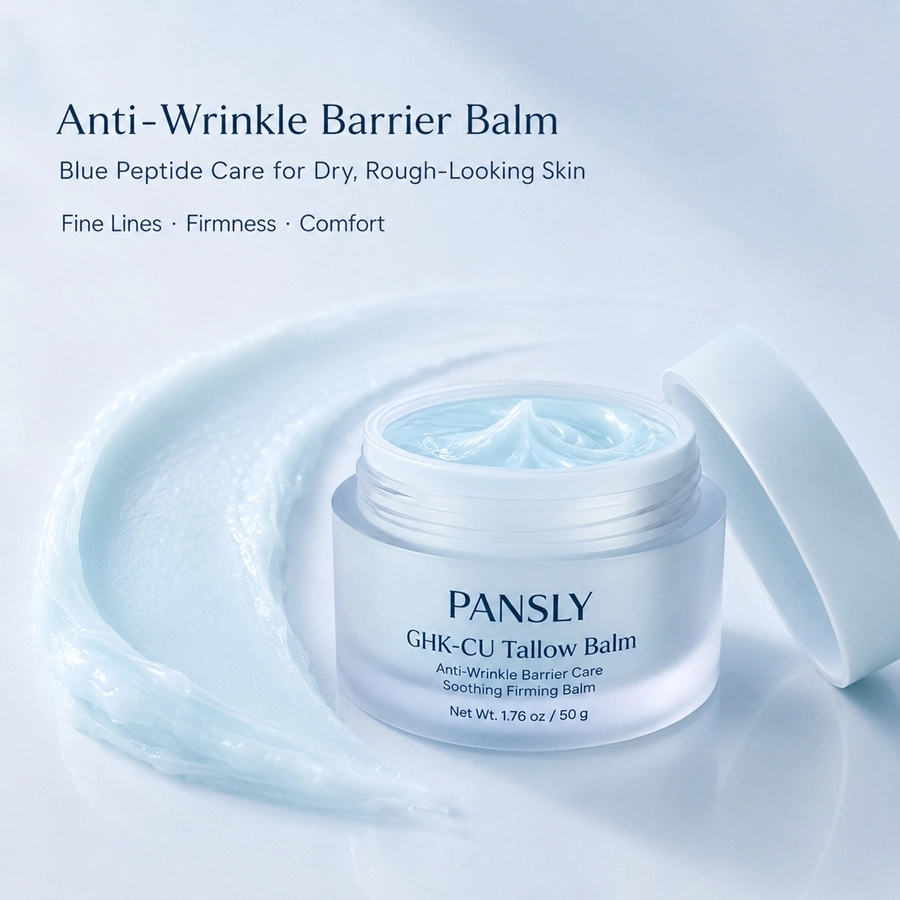
This Pansly GHK-CU + SNAP-8 Grass-Fed Tallow Anti-Wrinkle Barrier Balm is dual-peptide nourishing anti-wrinkle balm, specially developed for dry, rough textured skin, targeting fine lines, sagging contours and weakened skin barrier. Full OEM & ODM private label support is offered, including formula customization, packaging selection, fast sampling and bulk supply.
Five core premium active ingredients work synergistically for multi-dimensional skin care:
GHK-CU Copper Peptide lifts and firms loose skin to boost skin tightness and smooth fine lines;
SNAP-8 Peptide softens expression lines to reduce wrinkle visibility;
Grass-Fed Tallow delivers rich lipid nourishment to relieve persistent dry flaky rough skin;
Ceramide NP reconstructs skin moisture barrier to enhance skin comfort and resilience;
Squalane melts lightly into skin to provide silky long-lasting hydration.
Luxury rich light blue cushion balm texture glides smoothly and absorbs quickly without heavy greasy residue. Daily use improves dry rough texture, blurs dry fine lines, lifts saggy skin and stabilizes skin barrier, leaving skin soft, calm and smooth with healthy supple glow.
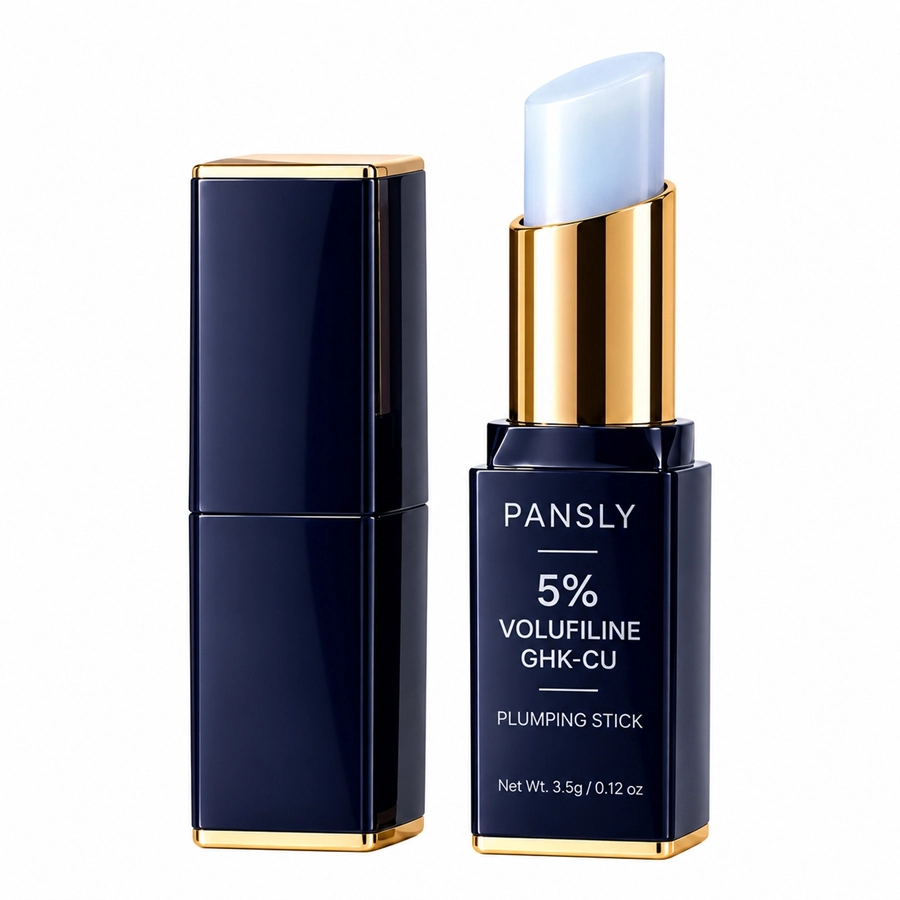
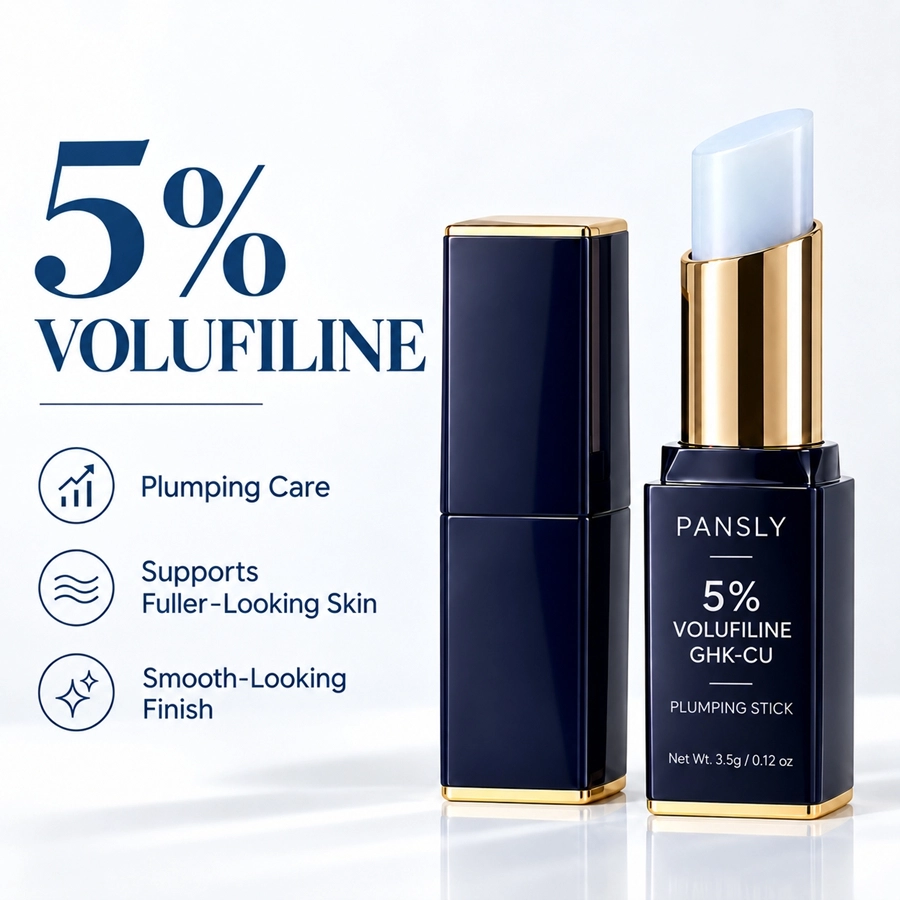
The Volufiline Plumping Stick contains 5% Volufiline in a portable balm for targeted facial care. Apply the Volufiline Lip Plumping Balm Stick to moisturize lips and dry areas, or use the Volufiline Anti Wrinkle Multi Balm to help skin feel smooth and hydrated.
Get in Touch with us
If you have any comments or good suggestions, please leave us a message; later our professional staff will contact you as soon as possible.
Click here to customize the Beauty
we respond within a few hours
Monday–Friday, 9AM–6PM
3A01, Building A, Zhisheng Square, No. 4 Zhifu Road, Helong Street, Baiyun District, Guangzhou, China.


Leave a request, and we'll email you back within 24 hours.
© 2026 Beyond Basix. All Rights Reserved.
