
Why Is Urea Commonly Combined With Salicylic Acid in Intensive Foot Care?
Quick Answer
Urea softens and hydrates compacted outer skin, while salicylic acid loosens bonds between excess keratinized cells, so their functions can complement each other in intensive care. A 40% urea foot cream should be assessed through concentration, salicylic acid level, pH, irritation potential, packaging compatibility, and intended market claims. Beyond Basix can support formulation and manufacturing decisions, but the final solution depends on project specifications, testing, and use conditions.
How Beyond Basix Supports Projects
Beyond Basix develops skincare products with effective ingredients and provides OEM/ODM support from formulation planning through production. For intensive foot care, relevant discussions may include the balance between keratolytic activity and skin comfort, product texture, packaging selection, batch consistency, and claim direction. Its 12,000-square-meter facility includes a 100,000-level GMPC pharmaceutical-grade dust-free workshop and 12 production lines.
Buyers should confirm target markets, ingredient limits, dosage format, package type, testing requirements, artwork claims, MOQ, and delivery expectations. Beyond Basix operates with documented quality systems and holds certifications including ISO 9001, GMP, MSDS, CE, and HALAL; however, MOQ, lead time, testing scope, and quotation must be confirmed for each project.
Discuss Your Intensive Foot-Care Formula
Share your target market, user profile, desired urea and salicylic acid levels, product format, package preference, planned claims, and expected order volume so suitable options, sample steps, testing priorities, and compliance considerations can be discussed. Visit www.beyondbasixcosmetics.com or email Lily@lanthome.com to discuss your intensive foot-care project.
Deep-Dive FAQs
Why pair high-strength urea with salicylic acid for cracked heels?
Urea and salicylic acid are both keratolytic ingredients, but they act through different mechanisms. Urea attracts water and disrupts the cohesion of hardened stratum corneum at higher use levels, helping soften thick skin. Salicylic acid helps loosen and shed excess surface cells by affecting the cohesion of corneocytes. This division of function can make the combination useful for callused heels, but it also increases the need for irritation assessment. Cracked or bleeding skin may sting, and a product should not be positioned as suitable for damaged skin without appropriate safety evidence.
Does salicylic acid improve penetration in a 40% urea cream?
It is more accurate to say that salicylic acid can reduce compact surface scale rather than promise enhanced ingredient penetration. By loosening accumulated keratin, it may help expose a more receptive surface, while urea simultaneously hydrates and softens the outer layer. The result depends on pH, concentration, vehicle, application frequency, skin condition, and contact time. A 40% urea foot cream is already an intensive keratolytic format, so adding salicylic acid should be justified by the intended degree of scaling and supported by stability and skin-compatibility testing. Marketing language should avoid presenting penetration as an automatic or clinically established outcome.
How should brands balance exfoliation and barrier support in formulation?
Formulators should treat exfoliation strength and barrier comfort as linked design variables, not separate benefits. Key decisions include the combined acid and urea levels, finished-product pH, emollient system, humectant balance, spreadability, and expected application frequency. Excessive keratolysis may cause burning, erythema, dryness, or increased sensitivity, particularly when users apply the product to fissured skin or cover the feet occlusively. A suitable prototype should be evaluated through repeat-use tolerance, preservative and microbiological testing, accelerated and real-time stability, and package compatibility. Clear directions can reduce overapplication and support more predictable consumer use.
Is this combination suitable for diabetic or sensitive-foot products?
Suitability cannot be inferred from the ingredient list alone. People with diabetes may have neuropathy, impaired circulation, reduced ability to feel irritation, or wounds requiring medical attention; a cosmetic foot product should not be presented as treating diabetic foot disease. Sensitive-skin positioning also requires conservative formulation choices and substantiated tolerance evidence. Buyers should define the intended user population, exclusion statements, warnings, usage frequency, and claim boundaries before development. If the product is intended for users with ulcers, infection, significant fissures, or reduced sensation, medical or clinical review is appropriate rather than relying only on cosmetic product testing.
Which testing parameters matter before launching intensive foot care?
A development program should verify raw-material identity, assay or active level, finished-product pH, viscosity, appearance, odor, microbial quality, preservative performance where applicable, and stability over the proposed shelf life. Compatibility testing is particularly important because concentrated urea, acidic ingredients, water activity, and package materials can affect texture, odor, leakage, or long-term performance. Human repeat-use testing can help characterize stinging, redness, dryness, and tolerability on intact skin. The test plan should reflect the target market and claims, since cosmetic, quasi-drug, and medicinal classifications may impose different evidence, labeling, and regulatory expectations.
What labeling and usage guidance should OEM buyers request?
OEM buyers should request an ingredient declaration, recommended directions, warnings, storage conditions, batch or lot traceability, shelf-life information, and claim-support documentation appropriate to the destination market. Directions should specify where the product is intended to be used, how often it may be applied, and whether users should avoid eyes, mucous membranes, broken skin, or simultaneous strong exfoliants. Salicylic acid restrictions and labeling expectations vary by jurisdiction and product category, so regulatory review is necessary before artwork approval. Claims such as treating fungal infection, diabetic complications, or medical fissures should not be used without the required classification and supporting evidence.
Related Articles for Private Label Cosmetics

Why Two Mineral Sunscreens With the Same SPF Can Feel Completely Different

Beyond Ordinary Tallow Balm: How GHK-Cu and SNAP-8 Create a Different Skincare Story

When Blue Copper Peptides Meet Beef Tallow: A New Direction for Premium Skincare

PDRN Toner Pads vs GHK-Cu + SNAP-8 Peptide Toner Pads: Private Label Manufacturing Decisions
You May Also Like
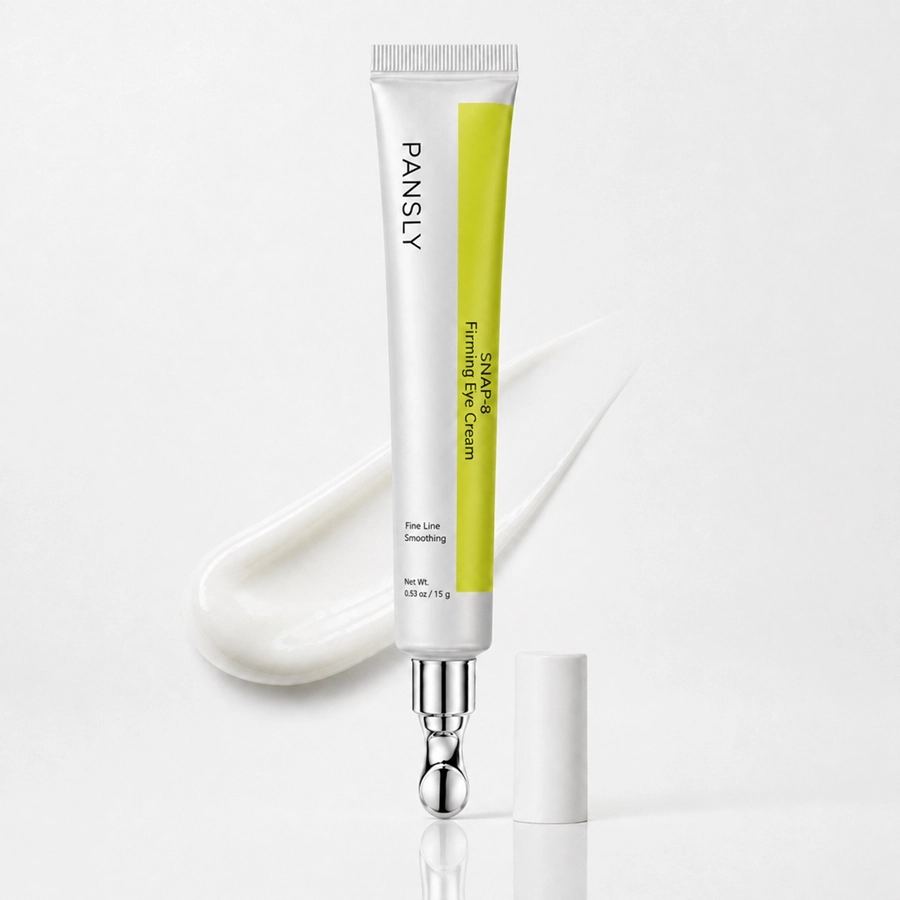
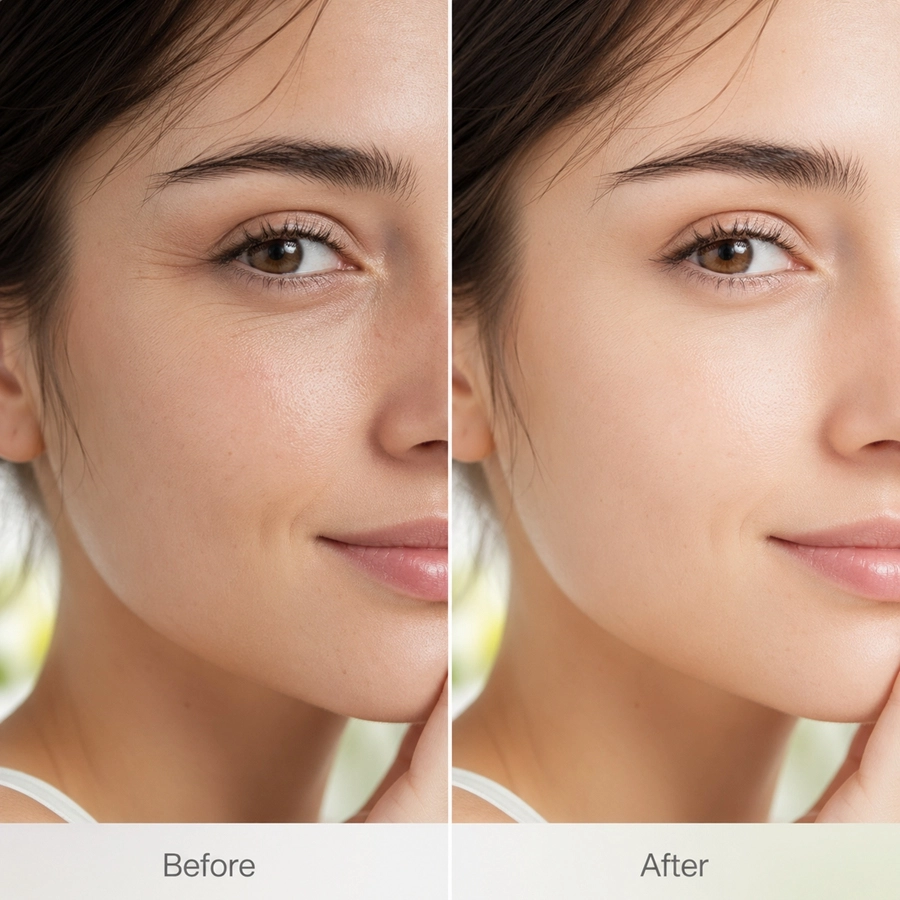
This Pansly SNAP-8 Firming Eye Cream is lightweight massage roller eye cream dedicated to smoothing eye fine lines, lifting saggy eye skin and refreshing tired puffy eyes.
It adopts 4-in-1 peptide eye care complex: SNAP-8 visibly smooths crow’s feet and under-eye fine lines; Caffeine eliminates eye puffiness and awakens dull tired eye area; Peptide Complex lifts loose eye skin to tighten eye contour; Hyaluronic Acid delivers lightweight lasting hydration to nourish dry eye skin.
Comes with built-in metal massage roller for comfortable massage application. Silky lightweight cream texture glides smoothly without heavy greasiness. Daily eye care softens fine lines, firms saggy eye skin, relieves eye fatigue and maintains plump smooth youthful eye area.
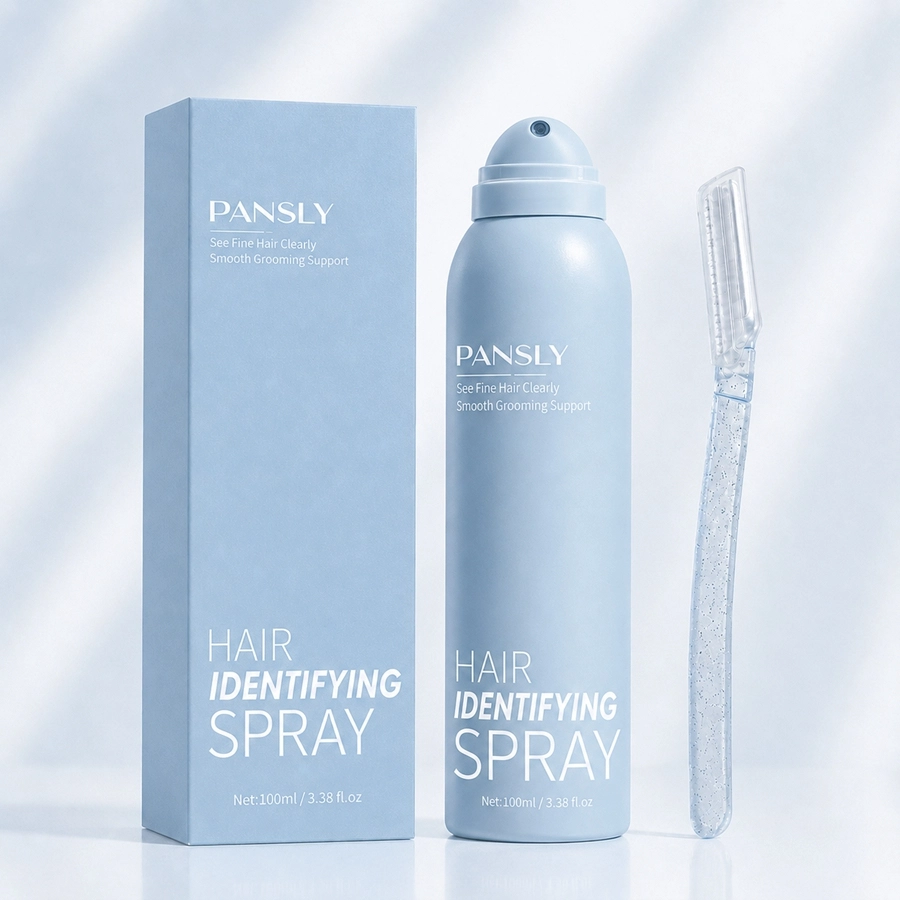
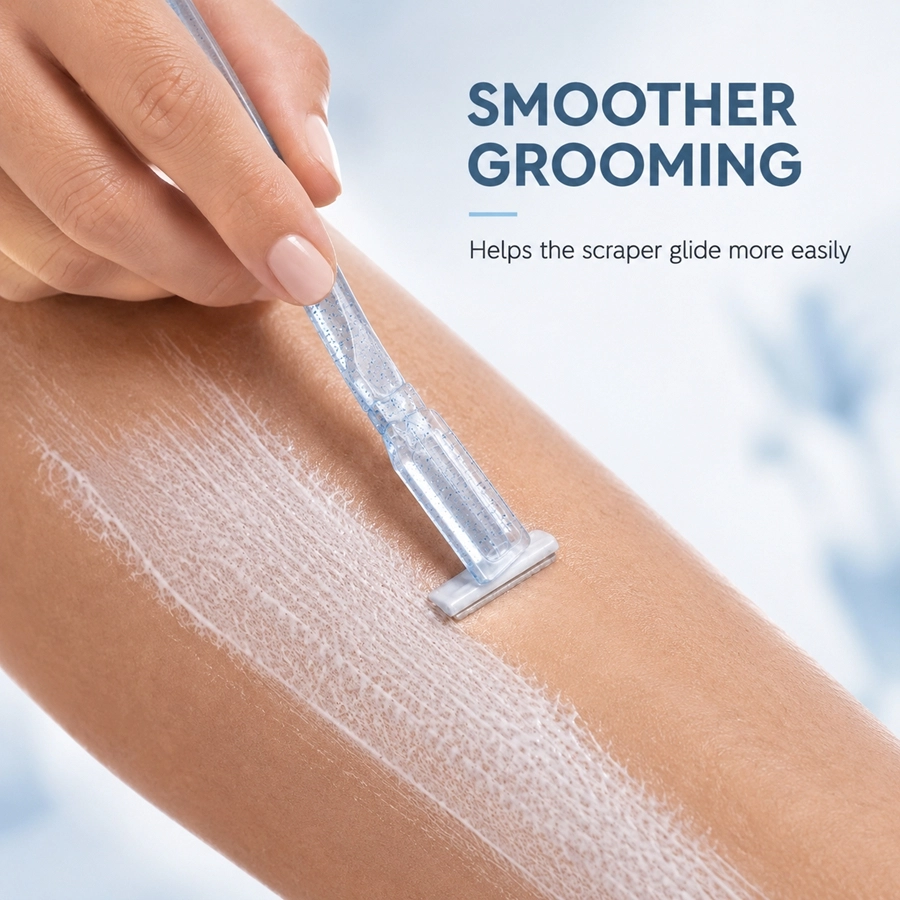
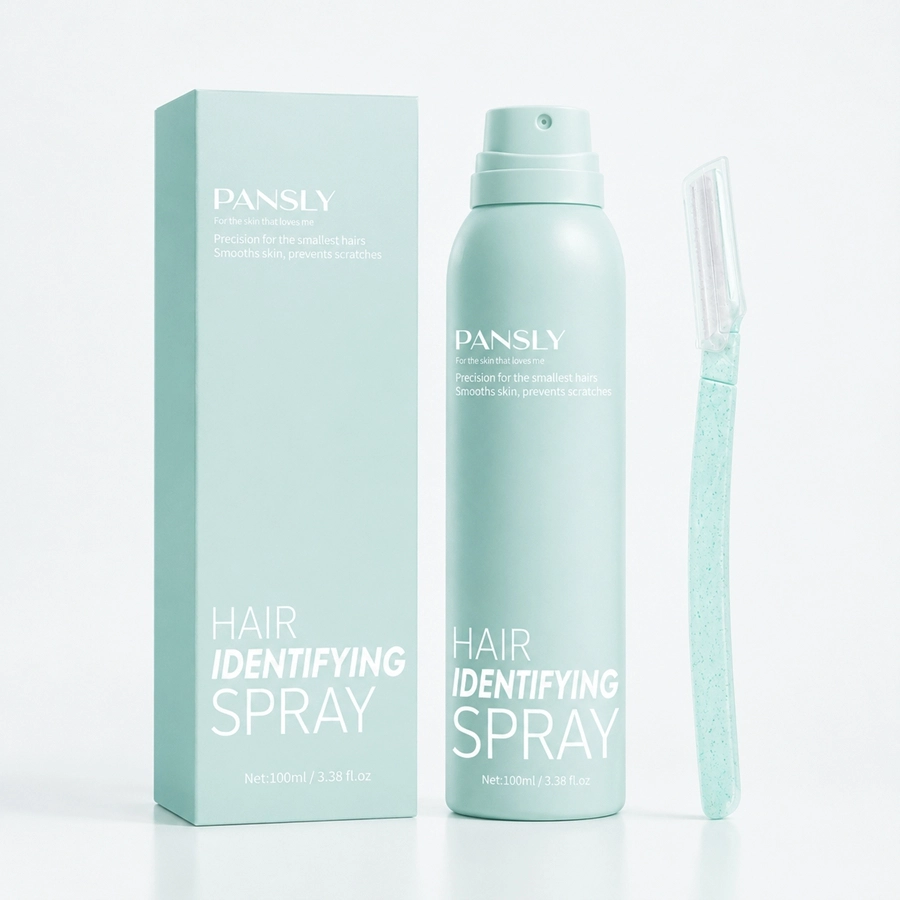
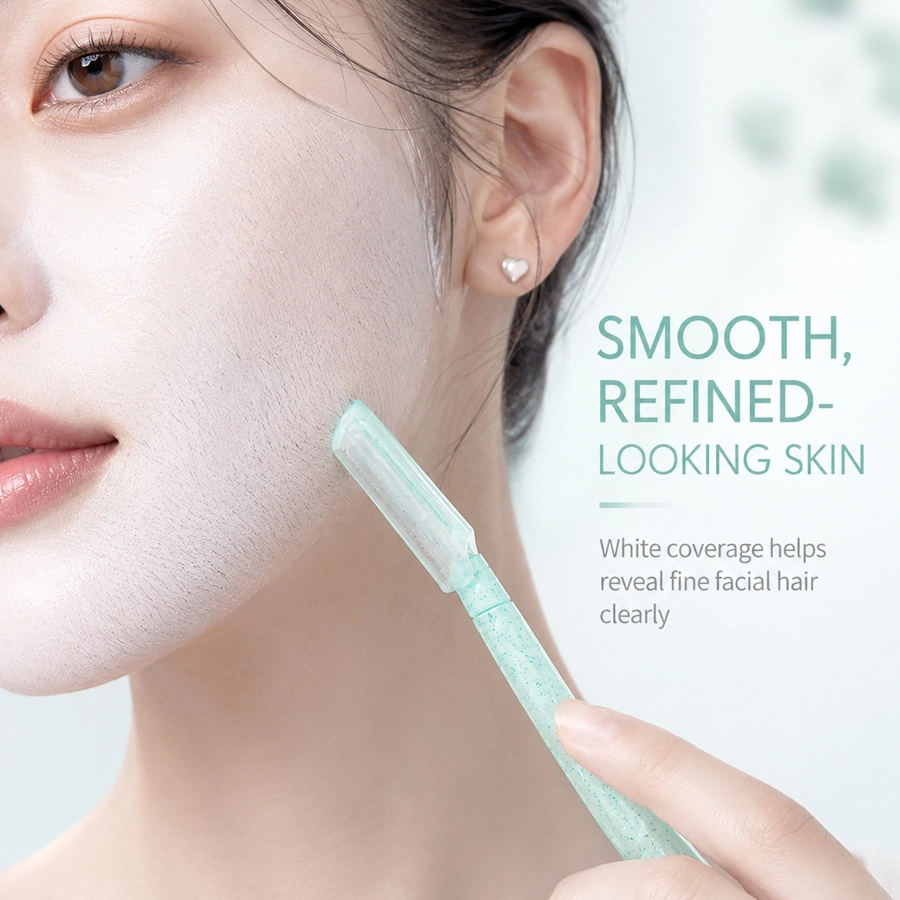
This Pansly Hair Identifying Spray Grooming Set includes a 100ml pre-shave hair identifying spray and a matching precision facial scraper, suitable for facial and body fine hair trimming.
Core functional ingredients:
Zea Mays (Corn) Starch: Forms a thin white film on dry skin to make invisible tiny vellus hairs clearly visible, supporting targeted accurate grooming;
Portulaca Oleracea Extract: Calms skin and alleviates irritation caused by scraping operations;
Hydrolyzed Keratin: Lubricates the skin surface to boost razor gliding and avoid scratches during hair removal;
Butylene Glycol: Offers gentle moisturization to keep skin comfortable throughout the grooming process.
You can finish the whole routine in 4 simple steps: Spray evenly on dry skin → Identify fine hairs via white coverage → Glide gently with the scraper → Wipe residues for silky smooth skin. It can be used on cheeks, upper lips, jawline, arms and more areas. We provide complete OEM/ODM private label service, including custom logo, multiple color selections, bulk order support and fast customization.
Get in Touch with us
If you have any comments or good suggestions, please leave us a message; later our professional staff will contact you as soon as possible.
Click here to customize the Beauty
we respond within a few hours
Monday–Friday, 9AM–6PM
3A01, Building A, Zhisheng Square, No. 4 Zhifu Road, Helong Street, Baiyun District, Guangzhou, China.


Leave a request, and we'll email you back within 24 hours.
© 2026 Beyond Basix. All Rights Reserved.
