
Zinc Oxide vs Zinc Oxide and Titanium Dioxide: What Should Brands Consider?
Quick Answer
Zinc oxide alone offers broad-spectrum mineral protection, while combining it with titanium dioxide can adjust protection balance, opacity, and sensory properties. For a ghk-cu tallow mineral sunscreen, brands should assess filter ratio, target-market regulations, particle characteristics, formulation stability, and consumer texture expectations. Beyond Basix can help evaluate suitable development pathways, but the final solution depends on project-specific testing and market conditions.
How Beyond Basix Supports Projects
Beyond Basix supports OEM and ODM skincare development through formulation work, production across 12 production lines, and manufacturing in a 12,000-square-meter facility with a 100,000-level GMPC pharmaceutical-grade dust-free workshop. Its experience with effective-ingredient skincare is relevant when brands need to coordinate mineral UV filters with ingredients such as copper tripeptide-1 or tallow-derived emollients.
Buyers should confirm the intended market, SPF and UVA claim, zinc oxide-to-titanium dioxide approach, product texture, packaging, and compatibility requirements. MOQ, lead time, testing scope, and quotation must be confirmed for each project. Beyond Basix also holds certifications and documentation including ISO 9001, GMP, HALAL, CE, and MSDS where applicable to the requested product and market.
Discuss Your Mineral Sunscreen Formulation Requirements
Share your target market, SPF and UVA objectives, preferred filter strategy, desired finish, tallow specifications, GHK-Cu requirements, packaging format, and expected order volume. These details allow suitable formulation options, sample steps, compatibility reviews, and testing plans to be discussed. Start your project at www.beyondbasixcosmetics.com or email Lily@lanthome.com.
Deep-Dive FAQs
Should brands choose zinc oxide alone for mineral sunscreen?
Zinc oxide alone can be appropriate when a brand prioritizes one primary mineral UV filter, a simpler active-filter concept, or a specific positioning strategy. It is recognized as a broad-spectrum sunscreen active because it provides coverage across UVA and UVB wavelengths. However, using zinc oxide alone does not automatically produce an elegant formula. High mineral loading may affect whiteness, spreadability, viscosity, and rub-in. Brands should assess the selected grade, particle treatment, dispersion quality, film formation, and finished-product SPF and UVA performance rather than selecting the ingredient only from its INCI name. In the United States, sunscreen actives and claims must also align with applicable FDA requirements; other markets use different frameworks.
When does adding titanium dioxide improve a mineral sunscreen?
Titanium dioxide may be useful when the formulation requires additional UVB and shorter-UVA support, a different opacity profile, or a revised balance of coverage and sensory appearance. Its contribution is not identical to zinc oxide: titanium dioxide is generally stronger in UVB and UVA2 regions, while zinc oxide provides broader UVA coverage. The combined system therefore needs optimization rather than simple addition. More powder can increase whitening, drag, settling risk, or product thickness, depending on dispersion and surface treatment. Brands should compare zinc-only and combined-filter prototypes through finished-product SPF, broad-spectrum or UVA testing, photostability assessment, and consumer-relevant application testing.
How does particle size affect white cast and protection?
Particle size influences optical scattering, appearance, dispersion, and the way mineral particles form a protective film on skin. Smaller particles can reduce visible whitening, but particle size alone does not determine finished-product performance. Surface treatment, agglomeration, refractive behavior, oil-phase compatibility, and dispersion equipment also matter. Nano and non-nano positioning may trigger different labeling, safety, and regulatory expectations, particularly across the European Union, United States, and other jurisdictions. Brands should request supplier specifications and verify the actual dispersion in the finished formula. SPF and UVA results must come from testing the complete product, because raw-material data cannot substitute for finished-sunscreen validation.
Can GHK-Cu and tallow coexist with mineral UV filters?
Copper tripeptide-1, commonly called GHK-Cu, can be considered in a cosmetic formula containing mineral UV filters, but compatibility should be demonstrated rather than assumed. The peptide may be sensitive to formulation environment, including pH, water activity, chelating conditions, preservatives, heat exposure, and interactions with packaging. Tallow introduces a separate development layer because its fatty-acid profile, refining quality, odor, oxidation behavior, and supply specifications can vary. The combination should be assessed through accelerated stability, freeze-thaw or temperature-cycle studies where relevant, odor and color monitoring, preservative evaluation, packaging compatibility, and finished-product performance testing. A product containing these ingredients is not automatically a regulated sunscreen in every market; its claims and active-filter status determine the regulatory pathway.
What testing should an OEM request before launch?
A brand should request a testing plan matched to its target market and claims, not rely on a generic certificate or ingredient supplier brochure. Core work commonly includes stability under defined conditions, package compatibility, microbiological quality, preservative effectiveness where applicable, SPF testing, and UVA or broad-spectrum assessment. The test method and laboratory acceptance criteria should be agreed before samples are approved. Brands should also review color, odor, viscosity, pH where relevant, separation, application feel, and batch consistency. For a mineral sunscreen, dispersion and homogeneity are especially important because localized concentration differences can affect appearance and measured protection. Regulatory review should confirm whether the intended claims, active ingredients, labeling, and warning statements are acceptable in each sales territory.
How do regional claims change zinc sunscreen formulation decisions?
The same mineral formula may require different claim support, labeling, documentation, or allowable ingredient conditions in different markets. The United States, European Union, United Kingdom, ASEAN countries, Australia, and other jurisdictions do not use identical sunscreen systems or claim rules. A brand should identify the first launch market before fixing the active-filter strategy, because SPF, UVA, water-resistance, broad-spectrum, natural, non-nano, and sensitive-skin claims can require distinct evidence. Marketing language also matters: cosmetic positioning does not remove obligations created by sunscreen claims. The OEM should receive the target-country list, proposed claims, packaging language, and product classification early so formulation, testing, documentation, MOQ, and launch timing can be planned coherently.
Related Articles for Private Label Cosmetics

Why Two Mineral Sunscreens With the Same SPF Can Feel Completely Different

Beyond Ordinary Tallow Balm: How GHK-Cu and SNAP-8 Create a Different Skincare Story

When Blue Copper Peptides Meet Beef Tallow: A New Direction for Premium Skincare

PDRN Toner Pads vs GHK-Cu + SNAP-8 Peptide Toner Pads: Private Label Manufacturing Decisions
You May Also Like
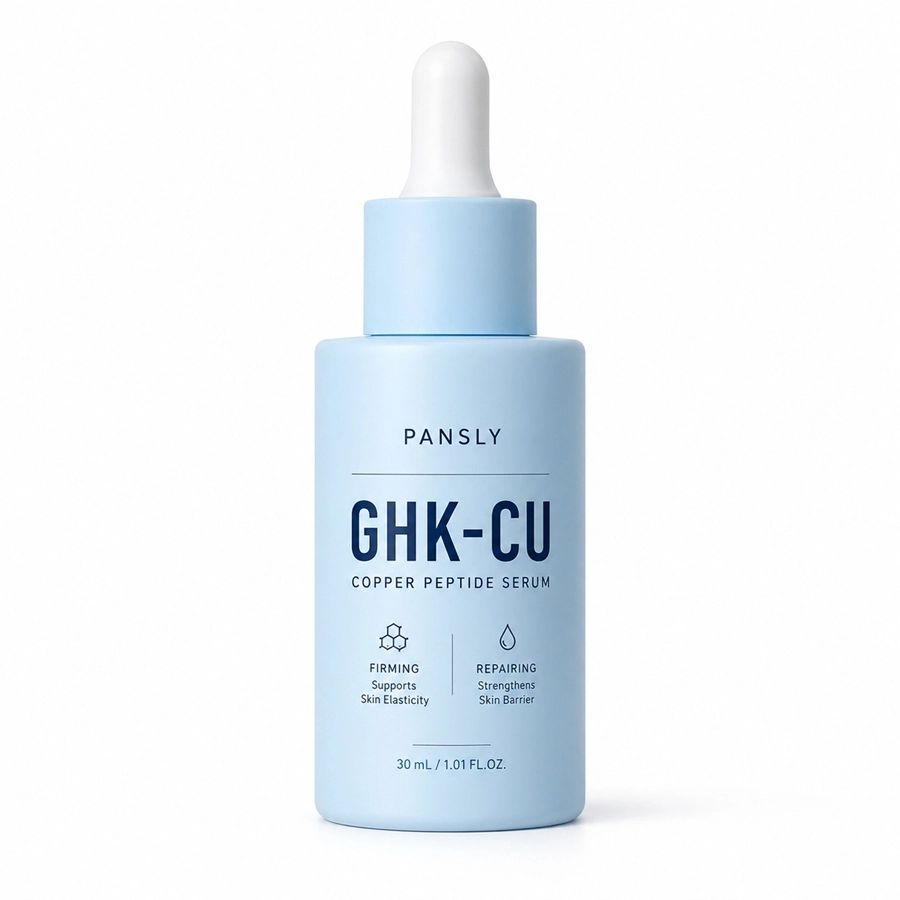
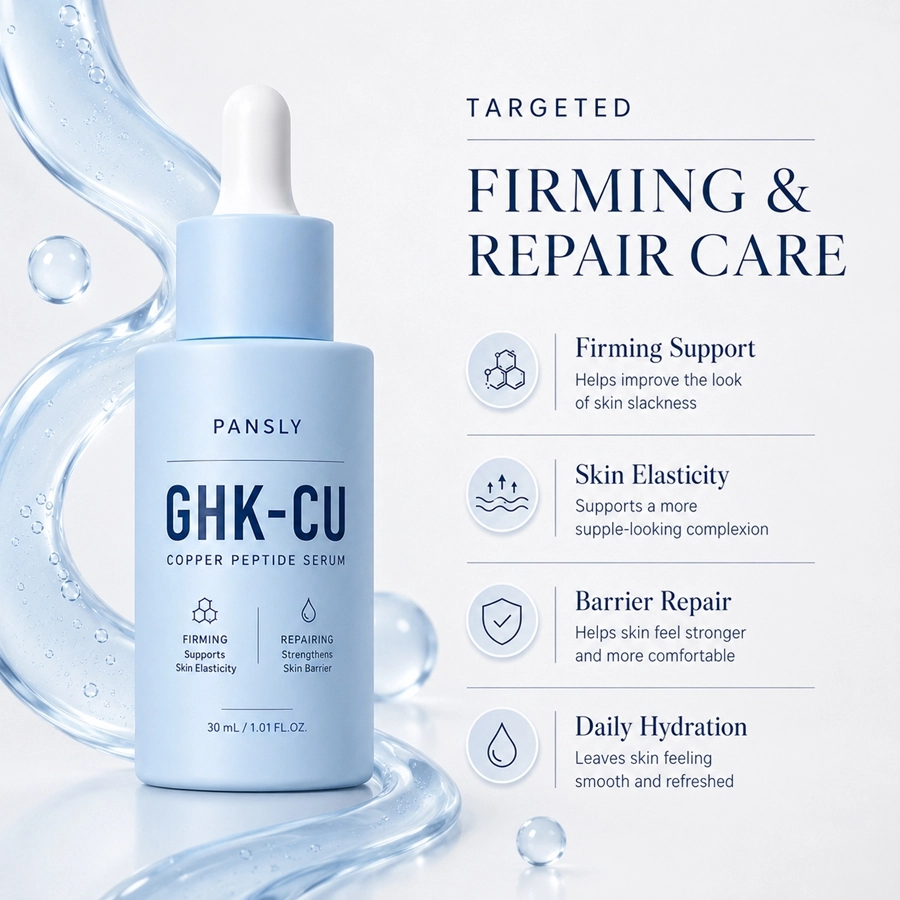
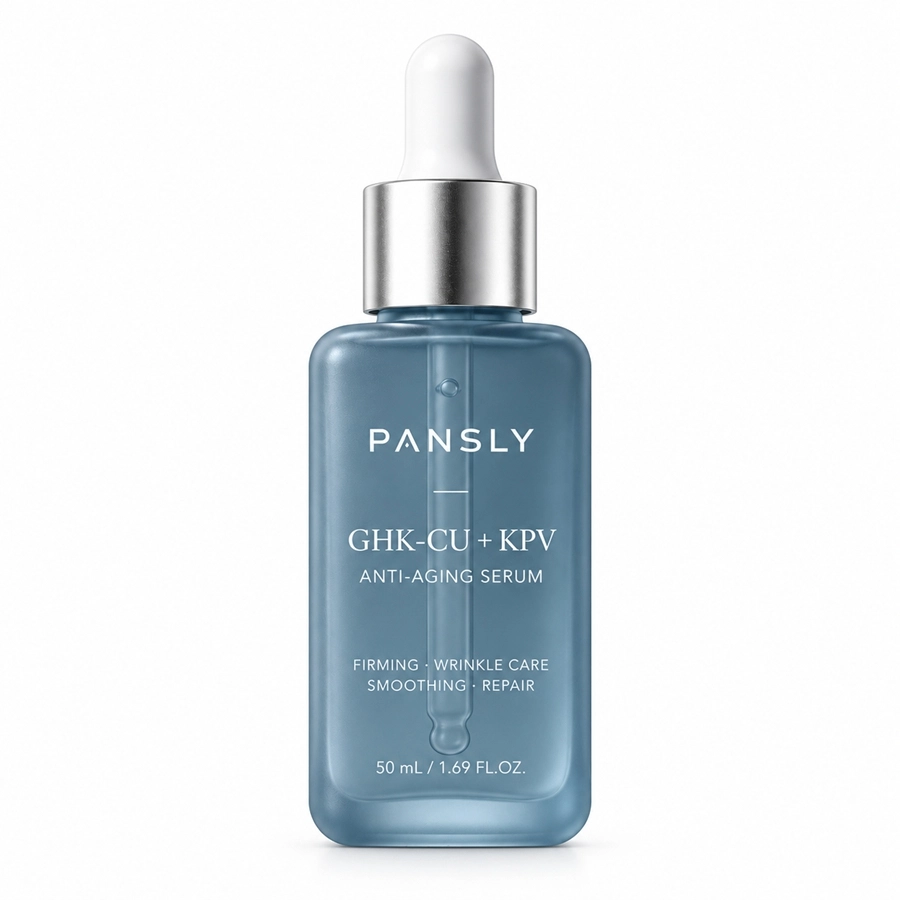
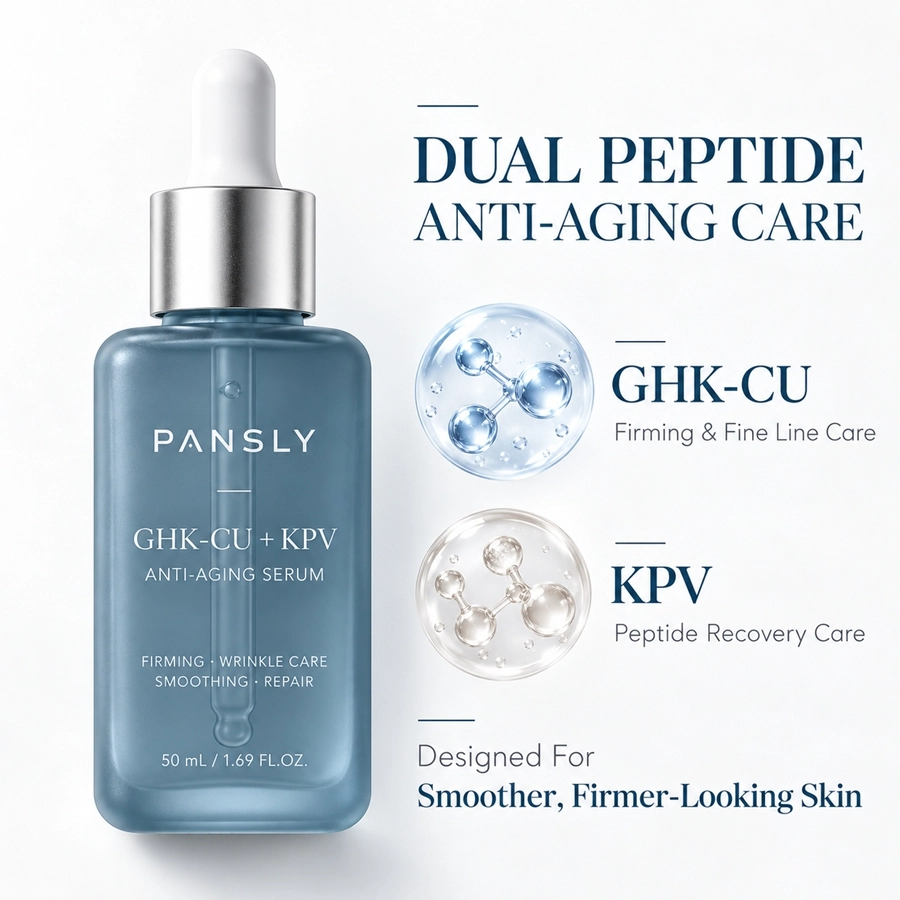
GHK-Cu KPV serum for skin is a private-label peptide face serum formulated for a firming, smoothing routine. This GHK-CU KPV Serum is positioned for wrinkle care and skin repair, making it a practical addition to an anti-aging skincare range.
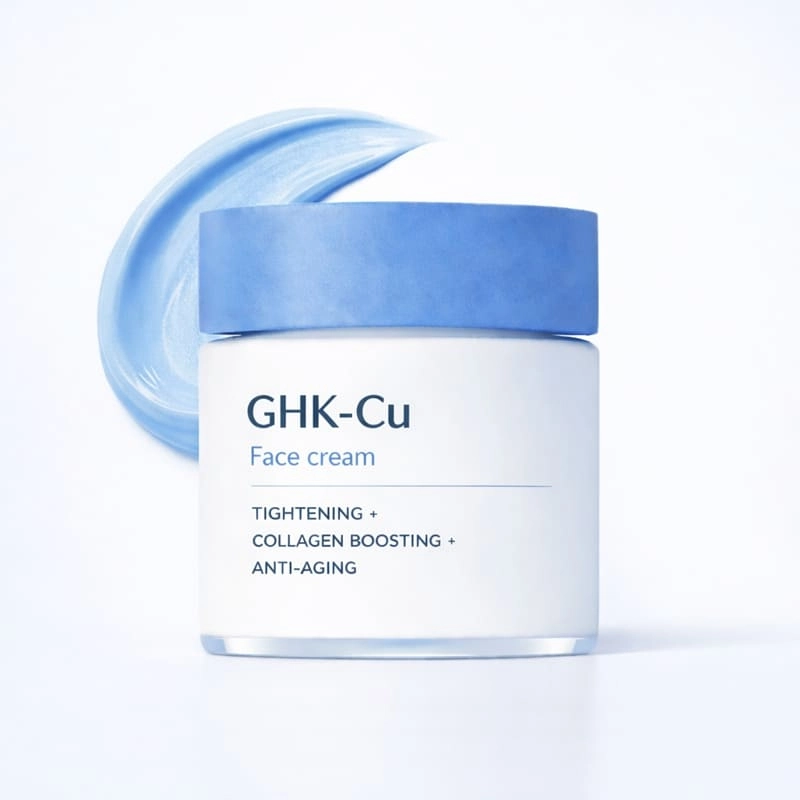
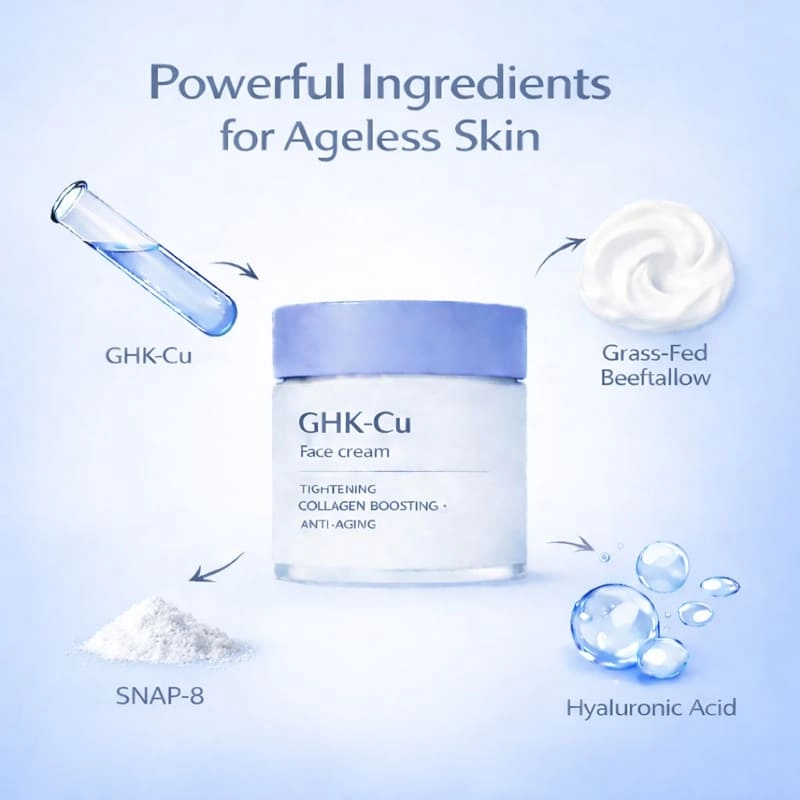
This GHK-Cu & SNAP-8 Beef Tallow Anti-Wrinkle Cream represents a unique fusion of traditional skin nourishment and cutting-edge peptide science. By utilizing Grass-Fed Beef Tallow as a bio-compatible base, the formula provides a rich profile of vitamins A, D, E, and K that mimics the skin's natural sebum for unparalleled absorption. This nutrient-dense foundation is supercharged with GHK-Cu (Copper Peptide) to support dermal density and SNAP-8 (Octapeptide-3) to help relax the appearance of expression lines and deep-set wrinkles.
Designed specifically for aging or depleted skin, this intensive cream provides a protective moisture barrier while actively working to improve firmness and elasticity. The result is a multi-layered approach to rejuvenation that smooths texture, deeply hydrates, and restores a youthful, resilient "bounce" to the complexion without the use of synthetic fillers.
Get in Touch with us
If you have any comments or good suggestions, please leave us a message; later our professional staff will contact you as soon as possible.
Click here to customize the Beauty
we respond within a few hours
Monday–Friday, 9AM–6PM
3A01, Building A, Zhisheng Square, No. 4 Zhifu Road, Helong Street, Baiyun District, Guangzhou, China.


Leave a request, and we'll email you back within 24 hours.
© 2026 Beyond Basix. All Rights Reserved.
